Topwater Fishing Basics
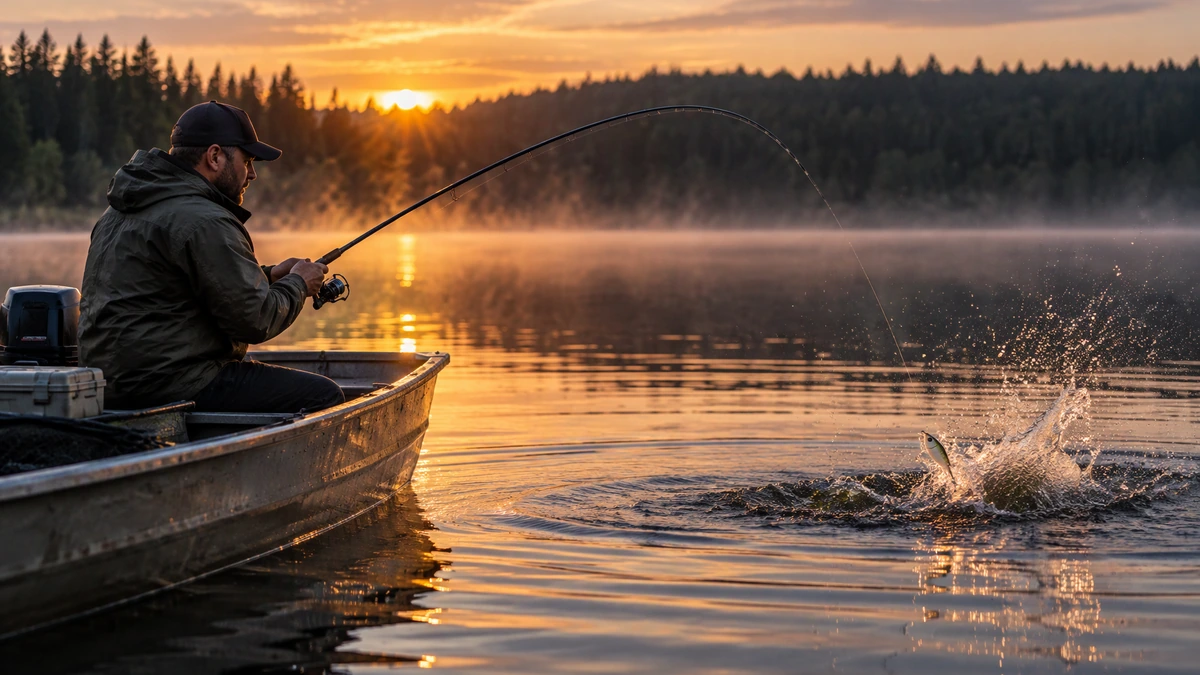
Poppers, walkers, buzzbaits and prop baits: when fish look up, how to work each one, and why waiting a beat before the hookset lands more fish.
The archive
233 field notes, newest first. Every entry was fished before it was published.
Poppers, walkers, buzzbaits and prop baits: when fish look up, how to work each one, and why waiting a beat before the hookset lands more fish.
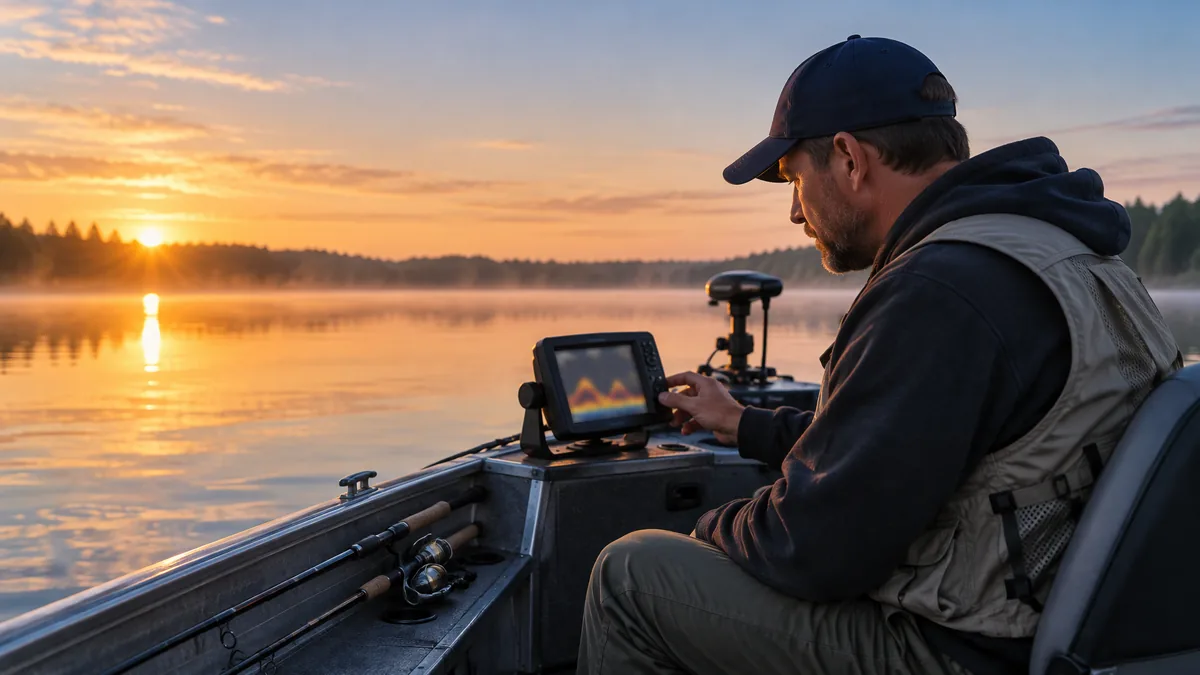
Most lake fishing problems are location problems. Read a contour map before you launch, then confirm structure and bait with sonar and shoreline clues.
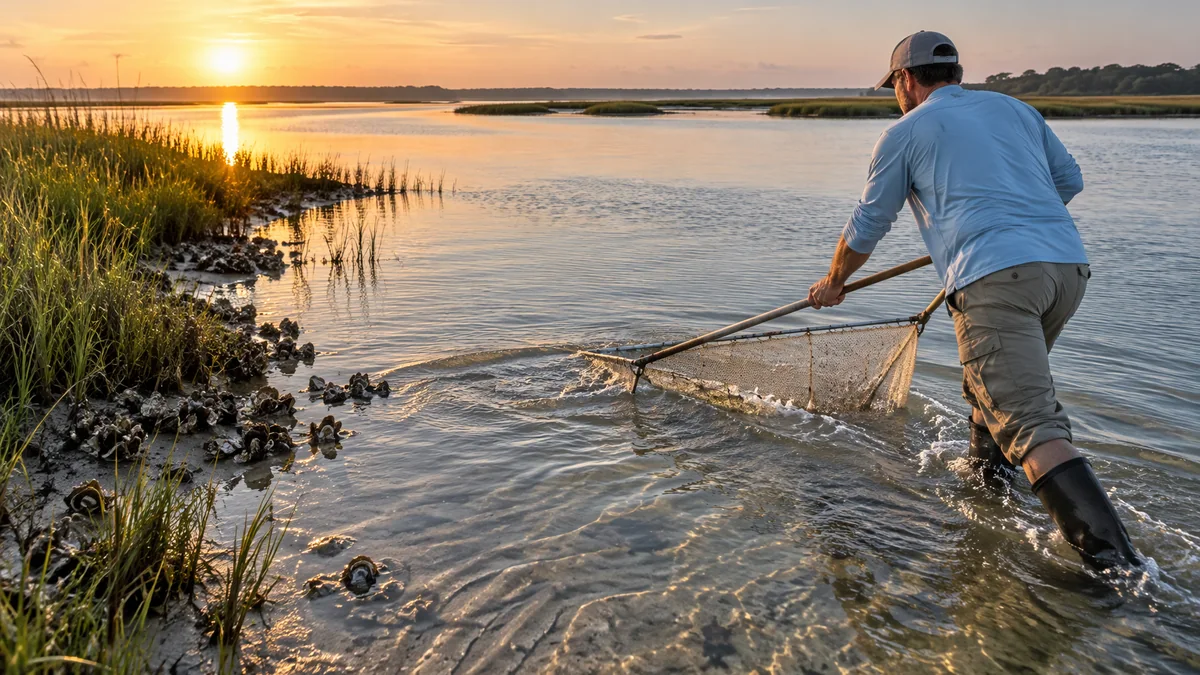
Throw a cast net where shrimp concentrate on the fall run: reading season and tide, chumming, night shrimping under lights, traps and state rules.
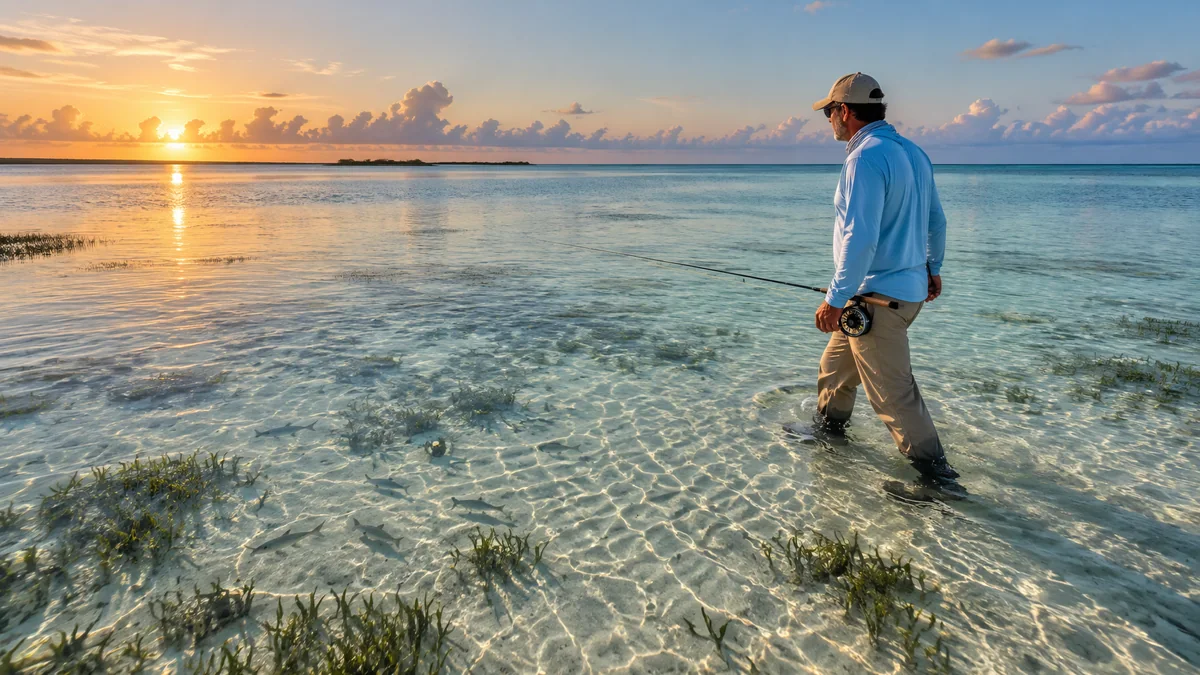
Flats fishing is hunting, not casting: read the tide and light, stalk without spooking, and put a lure or fly where a tailing fish will meet it.
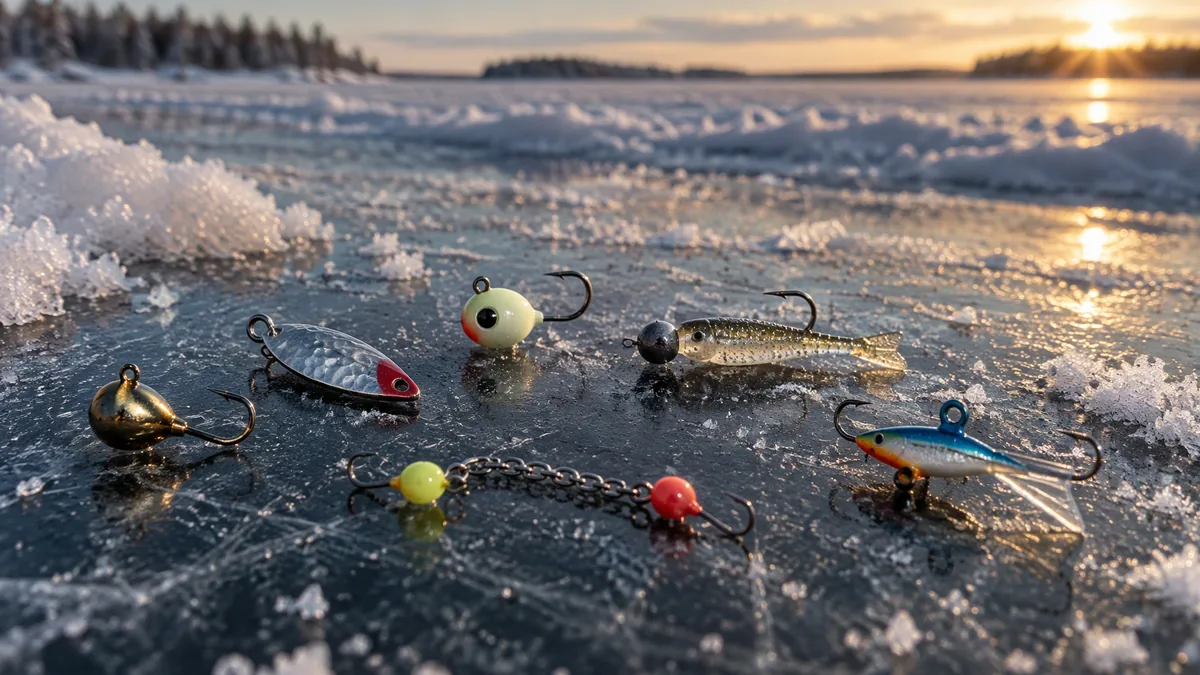
Tungsten jigs, jigging spoons, minnows and swimbaits: which ice lure fits the fish under your hole, plus the size, color and cadence that gets bit.
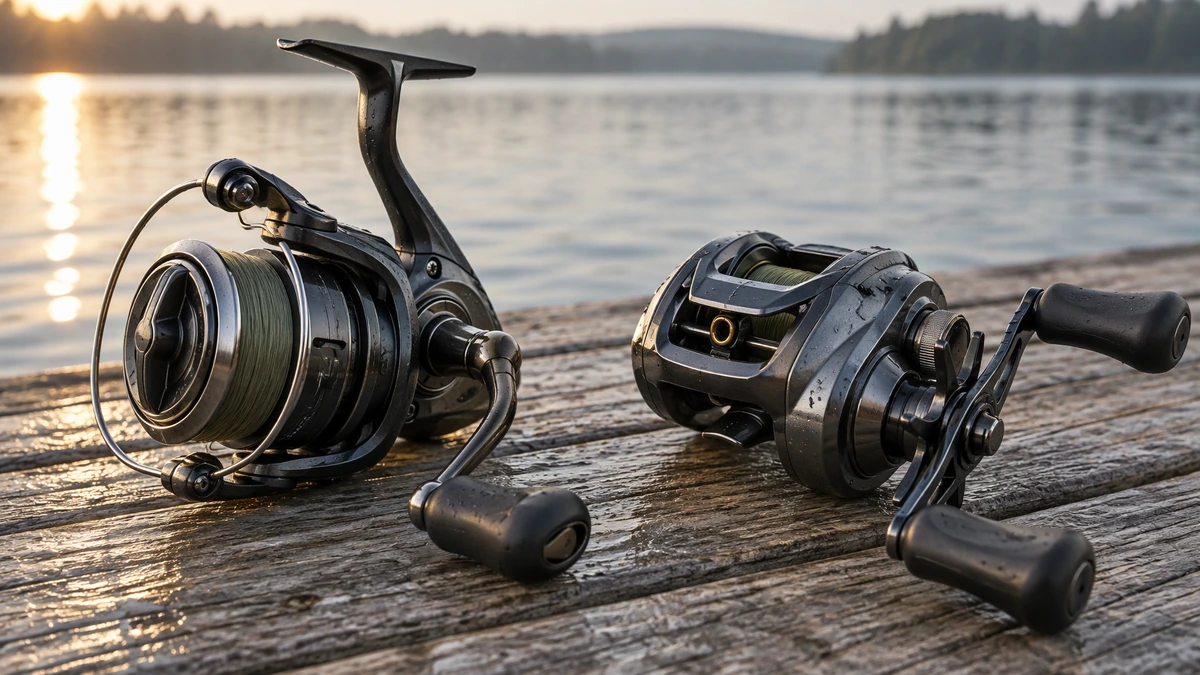
Spinning reels hang under the rod and cast light lures easily; baitcasters win on power and accuracy. How each works, and which to learn first.
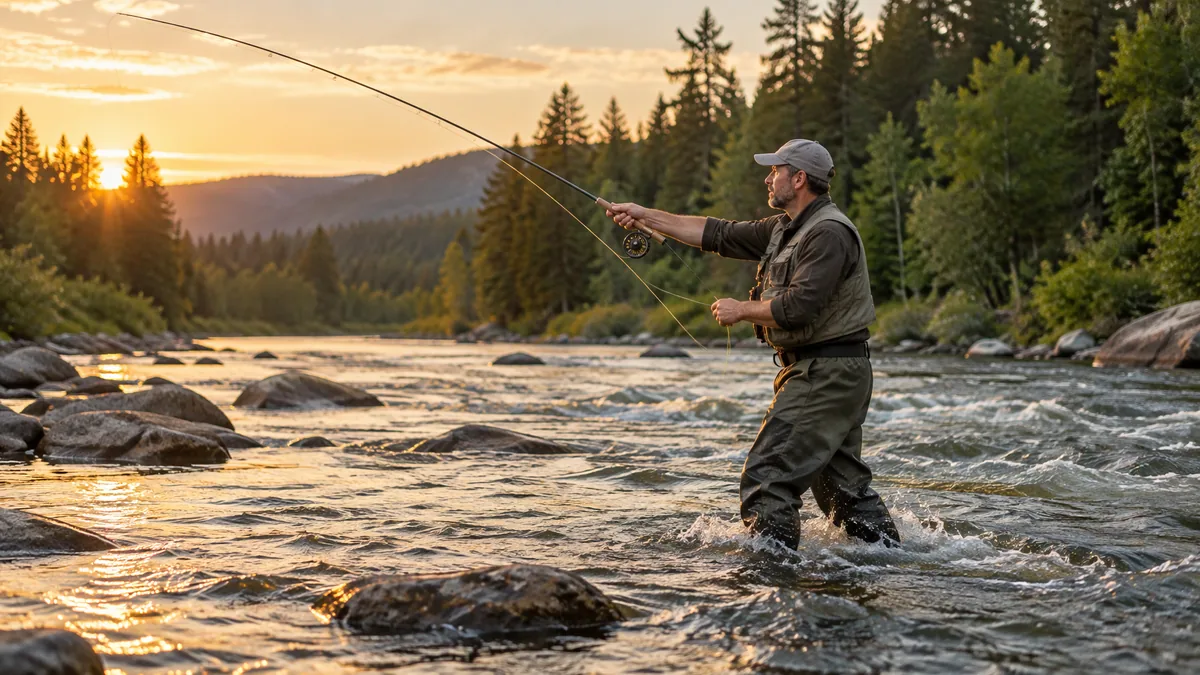
Drift a bait through a seam, swing a spinner past a boulder, or bounce a jig down a deep run — river fish sit where food arrives without fighting the flow.
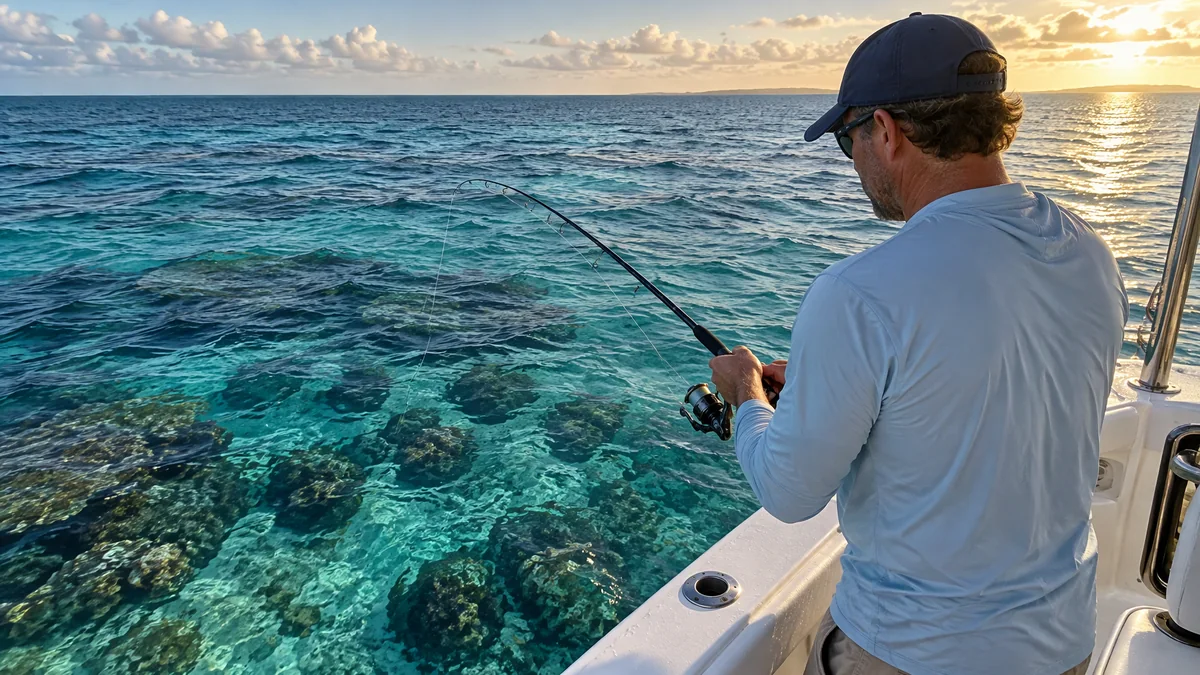
Reef fishing is positioning. Find the ledge on sonar, hold the boat over it against the current, then fish bottom rigs and jigs for snapper and grouper.
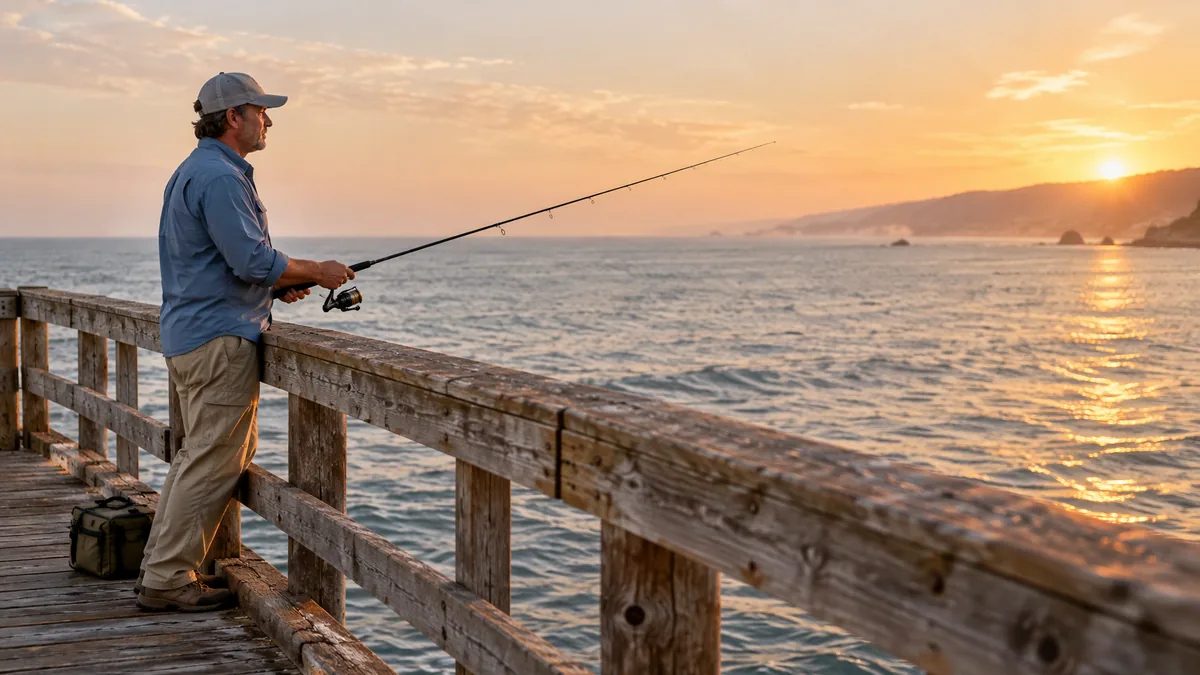
A pier puts deep saltwater and pilings within reach, so fish gather under your feet. A 7-to-9-foot spinning rod plus bottom and float rigs covers it.
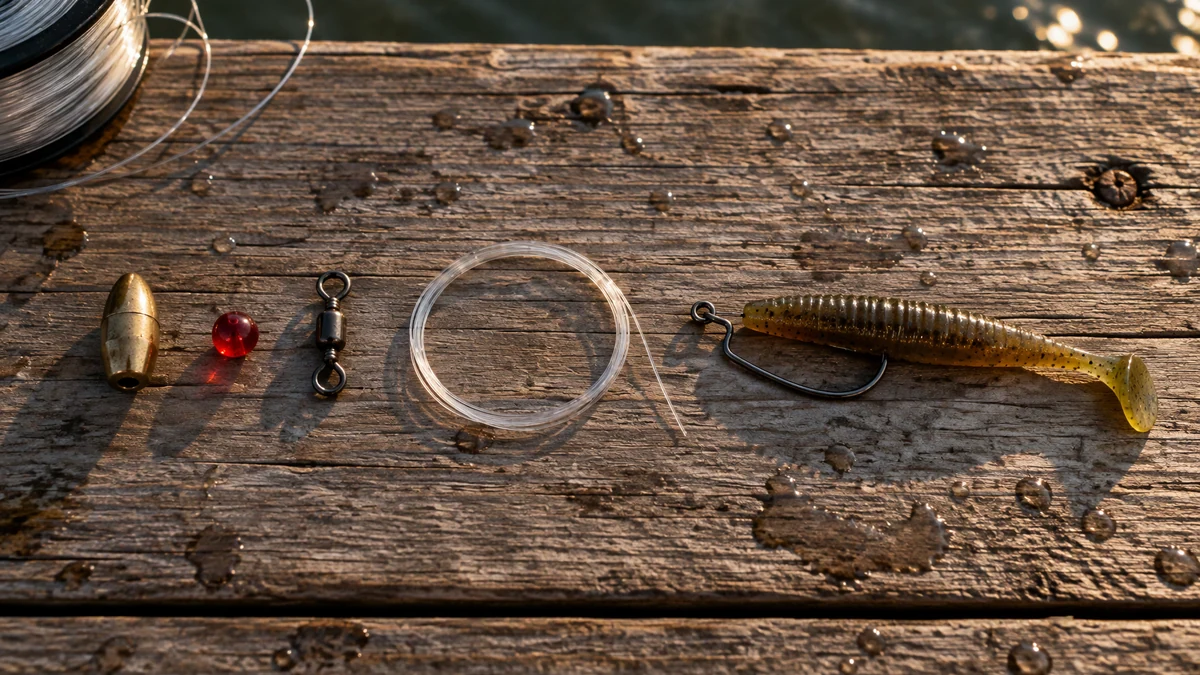
A Carolina rig slides its weight on the main line above a swivel, so the bait darts freely on a leader. Drag it to cover water and find bass structure.
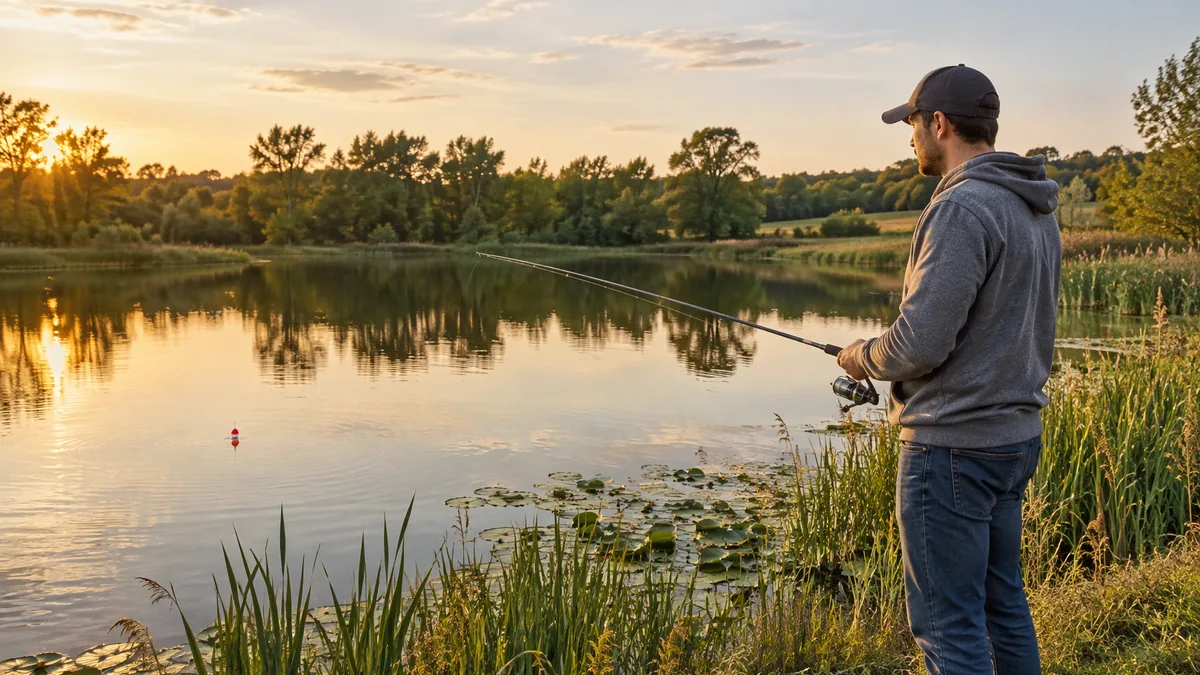
Ponds read in one lap of the bank. A 6.5- to 7-foot medium spinning rod and 8- to 10-pound line cover bluegill, bass, crappie and catfish.
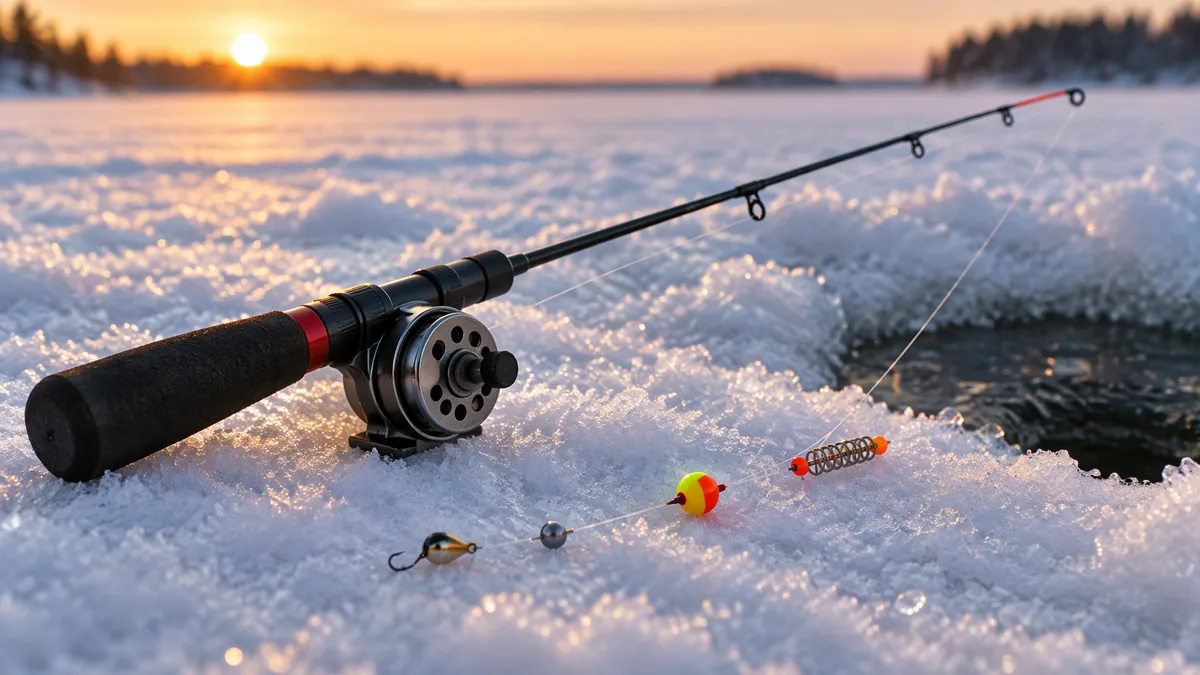
Build an ice rig from the rod up — a 24-to-36-inch rod, light line, then a jigging setup, a deadstick or tip-up, and a float for suspended fish.