Best Offshore Baits and Rigs
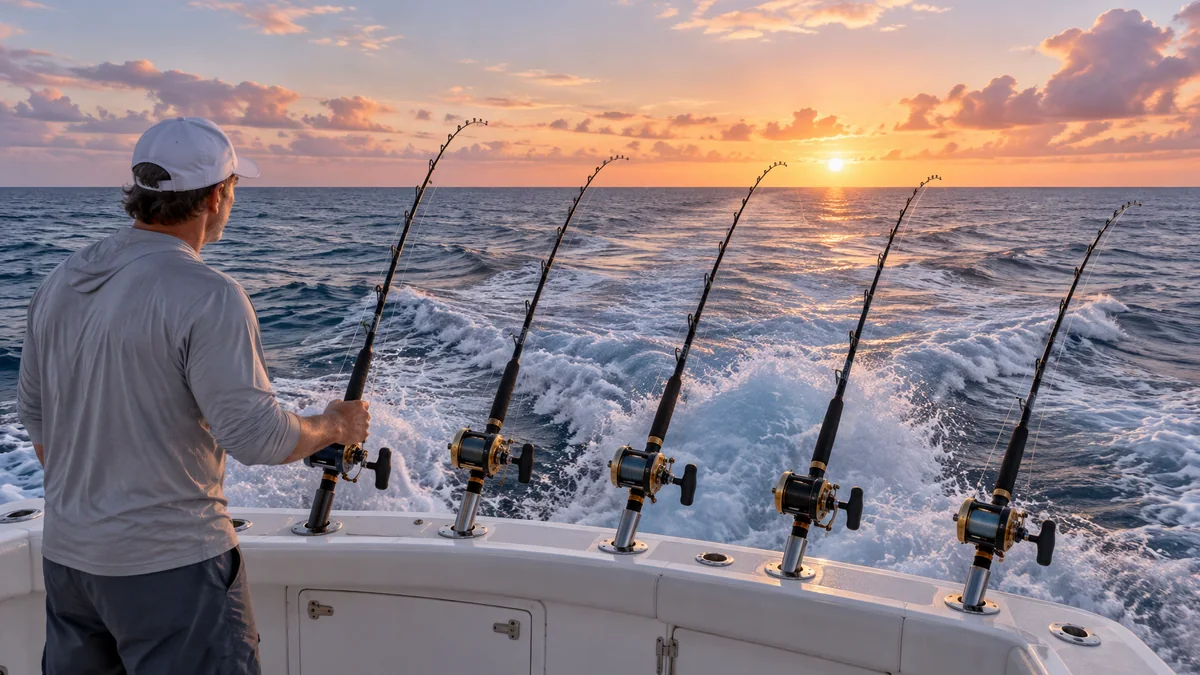
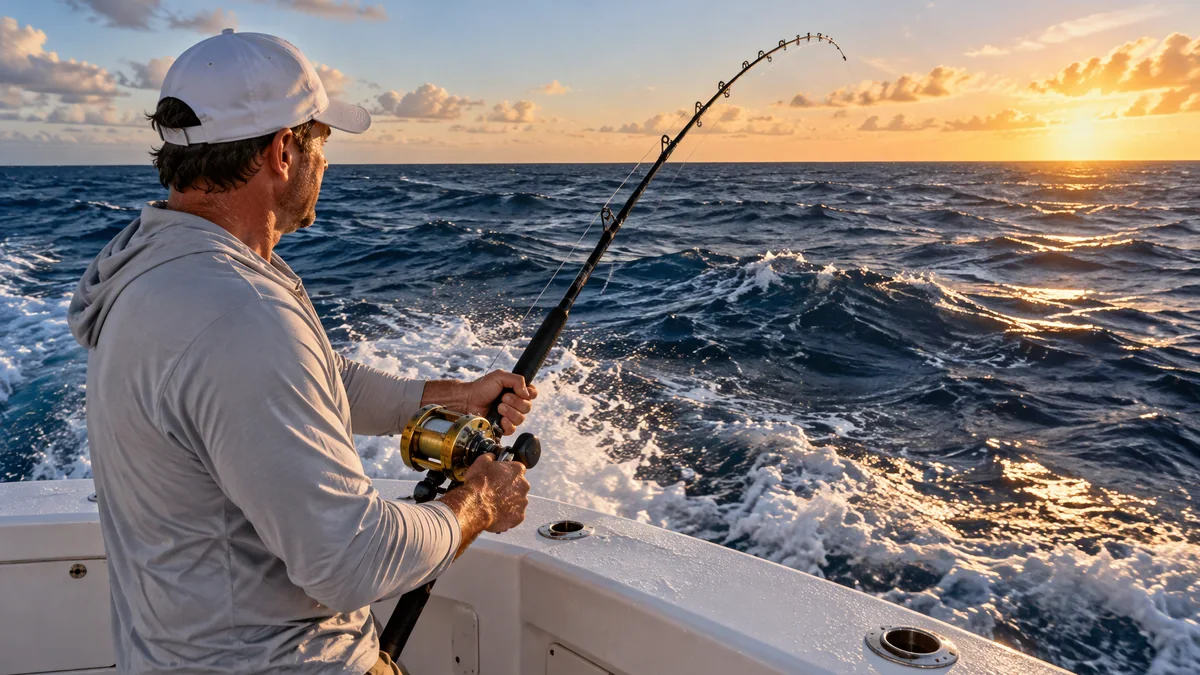
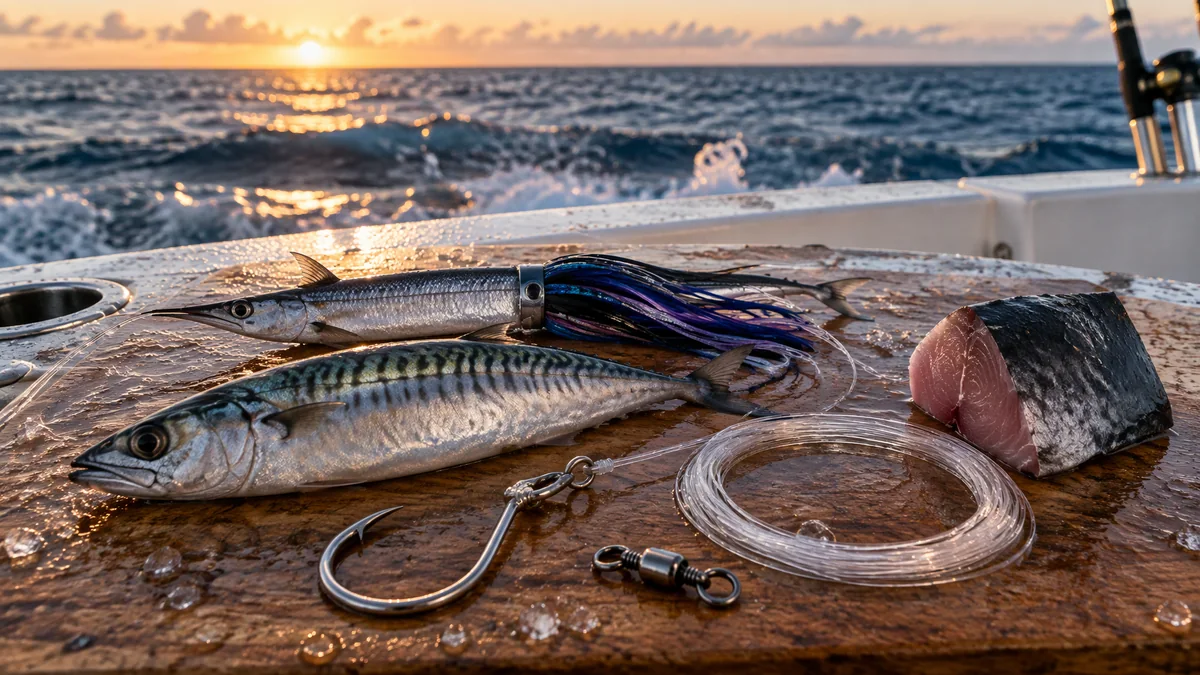
Trolling wants skirted lures and rigged ballyhoo, bottom fishing wants fresh cut bait. Match the bait to the method for tuna, mahi and billfish.
Category
Trolling wants skirted lures and rigged ballyhoo, bottom fishing wants fresh cut bait. Match the bait to the method for tuna, mahi and billfish.
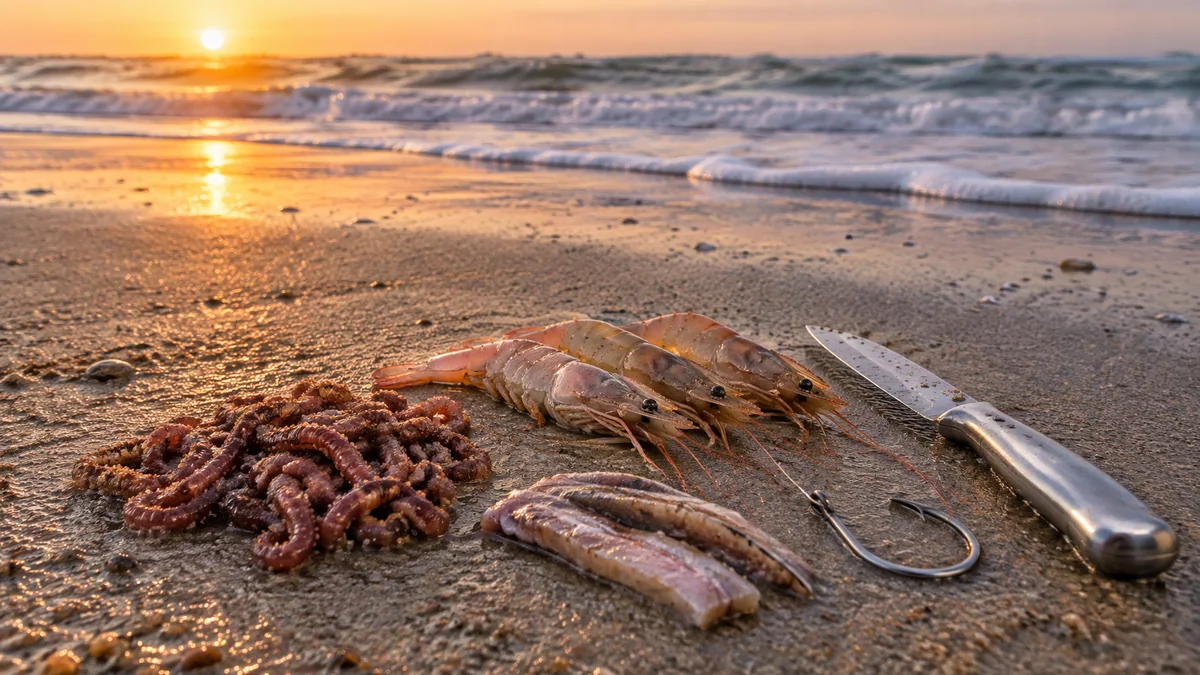
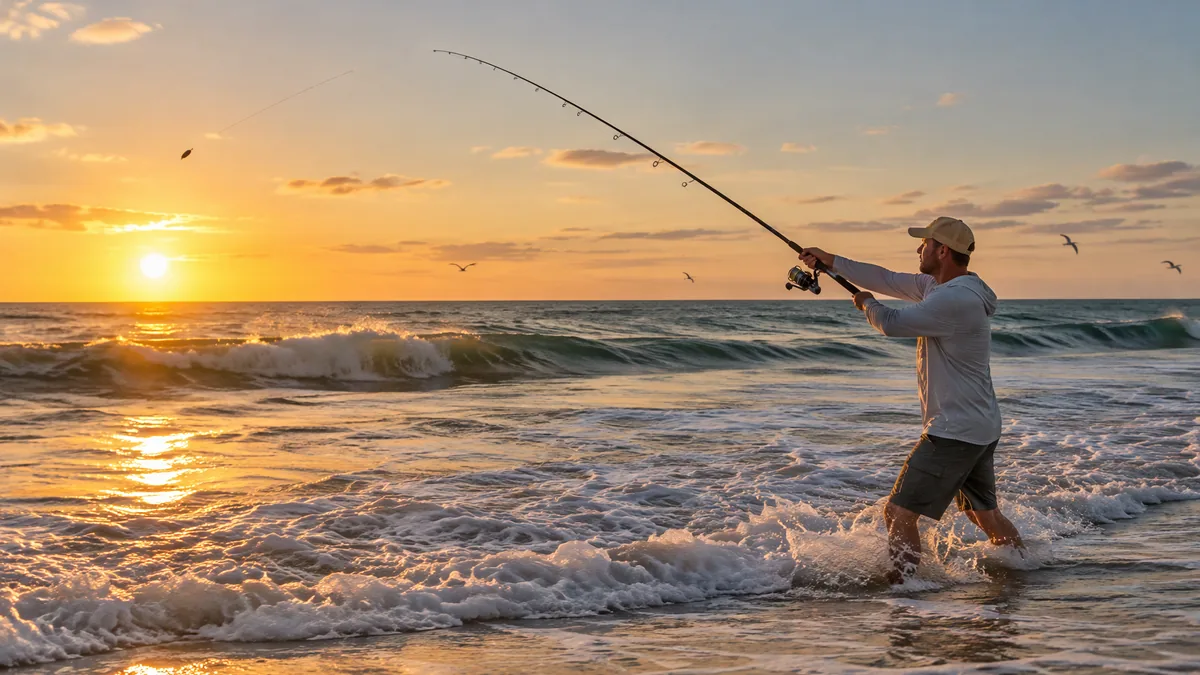
Sand fleas, shrimp, cut mullet and bunker stay on the hook through the wash and still look like food. How to rig them and read the troughs.
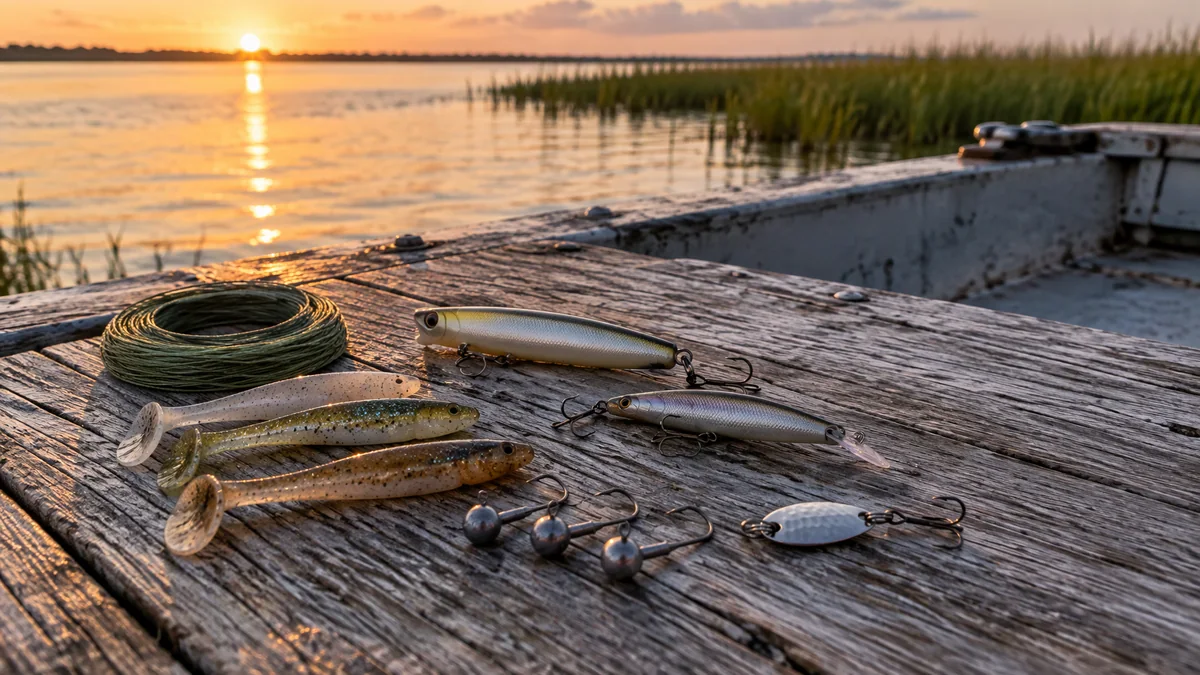
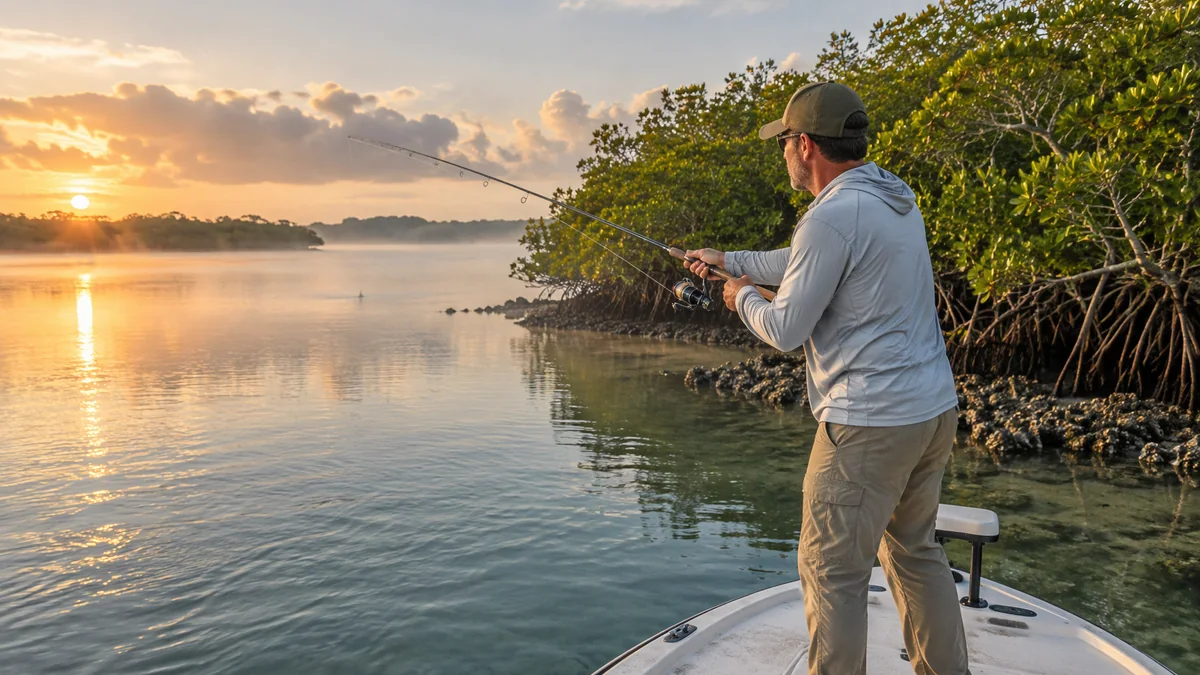
Soft plastics on jigheads, topwater plugs, twitchbaits and spoons for redfish, seatrout, flounder and snook, matched to tide, depth and clarity.
Drag a spread instead of anchoring: how to set baits in clean water, tune speed to tuna, mahi and billfish, and find the breaks and weed lines.
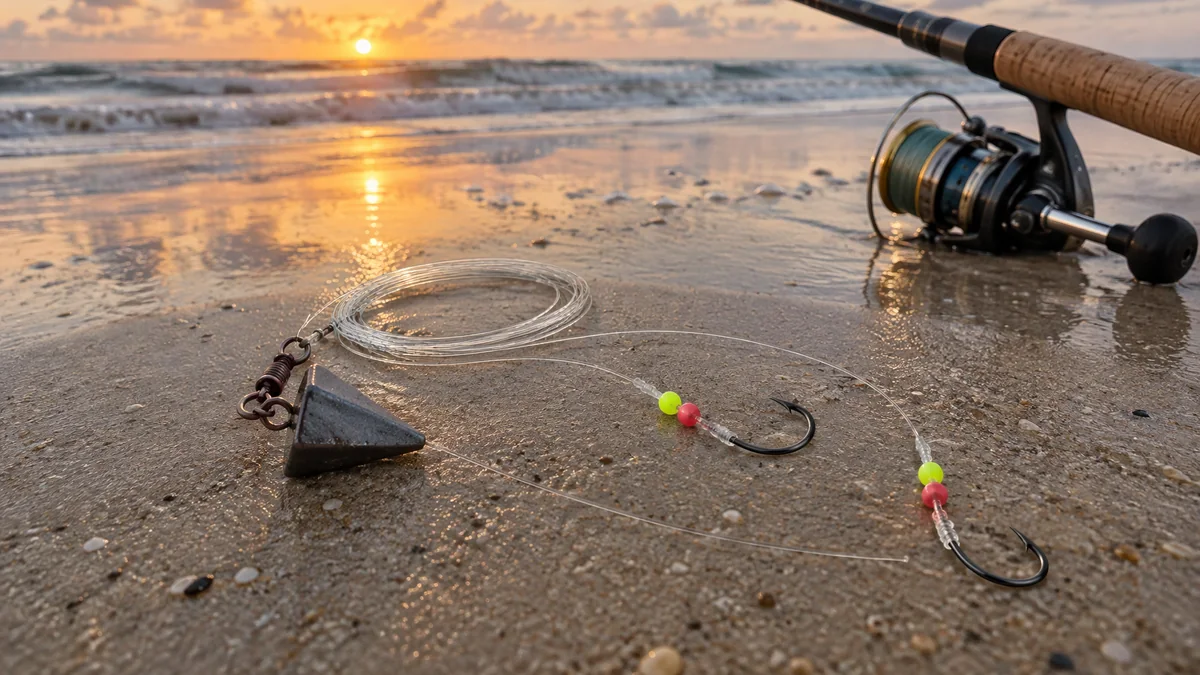
Fish finder, high-low, Carolina and pompano rigs that reach past the shorebreak, hold bottom in current, and present bait a fish can eat.
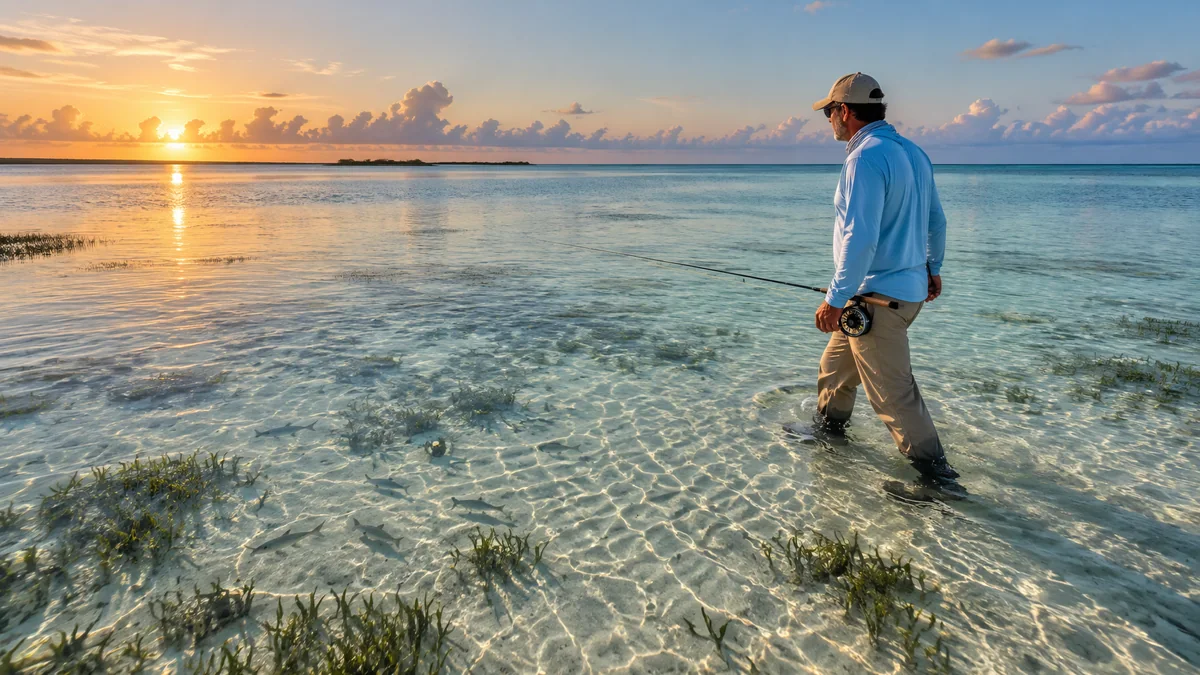
Flats fishing is hunting, not casting: read the tide and light, stalk without spooking, and put a lure or fly where a tailing fish will meet it.
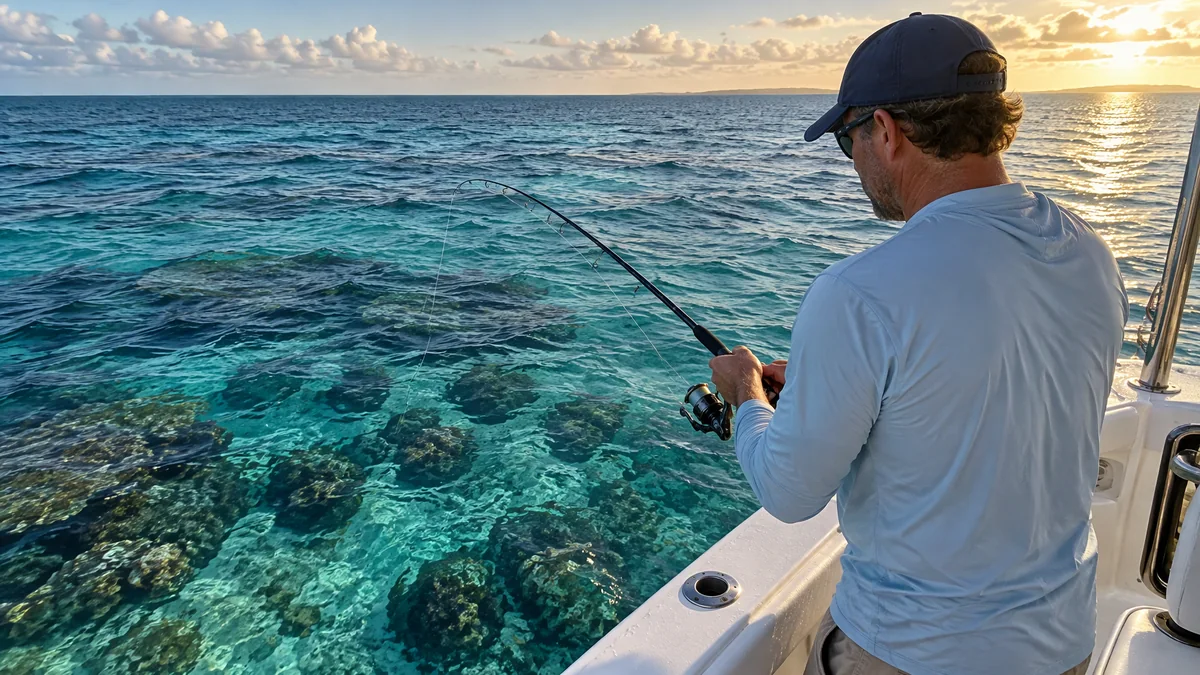
Reef fishing is positioning. Find the ledge on sonar, hold the boat over it against the current, then fish bottom rigs and jigs for snapper and grouper.
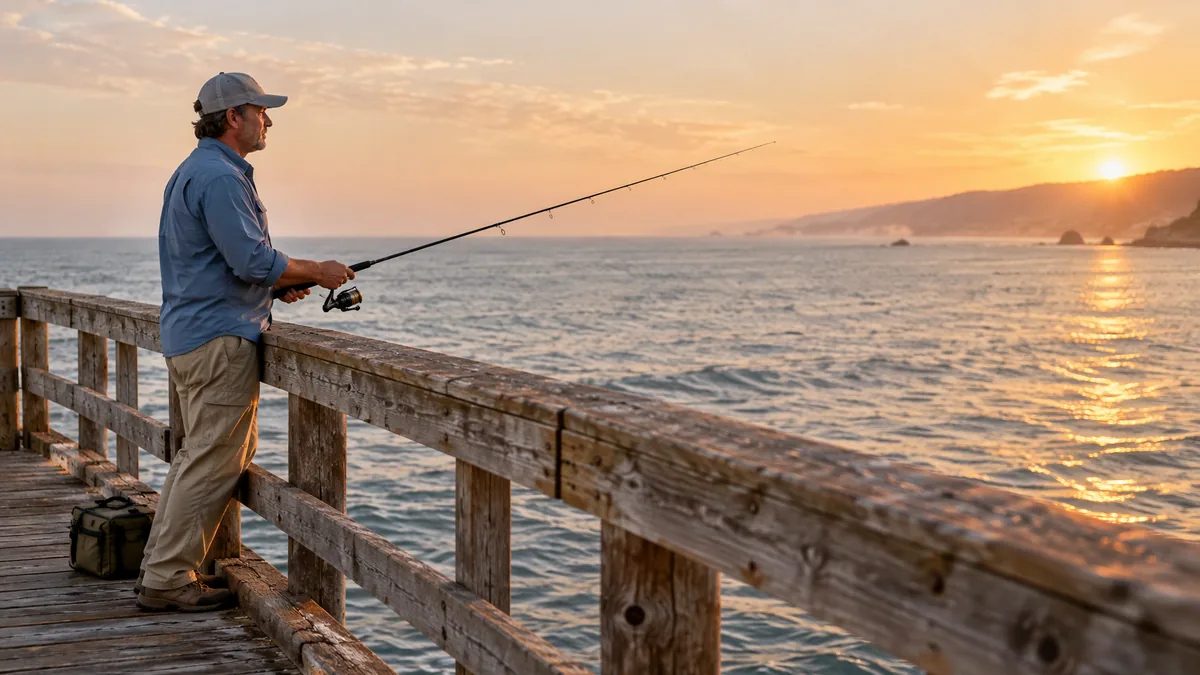
A pier puts deep saltwater and pilings within reach, so fish gather under your feet. A 7-to-9-foot spinning rod plus bottom and float rigs covers it.
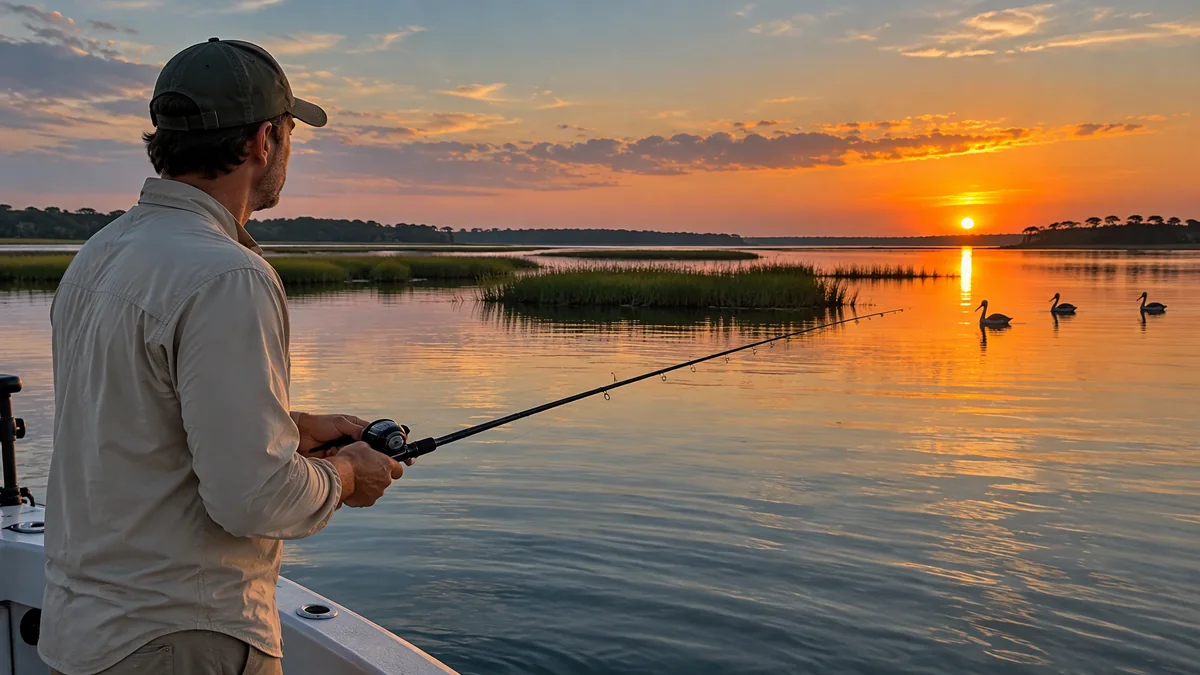
In a bay the tide comes first. Fish points, channel edges, grass flats and passes while current moves, for redfish, speckled trout, flounder and snook.
Surf fishing needs a 9-to-12-foot spinning rod, a simple bottom rig, and the ability to read sandbars and cuts so you cast where fish feed in the wash.
Offshore fishing starts with a seaworthy boat, a weather check and heavy tackle, then finding fish on open water by trolling or bottom fishing.
Inshore saltwater means bays, estuaries, creeks and grass flats you can reach by boat, kayak, pier or wading, and the tide decides when fish eat.