Best Baits for Surf Fishing
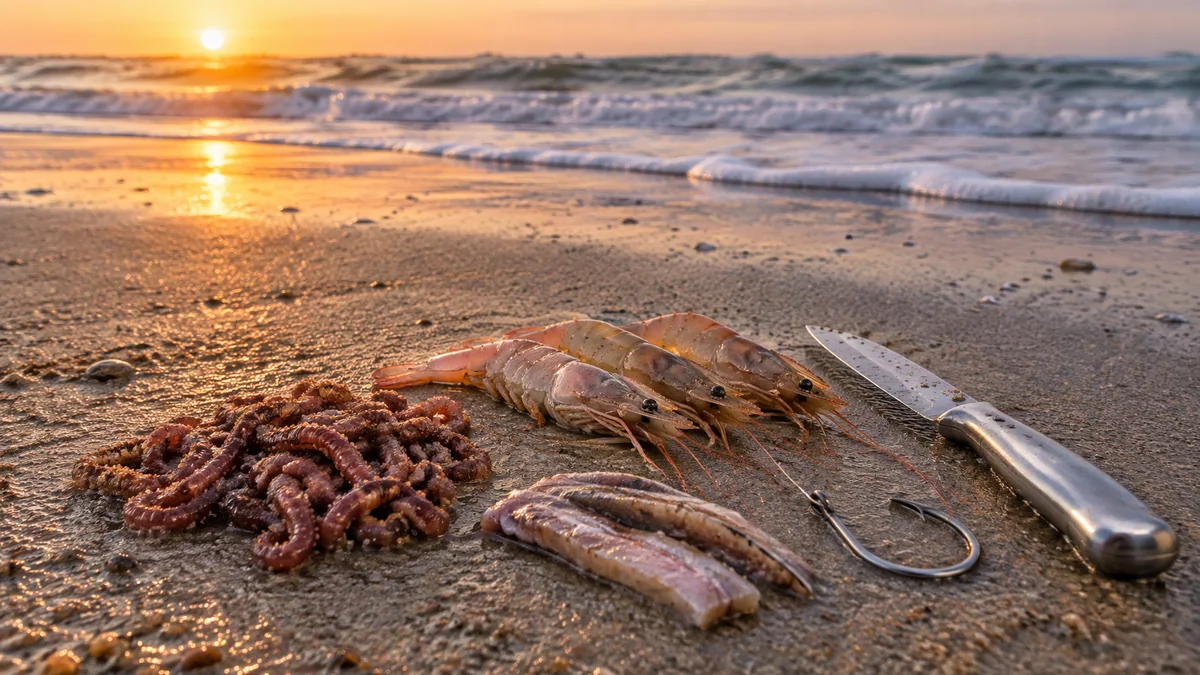
Sand fleas, shrimp, cut mullet and bunker stay on the hook through the wash and still look like food. How to rig them and read the troughs.
The archive
233 field notes, newest first. Every entry was fished before it was published.
Sand fleas, shrimp, cut mullet and bunker stay on the hook through the wash and still look like food. How to rig them and read the troughs.
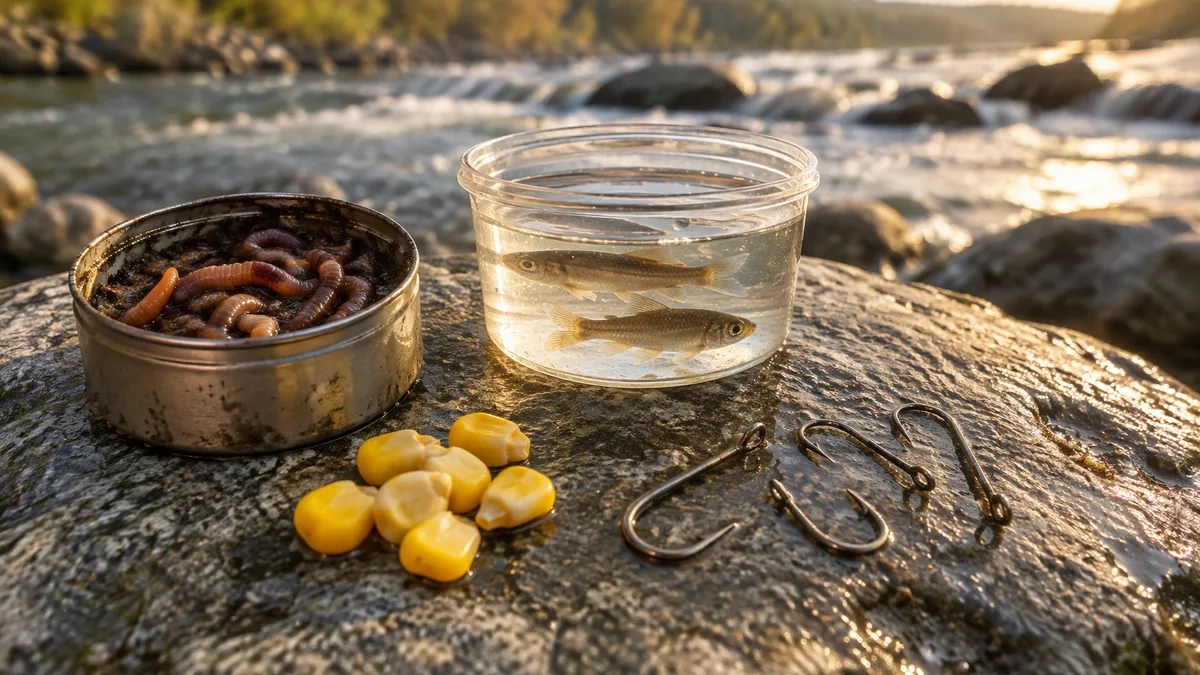
River fish face upstream and let current bring food, so bait has to drift naturally. Nightcrawlers, minnows, cut bait and plastics, rigged for flow.
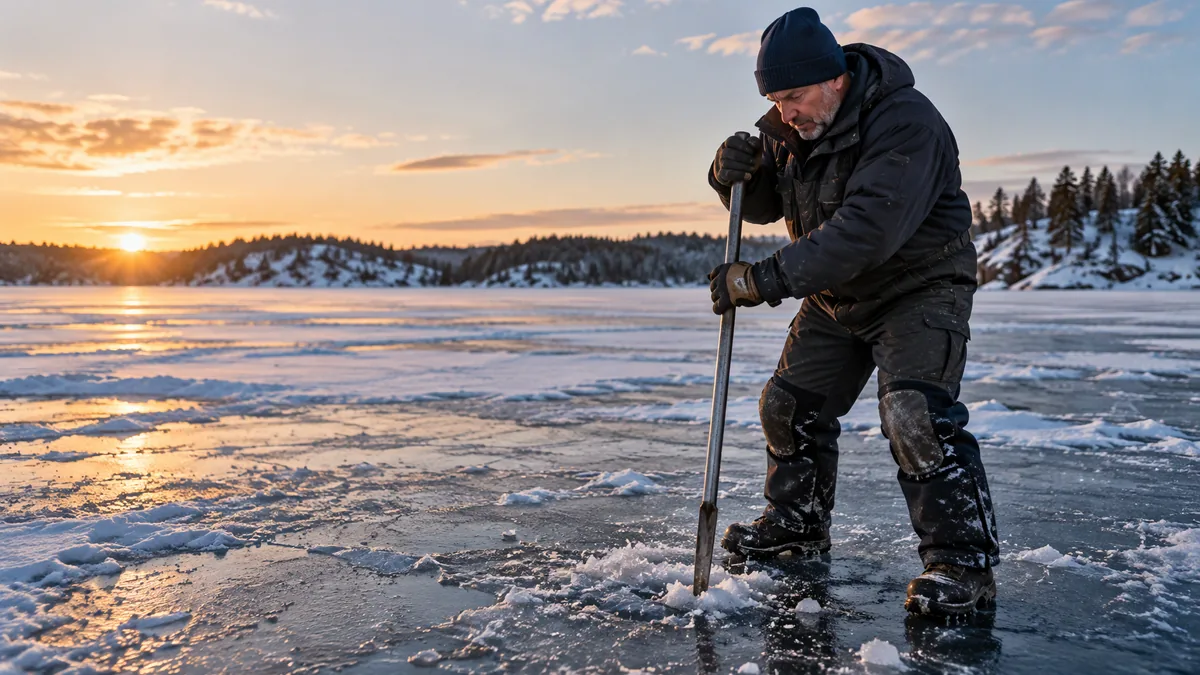
No ice is guaranteed safe. Measure thickness instead of guessing, know where thin ice hides, and carry the gear that buys you the first minute.
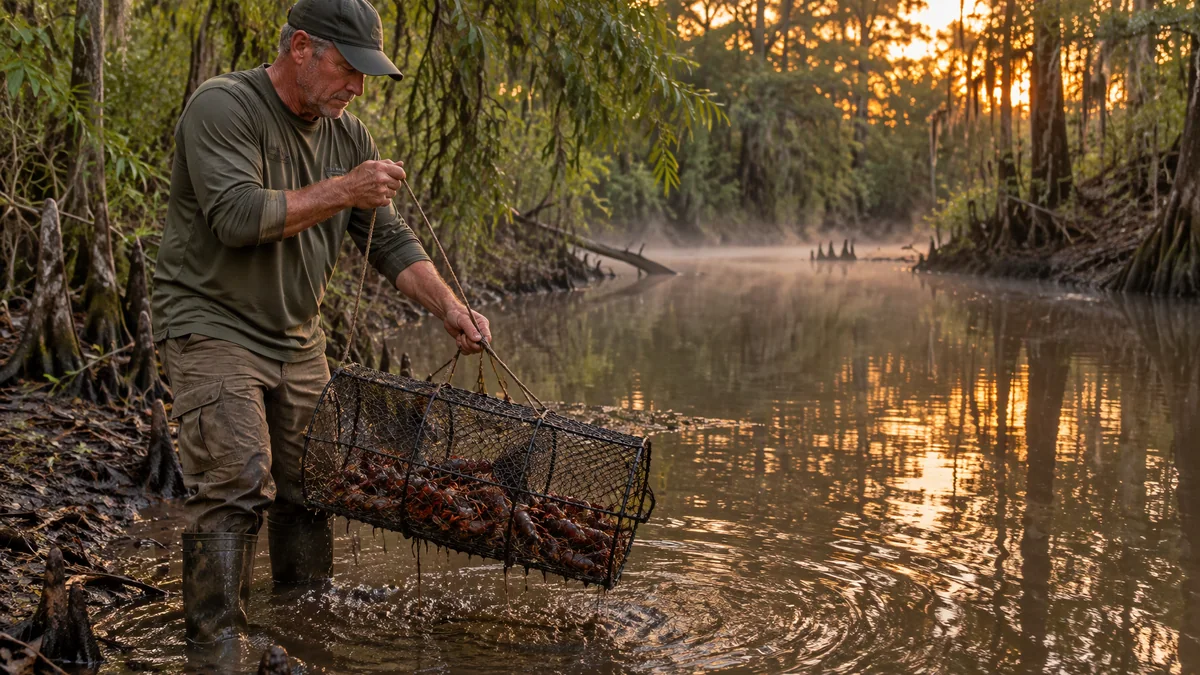
Find slow shallow water with mud and cover, bait it, and give crawfish time. Cheap traps and nets, soak times, plus rules on moving live crawfish.
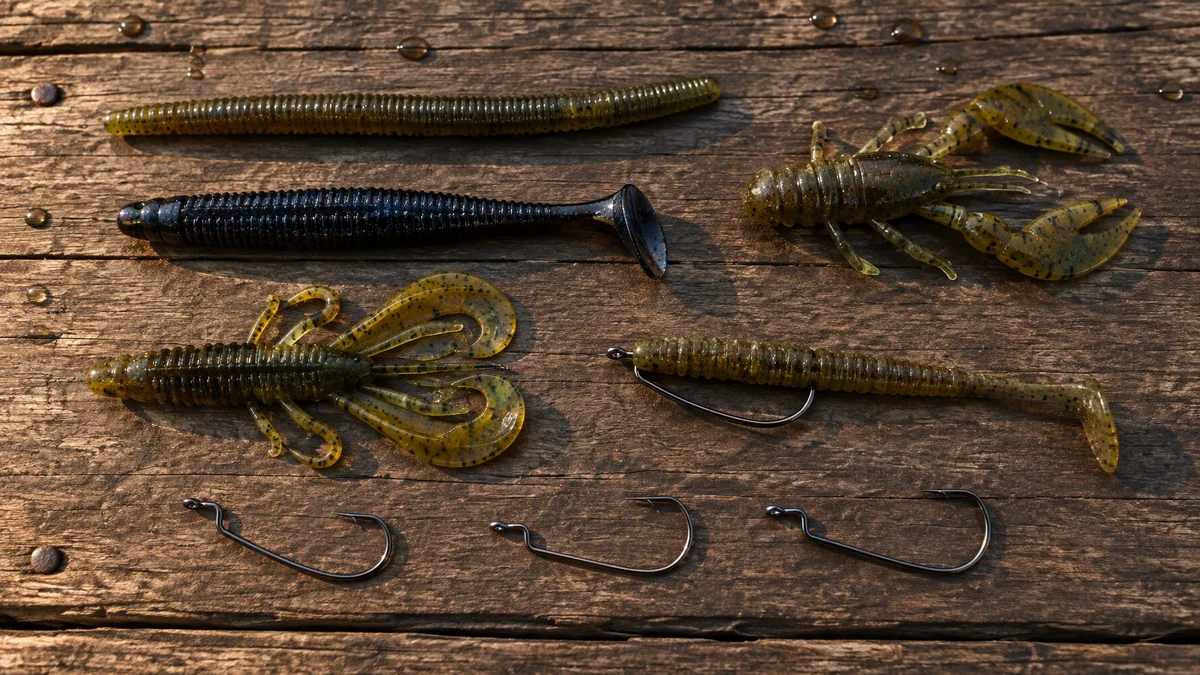
One soft plastic becomes a worm, baitfish, craw or shrimp depending on hook, weight and retrieve. How to rig each shape for cover and current.
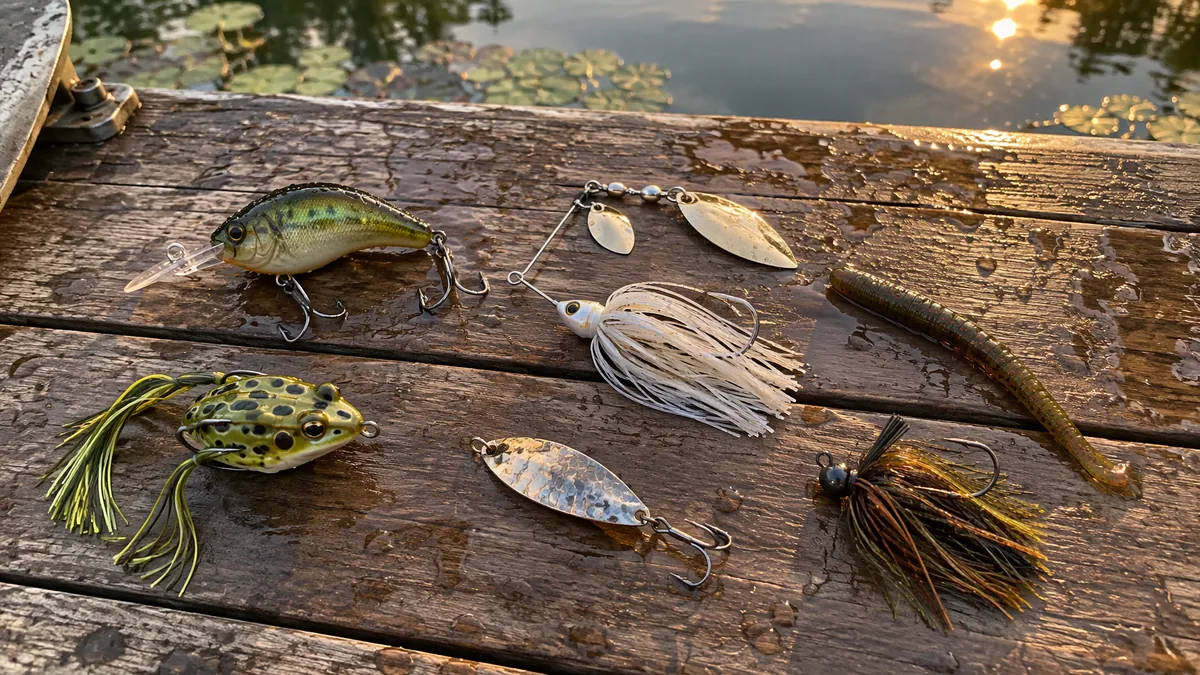
Ponds are small, shallow and pressured, so natural profiles beat flash. Five lure families for bass, bluegill and crappie, and when live bait wins.
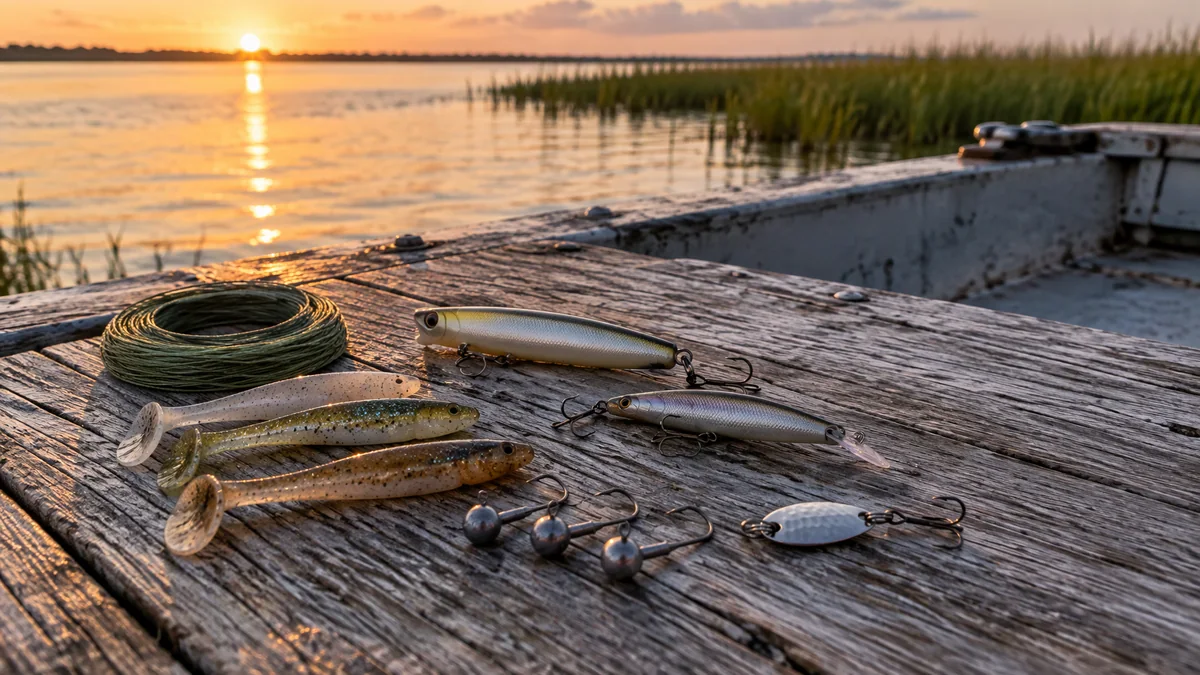
Soft plastics on jigheads, topwater plugs, twitchbaits and spoons for redfish, seatrout, flounder and snook, matched to tide, depth and clarity.
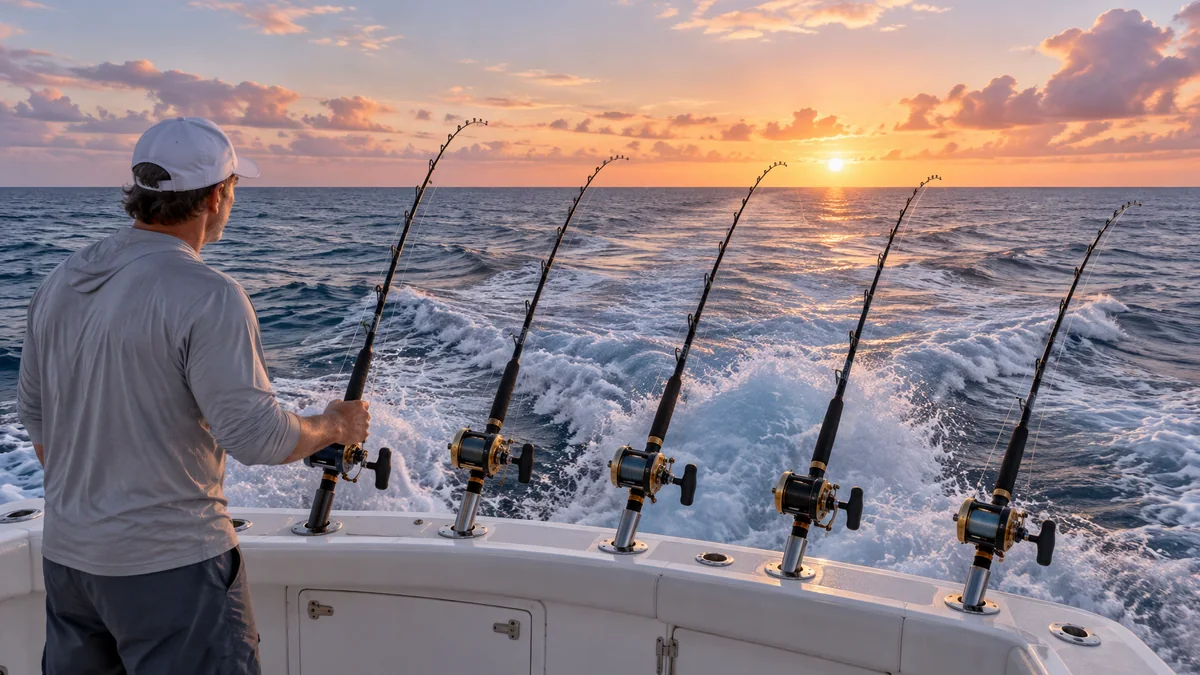
Drag a spread instead of anchoring: how to set baits in clean water, tune speed to tuna, mahi and billfish, and find the breaks and weed lines.
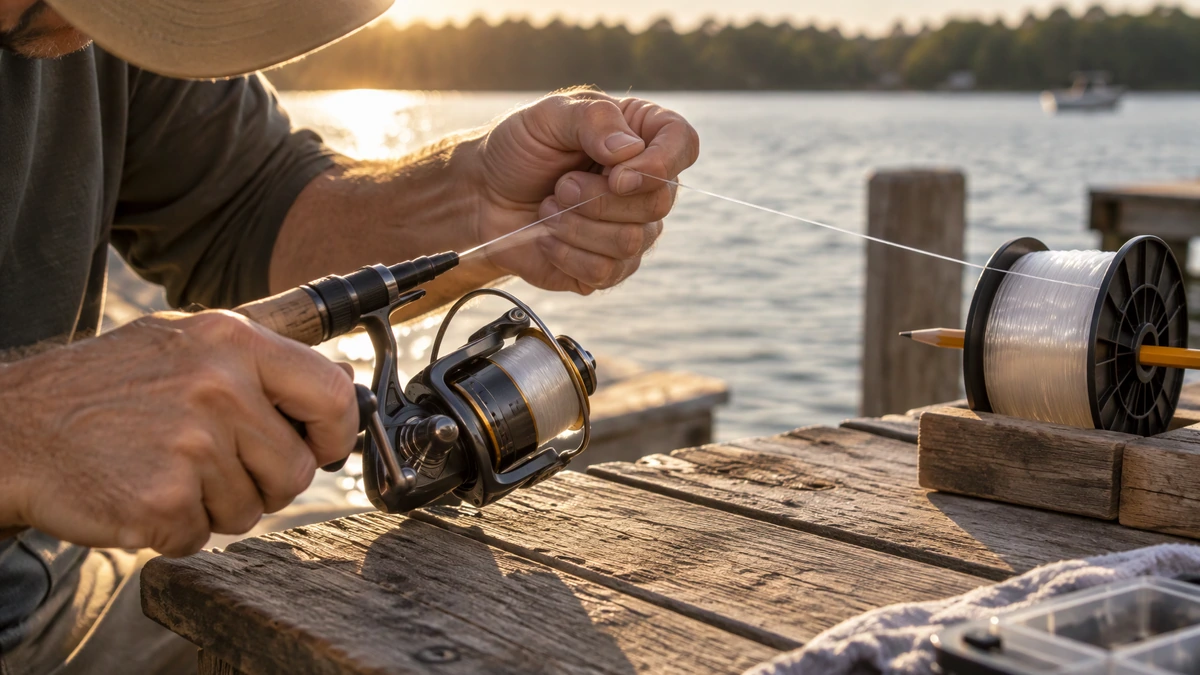
Line remembers how it went on. Which way it comes off the filler spool, how much tension and backing, and how full to fill before wind knots start.
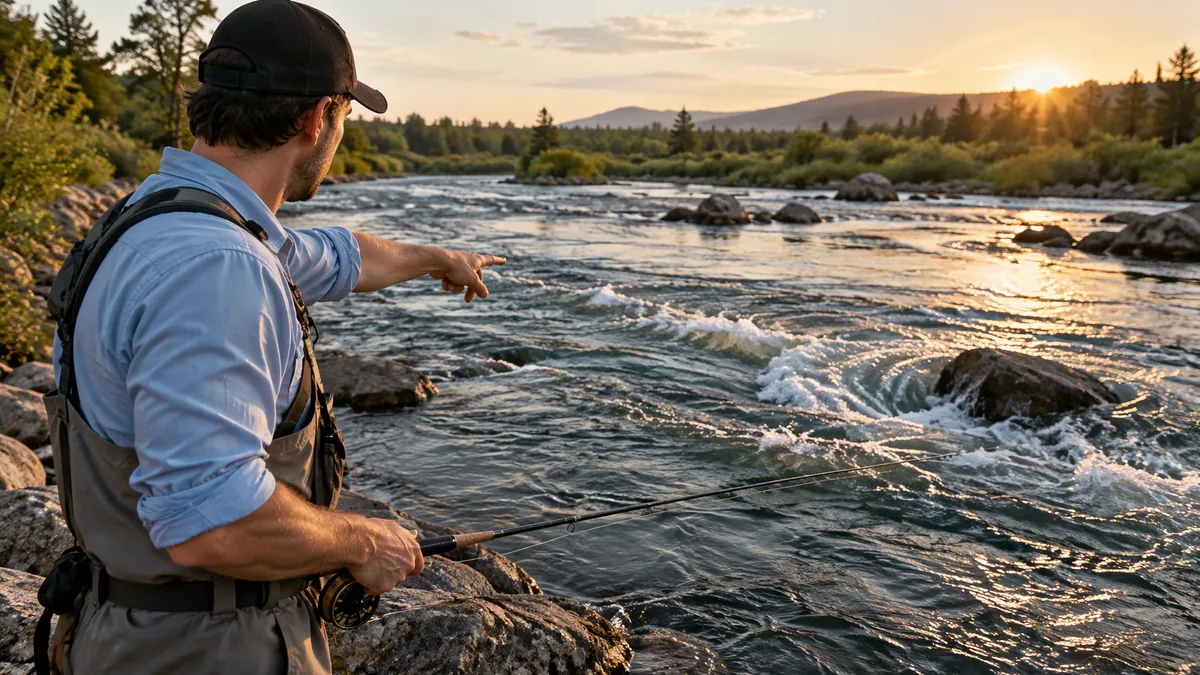
A river is never one speed. Riffles, seams, eddies and current breaks tell you where trout, bass and walleye hold, and where to cast.
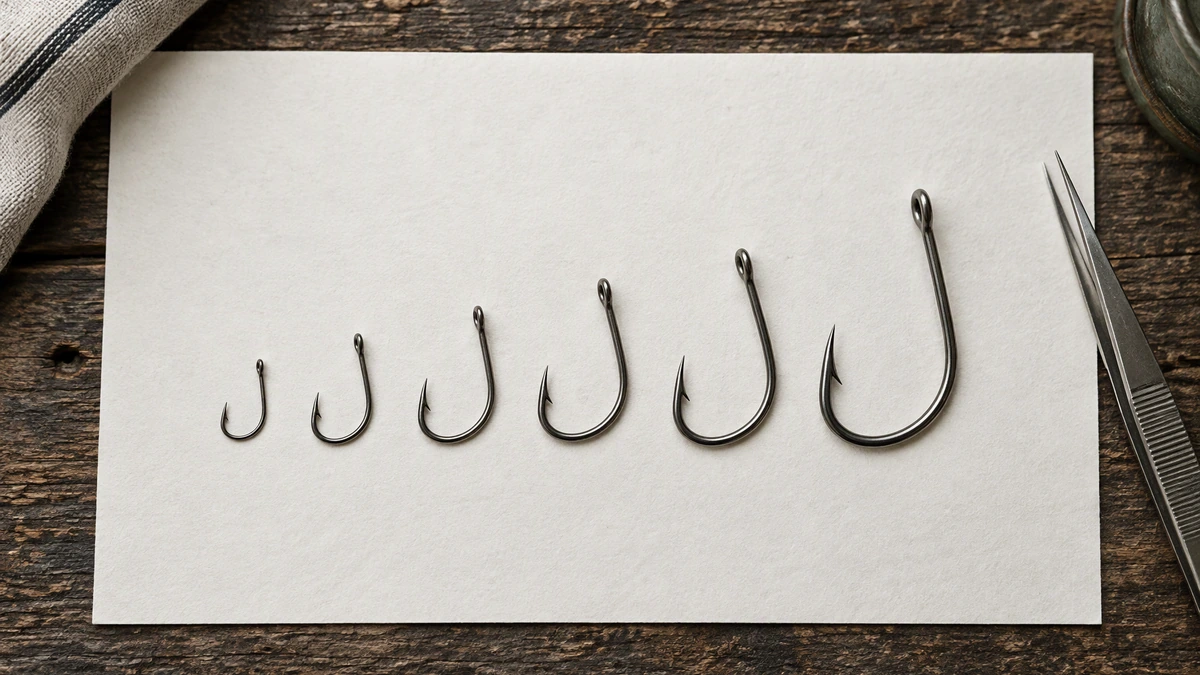
Hook numbers run backward: a size 1 is bigger than a size 8, and 1/0 bigger still. How the scale works, and why gape and wire beat the number.
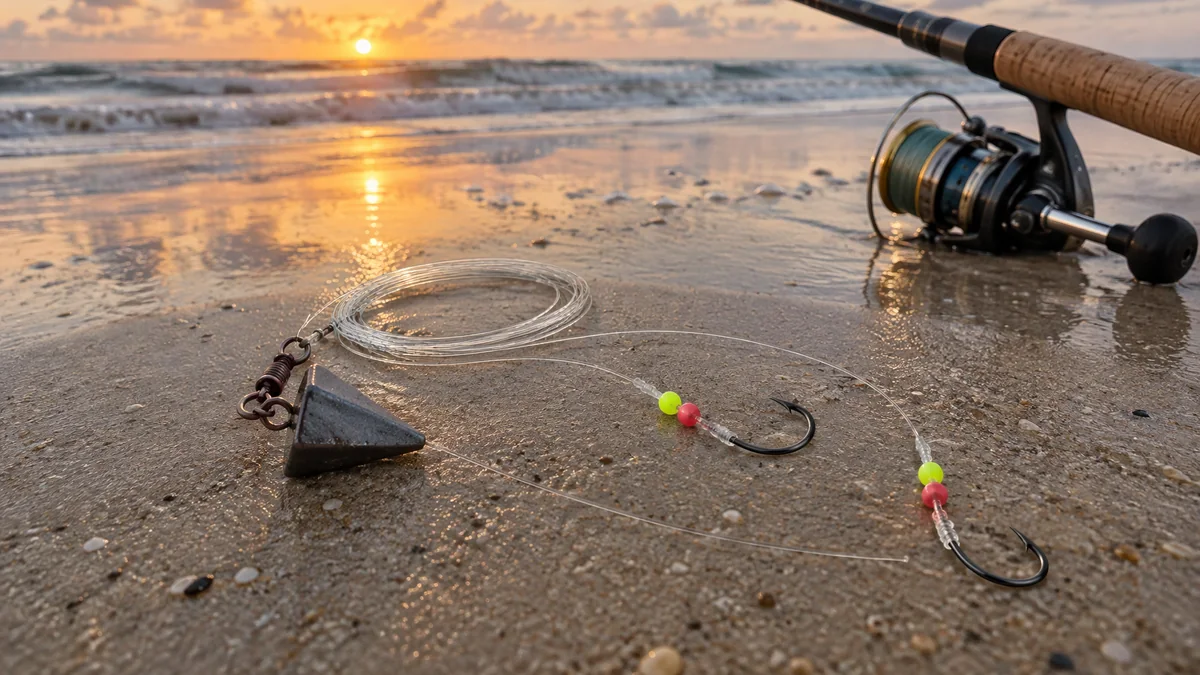
Fish finder, high-low, Carolina and pompano rigs that reach past the shorebreak, hold bottom in current, and present bait a fish can eat.