Field notes
How to Rig a Slip Sinker
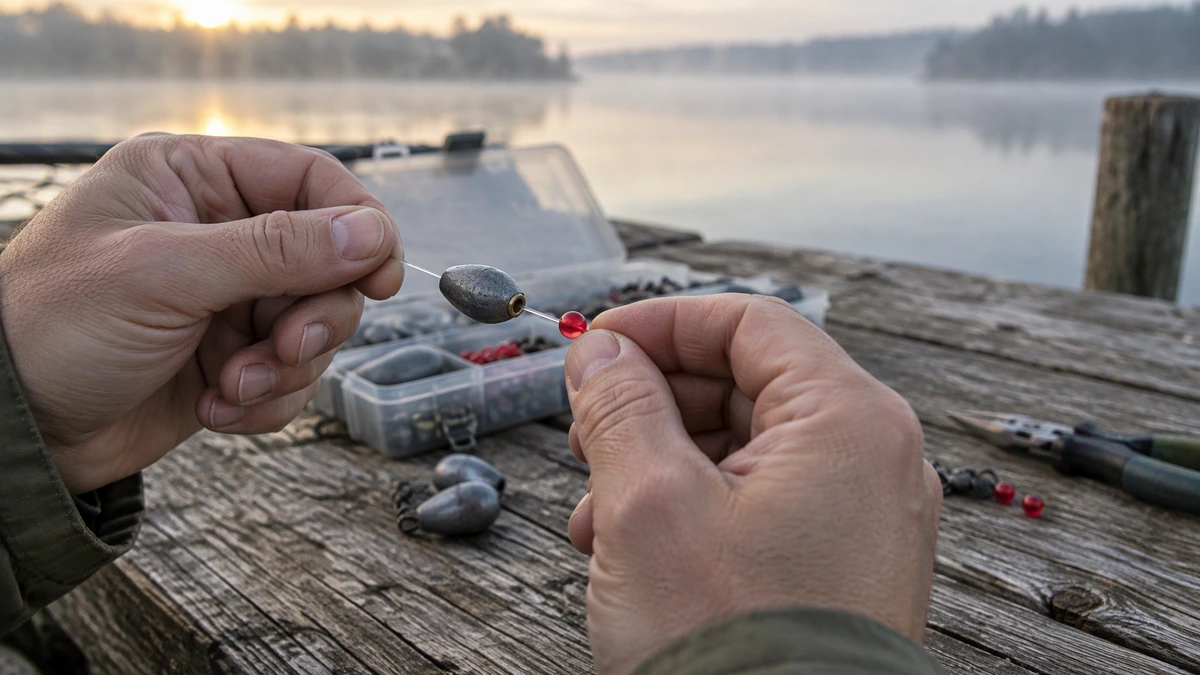
How to Rig a Slip Sinker
A slip sinker rig is one of the simplest and most effective bottom-fishing setups an angler can tie. An egg or bullet-shaped weight slides freely on the main line above a bead and swivel, with a leader and hook below. Because the line runs through the sinker, a fish can pick up the bait and swim off without feeling the weight, and you feel the take through the line rather than through a fixed chunk of lead. That makes it a natural choice for catfish, carp, walleye, and bass, and for any situation where fish are pressured or wary. This guide covers the parts, the exact tying steps, how to fish it, and the variations worth knowing.
What a Slip Sinker Rig Is and When to Use It
The defining feature of a slip sinker rig is the sliding weight. The main line passes through the center of an egg or bullet sinker, so the sinker can move up and down the line instead of being fixed in place. A bead above the sinker protects the knot, and a swivel connects the main line to a leader and hook.
When a fish takes the bait, it can move off a short distance before it feels any resistance, because the line slides through the sinker. That brief free run is why the rig works so well on cautious fish. It is also why bite detection comes from watching the line and rod tip rather than waiting to feel a heavy pull.
Use it any time you are fishing on the bottom with bait: catfish in rivers and lakes, carp on prepared baits, walleye with minnows or crawlers, bass with live bait, and even surf species on a fish-finder version of the same idea.
The Parts You Need
Keep the components simple. You need a sinker, a bead, a swivel, a leader, and a hook.
- Sinker. An egg sinker is the classic choice; a bullet weight works when you want a more streamlined profile. Weight depends on depth and current — light for shallow, calm water and heavier for deep water or flow. A quarter-ounce to one ounce covers many situations, with heavier weights for strong current.
- Bead. A small bead above the sinker protects the knot from the sliding weight and can add a subtle click as the sinker taps it. A glass bead makes a little more noise.
- Swivel. A barrel swivel connects the main line to the leader and helps prevent line twist.
- Leader. A length of fluorocarbon or monofilament between the swivel and hook. Fluorocarbon adds abrasion resistance and low visibility around rock and wood.
- Hook. Match the hook to the bait and target. A circle hook is a strong choice for catfish because it hooks in the corner of the mouth and is easy to release; an octopus or wide-gap hook works for many other species. Fishing hook sizes helps with sizing.
An optional bobber stop above the sinker limits how far it can slide, which is useful when you want the weight to stay close to the bait.
Step by Step: Rigging a Slip Sinker
The whole rig takes a few minutes and two knots.
- Thread the sinker onto your main line first, pointed end toward the rod for a bullet weight.
- Slide a bead onto the line above the sinker.
- Tie the main line to one eye of the barrel swivel. A Palomar or improved clinch knot both work well; wet the knot before tightening and test it with a firm pull.
- Tie your leader to the other eye of the swivel.
- Tie the hook to the end of the leader with a Palomar or clinch knot.
- Optional: add a bobber stop above the sinker if you want to limit its travel.
- Bait the hook and check that the sinker slides freely on the main line.
The order matters: the sinker and bead go on the main line before the swivel, because the swivel is too large to pass through the sinker. If you want to compare knot options, the fishing knots category has step-by-steps for the common ones.
How to Fish a Slip Sinker Rig
The rig is simple; fishing it well is about line control and patience.
Cast to your spot and let the sinker fall to the bottom. Tighten the line just enough to feel the sinker land, then watch the line where it enters the water and keep an eye on the rod tip. Because the weight slides, a bite often shows as the line moving off, going slack, or twitching rather than as a heavy pull.
When a fish takes the bait, give it a moment. With a circle hook, do not strike hard — reel down until the line comes tight and let the hook set against the fish's weight as it turns away. With a standard hook, reel down to remove slack and sweep the rod to set the hook. Setting the hook on a slack line is the most common reason for a missed fish.
In current, use enough weight to hold the bottom without pinning the bait. Let the sinker roll along the bottom so the bait moves naturally, and check your bait after every drift or cast. How to fish a river and how to read current cover the presentation side in more depth.
Simple Variations
The slip sinker is a component, so it shows up in several rigs.
- Carolina rig. A slip sinker, bead, and swivel with a long leader and a soft plastic is the Carolina rig, a bass staple. Carolina rig basics covers it in full.
- Texas-style bottom rig. A bullet weight above a worm hook, often pegged in place, is the Texas rig family. How to tie a Texas rig walks through it.
- Fish-finder surf rig. The same sliding-sinker principle holds bait in the surf while letting a fish run. Best surf fishing rigs compares it with other surf setups.
- Slip float rig. A float that slides on the line is a different rig with a similar name, used to suspend bait at a set depth.
Common Mistakes
- No bead above the sinker. The sliding weight can wear and damage the knot or swivel. Always use a bead.
- Sinker too heavy or too light. Too heavy and the bait pins in place; too light and it will not hold bottom in current.
- A sinker that does not slide. Old, kinked line or a sinker hung on the knot defeats the whole design. Check that the weight moves freely.
- Fishing with slack line. You cannot detect a bite you cannot see or feel. Keep a slight bow out and watch the line.
- Hard hooksets with circle hooks. Striking hard pulls a circle hook out of the corner of the mouth. Reel down and let the hook set.
- Wrong hook size for the bait. Too small and it cannot gap past the bait; too large and the bait tears apart. Match hook to bait.
FAQ
What size slip sinker should I use? Match it to depth and current. A quarter-ounce to one ounce covers most lake and river bottom fishing; go heavier in strong current or deep water and lighter in shallow, calm water.
What is the difference between a slip sinker rig and a Carolina rig? A Carolina rig is a slip sinker rig with a long leader and a soft plastic bait. The sliding sinker, bead, and swivel are the core of both; the Carolina rig just adds length and a plastic presentation.
Can I use a slip sinker rig for bass? Yes. It works with live bait and soft plastics, and it is the foundation of the Carolina rig. Bass take it well around rock, wood, and deeper structure.
Do I need a swivel on a slip sinker rig? Not strictly, but a swivel reduces line twist and gives you a clean connection between the main line and leader. Most anglers use one.
What hook is best for catfish on a slip sinker rig? A circle hook is the standard. It hooks catfish in the corner of the mouth, holds well, and makes release easy.
For more bottom-fishing setups, see best baits for river fishing, then target channel catfish, carp, walleye, or largemouth bass. Browse the Rigs & Terminal Tackle category for related rigs.
About the author and how this was tested
About the author
FishermanGuy
Bank, boat and kayak angler · fishing, crabbing and shrimping since 2021
I buy the gear, fish it for a season and write down what failed. No sponsored verdicts, no free-sample flattery. Every rig on this page has landed fish in water I can point at on a map.
How this was tested
- Every rig gets at least six trips on the same water before it is published.
- Gear is bought at retail. Free samples are labelled in the first paragraph.
- Dates show first publication and the last time the page was updated.