Field notes
How to Catch Largemouth Bass: Tactics, Baits & Timing
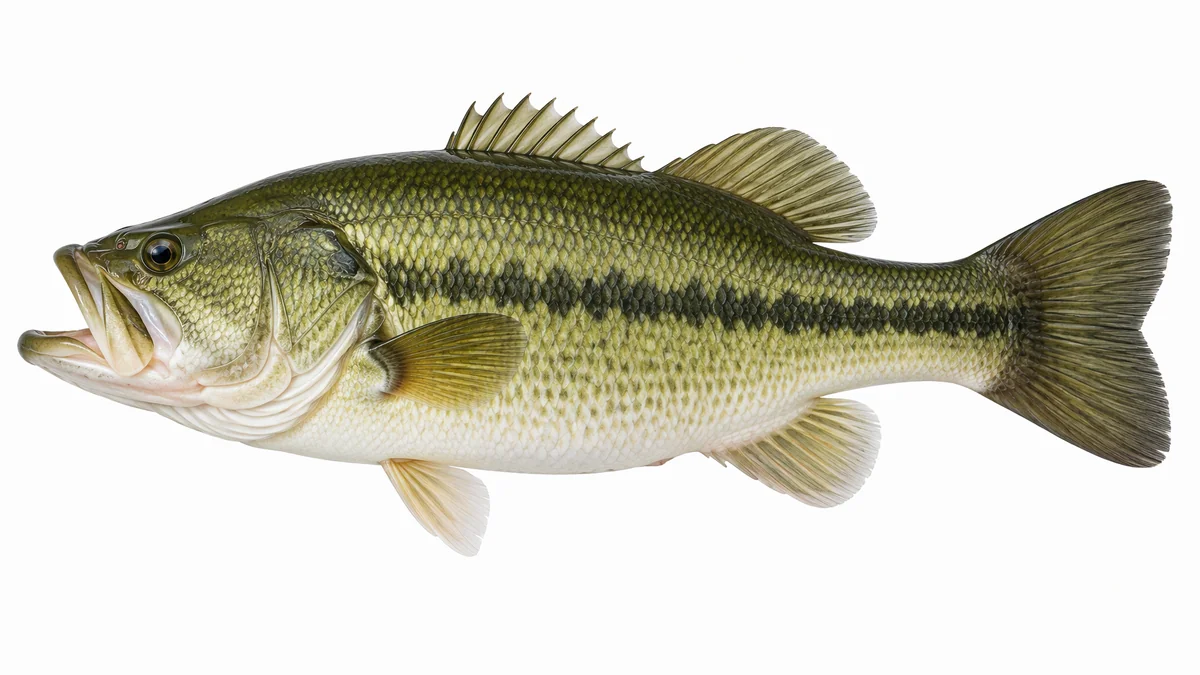
How to Catch Largemouth Bass
Largemouth bass are the most pursued freshwater game fish in North America, and the reasons are easy to see. They hit topwater lures with a violence that startles even experienced anglers. They live in ponds, reservoirs, rivers, and roadside ditches. And they are catchable on a five-dollar lure or a live worm. If you want to learn how to catch largemouth bass, the short answer is to find cover, match the season, and slow down when the fish are pressured. The longer answer fills the rest of this guide. Read the full Largemouth Bass species profile for identification, range, and biology; here we focus on the fishing.
Best Time to Catch Largemouth Bass
Timing decides more bass trips than tackle does. A good lure fished at the wrong hour loses to a plain worm fished at the right one.
Spring is the headliner. As water climbs through 55°F, bass leave deep winter holes and stage on flats, points, and secondary cover near spawning bays. When the surface holds 60–70°F (15–21°C), males fan beds in shallow water and guard them with real aggression. That defense response is why spring produces big numbers. Fish the beds carefully and release quickly.
Summer splits the day. In the low-light window at dawn and again at dusk, bass roam shallow weed edges and shade lines. Once the sun is high and the water passes the low 80s, most fish slide to deeper structure, offshore humps, and thermocline edges. The middle of a hot day is not hopeless; it just demands a different approach, usually a deep jig or a big worm on structure.
Fall is the feeding season. As water cools back through the 60s and into the 50s, bass follow shad and other baitfish into creeks and onto flats. Fish put on weight before winter, and they hit moving baits hard. This is the best time of year to cover water with a spinnerbait or a lipless crankbait.
Winter is slow but honest. Bass group on deep ledges and creek channels, feed little, and respond to finesse. A blade bait, a small jig, or a drop-shot fished painfully slowly can still produce. Water in the 40s means long pauses and light line.
Across all seasons, weather matters. A stable barometer and an overcast sky usually beat a bluebird day after a cold front. Largemouth feed well from about 60°F to 80°F (15–27°C), with peak feeding near 77°F, and they largely shut down below 50°F. Dawn and dusk remain the safest bets on any water.
Best Gear for Largemouth Bass
You do not need a rod locker to catch bass, but you do need tackle matched to the technique. A medium-heavy baitcasting outfit handles most bass fishing.
| Component | Bass-ready choice |
|---|---|
| Rod | 7 ft medium-heavy baitcaster; add a 6 ft 6 in medium spinning rod for finesse |
| Reel | 6.4:1 to 7.3:1 baitcaster; 2500-size spinning reel |
| Main line | 30–50 lb braid in grass and heavy cover; 12–17 lb fluorocarbon around wood and rock |
| Leader | 8–12 lb fluorocarbon for clear, pressured water |
| Hooks | 3/0–5/0 extra-wide-gap offset worm hooks; 3/0–4/0 flipping hooks |
| Terminal | 1/8–1/2 oz tungsten weights; 3/8–1 oz jigs |
Braid gives you hook-setting power through slop and lets you feel a worm crawl over a log. Fluorocarbon sinks, disappears in clear water, and shrugs off abrasion. Many anglers run braid to a fluorocarbon leader and get both. Use a medium spinning rod when the bite is tough: lighter line, smaller baits, and a softer tip keep finicky fish interested.
Carry basic tools: hook cutters, long-nose pliers, a rubber-mesh net, and a scale. Bass have sharp gill plates and a habit of shaking treble hooks into fingers.
Best Bait for Largemouth Bass
Bass eat crawfish, baitfish, frogs, insects, and just about anything else that fits in a mouth that opens past the eye. Match that menu.
Natural bait still works where it is legal. Live shiners under a float, crayfish on the bottom, and nightcrawlers on a hook all catch bass. They are a strong choice for kids and for ponds with heavy fishing pressure.
Artificial lures cover water and last longer. The categories below handle most situations.
- Stickbaits and worms. A 5-inch Senko-style stickbait rigged weightless is the classic do-nothing lure; it shimmies on the fall and triggers bites from pressured fish. A 7–10 inch ribbon-tail worm on a Texas rig is the standard for deep structure.
- Craw-style plastics. A 3.5–4 inch craw trailer on a 3/8–1/2 oz jig imitates the crayfish bass eat on rocky and gravel bottoms.
- Crankbaits. A squarebill 1.5 runs 3–5 feet and deflects off shallow wood and rock. A deep diver reaches 8–15 feet for ledges and points.
- Spinnerbaits. A 3/8–1/2 oz spinnerbait with willow and Colorado blades is a fall and spring search bait; burn it over grass or slow-roll it past cover.
- Topwater. Poppers, walking baits, and hollow-body frogs shine at dawn, dusk, and over shallow grass in summer. The strike is the payoff.
- Jigs. A 1/2–3/4 oz football jig dragged over deep rock and shell beds catches big fish in summer and winter.
Color is simpler than the tackle aisle suggests: shad patterns, craw colors, and black-blue for low light. Size usually matters more than shade.
Largemouth Bass Rigs That Work
A rig is just a bait, a hook, and a weight arranged to solve a problem. These four cover the field.
Texas rig. Slide a 1/8–1/2 oz bullet weight onto the main line, add a bead, tie on a 3/0–5/0 offset hook, and rig a worm or craw Texas-style so the point is buried. It is weedless, casts well, and goes anywhere. Drag it, hop it, or let it fall on slack line.
Carolina rig. Thread a 1/2–1 oz egg sinker above a swivel, tie an 18–36 inch leader to a hook, and fish a floating worm or craw behind it. The weight stirs bottom while the bait trails above it. It is a deep-water search rig for points, humps, and flats.
Drop shot. Tie a hook 12–24 inches above a drop-shot weight and nose-hook a small worm. The bait hangs in place while you shake the rod tip. It is the answer for suspended, pressured bass and for clear water.
Wacky rig. Hook a stickbait through the middle, often with a small O-ring, and let it fall. The ends flutter. It is deadly on spawning and post-spawn fish and easy for beginners to fish.
Add a flipping jig for punching grass and a swimbait for hunting big fish, and you can fish almost any water in the country.
How to Fish for Largemouth Bass, Step by Step
- Read the water first. Look for edges: weed lines, shade, current seams, rock transitions, and docks. Bass relate to edges because bait does.
- Approach quietly. Kill the trolling motor early, avoid banging the boat, and cast before you get close. Big bass spook from vibration.
- Cast past the target. Land the lure beyond the cover and bring it through, rather than dropping it on the fish's nose.
- Match the retrieve to the season. Fast moving baits in warm, low-light conditions; slow bottom baits in cold or bright, pressured water.
- Watch the line, not just the lure. A bass often takes on the fall. If the line jumps, stops, or moves sideways, set the hook.
- Set the hook correctly. Sweep the rod for single-hook plastics and jigs; for treble-hook baits, lean into the fish with a steady reel-set rather than a violent snap.
- Land and release with care. Wet your hands, support the belly, and keep the fish out of the water briefly. A bass held by the jaw alone and bent horizontal can be injured.
The most common beginner error is fishing too fast in cold water. When the bite is tough, halve your speed and double your pauses.
Where to Catch Largemouth Bass
Where to catch largemouth bass depends on the season, but some spots produce year-round.
- Weed edges and lily pads. Classic summer and spring cover. Fish the outer edge, then punch through matted grass.
- Docks and pilings. Shade, structure, and bait in one place. Skip worms and jigs under low docks.
- Laydowns and brush. Bass tuck into the limbs. Pitch a Texas rig into the middle and work it out.
- Points and humps. Offshore structure holds summer and winter fish. Use electronics to find the drop-off and the bait.
- Creek channels and river bends. Current concentrates bait. Fish the inside edge and any wood in the bend.
- Rock and riprap. Warm rocks attract crawfish and bass, especially in spring and fall.
In ponds and small lakes, walk the bank and cast parallel to cover. In big reservoirs, let sonar and a lake map narrow the water before you start casting.
Largemouth Bass Regulations and Safety
Every state requires a fishing license, and bass rules vary by water. Many lakes enforce a minimum length of 12–15 inches, and some use slot limits that protect a middle size range while allowing smaller and larger fish to be kept. Spawning-season restrictions and catch-and-release zones are common on pressured waters.
Rules come from state agencies, not from the lake signs alone. In Texas, check the Texas Parks and Wildlife Department; in Florida, the Florida Fish and Wildlife Conservation Commission. Other states publish annual regulation booklets online. Do not assume a rule from one lake applies to the next.
Handle bass with wet hands and a rubber net. Support the body, keep the jaw grip vertical if you use one, and return fish quickly in hot weather. Treble hooks cause most bass-fishing injuries, so carry cutters and watch fingers during a shake. Last verified: November 2025.
Common Mistakes and Largemouth Bass Fishing Tips
- Fishing last week's pattern. Bass move with water temperature, bait, and light. If the bite died, change depth or speed before you change lakes.
- Line too heavy for clear water. In pressured, clear lakes, dropping from 17 lb to 8–10 lb fluorocarbon often turns follows into bites.
- Skipping the deep bite in summer. When the shallows go quiet at midday, deep structure is where the fish went.
- Setting the hook too early on topwater. Wait until you feel weight before you swing. A splash is not a hookup.
- Ignoring the fall. Many bass eat a plastic as it drops. Watch the line on every cast.
- Loud approach. Sloppy boat control and banging tackle shut down shallow fish fast.
- Bad knots and dull hooks. Retie after abrasion and sharpen or replace hooks. A good bass lost to a worn knot is a self-inflicted wound.
- Keeping every fish. Selective harvest and quick release keep bass populations healthy and the fishing good.
FAQ
What is the best time to catch largemouth bass? Spring, when water reaches 60–70°F and fish spawn shallow, is the easiest window. In summer, dawn and dusk beat midday. Fall is the best season for fast, aggressive feeding.
What bait for largemouth bass works best? For numbers, a 5-inch stickbait or a Texas-rigged worm covers most situations. For big fish, a jig with a craw trailer or a swimbait is hard to beat. Live shiners work where bait is legal.
What are the best largemouth bass fishing techniques for beginners? Start with a wacky-rigged stickbait or a Texas rig around visible cover. Cast past the target, watch the line on the fall, and set the hook when you feel weight.
How do you catch bass in summer? Fish low light in the shallows and deep structure during the day. Target weed edges at dawn, then move to points, humps, and creek channels with a jig, deep crankbait, or big worm.
Where can you catch largemouth bass? Ponds, lakes, reservoirs, and slow rivers across North America. Look for weed edges, docks, laydowns, rock, and offshore structure. In small water, fishing parallel to cover works well.
What is the best largemouth bass rig? The Texas rig is the most versatile: weedless, castable, and effective on worms and craws. Add a drop shot for pressured fish and a Carolina rig for deep structure.
Learning how to catch largemouth bass is mostly a matter of paying attention. Find the edge, match the season, slow down when the fish are pressured, and the bass will tell you what they want.
Related Articles
- How to Catch Bluegill — the panfish that shares bass water and makes a great backup plan.
- How to Catch Crappie — brush-pile tactics for another warm-water favorite.
- Smallmouth Bass — the bronze cousin of the largemouth, built for current.
- Spotted Bass — a southern reservoir bass that looks like a largemouth with spots.
- All species profiles
About the author and how this was tested
About the author
FishermanGuy
Bank, boat and kayak angler · fishing, crabbing and shrimping since 2021
I buy the gear, fish it for a season and write down what failed. No sponsored verdicts, no free-sample flattery. Every rig on this page has landed fish in water I can point at on a map.
How this was tested
- Every rig gets at least six trips on the same water before it is published.
- Gear is bought at retail. Free samples are labelled in the first paragraph.
- Dates show first publication and the last time the page was updated.