Field notes
How to Catch Bluegill: Simple Rigs for Fast Panfish Action
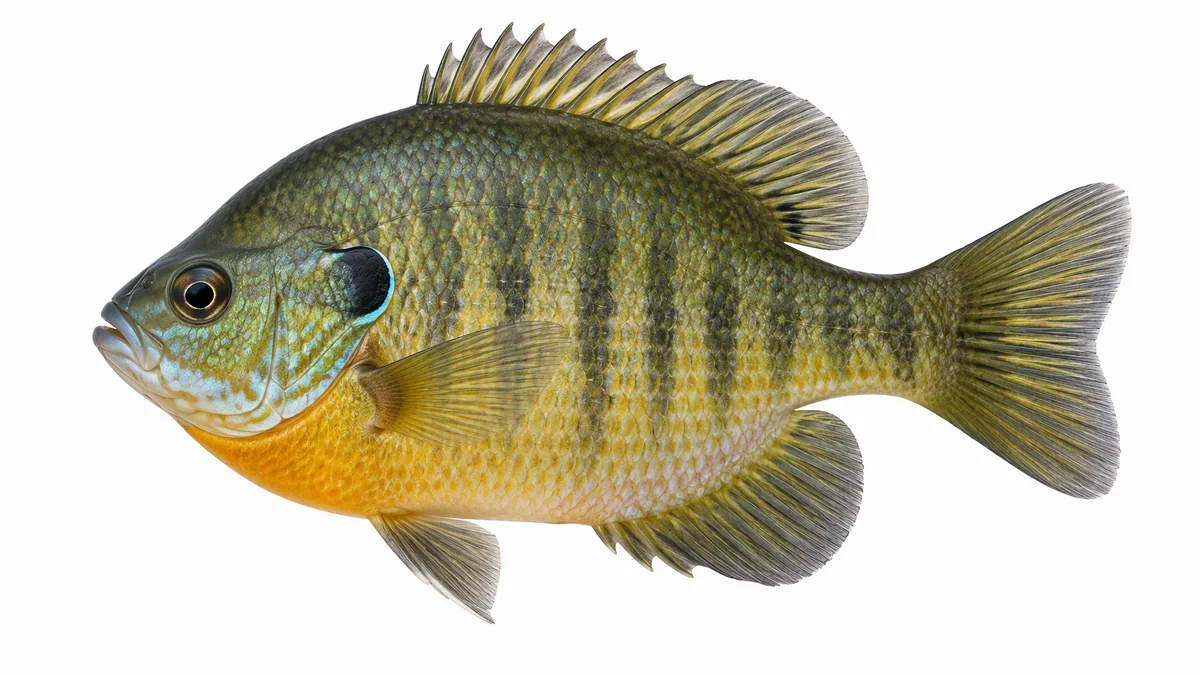
How to Catch Bluegill
Bluegill are the first fish many anglers ever catch, and plenty of experienced ones still chase them on purpose. They are everywhere, they are willing, and they fight far above their size on light tackle. If you want to know how to catch bluegill, the answer is refreshingly simple: find shallow cover, use a small hook and a natural bait, and watch the float. This guide covers timing, tackle, bait, rigs, locations, and the small details that turn a few fish into a busy afternoon. Read the full Bluegill species profile for identification and biology.
Best Time to Catch Bluegill
Bluegill bite almost year-round, but they bite best in warm water. Their feeding peaks between about 65°F and 80°F (18–27°C). As water climbs through the 60s in spring, fish move shallow and feed heavily. That pattern holds through summer.
Spring to early summer is the prime window. When water reaches 70–80°F (21–27°C), bluegill spawn in shallow colonies. Males fan saucer-shaped nests in sand or gravel, often in water only one to three feet deep, and guard them aggressively. A small lure or bait dropped near a bed usually gets hit.
Summer keeps fish shallow early and late, with a midday slide to deeper weed edges and shade. The biggest bluegill often sit a little deeper than the small ones, so try the outer edge of a weed bed. Fall brings fish back to the shallows to feed before winter, and they stay catchable until water drops into the 40s. Winter pushes them deep, but they still feed; you just need to slow down and fish small.
Time of day matters less than it does for bass. Bluegill feed throughout the day, though dawn and late afternoon are best in clear, sunny water. Overcast days can be excellent all day. After a warm rain, shallow bays come alive.
Best Gear for Bluegill
Bluegill tackle is light and cheap, and that is part of the appeal. A small spinning rod, a few floats, and a pack of hooks will get you started.
| Component | Bluegill-ready choice |
|---|---|
| Rod | 5–7 ft ultralight or light spinning rod |
| Reel | 1000–2500 size spinning reel |
| Main line | 4–6 lb monofilament or 6–8 lb braid to a light leader |
| Hook | Size 6 to 10 bait hook or small jig hook |
| Float | Small slip float or clip-on bobber |
| Extras | Split shot, forceps, small bait container |
Light line is not a gimmick. Bluegill have excellent eyesight in clear water, and 4 lb mono gets far more bites than 10 lb. The ultralight rod also makes a half-pound fish feel like a trophy, which is why bluegill are such a good fit for kids.
A long-handled pair of forceps is worth carrying. Bluegill have small mouths and a habit of swallowing bait, and forceps let you remove a hook without tearing the fish up.
Best Bait for Bluegill
Bluegill are omnivores that eat insects, larvae, small crustaceans, and whatever else drifts by. Match that with something small and natural.
- Worms. A piece of nightcrawler or a whole red wiggler is the classic. Thread it so the point stays buried and the tail wiggles.
- Crickets. A live cricket on a size 6 hook is a bluegill magnet in summer. Hook it through the collar so it stays lively.
- Mealworms and waxworms. Tough, cheap, and easy for kids to handle. Waxworms are soft and deadly in cold water.
- Bread and dough. A pinch of bread or commercial dough bait works in ponds, especially where fish are fed.
- Small jigs. A 1/32–1/64 oz tube jig or curly-tail grub imitates an insect or small minnow and catches bigger fish.
- Small spinners and poppers. A 1/16 oz spinner or a tiny popper brings aggressive fish up. Flies such as small poppers and nymphs are excellent on a fly rod.
For big bluegill, size up slightly. A 1/16 oz jig or a whole cricket selects larger fish and still gets plenty of bites.
Bluegill Rigs for Ponds, Docks and Ice
Three rigs cover almost every bluegill situation.
Bobber and split shot. Tie a size 6–10 hook to 4–6 lb line, pinch a small split shot 6–12 inches above it, and clip a float above that. Set the depth so bait sits just above the weeds or bottom. This is the best all-around bluegill rig and the easiest for beginners.
Jig under a float. Replace the bait hook with a 1/32 oz jig and fish it under a float, twitching it every few seconds. The float shows the strike, and the jig selects bigger fish.
Drop-shot or tight-line rig. For deeper fish, a small jig or bait on a drop-shot rig keeps the offering in the strike zone. In winter, a tiny jig tipped with a waxworm fished vertically is the standard ice-fishing presentation.
On ice, use a short, light rod, 2–4 lb line, and a 1/64–1/32 oz jig. Jig it gently, pause, and watch the spring bobber or the line for a subtle lift.
How to Catch Bluegill, Step by Step
- Find shallow cover. Look for weed edges, docks, fallen limbs, and sandy patches that could be spawning beds.
- Set the float depth. Start with bait about a foot off the bottom, or just above the weed tops.
- Cast gently. Bluegill are spooky in clear shallows. A soft lob beats a hard cast that spooks the school.
- Let it sit, then twitch. Bluegill often take a still bait. If nothing happens in a minute, give the float a small twitch.
- Watch for the float to dip, lift, or move sideways. The classic bite is a quick dip, but a float that rises can mean a fish took the bait and swam up.
- Set the hook with a light lift. A gentle sweep is enough. Heavy hooksets tear small mouths and send bait flying.
- Release or keep quickly. Bluegill are hardy, but handle them with wet hands and unhook fast.
The single biggest mistake is using too much bait and too large a hook. A big gob of worm on a size 2 hook will catch small fish and miss big ones. Use a small piece and a small hook.
Where to Catch Bluegill
Bluegill live in the shallows of ponds, lakes, reservoirs, and slow rivers. The best spots share three things: cover, food, and warmth.
- Weed edges. Fish the outer edge and any gaps in the weeds. Bluegill sit just inside cover and dart out to feed.
- Docks and piers. Shade and structure attract both fish and the insects they eat. Fish the shadow line.
- Fallen trees and brush. A sunken limb is a bluegill apartment building. Drop a bait straight down into it.
- Sandy spawning flats. In late spring, look for clusters of shallow circular nests. Fish the edges of the colony.
- Riprap and rocks. Warm rocks hold insects and crayfish. Fish parallel to the bank.
- Pond banks with overhanging grass. Terrestrials fall in, and bluegill wait below.
In rivers, target backwaters, eddies, and the slack water behind bridge pilings and boulders. Bluegill avoid fast current.
Bluegill Regulations and Safety
Bluegill are managed lightly compared with bass and trout, but rules still apply. A fishing license is required on public water in most states, and bag limits are common. Many states allow 25 to 50 bluegill per day, while some private ponds have no limit. A few waters have size or gear restrictions. Check the current rules for your state before you keep fish.
Rules come from state agencies such as the state fish and wildlife department or natural resources agency. Their websites list current limits, seasons, and license requirements.
Safety is straightforward. Bluegill have sharp dorsal and anal spines that can poke a hand, and their gill covers are stiff and edged. Hold the fish with a wet hand across the back, pressing the dorsal fin down, or cradle it in your palm. Use forceps for deep hooks, and carry a small first-aid kit for the occasional spine poke. Last verified: November 2025.
Common Mistakes and Bluegill Fishing Tips
- Hook too big. A size 2 hook misses small fish and spooks big ones. Use size 6 to 10.
- Line too heavy. In clear water, 8–10 lb line cuts bites dramatically. Drop to 4 lb.
- Too much bait. A small piece of worm outfishes a whole one.
- Fishing too deep. Bluegill are often in two to six feet of water, not on the bottom of a deep lake.
- Ignoring the float. Set the hook when the float actually goes under or moves off, not at the first ripple.
- Staying in one spot. If the school moves, follow the weed edge or try the next dock.
- Rough handling. Wet hands, quick unhooking, and a cool release keep fish healthy, especially in summer heat.
- Overlooking big fish. Big bluegill often hold on deeper edges and eat small jigs, not just worms under a bobber.
FAQ
What is the best time to catch bluegill? Late spring through summer, when water is 65–80°F and fish are shallow. Dawn and late afternoon are best in clear water, and overcast days fish well all day.
What bait for bluegill is best? A piece of worm or a live cricket on a size 6–10 hook. Mealworms, waxworms, and small jigs also work, and jigs tend to catch bigger fish.
How do you catch bluegill for kids? Use a 5–6 ft ultralight rod, 4 lb line, a small float, a split shot, and a size 8 hook with a piece of worm. Fish a pond dock or weed edge and let the child watch the bobber.
How does bluegill ice fishing work? Fish a 1/64–1/32 oz jig tipped with a waxworm near weed edges in 10–20 feet of water. Jig gently, pause often, and watch for a subtle lift.
Where can you catch bluegill? Shallow cover in ponds, lakes, and slow rivers: weed edges, docks, brush, rock, and spawning flats. They are rarely far from the bank.
How big do bluegill get? Most are 4–8 inches, and a 9–10 inch fish is a trophy in most waters. As of 2025, the IGFA all-tackle record is 4 lb 12 oz, caught in Alabama in 1950.
Bluegill fishing is a reminder that you do not need expensive gear or a far-off lake to have fun. A light rod, a small hook, and a quiet bank are enough. That is how to catch bluegill, and why so many anglers never stop.
Related Articles
- How to Catch Crappie — another panfish that responds to small jigs and minnows.
- How to Catch Largemouth Bass — bass often share bluegill water.
- Pumpkinseed — a brightly colored sunfish that mixes with bluegill.
- Longear Sunfish — a small-stream sunfish with a long, colorful gill flap.
- All species profiles
About the author and how this was tested
About the author
FishermanGuy
Bank, boat and kayak angler · fishing, crabbing and shrimping since 2021
I buy the gear, fish it for a season and write down what failed. No sponsored verdicts, no free-sample flattery. Every rig on this page has landed fish in water I can point at on a map.
How this was tested
- Every rig gets at least six trips on the same water before it is published.
- Gear is bought at retail. Free samples are labelled in the first paragraph.
- Dates show first publication and the last time the page was updated.