Field notes
How to Catch Channel Catfish: Rigs, Baits & Night Tactics
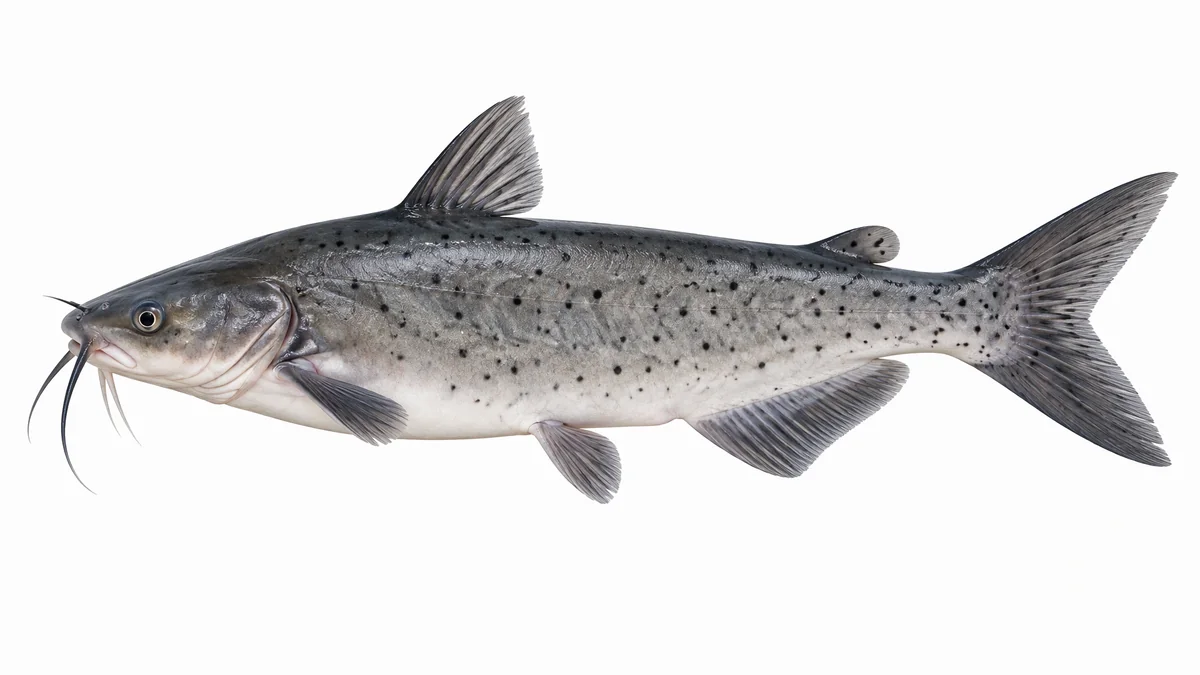
How to Catch Channel Catfish
Channel catfish are the workhorse of North American freshwater fishing. They are abundant, they fight hard, and they feed after dark when most anglers are asleep. You can catch them from a boat, a bridge, a riverbank, or a tailrace below a dam. Learning how to catch channel catfish comes down to three things: fish where they feed, use fresh bait with a strong scent, and give them time. This guide covers timing, tackle, bait, rigs, and the night-fishing details that separate a fishless evening from a full stringer. Read the full Channel Catfish species profile for identification, range, and biology.
Best Time to Catch Channel Catfish
Channel catfish feed around the clock, but they feed best in low light. Dawn, dusk, and the first few hours after dark are the prime windows. On cloudy days or in muddy water, that window stretches through the afternoon. On bright, clear days, the fish often sulk in deep cover until the light fades.
Season matters more than most anglers think. Channel cats become active as water passes 60°F in spring and stay catchable through fall. Their feeding peaks between roughly 70°F and 80°F (21–27°C). When water reaches roughly 70–85°F (21–29°C), they spawn, and males guard nests in holes, under banks, and inside dark cavities. Spawning fish are less interested in food, but the period just before and after the spawn is excellent.
Summer is the classic catfish season. Warm water means high metabolism, and a fresh cut bait fished after dark rarely goes untouched. Fall brings fish back to creek mouths and channel edges as they feed up for winter. Winter slows everything down. Catfish still bite in cold water, but you need to fish deep holes and present bait slowly.
Weather helps. A rising river after rain pulls fish into current seams and flooded cover. A steady barometer beats a falling one. And on any water, the last hour of daylight into the first hours of dark is worth more than the middle of a sunny day.
Best Gear for Channel Catfish
Catfish gear is built around two demands: casting heavy baits and turning a strong fish away from cover. A medium-heavy rod and a reel with a reliable drag handle both.
| Component | Catfish-ready choice |
|---|---|
| Rod | 7–8 ft medium-heavy to heavy casting or spinning rod |
| Reel | 4000–6000 size spinning reel or a baitcaster with 15+ lb drag |
| Main line | 20–30 lb monofilament, or 30–50 lb braid in heavy cover |
| Hook | 5/0–8/0 circle hook for most bait fishing |
| Terminal | 1–3 oz slip sinker, barrel swivel, bead |
| Extras | Rod holders, headlamp, hook cutters, long-nose pliers |
Monofilament has stretch, which cushions the surge of a big cat and helps with circle hooks. Braid gives more sensitivity and cutting power in snags but transmits every head shake. Many bank anglers run 25 lb mono and call it done.
Circle hooks deserve special mention. They hook fish in the corner of the mouth and rarely gut-hook, which makes release easy. The trade-off is that you do not set them like a bass hook. Let the fish load the rod, reel down until the line comes tight, and lift. A hard hookset with a circle hook usually pulls the bait away.
Best Bait for Channel Catfish
Channel cats are omnivores with a strong nose for decay and blood. Fresh beats rotten, and local beats fancy.
Cut bait is the top choice. Chunks or strips of shad, skipjack herring, carp, or bluegill release scent and oil into the current. Cut the bait into pieces that fit the hook but still leave a scent trail. Fresh shad caught from the same water is hard to beat.
Chicken liver is the traditional bank bait. It is soft, bloody, and cheap. Wrap it in a piece of pantyhose or use a bait threader to keep it on the hook. It catches fish, but it also attracts turtles and tears off in current.
Stinkbait and dip bait are purpose-built for channel cats. The commercial pastes and blood baits stay on a treble-hook worm rig and pump scent downstream. They are effective in still water and slow current.
Nightcrawlers and shrimp work everywhere and are easy for beginners. Hot dogs soaked in garlic or strawberry gelatin are a cheap, durable option. Live bait such as small bluegill or shad is legal in some states and deadly on big fish, but check local rules before you use it.
Match bait to water. In current, use a tough cut bait that stays on the hook. In still water, a soft stinkbait or liver spreads scent without washing away.
Channel Catfish Rigs for Every Situation
The right rig puts bait on the bottom, keeps it there, and lets a fish pick it up without feeling the weight. These three cover most catfishing.
Slip-sinker rig. Thread a 1–3 oz egg or slip sinker on the main line, add a bead, tie on a barrel swivel, and attach an 18–24 inch leader to a 5/0–8/0 circle hook. The fish can take line without feeling the sinker. This is the standard bait-fishing rig for lakes, ponds, and slow rivers.
Santee rig. Run the sinker on the main line, then a bead and swivel, and add a float above the hook on the leader. The float lifts the bait a foot or two off the bottom, keeping it visible to cruising cats and away from snags. It shines in fresh water around brush and mussel beds.
Three-way rig. Tie a three-way swivel to the main line, add a dropper to a sinker and a leader to the hook. It holds bait in current and is a favorite in rivers and tailwaters.
For big fish and heavy current, upsize the sinker and shorten the leader. Bank anglers often use a slip-sinker rig cast just past a current seam and let the weight settle into the slack.
How to Catch Catfish at Night, Step by Step
- Scout in daylight. Find holes, channel edges, bridge pilings, and current seams while you can still see. Mark them or note landmarks.
- Set up before dark. Rig rods, bait hooks, and stage tackle while there is light. Catfish move shallow at dusk, and you want baits in the water.
- Fish the edges. Cast to current seams, the outside of bends, and the shadow line of bridges and docks. Cats use structure as ambush cover.
- Use fresh bait and change it often. Scent fades. A bait that has been soaked for an hour is fishing worse than a fresh chunk.
- Let the fish take it. With circle hooks, wait for the rod to load, reel down, and lift. Do not swing for the fences.
- Keep the lantern off the water. Light spooks shallow fish. Use a headlamp pointed at your hands, not the water.
- Handle with care. Grip the fish behind the pectoral spines and support the belly. The spines are sharp and the slime coat protects the skin.
Night fishing rewards patience, but it also rewards preparation. Rod holders, a landing net, and a headlamp that works with cold hands turn a chaotic bite into a controlled one.
Where to Catch Channel Catfish
Channel catfish relate to structure and current. Find one, and you usually find the other.
- River channel edges. The break between deep water and shallow shelf is a highway for feeding cats. Fish the upstream side of the drop.
- Outside bends and holes. Current scours deep holes that hold fish in low water and winter.
- Tailwaters below dams. Moving water carries bait and oxygen. Cats stack in the slack seams beside the flow.
- Bridge pilings and riprap. Shade, structure, and current in one spot. Fish tight to the concrete.
- Creek mouths and inflows. Fresh water after rain pulls fish to the mixing zone.
- Lake points and flats at night. Cats move shallow after dark to feed on crayfish and baitfish.
In ponds and small lakes, fish the deepest hole and any structure you can find. In big rivers, focus on bends, wing dams, and the mouths of tributaries.
Channel Catfish Regulations and Safety
A fishing license is required in every state, and catfish rules vary widely. Some waters have minimum lengths around 12 inches; others have no length limit but restrict gear or bait. Trotlines, juglines, and noodles are regulated separately, and noodling is illegal in many states. Always check the current regulations for the specific water before you fish.
Rules come from state agencies. In South Carolina, check the Department of Natural Resources; in Texas, the Texas Parks and Wildlife Department. Each publishes current limits, seasons, and gear rules online.
Safety starts with the fish. Channel catfish have a sharp spine at the leading edge of the dorsal fin and one on each pectoral fin. A puncture is painful and can swell or become infected. Hold the fish behind the pectoral spines with a thumb and forefinger, or use a lip grip, and never kick a catfish barefoot. Carry pliers for hook removal and keep a first-aid kit handy. Last verified: November 2025.
Common Mistakes and Channel Catfish Fishing Tips
- Old bait. Catfish hunt by smell. Bait that has turned to mush or dried out catches far less than fresh cut bait.
- Too much weight. A heavy sinker that will not move keeps bait pinned, but it also makes fish drop it. Use just enough weight to hold bottom.
- Hard hooksets with circle hooks. Swing hard and you pull the bait. Reel down and lift instead.
- Fishing midday in bright sun. Move to dawn, dusk, or after dark, or fish deep shade.
- Ignoring current. Cats feed where current delivers scent. A dead-calm spot is usually a dead spot.
- Poor fish handling. Spines and slime coat demand wet hands and a firm grip behind the fins.
- Not checking gear rules. Juglines and trotlines have their own limits and tagging rules in many states.
- Fishing one spot all night. If nothing happens in 45 minutes, move to the next hole or seam.
FAQ
What is the best time to catch channel catfish? Dawn, dusk, and the first few hours after dark, especially in water from 70°F to 80°F. Rising water after rain and the periods around the spawn are also strong.
What bait for channel catfish works best? Fresh cut shad or skipjack is the top all-around bait. Chicken liver, stinkbait, nightcrawlers, and shrimp also catch fish. In current, use a tough bait that stays on the hook.
How do you catch catfish at night? Scout holes and current seams in daylight, set baits before dark, and fish fresh cut bait on a slip-sinker rig. Keep lights off the water and let circle hooks load the rod before you lift.
What are the best catfishing rigs? The slip-sinker rig is the standard. Add a Santee rig for lifting bait off the bottom and a three-way rig for current.
Do channel catfish bite during the day? Yes, especially in muddy or cloudy water and during the spawn. Bright, clear, hot afternoons are the toughest, so fish deep shade or wait for evening.
How do you catch big channel catfish? Use bigger fresh cut bait, heavy line, and a circle hook, and fish deep holes, tailraces, and current seams after dark. Be patient; big fish often take longer to commit.
Channel catfish are not complicated, but they are not careless either. Put fresh bait in the right water at the right hour, use a rig that lets the fish take it, and the whiskers will show up. That is the core of how to catch channel catfish.
Related Articles
- How to Catch Largemouth Bass — warm-water cover fishing for another night-friendly bite.
- How to Catch Bluegill — bluegill make excellent cut bait where legal.
- Wels Catfish — Europe's giant catfish and how it compares.
- Bowfin — a toothy, air-breathing native that shares catfish water.
- All species profiles
About the author and how this was tested
About the author
FishermanGuy
Bank, boat and kayak angler · fishing, crabbing and shrimping since 2021
I buy the gear, fish it for a season and write down what failed. No sponsored verdicts, no free-sample flattery. Every rig on this page has landed fish in water I can point at on a map.
How this was tested
- Every rig gets at least six trips on the same water before it is published.
- Gear is bought at retail. Free samples are labelled in the first paragraph.
- Dates show first publication and the last time the page was updated.