Field notes
How to Catch Walleye: Tactics, Baits & Timing
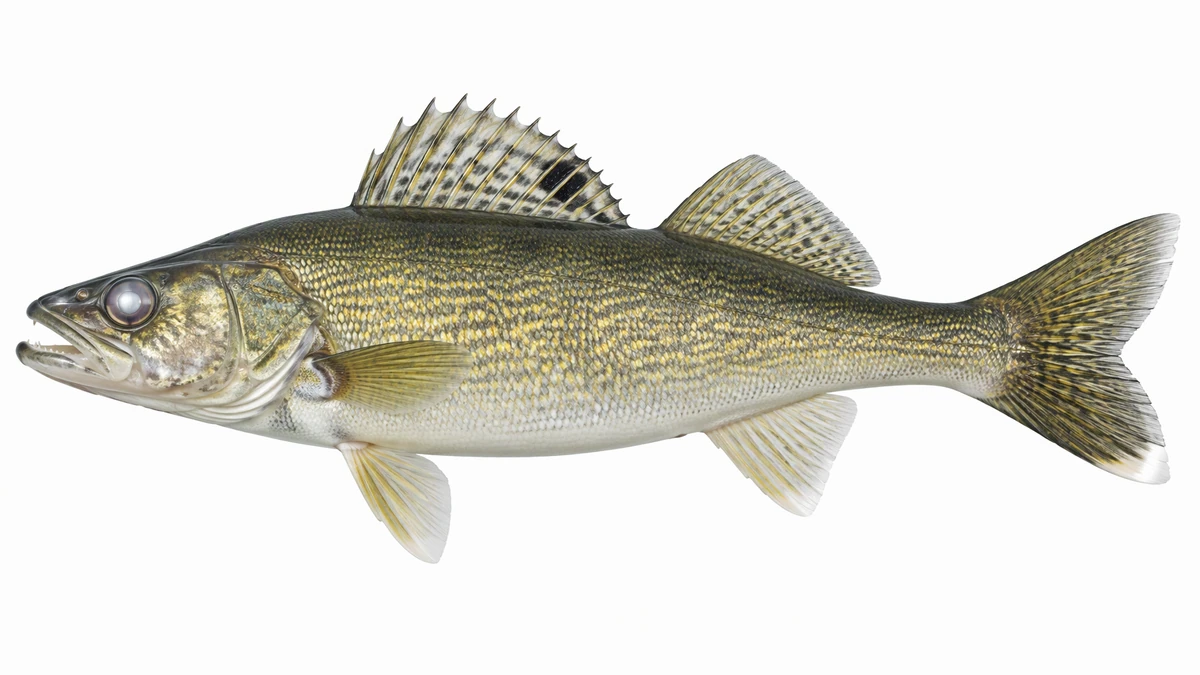
How to Catch Walleye
Walleye are the fish that keep Upper Midwest anglers awake at night — sometimes literally. They feed hardest in the dark, hold in cool water most anglers never reach, and reward patience with some of the best table fare in freshwater. Learning how to catch walleye comes down to one idea: this is a low-light predator with mirror-like eyes, and every good decision you make should respect that. The short version is to fish dawn, dusk, and after dark, put your bait near the bottom on structure, and slow down. The rest of this guide fills in the details. For identification, range, and biology, read the full Walleye species profile; here we focus on catching them.
Best Time to Catch Walleye
Timing is the single biggest lever on walleye, because their whole body is built for dim light. A reflective layer behind the eye — the tapetum lucidum — lets them see in water where baitfish are nearly blind. That means the best time to catch walleye is almost always dawn, dusk, and the hours after dark, plus any heavily overcast day that dims the surface.
Spring is the first big window. Once water reaches 40–55°F, typically in April across much of the range, walleye push up tributaries and onto gravel reefs to spawn. Fish shallow during that run — 3–12 feet of water — and expect them to feed hard right after spawning.
Summer flips the schedule upside down. By day, walleye slide into cool water 15–35 feet down and tuck tight to structure. After dark, they move up onto shallow flats to feed, which makes night fishing one of the most consistent summer patterns anywhere. If you only fish midday in July, you are fighting the fish's biology.
Fall brings a feeding binge as walleye follow baitfish through the mid-depths ahead of winter. Winter groups them in deep basins, often sluggish but still catchable through the ice. Across every season, walleye prefer water in the low-to-mid 60s°F and avoid the warm shallows that bass love.
Best Gear for Walleye
You do not need a boat full of rods, but walleye reward tackle matched to finesse and feel. They have soft mouths, so a rod with a sensitive tip helps you detect a light take and set the hook without tearing out.
| Component | Walleye-ready choice |
|---|---|
| Rod | 6 ft 6 in to 7 ft medium-light spinning rod |
| Reel | 2000–2500 size spinning reel with a smooth drag |
| Main line | 6–10 lb monofilament, or 10–15 lb braid to a fluorocarbon leader |
| Leader | 8–12 lb fluorocarbon for clear, pressured water |
| Hooks and jigs | 1/8–3/8 oz jigheads; size 1–2/0 hooks for live bait |
| Extras | Bottom-bouncer weights, snap swivels, a good net |
Monofilament stretches, which cushions the soft mouth and helps on the hookset. Braid gives you more sensitivity and lets you feel a jig ticking bottom, but pair it with a fluorocarbon leader so fish in clear water do not shy away. A long-handled net matters more than most beginners expect: walleye often shake loose right at the boat.
Carry long-nose pliers, a hook sharpener, and a cooler if you plan to keep fish. That is the whole kit for most walleye water in the country.
Best Bait for Walleye
The best bait for walleye tracks what the fish actually eat: baitfish first, with crayfish and insects mixed in on rivers. Gizzard shad, emerald shiners, spottail shiners, and fathead minnows sit at the center of the menu, and big northern fish readily eat yellow perch. Find the bait and you have found the walleye.
Natural bait is the classic choice, especially for beginners and for fish that have seen pressure.
- Live minnows. Shiners and chubs on a jig or a plain hook are the gold standard. Hook them through the lips or the back so they stay lively.
- Nightcrawlers. Threaded onto a jig or a harness, they cover water fast and catch fish that ignore minnows.
- Leeches. A favorite on northern lakes, especially in early summer when walleye are feeding on soft-bodied prey.
Artificial lures let you cover water and hunt active fish.
- Jigs and soft plastics. A 3–4 inch soft plastic on a 1/4 oz jighead is the workhorse. Grubs, paddletails, and minnow-style trailers all take fish.
- Crankbaits. Shad-style crankbaits trolled or cast along structure draw reaction strikes, especially in low light.
- Blade baits and jigging spoons. These shine for deep, cold, or ice fishing when walleye want a vertical presentation.
Color is less important than depth and speed. Shad and perch patterns cover most days; darker colors win in muddier water and low light.
Walleye Rigs
A walleye rig is just bait, hook, and weight arranged to put food in front of a bottom-hugging fish. These three handle most situations.
Jig rig. The simplest and most versatile. Tie a 1/8–3/8 oz jighead to your line, thread on a soft plastic or tip it with a minnow, and work it along the bottom. Lift-and-drop it, drag it, or swim it slowly. This is the rig to learn first, and it works from a boat, a bank, or through the ice.
Bottom-bouncer rig. Slide a bottom-bouncer weight onto your main line, tie on a swivel, and add a 2–4 foot leader to a floating jig or a hook with a crawler. The weight ticks bottom while the bait rides just above it — a great setup for trolling deep structure without snagging constantly.
Three-way rig. Tie a three-way swivel to your main line, run a dropper to a weight, and run a longer leader back to a floating jighead or bait. It fishes a bait off the bottom while the weight keeps everything down, and it is a proven trolling and drifting rig on big water.
On rivers, a simple slip-sinker rig with a crawler lets the current carry scent to fish holding in bends and tailwaters. Whatever the rig, the theme is the same: get near the bottom, stay in contact, and keep the bait moving slowly.
How to Catch Walleye, Step by Step
- Start at the right hour. Plan around dawn, dusk, or after dark. If you must fish midday, target deep structure and overcast conditions.
- Find the bait first. Watch your electronics for baitfish balls, then fish the structure below and beside them. Walleye are rarely far from food.
- Work bottom to slightly above it. Most walleye hold within a foot or two of the bottom on structure. Keep your jig or rig in that zone.
- Slow down. Walleye are not chasers. A lift-and-drop jig, a slow drag, or a lazy troll beats a fast retrieve almost every time.
- Watch the line, not the lure. A walleye often takes on the drop. If your line jumps, goes slack, or stops sinking, set the hook.
- Set the hook firmly but smoothly. Their mouths are soft, so a sweeping hookset beats a violent snap.
- Net and handle with care. Use a net, support the fish, and keep it out of the water briefly if you plan to release it.
Night fishing deserves its own note. In summer, anchor or drift over shallow flats, reefs, and weed edges after dark and cast crankbaits or jigs. Fish by feel and sound more than sight, and keep your movements quiet. It is one of the steadiest walleye patterns in the country and one of the most overlooked.
Where to Catch Walleye
Where to catch walleye usually comes down to three features lining up: access to deep water, current or wind, and a firm bottom. Think reefs, gravel shoals, and rocky humps; points and submerged islands; weed edges and drop-offs; river bends, dam tailwaters, and slack water behind current breaks; and windward shorelines in spring.
Depth shifts with the season. In spring, fish spawn on lake reefs and in rivers in 3–12 feet. In summer, look for 15–35 feet during the day and shallower flats after dark. In fall, follow baitfish through the mid-depths, and in winter, target deep basins.
Some waters are famous for a reason. Lake Erie is often called the most productive walleye lake in the world, and Minnesota's Mille Lacs and Lake of the Woods, Wisconsin's Lake Winnebago, North Dakota's Devils Lake, and Lake Oahe on the Missouri River all hold strong populations. On big water, let a lake map and sonar narrow the search before you ever make a cast. On rivers, focus on current seams, bridge pilings, and the edges of deeper holes.
Walleye Regulations and Safety
Every state requires a fishing license, and walleye rules vary by water. Most states set a minimum size limit, often 14–18 inches, and a daily bag limit, often 4–8 fish, so confirm both before you keep anything. Some waters add slot limits or protective rules on big fish, and spawning-season restrictions are common on pressured rivers.
Rules come from state agencies, not lake signs alone. Check the department of natural resources or fish and wildlife agency for the state you are fishing, and treat published limits as a snapshot rather than a permanent fact. As of 2025, these numbers differ widely from state to state, so verify current regulations before your trip.
For safety, walleye have sharp gill plates and a spiny first dorsal fin, so handle them with a wet hand or a towel and avoid grabbing blindly. On the water, wear a life jacket, watch for weather, and carry a light for night trips. Their teeth are modest but real, so use pliers to work out hooks.
Common Mistakes and Walleye Fishing Tips
- Fishing midday in summer. The fish are deep and tight to structure. Fish low light or go deep.
- Retrieving too fast. Walleye are ambush feeders. Slow your jig to a crawl and let it fall on slack line.
- Ignoring the drop. Many walleye eat a jig as it falls. Watch the line and set the hook on any change.
- Fishing away from bait. No bait, no walleye. Find the forage first.
- Line too heavy for clear water. Drop to lighter fluorocarbon when fish are pressured and the water is clear.
- Skipping the night bite. In summer, after-dark flats are where the biggest, most active fish feed.
- Bad net work. Walleye shake hooks at the boat. Keep the net ready and the drag smooth.
- Keeping the biggest fish. Selective harvest protects the spawning stock and keeps the fishing good.
FAQ
What is the best time to catch walleye? Dawn, dusk, and after dark, plus heavily overcast days. In summer, night fishing shallow flats is one of the most reliable patterns anywhere.
What bait for walleye works best? Live minnows are the classic choice, followed by nightcrawlers and leeches. On the artificial side, a 3–4 inch soft plastic on a 1/4 oz jighead and shad-style crankbaits produce the most fish.
What are the best walleye fishing techniques for beginners? Start with jigging a soft plastic along the bottom at dawn or dusk. Keep the jig in the bottom foot of water, lift and drop it slowly, and watch the line on every fall.
Do walleye bite at night? Yes, and night is one of the best times to target them, especially in summer. After dark they move onto flats, reefs, and weed edges and hit crankbaits, jigs, and live bait.
Where can you catch walleye? Large, cool, well-oxygenated lakes and rivers across the northern U.S. and Canada. Look for reefs, points, weed edges, drop-offs, river bends, and dam tailwaters with bait nearby.
How big do walleye get? A typical walleye runs 14–22 inches and 2–4 pounds. A 28–30 inch fish in the 8–10 pound range is a trophy, and the all-tackle world record is 25 pounds even.
Learning how to catch walleye is mostly about respecting the fish's biology. Fish low light, stay near the bottom on structure, slow your presentation, and follow the bait — and the walleye will keep your cooler full and your nights on the water worth it.
Related Articles
- How to Catch Northern Pike — the toothy predator that shares cool northern water.
- How to Catch Largemouth Bass — warm-water tactics when the walleye bite goes quiet.
- Yellow Perch — a same-family favorite that walleye love to eat.
About the author and how this was tested
About the author
FishermanGuy
Bank, boat and kayak angler · fishing, crabbing and shrimping since 2021
I buy the gear, fish it for a season and write down what failed. No sponsored verdicts, no free-sample flattery. Every rig on this page has landed fish in water I can point at on a map.
How this was tested
- Every rig gets at least six trips on the same water before it is published.
- Gear is bought at retail. Free samples are labelled in the first paragraph.
- Dates show first publication and the last time the page was updated.