Field notes
How to Catch Whiteleg Shrimp: Cast Netting Basics
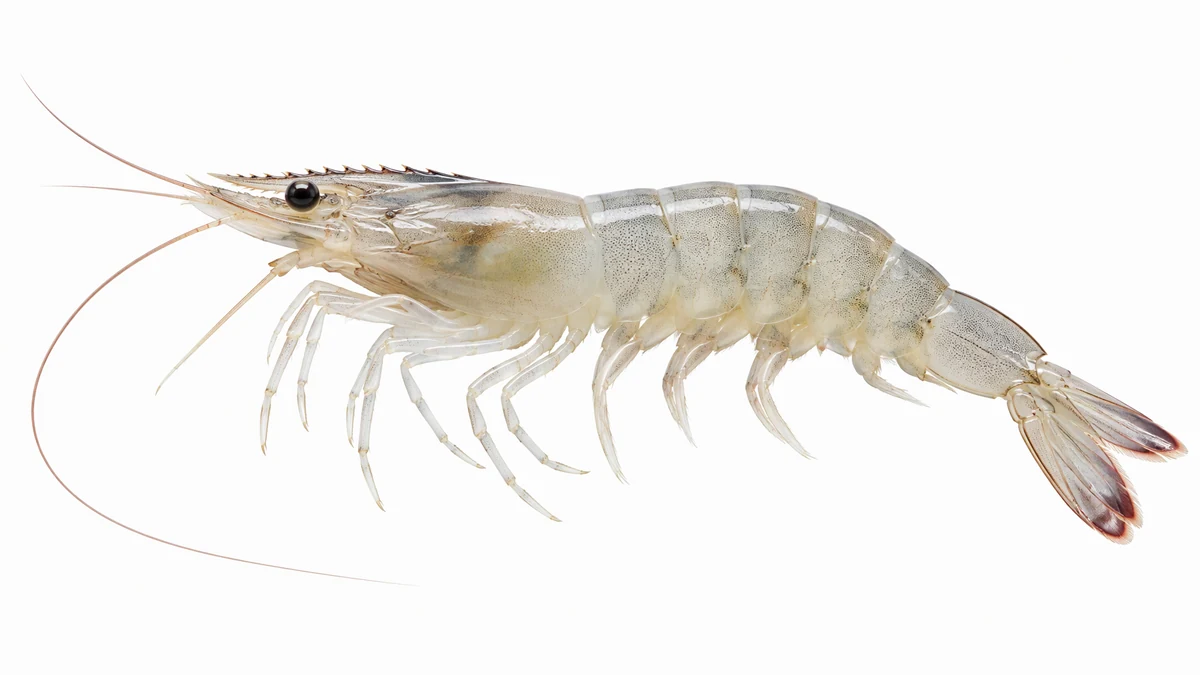
How to Catch Whiteleg Shrimp
When people ask how to catch whiteleg shrimp, the first thing to sort out is which shrimp they mean. The whiteleg shrimp (Litopenaeus vannamei), also called Pacific white shrimp, is the most heavily farmed shrimp on Earth and the animal behind most of the shrimp in American grocery stores. It is raised in ponds, not netted from a dock. The shrimp you actually catch on the coast is its close cousin, the wild white shrimp (Litopenaeus setiferus) of the Gulf of Mexico and South Atlantic — the one in cast nets from North Carolina to Texas every fall. This guide is about the catching side: the cast net, the chum, the lights, and the timing that turns a night on a dock into a full cooler. Read the full Whiteleg Shrimp species profile for identification and biology; here we focus on the fishery.
Best Time to Catch Whiteleg Shrimp
White shrimp are the fall arm of the Gulf shrimp run, and timing is the whole game. The brown shrimp run anchors spring, generally May through July. The white shrimp run is the fall event, generally mid-August through mid-December in Louisiana, with some inshore waters staying open into January.
Water temperature calls the tune. The first real cold snaps of late fall push shrimp out of the shallows and toward the passes, so the peak shifts as the water cools. Pay attention to the first strong fronts of the season: they move shrimp, and moving shrimp are catchable shrimp.
Time of day is just as decisive. White shrimp bury in soft mud and sand by day, with little more than the tail exposed. At night they rise, feed, and move with the tide. That means night plus light equals shrimp. Dock lights, bridge lights, and submersible green lights draw plankton to the surface, and shrimp follow that food chain into tight, castable concentrations.
Tide matters as much as darkness. A rising or falling tide pushes shrimp into the neck-downs, passes, and along bridge pilings where current concentrates food. Dead slack water is dead water for shrimping. Fish the moving tide, and move on when it stalls.
Best Gear for Whiteleg Shrimp
The cast net is the standard tool, and it is worth learning to throw a full, flat circle before you spend a night on a dock.
- Cast net. Buy a net that is legal in your state first — Louisiana, for example, caps recreational cast nets at 8.5 feet in radius. Look for fine 1/4-inch mesh that holds shrimp without gilling them.
- Dip net. A fine-mesh dip net works where shrimp funnel through passes and tidal creeks on a running tide, and under a bridge light it is the cheapest way to fill a bucket a pint at a time.
- Lights. A floating or submersible green light, or a headlamp over a dock light, starts the food chain that pulls shrimp in.
- Chum container. A bucket for mixing and tossing fish-meal patties, plus a small bowl for the bait itself.
- Gloves, boots, and a headlamp. Nights on a dock are wet, and a headlamp keeps your hands free while you throw.
- A cooler or bucket with ice. Shrimp spoil fast; keep the catch cold from the first throw.
Learn to throw before you fish. A net that lands in a crumpled lump catches nothing, and a net that opens flat over a lit ring of shrimp catches everything inside it. Practice in a yard or a park until the circle is consistent.
Best Bait for Whiteleg Shrimp
Shrimp bait means chum, not hook bait. You are not casting a lure at a shrimp and waiting for a strike. You are laying a scent trail that pulls shrimp into range of a net.
The classic Gulf recipe is a fish-meal patty. Mix fine fish meal with flour and rock salt, add canned fish-scented cat food, and form the paste into palm-size patties. Toss them into 3 to 8 feet of water where shrimp run. Hang a lantern or submersible light over the baited spot. The chum pulls shrimp in, the light holds them, and the cast net does the rest.
Why it works: shrimp are omnivorous scavengers that eat plankton, small worms, tiny crustaceans, and decaying organic matter off the bottom. A scent cloud mimics a food source, and a light concentrates the plankton that shrimp already follow. Together they turn open water into a target you can throw at.
You do not need hooks, lures, or expensive bait. A bag of fish meal, some flour, salt, and a can of cat food cover a night of shrimping for a few dollars. Keep the patties firm enough to throw without breaking apart, and re-bait the spot when the scent fades.
Whiteleg Shrimp Rigs
A shrimping "rig" is the way you combine net, light, and chum into a working setup. Three setups handle most nights.
The lit cast-net rig. This is the bread and butter. Anchor near a dock light, bridge light, or drop a submersible green light. Position yourself upglow, just outside the lit ring, so the light is between you and the shrimp. Throw so the net opens into the light from the edge inward. Let the lead line sink all the way to the bottom, then pull the horn line steadily to purse the net shut before you lift. Lifting early lets shrimp escape under the lead line.
The chum-and-light rig. Where there is no permanent light, make your own. Toss a few fish-meal patties into 3 to 8 feet of water and hang a lantern or submersible light over the spot. Give the chum 15 to 20 minutes to pull shrimp in, then start throwing into the glow. Re-chum when the action slows.
The dip-net rig. In a pass or tidal creek on a running tide, skip the cast net and use a fine-mesh dip net under a light. Shrimp funneling through the current pass close to the surface, and a steady scoop beats a hard throw in tight water.
The best shrimpers run all three: a lit cast-net setup on the dock, a chum spot in open water, and a dip net for when the tide stacks shrimp against a piling.
How to Catch Whiteleg Shrimp, Step by Step
- Pick a night and a tide. Go after dark on a moving tide in the fall white-shrimp season. A rising or falling tide near a pass, bridge, or dock light is the target.
- Set your light. Anchor near a dock or bridge light, or drop a submersible green light. Stand upglow, outside the bright ring.
- Chum the spot. Toss fish-meal patties into 3 to 8 feet of water and give shrimp time to gather.
- Load and check the net. Coil the cast net clean on your arm, check for tangles, and confirm the horn line runs free.
- Throw a flat circle. Aim to open the net over the lit water, from the edge inward, so the whole circle lands on shrimp.
- Let it sink. Wait for the lead line to reach the bottom. Patience here decides the catch.
- Purse and lift. Pull the horn line steadily to close the net, then lift straight up with the net gathered.
- Empty into the cooler. Dump shrimp into a bucket of ice or cold water and re-set for the next throw.
The rhythm is throw, sink, purse, lift, dump, repeat. On a good tide with a hot light, you can cycle a cast net every minute or two.
Where to Catch Whiteleg Shrimp
You are chasing the wild white shrimp, so look where they gather on the coast.
- Docks and piers with lights. The classic night spot. Shrimp stack under the glow, and a cast net does the rest.
- Bridges and bridge pilings. Current concentrates bait and shrimp along the structure; fish the upcurrent side.
- Passes and tidal creeks. On a running tide, shrimp funnel through the neck-downs. A dip net shines here.
- Bridge and dock lights over deep water. Where the light hits 6 to 10 feet of water, shrimp suspend in the column.
- Marsh creeks and tidal flats. These are the nursery grounds, where juvenile white shrimp ride the tides into brackish water to grow.
The wild white shrimp ranges from New York down the Atlantic coast, around Florida, and across the Gulf to Campeche, Mexico. It is most abundant from North Carolina to Texas, and that stretch drives the U.S. white shrimp fishery. In the estuaries, juveniles use marsh creeks and grassy shallows, while adults move toward higher-salinity nearshore water. At night, the concentrations under lights are where recreational shrimpers do their work.
Whiteleg Shrimp Regulations and Safety
Shrimp rules are set state by state, and seasons shift annually with shrimp abundance, so check your agency before you go. These are the headline rules as of 2025.
- Louisiana (Louisiana Department of Wildlife and Fisheries, wlf.louisiana.gov): recreational shrimping by cast net is limited to 100 pounds per boat per day in the open season and 50 pounds in the closed season; inside-waters open season caps at 25 pounds heads-on per boat or vehicle. Cast nets max 8.5 feet in radius. A basic and saltwater fishing license is required.
- Florida (Florida Fish and Wildlife Conservation Commission, myfwc.com): daily recreational bag limit of 5 gallons heads-on per harvester or vessel, whichever is less. The northeast region — Nassau, Duval, St. Johns, Putnam, Flagler, and Clay counties — is closed April 1 through May 31. A saltwater fishing license is required.
- South Carolina (South Carolina Department of Natural Resources, dnr.sc.gov): white shrimp are the fall species, and SCDNR manages a fall bait-and-food shrimp season with its own license and gear rules.
Licenses are cheap relative to a citation. Every Gulf and South Atlantic state requires at least a basic saltwater fishing license for cast-netting shrimp, and commercial or live-bait sale is a whole different permit.
Safety is simple. A loaded cast net is heavy, so throw from stable footing and keep your feet clear of the lead line. Watch for hooks and shell on the bottom when you handle the catch, and keep shrimp on ice — warm shrimp spoil in hours. At night, wear a headlamp and watch your step on wet pilings.
Common Mistakes and Whiteleg Shrimp Tips
- Shrimping a slack tide. Moving water stacks shrimp; slack water scatters them. Fish the tide, not the clock.
- Throwing a tangled net. A net that does not open flat catches nothing. Coil it clean every throw.
- Lifting before the net sinks. If the lead line has not reached bottom, shrimp slip under it. Wait.
- Standing in your own light. Throwing from inside the glow spooks shrimp. Stand upglow and cast into the light.
- Skipping the chum. A light alone draws plankton; chum turns plankton into shrimp. Use both.
- Fishing daylight. White shrimp bury by day. Night and light are the whole advantage.
- Letting shrimp warm up. Ice the catch immediately or the meat degrades fast.
- Ignoring state seasons. The white shrimp run moves by weeks each year and states close windows. Check first.
FAQ
What is the best time to catch whiteleg shrimp? The fall white shrimp run, generally mid-August through December in Louisiana, fished at night on a moving tide under lights. The first cold fronts of late fall push shrimp out of the shallows and toward the passes.
What bait for whiteleg shrimp works best? Chum, not hook bait. Fish-meal patties mixed with flour, rock salt, and canned cat food, tossed into 3 to 8 feet of water with a light over the spot, is the classic method for pulling shrimp into cast-net range.
What are the best whiteleg shrimp fishing techniques? Night, light, and a flat cast net. Throw a legal, fine-mesh net into the lit ring, let the lead line sink, then purse and lift. On a running tide, a fine-mesh dip net at a pass or bridge piling works just as well.
Do I need a license to catch white shrimp? Yes, in every Gulf and South Atlantic state. A basic saltwater fishing license is the minimum, and some states add a separate cast-net or bait-shrimp requirement. Commercial sale needs a commercial permit.
How big do white shrimp get? Wild white shrimp run 4 to 6 inches in most catches and reach 7 to 8 inches. Farmed Pacific whiteleg shrimp can push 9 inches, but you will only see that on a menu.
Is whiteleg shrimp the same as white shrimp? No. Whiteleg shrimp (L. vannamei) is the farmed Pacific species sold frozen in stores. White shrimp (L. setiferus) is the wild Gulf and Atlantic species that recreational shrimpers catch with cast nets.
Learning how to catch whiteleg shrimp on the coast is really about catching the wild white shrimp of the fall run. Fish the tide, light the water, chum the spot, and throw a flat net — and a good night becomes a full cooler. For more on the net side of the game, see how to catch Mantis Shrimp and Red Swamp Crawfish.
Related Articles
- Whiteleg Shrimp — how to tell white from brown and pink shrimp, and why the name gets confusing.
- Mantis Shrimp — the bycatch that shows up in the same cast net on a mud flat.
- How to Catch Mantis Shrimp — traps and the salt trick for the gulf's hard-hitting crustacean.
- How to Catch Red Swamp Crawfish — the freshwater cousin of the shrimping game.
About the author and how this was tested
About the author
FishermanGuy
Bank, boat and kayak angler · fishing, crabbing and shrimping since 2021
I buy the gear, fish it for a season and write down what failed. No sponsored verdicts, no free-sample flattery. Every rig on this page has landed fish in water I can point at on a map.
How this was tested
- Every rig gets at least six trips on the same water before it is published.
- Gear is bought at retail. Free samples are labelled in the first paragraph.
- Dates show first publication and the last time the page was updated.