Field notes
How to Catch Red Swamp Crawfish: Baits, Traps & Timing
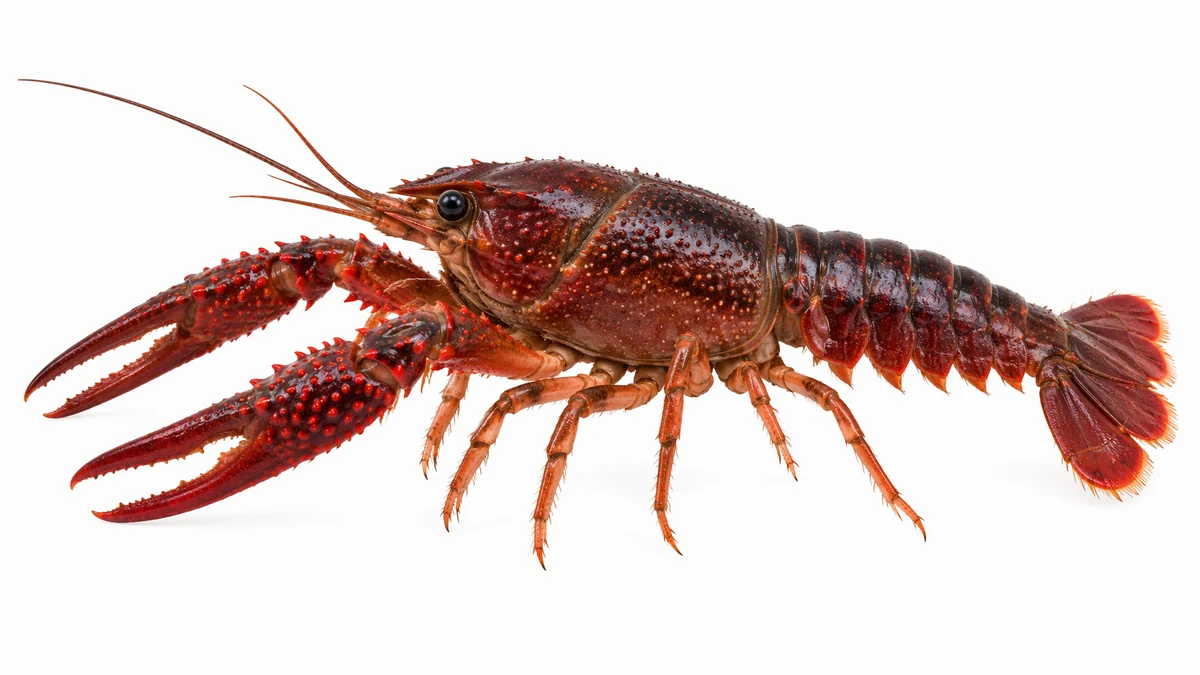
How to Catch Red Swamp Crawfish
If you want to learn how to catch red swamp crawfish, start with the truth that makes them famous: this is one of the easiest fisheries in North America. A kid with a length of string, a chicken neck, and a roadside ditch can fill a bucket before lunch. The red swamp crawfish (Procambarus clarkii) is the most heavily farmed freshwater crustacean on the continent and the animal behind every steaming pile of Louisiana mudbugs. Catching them is less about skill and more about timing, smell, and knowing where they hide. This guide covers the season, the bait, the traps, and the small tricks that turn a handful into a sack. Read the full Red Swamp Crawfish species profile for identification, range, and biology; here we focus on catching them.
Best Time to Catch Red Swamp Crawfish
Timing matters more than technique. In Louisiana, wild and farmed crawfish hit their stride from roughly February through June, with the peak running from March through May. The trigger is water temperature: once ponds and bayous warm into the 60s and 70s, crawfish feed, molt, and move, and the shallows fill up.
Time of day matters just as much. Crawfish are most active around dusk and dawn and on overcast days. A bright, hot afternoon is the slowest window you can pick, so plan your trips for the low-light hours.
Weather helps. A warm, cloudy day after a stretch of stable water beats a bluebird sky. Rain that muddies a ditch can also push crawfish out of their burrows and into the current, where a baited line is easy to find. Work the edge of that muddy water, not the clear middle.
The season also shapes size. Crawfish have to grow into the good ones. A red swamp crawfish can add more than 50 grams — about 1.8 ounces — in three to five months of good feeding, so late-spring crawfish run noticeably meatier than the first of the year.
Best Gear for Red Swamp Crawfish
You will not need a rod and reel for this species. Crawfish gear is simple, cheap, and mostly about containment.
- Gloves. A pair of thick work gloves saves your fingers. Big crawfish pinch hard, and a clamp on the web of your hand stings.
- A bucket with a lid. Crawfish climb, and they will climb out of an open pail in a parking lot.
- Line. A length of heavy string, twine, or clothesline, roughly 6 to 10 feet, is the classic tool for the hand-line method.
- Traps. For volume, a baited pillow-style wire trap or a box trap set near cover and checked every few hours will out-fish hand-lining by a wide margin.
- A dip net or bait seine. Handy for scooping crawfish at the surface and for moving catch between containers.
- Boots and a headlamp. Ditches and muddy banks are wet work, and dusk is prime time.
If you plan to trap, check the trap mesh before you buy. Louisiana requires trap mesh of at least 3/4 by 11/16 inch, so undersized crawfish can escape and the gear stays legal. That same rule is a good general guide anywhere: fine enough to hold keepers, open enough to let the little ones go.
Keep your catch cool and damp. A shaded bucket with a wet towel over it keeps crawfish alive and firm until you get home. Do not leave a full bucket baking in the sun.
Best Bait for Red Swamp Crawfish
Crawfish are omnivores and scavengers, and they find food by smell. That single fact drives every bait choice. The smellier the bait, the faster crawfish find it, and the harder they hang on once they grab it.
The classic baits are all oily, protein-rich, and a little offensive to human noses:
- Chicken necks and chicken livers. The icon of the hand-line method. Cheap, tough enough to stay on the string, and loaded with scent.
- Oily fish heads and cut fish. Menhaden heads and similar scraps throw a strong slick.
- Canned cat food. Punch a few holes in the can, or spoon it into a bait pouch, and the oil leaks out to call crawfish in.
- Commercial crawfish bait. Sold as scent-loaded cakes or pellets; convenient for trap sets.
- Hot dogs. The kid-friendly backup. Not the best bait, but it works and stays on the string.
The important point is that you do not need lures or artificials. A red swamp crawfish is not a sight feeder chasing a flashy presentation. It is a smell-driven forager, so natural, smelly protein is the whole game. Match the bait to the method: a tough chunk for a hand line, a scent pouch for a trap.
Red Swamp Crawfish Rigs
A "rig" here means the way you present bait and contain the catch. Three setups cover almost every situation.
The string-and-bait rig. This is the method most people picture. Tie a chunk of chicken liver, a chicken neck, or a hot dog to the end of a 6-to-10-foot length of string. No hook, no weight, no rod. Lower the bait into the water beside cover, hold the line slack, and wait for the tug. A feeding crawfish clamps on with its claws and refuses to let go, which is exactly what makes the rig work. Lift slowly and steadily. If you yank, it lets go; if you ease it up, it rides the bait all the way to the surface, and you swing it into the bucket.
The pillow-trap rig. For numbers, a pillow-style wire trap is the workhorse. Open the trap, load a bait pouch or a few smelly chunks into the center compartment, close it, and set it on the bottom near grass, brush, or a burrow bank. Tie the trap to a bank stake or a float line so you can find it and pull it. Check it every few hours. A good set in good water loads up while you nap in the shade.
The dip-net rig. Where crawfish gather at the surface or against a bank, a fine-mesh dip net does the work. Bait the spot with a smelly chunk, let crawfish cluster, then scoop. This pairs well with the string method: one person hand-lines crawfish to the surface and a second scoops them before they let go.
Rig choice comes down to volume versus effort. The string rig is the most fun and the most kid-friendly. The trap rig is how you fill a cooler. Most serious trips run both.
How to Catch Red Swamp Crawfish, Step by Step
- Pick the right water. Look for shallow freshwater — a couple of feet deep or less — with a soft muddy bottom and some cover. A ditch, pond edge, rice field, or slow creek is ideal. Crawfish burrow chimneys on the bank are a dead giveaway that they are there.
- Set up downwind of the scent. Crawfish follow smell, so place bait where the water carries the scent toward cover, not away from it.
- Bait up. Thread a smelly chunk onto your string, or load a scent pouch into the trap.
- Lower the bait to the bottom. Crawfish feed on the bottom and along cover. Rest the bait on the mud near grass, brush, or a burrow mouth.
- Wait for weight. With a hand line, watch for the line to twitch or go taut. That is a crawfish clamping on, not nibbling.
- Lift slowly. Raise the line at a steady pace. Keep tension. A slow lift turns a pinch into a landed crawfish.
- Swing and drop. Bring it over the bucket and give the line a quick shake; the crawfish drops off into the pail.
- Check traps on a schedule. Pull and empty traps every few hours, re-bait if the scent is gone, and move a trap that has gone cold.
The whole method rewards patience and gentle hands. Speed is the enemy: a fast jerk loses more crawfish than any other mistake.
Where to Catch Red Swamp Crawfish
The red swamp crawfish wants three things: shallow water, a soft muddy bottom, and cover. Find all three and you find crawfish.
- Roadside ditches. The classic. Shallow, muddy, full of grass and scraps, and often loaded.
- Farm ponds and bayous. Slow, warm, and weedy. Fish the grassy edges and any brush.
- Rice fields and flooded fields. Prime in the Gulf South, where crawfish are farmed and wild at once.
- Slow creeks and swamps. Look for slack water, backwaters, and soft banks.
- Levees and banks with burrows. Crawfish tunnel into banks and levees, sometimes more than three feet deep, leaving a mud "chimney" at the entrance. Those chimneys mark where the colony lives, and the water in front of them is a good place to set bait.
The species is native to the Gulf Coast, from the Florida panhandle west through Louisiana and Texas into northeastern Mexico, and north up the Mississippi valley. It has also been introduced widely and now turns up from the Chesapeake Bay to the Great Lakes and the West Coast, where it is treated as an invasive. In its home range, crawfish are everywhere there is shallow, muddy fresh water. In introduced waters, check the rules before you set a trap.
Red Swamp Crawfish Regulations and Safety
Rules are set state by state, and they are refreshingly simple compared to finfish. Here are the two most important states as of 2025, with the agencies that write the rules.
Louisiana (Louisiana Department of Wildlife and Fisheries, wlf.louisiana.gov): - License: a Basic Fishing License is required at age 18 and up and includes crawfish trap gear. Harvesting with only nets, dip nets, hand lines, or a bait seine needs only a Hook & Line License. A WMA Access Permit is required on LDWF wildlife management areas and refuges. - Season: open year-round in state waters, with no closed season except on some WMAs and refuges, where crawfishing runs March 15 through July 31. - Limits: no minimum size; 150 pounds per person per day in state waters, and 100 pounds per day on many WMAs and refuges. - Gear: up to 35 traps per person; traps must carry a waterproof tag with your gear license number, and trap mesh must be at least 3/4 by 11/16 inch.
Texas (Texas Parks & Wildlife, tpwd.texas.gov): - License: a freshwater fishing license with a freshwater endorsement to take crayfish from public fresh water. - Limits: no bag or size limit, and harvest is open year-round. - Gear: minnow traps up to 24 inches are the standard legal crawfish trap.
Outside the native range, the rules tighten. Washington, Oregon, and Great Lakes states treat red swamp crawfish as invasive, and some require permits or ban live transport outright. Always check the current regulations for your state before you set gear, because these rules change.
Safety is mostly about the pinch and the pot. Grab a crawfish by pinching the back of the carapace, right behind the claws, where it cannot reach you. If one latches on, do not yank; dip your hand back in the water and it usually lets go. For eating, boil at least 10 minutes, purge and devein them, and never cook one that was already dead before it hit the pot.
Common Mistakes and Red Swamp Crawfish Tips
- Fishing the hot midday. Crawfish slow down in bright, hot afternoon sun. Fish dawn, dusk, or an overcast day instead.
- Using bait that does not smell. A clean, fresh chunk of meat calls fewer crawfish than a ripe, oily one. Let the scent do the work.
- Yanking the line. A hard pull makes crawfish let go. Lift slowly and steadily.
- Leaving traps too long. A trap left for a full day in warm water can lose bait and catch. Check every few hours and re-bait.
- Ignoring the burrows. Mud chimneys on the bank tell you exactly where crawfish live. Fish the water in front of them.
- Forgetting the invasive rules. In introduced waters, live transport and trap use may be restricted. Read the rules first.
- Baking the catch. Keep crawfish cool and damp in the shade, or they weaken and die before you get them home.
- Handling barehanded. Gloves and a grip behind the claws prevent most pinches.
FAQ
What is the best time to catch red swamp crawfish? Late winter through early summer, roughly February to June, with the peak from March to May once water warms into the 60s and 70s. Fish dusk, dawn, and overcast days; skip bright, hot afternoons.
What bait for red swamp crawfish works best? Oily, smelly protein. Chicken necks and livers, fish heads, canned cat food, and commercial crawfish bait all draw them by scent. Hot dogs work as a backup. There is no need for lures.
What are the best red swamp crawfish fishing techniques? The string-and-bait hand line is the classic: tie bait to a line, wait for the tug, lift slowly. For volume, set a baited pillow-style wire trap near cover and check it every few hours. A dip net helps at the surface.
Do you need a license to catch red swamp crawfish? Usually, yes. Louisiana requires a Basic or Hook & Line license, and Texas requires a freshwater license with a freshwater endorsement. Rules tighten outside the native range, where the species is regulated as invasive.
How do you safely handle and eat crawfish? Grip them behind the claws or wear gloves. Boil at least 10 minutes, purge and devein, and throw out any that were dead before cooking.
How big do red swamp crawfish get? Most run 2.2 to 4.7 inches. Commercial "select" grade is about 3 inches, and a 5-incher is a bragging-size mudbug. The largest reported specimen reached about 6.3 inches.
Learning how to catch red swamp crawfish comes down to three habits: fish the season, use bait that smells, and lift slowly. Do those and a string and a smelly chicken neck will keep a bucket full all spring. For the next step on the water, see how to catch Whiteleg Shrimp and Mantis Shrimp with a cast net.
Related Articles
- Whiteleg Shrimp — the cast-net shrimp of the Gulf, and the bait many bottom fish prefer.
- Mantis Shrimp — a hard-hitting crustacean that doubles as tough bait for sheepshead and flounder.
- How to Catch Whiteleg Shrimp — cast-net timing, chum, and lights for the fall shrimp run.
- How to Catch Channel Catfish — catfish eat crawfish, so the same water often holds both.
- How to Catch Largemouth Bass — bass gorge on crawfish, and crawfish-colored baits prove it.
About the author and how this was tested
About the author
FishermanGuy
Bank, boat and kayak angler · fishing, crabbing and shrimping since 2021
I buy the gear, fish it for a season and write down what failed. No sponsored verdicts, no free-sample flattery. Every rig on this page has landed fish in water I can point at on a map.
How this was tested
- Every rig gets at least six trips on the same water before it is published.
- Gear is bought at retail. Free samples are labelled in the first paragraph.
- Dates show first publication and the last time the page was updated.