Field notes
How to Catch Mantis Shrimp: Traps, Salt & Safety
How to Catch Mantis Shrimp
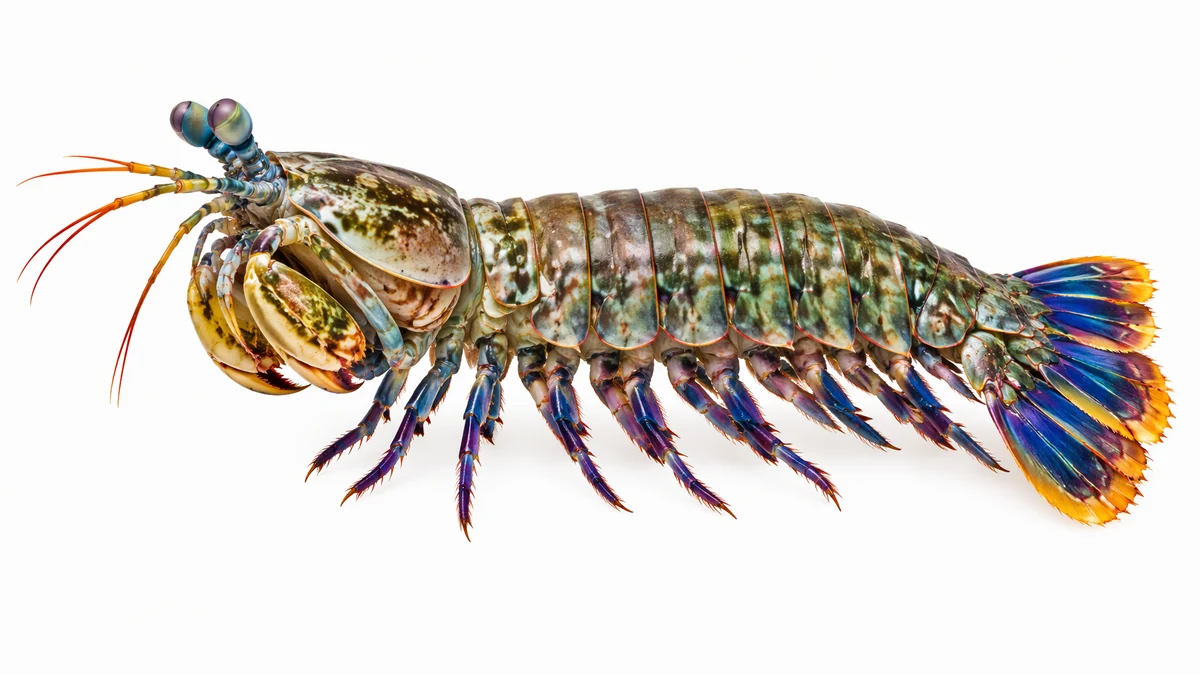
The mantis shrimp is the ocean's hardest-hitting crustacean — a stocky, armored animal that isn't a true shrimp and isn't a praying mantis, but borrows the best of both names. Its folded forelimbs fire faster than the blink of an eye, and its punch can crack a crab shell or a careless finger. If you want to know how to catch mantis shrimp, the good news is that it is easy; the hard part is handling one without splitting your thumb. On U.S. coasts, two species matter to anglers: the Atlantic mantis shrimp (Squilla empusa), sold in Gulf bait shops as "sea lice," and the California mantis shrimp (Hemisquilla californiensis), which can top 12 inches. Read the full Mantis Shrimp species profile for identification and biology; here we focus on catching and rigging them.
Best Time to Catch Mantis Shrimp
Mantis shrimp are catchable year-round, and the inshore bite is strongest from spring through fall. In the northern part of the Atlantic range, the animals move deeper in winter as the shallows cool.
Time of day matters. Mantis shrimp are ambush predators and mostly nocturnal. They sit inside a burrow and strike prey that wanders past the entrance, and their activity peaks at night and around tide changes, when they leave the burrow to hunt. That means the best windows are after dark and on a moving tide.
The salt trick and burrow hunting are low-tide games. On a sand flat, you need the burrow opening exposed, so fish the middle of a falling or low tide when the flat drains. A night funnel trap set on a mud bottom and checked the next morning is the other reliable timing play.
Season shapes size. Atlantic specimens typically run 6 to 10 inches (15 to 25 cm) and occasionally reach a foot. Gulf specimens run smaller, often around 5 inches. The California mantis shrimp is the heavyweight, reaching up to 12.6 inches (32 cm).
Best Gear for Mantis Shrimp
Most anglers meet mantis shrimp as bycatch, but you can target them on purpose with a small kit.
- Funnel or box trap. A small box or funnel trap set on the bottom is the easiest deliberate method. Bait it and drop it on mud.
- A bag of table salt. For the salt trick on sand flats. Plain table salt, nothing fancy.
- Cast net or seine. For working mud flats at dusk, where mantis shrimp turn up in the bycatch.
- Thick gloves or a lip-grip tool. Non-negotiable. A smasher can split skin and break a finger, so never handle one barehanded.
- A separate bucket. Mantis shrimp flail and will tear up any soft shrimp or baitfish you keep in the same container. Sort them out immediately.
- A headlamp and boots. Night sets and low-tide flat walking both demand them.
The single most important piece of gear is the glove. Everything else is convenience; the glove is safety.
Best Bait for Mantis Shrimp
Mantis shrimp are ambush predators, and they will come to bait that smells like food. The trap bait that works is simple and cheap.
- Cut menhaden. Oily and strong, a classic trap bait.
- Squid. Tough, stays on the bait hook, and throws scent.
- Shrimp heads. The scraps from your own shrimp catch are bait for the next trap.
Set a funnel trap baited with cut menhaden, squid, or shrimp heads on a mud bottom at night, and check it the next morning. In good areas, it loads up with mantis shrimp. The scent does the work; you do not need lures or artificials.
There is a second meaning of "bait" here, and it matters more to most anglers: a mantis shrimp is itself outstanding bait. A 6-inch mantis shrimp is one of the toughest, fishiest baits you can put in front of a sheepshead, and it draws flounder, tautog, striped bass, and red drum. That natural meal is exactly why the same bottom feeders patrol the mud flats where mantis shrimp live. So you may be catching them to use them.
Mantis Shrimp Rigs
"Mantis shrimp rig" can mean two things: the rig you use to catch them, or the rig you use to fish with one. Both are worth knowing.
Rigs to catch them. Three setups.
- Funnel trap rig. Bait a small funnel or box trap, set it flat on a mud bottom at night, tie it off, and check it the next morning. The simplest and least risky method.
- Salt rig. On a drained sand flat, find a burrow opening and pour a small amount of table salt down the hole. The shrimp backs out within a minute or so to escape the salt. Have a gloved hand or a net ready, because it comes out fast and swinging.
- Net rig. A cast net or seine dragged over a mud flat at dusk pulls mantis shrimp up as bycatch. Sort them into a separate bucket before they tear up your other bait.
The rig to fish with one. Rig a whole mantis shrimp on a Carolina rig or a fish-finder (sliding-sinker) bottom rig. The heavy, scent-loaded body sits on the bottom where flounder and sheepshead feed, and the tough shell holds up to picking. Put the bait where the fish are and let it do the rest.
How to Catch Mantis Shrimp, Step by Step
- Choose your method. A funnel trap for a night set, a salt trick on a drained flat, or a cast net at dusk. Pick by the water in front of you.
- Find the burrows. Mantis shrimp live in U-shaped burrows in soft sediment, with two openings on the surface. Look for paired holes a couple of feet apart on mud or sand.
- Set the trap or apply the salt. Bait a funnel trap and drop it on mud for an overnight soak, or pour salt into a burrow mouth at low tide.
- Wait for the shrimp. A trap works overnight; the salt trick works in about a minute.
- Glove up before you grab. Thick gloves or a lip-grip, and grab behind the head where the claws cannot reach.
- Move it to a separate bucket. Do not mix it with soft bait or shrimp; it will shred them.
- Rig it whole. If you are fishing with it, run it on a Carolina or fish-finder bottom rig and fish the bottom.
- Stay clear of the strike. Keep fingers away from the folded forelimbs at all times.
Handling is where this fishery turns dangerous. A smasher's club-like forelimbs accelerate to about 50 mph in roughly 3 milliseconds, fast enough to crack quarter-inch aquarium glass and split a thumb. Spearers like Squilla empusa carry barbed spines that can puncture. Neither is venomous, but neither is a fish you handle casually.
Where to Catch Mantis Shrimp
The real answer to where mantis shrimp live is: in a burrow. Both U.S. species dig U-shaped tunnels in soft sediment, with two surface openings. Atlantic mantis shrimp space their burrow mouths 2 to 3 feet apart; in winter, northern populations dig a vertical shaft up to 13 feet deep.
- Mud and sand flats. The classic habitat, from the intertidal zone down to about 500 feet on the Atlantic side.
- Tidal creeks and bay flats. Where soft bottom meets current, mantis shrimp set up ambush burrows.
- Dock lines and pilings. The bycatch zone for cast-netting anglers.
- Chesapeake Bay's lower intertidal. A well-known Atlantic stronghold for Squilla empusa.
- The Pacific shallows. Hemisquilla californiensis lives from Point Conception, California, to Panama, from the shallows down to roughly 295 feet.
For anglers, that means the same flats, creeks, and docks you fish for flounder and sheepshead are where you will meet a mantis shrimp — often in the cast net while you are after bait shrimp.
Mantis Shrimp Regulations and Safety
In nearly every coastal state, the mantis shrimp is not a managed recreational species. There is no dedicated bag limit, size limit, or closed season for it in Texas, Louisiana, Florida, the Carolinas, or California, as of 2025. What you do need:
- A saltwater fishing license. All coastal states require one for any recreational take in state waters (0 to 3 miles offshore). A state license or registration also covers you under the NOAA saltwater angler registry for federal waters.
- Legal gear. Mantis shrimp are typically kept as bycatch from a cast net, seine, or recreational shrimp trawl, all regulated by gear type and season in each state. Check your state's net rules before you throw.
- Bait rules. Texas, for example, only allows Gulf-native shrimp as bait, and mantis shrimp ("sea lice") are on the approved list, with bait shrimp legal year-round. South Carolina caps recreational shrimp harvest at 48 quarts heads-on per boat per day, which applies if you are netting shrimp and keep mantis shrimp in the take.
State rules change, so verify before you go with NOAA Fisheries (fisheries.noaa.gov), Texas Parks & Wildlife (tpwd.texas.gov), South Carolina DNR (dnr.sc.gov), Florida FWC (myfwc.com), or California DFW (wildlife.ca.gov).
Safety is the headline. Never put a bare finger into a burrow hole. Handle them with thick gloves or a lip-grip and grab behind the head. If you catch one in a cast net, dump the net carefully — a mantis shrimp in a pile of bycatch will flail and hit whatever is in the way. A smasher's punch can split skin and break a finger, and that is not an exaggeration.
Common Mistakes and Mantis Shrimp Tips
- Barehanded handling. The fastest way to a split thumb. Gloves and a grip behind the head every time.
- Reaching into a burrow. A classic way to get struck. Use the salt trick or a trap instead.
- Mixing them with bait. A mantis shrimp in a bucket of shrimp will shred the rest. Use a separate container.
- Looking for them in daylight. They are nocturnal ambush hunters; night and tide changes are the windows.
- Skipping the salt on a dry flat. The salt trick needs an exposed burrow at low tide. Time the flat.
- Assuming no rules apply. There is no bag limit, but gear, license, and bait rules still do.
- Ignoring the strike zone. The folded forelimbs are loaded and fast. Keep fingers clear even after the shrimp is in hand.
FAQ
What is the best time to catch mantis shrimp? They are catchable year-round, with the inshore bite strongest spring through fall. Fish at night on a moving tide, or work a drained sand flat at low tide for the salt trick.
What bait for mantis shrimp works best? Cut menhaden, squid, and shrimp heads for a funnel trap set overnight on a mud bottom. The scent pulls them in, and they need no lures.
What are the best mantis shrimp fishing techniques? Three work well: a baited funnel trap set overnight, the salt trick poured into a burrow on a low-tide flat, and a cast net or seine over a mud flat at dusk as bycatch.
Are mantis shrimp dangerous to handle? Yes, to fingers. Smashers can split skin and break bone, and spearers carry barbed spines that puncture. Wear thick gloves, grab behind the head, and never reach into a burrow barehanded.
Can you eat mantis shrimp? You can — they are edible and popular in parts of Asia — but U.S. sources rate the meat yield low for the work. South Carolina's DNR calls the meat "little, of poor quality." Most American anglers use them as bait instead.
Do I need a license to catch mantis shrimp? Yes, a state saltwater fishing license is required in every coastal state. There is no dedicated bag or size limit, but gear rules and general shrimp limits still apply.
Learning how to catch mantis shrimp is mostly about the right method and safe hands. Set a trap overnight, pour salt down a burrow on a drained flat, or sort them from a dusk cast net — then glove up and rig them whole for flounder and sheepshead. Pair this with the shrimping basics in how to catch Whiteleg Shrimp and the hand-line game in how to catch Red Swamp Crawfish.
Related Articles
- Mantis Shrimp — the full profile, including why "thumb splitter" is not a joke.
- How to Catch Whiteleg Shrimp — cast-net timing and chum for the same mud flats.
- How to Catch Red Swamp Crawfish — the freshwater hand-line cousin.
- Striped Bass — a bottom and mid-water predator that takes a mantis shrimp bait.
- Summer Flounder — a flatfish that patrols the same flats where mantis shrimp burrow.
About the author and how this was tested
About the author
FishermanGuy
Bank, boat and kayak angler · fishing, crabbing and shrimping since 2021
I buy the gear, fish it for a season and write down what failed. No sponsored verdicts, no free-sample flattery. Every rig on this page has landed fish in water I can point at on a map.
How this was tested
- Every rig gets at least six trips on the same water before it is published.
- Gear is bought at retail. Free samples are labelled in the first paragraph.
- Dates show first publication and the last time the page was updated.