Field notes
How to Catch Longnose Gar: Baits, Rigs & Tailwater Tactics
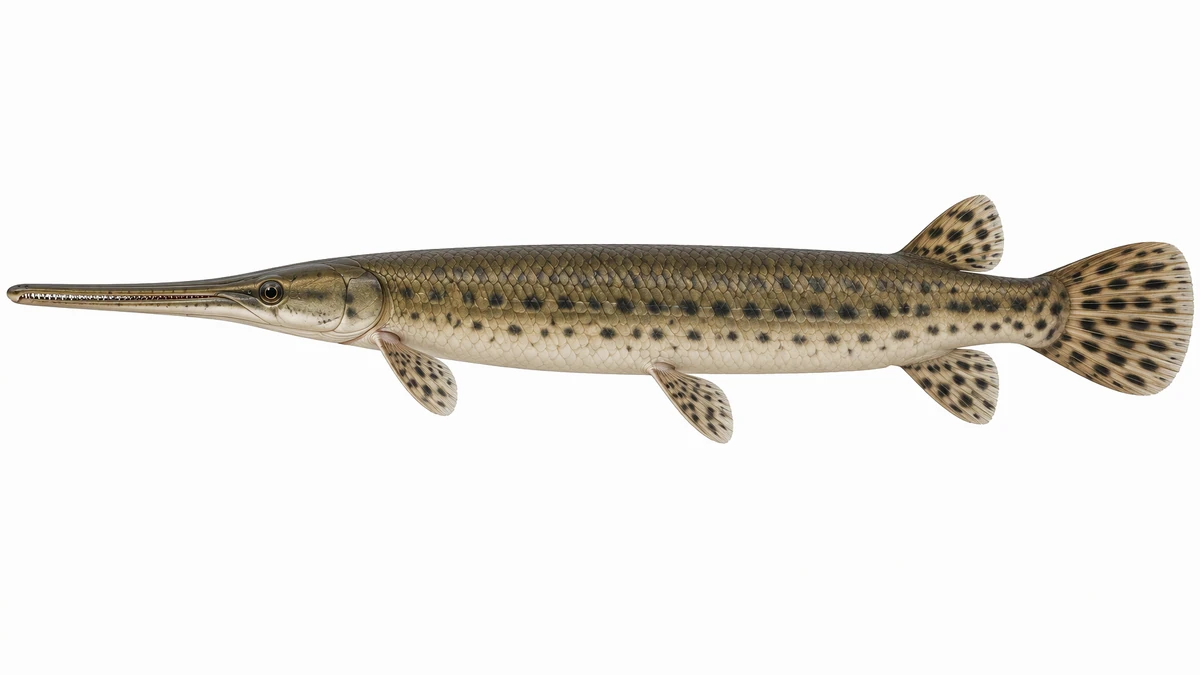
How to Catch Longnose Gar
The longnose gar is a survivor built from bone, armor and patience, and learning how to catch longnose gar is mostly a lesson in feeding that patience back to the fish. This gar hangs near the surface, waits for a school of shad or minnows to drift into range, and then snaps sideways onto its prey with a bill full of needle teeth. It lives in slow rivers, reservoirs, tailwaters and even brackish creeks, and it is far more common than most anglers realize. The hard part is not finding one; it is hooking one in a mouth that feels like it is made of bone. This guide covers the best time to catch longnose gar, the tackle and bait that work, the rigs that hold up, step-by-step tactics, and the rules that protect this native fish. Read the full Longnose Gar species profile for identification and range.
Best Time to Catch Longnose Gar
Longnose gar are warm-water fish. They feed best when the water is between about 70°F and 85°F (21–29°C), and they tolerate warm, low-oxygen water better than most sport fish because they can gulp air at the surface. That ability is why gar turn up in stagnant summer backwaters and hot reservoirs where other predators wilt.
Spring brings the upstream run. Fish gather below dams and barriers and move into vegetated shallows to spawn from April into June, when shallow water warms into the 60s and low 70s Fahrenheit. Tailwaters below dams can be excellent in spring as fish stack up in the current.
Summer is the prime season. Warm water and concentrated baitfish keep gar feeding hard in rivers, reservoirs and backwaters. Fish low light and look for surface activity; in hot weather you may see a gar roll and take air every few minutes.
Fall stays productive while the water is warm, then fades as temperatures drop. In winter, fish move to deeper water and slow down.
Timing within the day matters. Longnose gar feed best in low light, which means dawn, dusk and night, and they often turn on at the surface at last light. They will still feed during the day in shaded or turbid water. Concentrate where baitfish funnel: below dams, at tributary mouths, along current seams, and under lights at night where shad gather. A gar that is not actively feeding is still catchable if you put bait in its face, but the feeding windows are when the rod bends.
Best Gear for Longnose Gar
Longnose gar have long bills, sharp teeth and hard, bony mouths. The tackle needs to handle all three without being so heavy that it ruins the fight of a ten-pound fish.
| Component | Longnose gar-ready choice |
|---|---|
| Rod | 7 ft medium or medium-heavy spinning rod |
| Reel | 3000–4000 size spinning reel with a smooth, strong drag |
| Main line | 20–30 lb braid for abrasion resistance and hooksets |
| Leader | 30 lb fluorocarbon or heavy mono |
| Hook | Sharp 1/0–3/0 circle or J hook; treble for rope lures |
| Extras | Long-handle net, jaw grip or gloves, long-nose pliers, hook-out |
Braid is the right main line. It resists abrasion from ganoid scales and cover, and its low stretch helps drive a hook into a bony jaw. A short, heavy fluorocarbon leader adds protection where the fish rubs structure.
The single most important tool is a long-handled landing net. A longnose gar is mostly bill and teeth, and you do not want to reach over the gunwale for one. A jaw grip or heavy gloves protect your hands, and long-nose pliers or a hook-out let you work a hook free from a safe distance. Because longnose gar commonly run 24–48 inches and 3–10 pounds, with trophies over 54 inches and 15 pounds, the gear should be ready for a fish that is longer and heavier than a spotted gar.
Do not go ultralight. A gar's mouth is hard and its body is armored, and a light rod cannot turn a rolling fish or set a hook through the jaw. Medium-heavy is the sweet spot.
Best Bait for Longnose Gar
Longnose gar eat mostly fish, including shad, minnows, shiners, sunfish, crappie and small bass, with crayfish and insects mattering more for young fish. The best bait for longnose gar imitates that forage and gets it in front of a fish that is waiting to ambush.
Natural bait is the dependable choice. Live minnows, shad and fresh cut fish are all reliable, especially drifted or suspended where baitfish gather. A live shad under a float below a dam is about as good as longnose gar fishing gets. Cut bait on the bottom works for fish holding deep in reservoirs and river holes.
Artificial lures catch active fish. Small swimbaits and flies draw strikes, particularly in low light when gar feed up. As with any gar, the hookset is the challenge, so keep hooks sharp and well placed.
Rope lures are the classic longnose gar technique. A frayed nylon rope lure has no hook; the unravelled fibers snag in the gar's needle teeth when it bites. Work it slowly, let the fish grab and turn, then lift. Rope lures are cheap, effective and easy to make, and they shine in the clear, slow water where longnose gar love to hang.
Match the presentation to the water. In current, drift live bait naturally along seams and eddies. In slack water and reservoirs, let cut bait sit or suspend a live bait under a float. Longnose gar are capable of taking surprisingly large prey, so do not be afraid to use a baitfish of decent size; big fish are not shy about a mouthful.
Longnose Gar Rigs
These rigs cover the main situations: drifting live bait in current, soaking cut bait in holes, and tangling a gar with a rope lure.
Float rig for live bait. Thread a slip float on the braid, add a small egg sinker or split shot, then tie a 12–18 inch leader to a 1/0–2/0 circle or J hook. Hook a live minnow or shad and set the depth so the bait rides a foot or two down. Drift it below dams, along seams and past current breaks. The float telegraphs the take and keeps bait at the fish's level.
Bottom rig for holes and reservoirs. Use a slip sinker above a swivel, a 12–18 inch leader and a circle hook with fresh cut bait. Cast into deep pools, channel edges and the slack behind structure and let it rest. This is the rig for fish holding deep in warm water.
Rope-lure rig. Tie a frayed nylon rope lure to a heavy leader. Cast past a likely lie, let it sink, and retrieve slowly with pauses. When a gar grabs, give it a moment to turn before you lift the rod, so the fibers seat in the teeth.
Free-line live bait. In open water and current, a live baitfish free-lined with no weight sinks slowly and looks natural. It is the simplest rig and deadly when gar are suspended and feeding near the surface.
Keep leaders short and uncluttered. Long or complicated rigs tangle in current and give a gar time to feel resistance and drop the bait. Simple float and bottom rigs fish faster and hook more fish.
How to Catch Longnose Gar, Step by Step
- Find the fish. Look for surface rolls, a stick-like shape holding at an angle, or baitfish being pushed. Tailwaters, current seams and tributary mouths concentrate fish.
- Approach quietly. Longnose gar hold near the surface and spook from shadow and vibration. Cast before you drift over the spot.
- Present bait naturally. Drift live bait along seams and eddies, or hold cut bait in a deep hole. Match the depth to where the fish are sitting.
- Slow down. Gar are ambush feeders with a fast strike, but they are not chasers. Let bait drift or sit rather than dragging it fast.
- Wait for the fish to take and turn. When the float goes down or the line moves off, give the gar a beat to grab the bait sideways and work it toward its throat.
- Set the hook hard. Drive the point through the bony jaw with a firm sweep. A half-hearted lift will pull out.
- Keep steady pressure. Gar roll and shake their heads. A bent rod and tight line keep the hook seated and the fish out of cover.
- Net and control. Use the long-handle net, then grip the jaw or hold firmly behind the head. Free the hook with pliers and keep fingers clear of the bill.
The most common mistake is swinging too early. A longnose gar often grabs bait and holds it before turning, and an early hookset just pulls the bait away. Give it a moment, then set hard.
Where to Catch Longnose Gar
The longnose gar has the widest range of the North American gars, native from the St. Lawrence River and the Great Lakes through the Mississippi drainage to the Gulf Coast, and along the Atlantic slope from around Delaware south to Florida. It reaches into northern Mexico and tolerates brackish water in estuaries and coastal rivers. Within that huge range, focus on slow water with cover nearby.
- Tailwaters below dams. Fish stack up in current and feed on concentrated baitfish. A spring staple.
- Current seams and eddies. The slack water beside fast flow is a classic holding lie.
- Weed edges and flooded timber. Cover in rivers, reservoirs and backwaters holds fish.
- Riprap and bridge pilings. Hard structure in current attracts bait and gar.
- Channel edges and open water. Unlike the spotted gar, the longnose often uses more open water, including the surface layer over deep water and the edges of channels.
- Tributary mouths and lights at night. Baitfish funnel points draw feeding gar after dark.
In spring, fish run upstream and gather below barriers, so a dam or a riffle can hold a lot of fish. In summer, look for surface activity and feed of baitfish. Because longnose gar can breathe air and tolerate warm, stagnant water, do not overlook backwaters and summer reservoirs where other predators struggle; gar will be there, rolling and taking air.
Longnose Gar Regulations and Safety
Regulations differ by state, so do not assume the rules for one gar apply to another. In many places longnose gar are classified as rough fish or unprotected, with no closed season and no bag limit, while some states set limits. Bowfishing rules can differ from rod-and-reel rules, and some states that protect alligator gar still leave longnose gar open. Longnose gar are native and important to the ecosystem, so catch-and-release is a sensible default where harvest is not needed. As of 2025, check the current regulation booklet or website for the agency that manages your water.
Safety has three parts. First, teeth and scales: a hooked longnose gar can twist and rake a hand, and the ganoid scales have sharp edges. Handle it with a jaw grip or a firm hold behind the head, and keep fingers away from the bill. Second, the roe: gar eggs are toxic to humans and other animals. Never eat gar roe, keep it away from pets and children, and wash your hands after handling a ripe female; the flesh is edible when cleaned properly. Third, release care: a longnose gar often lies still at the surface and can look dead or easy to grab, but it is not. Use a net and pliers, and let the fish go if you are not keeping it.
Common Mistakes and Longnose Gar Fishing Tips
- Setting the hook too early. Wait for the gar to turn the bait before you swing.
- A weak hookset. Bony mouths need a firm, driving hookset. Commit.
- Reeling too fast. Gar are ambush feeders. Slow down and let bait drift or sit.
- Ignoring the rope lure. A frayed nylon lure tangles in the teeth and is a classic longnose tactic.
- Light tackle. Use medium-heavy gear that can turn a rolling, toothy fish.
- Reaching over the gunwale. Always net and control a gar before touching it.
- Overlooking open water. Longnose gar often hold in open water and current, not just the weeds.
- Rough handling. Use a jaw grip, avoid the roe and release quickly. This native fish deserves care.
FAQ
What is the best time to catch longnose gar? Late spring through summer, when water is about 70–85°F. Fish dawn, dusk and night, and target tailwaters below dams in spring when fish run upstream.
What bait for longnose gar works best? Live minnows, shad and fresh cut fish. Small swimbaits and flies work, and a frayed rope lure is the classic gar trick.
How do you hook a longnose gar? Wait for the fish to take the bait and turn it, then set the hook hard to drive the point through the bony jaw. A soft lift usually pulls out.
Where do longnose gar live? In slow rivers, reservoirs, lakes, oxbows and brackish estuaries across eastern North America, from the Great Lakes and St. Lawrence system to the Gulf and the Atlantic coast.
Do longnose gar bite at night? Yes. They feed strongly in low light and often turn on at dusk and after dark, especially around lights and current seams where baitfish gather.
Are longnose gar dangerous to eat? The flesh is edible when cleaned properly, but the eggs are toxic. Never eat gar roe, and keep it away from pets and children.
Longnose gar reward a slow, natural presentation and a hard hookset. Fish tailwaters and seams, drift something alive, wait for the turn, and drive the hook home. That is how to catch longnose gar, and why this needle-nosed native is worth a second look.
Related Articles
- How to Catch Spotted Gar — the short-snouted cousin with heavy spots on its head.
- How to Catch Alligator Gar — the giant of the gar family, with a much broader snout.
- How to Catch Paddlefish — another ancient big-river fish with its own special tactics.
- Longnose Gar species profile — identification, habitat and biology.
- All species profiles
About the author and how this was tested
About the author
FishermanGuy
Bank, boat and kayak angler · fishing, crabbing and shrimping since 2021
I buy the gear, fish it for a season and write down what failed. No sponsored verdicts, no free-sample flattery. Every rig on this page has landed fish in water I can point at on a map.
How this was tested
- Every rig gets at least six trips on the same water before it is published.
- Gear is bought at retail. Free samples are labelled in the first paragraph.
- Dates show first publication and the last time the page was updated.