Field notes
How to Catch Alligator Gar: Baits, Rigs & Big-River Tactics
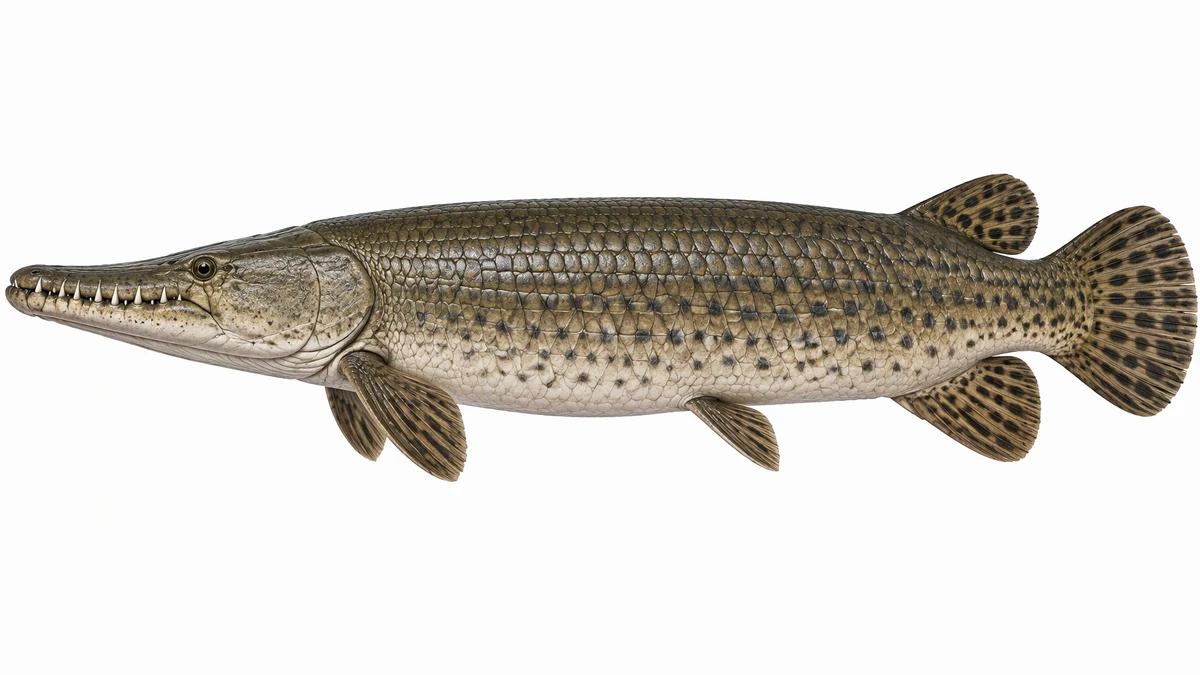
How to Catch Alligator Gar
The alligator gar is the biggest gar in the world, and learning how to catch alligator gar means accepting that you are no longer bass fishing. You are targeting a fish that can pass 8 feet and 300 pounds, with a crocodile snout, two rows of big teeth and a body wrapped in armor. This is a fish that takes heavy tackle, big bait and a plan for release before the cast ever leaves the rod. It is a living fossil managed carefully after decades of decline, which is why the rules matter as much as the rig. This guide covers the best time to catch alligator gar, the gear and bait that stand up to a giant, the rigs that hold, step-by-step tactics, and the rules and handling that keep these fish in the river. Read the full Alligator Gar species profile for identification, range and record history.
Best Time to Catch Alligator Gar
Alligator gar are warm-water fish that feed best in water between about 70°F and 85°F (21–29°C), and they tolerate low oxygen because they can gulp air at the surface. On hot days you will see them roll in quiet backwaters, keeping company with the kind of stagnant water that sends other big predators elsewhere.
Spring is a strong window. Spawning is tied to spring flooding, usually from April into June, when fish move onto flooded vegetation and shallow flats, often at night. Spring flood conditions also push fish into new water and put them on the feed.
Summer is the season for big fish. Warm water, stable levels and abundant prey keep gar holding in deep holes and current breaks, and serious anglers target the biggest fish in the heat.
Fall remains productive while the water holds warmth, then slows as temperatures fall. In winter, fish pull into deep water and turn lethargic.
Timing within the day favors low light and warm water. Alligator gar feed strongest in low light, though they also feed during the day in turbid rivers. They are not fast swimmers over long distances; they conserve energy, hold in cover and strike when prey comes close. That means you are usually fishing a specific spot rather than covering water. Big fish often hold in the same areas year after year, so local knowledge beats constant casting.
Best Gear for Alligator Gar
This is where alligator gar fishing differs from everything else in this guide. The gear must be rated for a fish that can weigh 100 pounds or more, and it must be reliable when a giant rolls at the boat.
| Component | Alligator gar-ready choice |
|---|---|
| Rod | Heavy 7–8 ft conventional or heavy spinning rod rated for 50–80 lb |
| Reel | Large conventional or heavy spinning reel with a strong, smooth drag |
| Main line | 65–100 lb braid |
| Leader | Heavy mono or a wire/steel leader for abrasion and teeth |
| Hook | Large circle hook (preferred for release) or heavy J hook, 8/0 and up |
| Extras | Heavy gloves, jaw grip or tail rope, large landing net or sling, bolt cutters |
Heavy braid is the standard main line because it holds up to abrasion and the strain of a big fish. A heavy leader protects against teeth and rough cover. A large circle hook set in the corner of the mouth is the best choice for catch-and-release, while a heavy J hook can work for cut bait. Match the hook size to the bait; a half-pound chunk of mullet needs a big hook.
The support gear is not optional. Heavy gloves protect your hands from teeth and sharp scales. A jaw grip or tail rope lets two people control a big fish in the water. A large net or sling helps land and release it safely, and bolt cutters let you cut a hook if a fish is hooked somewhere you cannot safely reach. Plan the release before you cast: where the fish will be controlled, how it will be measured, and how it will be revived and let go.
Do not bring bass tackle to an alligator gar trip; it will break off or straighten hooks where the big gear would hold.
Best Bait for Alligator Gar
Alligator gar eat mostly fish: carp, buffalo, shad, mullet, catfish and other rough fish. Big adults also take waterfowl, turtles, crabs and small mammals, so they are opportunistic and not picky about size. The best bait for alligator gar is a big, fresh, oily chunk of fish.
Natural bait is the standard. Live or fresh cut bait such as mullet, carp or buffalo is the go-to, presented on the bottom or under a float. Fresh is far better than rotten; a gar can smell and taste the difference, and fresh bait stays on the hook. Big chunks are the rule, because you are trying to interest a fish that swallows prey whole.
Artificial lures are a secondary option. Big swimbaits and rope lures can work, and a frayed nylon rope lure is a classic gar trick that tangles in the teeth. Rope lures are especially useful when you want a hookless option, though landing and releasing a giant on a rope lure takes care.
Match bait to the water and the fish. In a big river with strong current, a heavy chunk of cut bait that stays put is better than something light that washes away. A fresh cut bait in a deep hole is the kind of easy meal a waiting giant is built to take.
Alligator Gar Rigs
Alligator gar rigs are built around heavy line, big hooks and the ability to present a large bait in deep water or current without failing under strain.
Bottom rig for deep holes. Use a heavy slip sinker or a three-way swivel above a short, heavy leader and a large circle hook. Bait with a big chunk of cut mullet, carp or buffalo and cast into deep holes, channel edges or the slack water below dams. The sinker holds bottom in current, and the circle hook sets in the corner of the mouth for a cleaner release.
Float rig for suspended fish. A large, high-visibility float with a heavy leader and a big circle hook suspends bait at a set depth. This works when fish are holding off the bottom or in slower current where a float can drift naturally through a hole.
Live-bait rig. Where legal, a heavy leader and a large circle hook with a live baitfish lets the bait swim naturally. Use a float or a heavy sinker depending on depth and current, and be ready for a hard, fast take.
Rope-lure rig. Tie a heavy frayed nylon rope lure to a heavy leader. Work it slowly through likely water and let a gar grab and turn. It is a hookless option that tangles in the teeth, best suited to fish you can control and release carefully.
Whatever the rig, use the heaviest components you can present naturally and check knots and leaders before every cast. A rig that fails on a hundred-pound fish is worse than no rig at all.
How to Catch Alligator Gar, Step by Step
- Know the rules first. Alligator gar are tightly managed, and some waters are catch-and-release or closed. Confirm the season, size limit and gear rules for your exact water before you fish.
- Find the holding water. Look for deep holes near current, channel edges, sunken timber and the slack water below dams. Big fish often use the same spots year after year.
- Anchor or position carefully. You are fishing a spot, not covering water. Set up so you can present bait into the hole and control a big fish away from snags.
- Present a big, fresh bait. Drop a large chunk of cut bait to the bottom or suspend it under a float at the depth the fish are using.
- Wait and stay ready. Alligator gar are ambush feeders that conserve energy. Be patient, keep the drag set and the rod in hand or close by.
- Let the fish take it. When a big gar picks up the bait, let it move off before engaging. With a circle hook, do not swing; let the hook load as the fish turns away.
- Fight with steady pressure. Use the rod and drag to tire the fish. Do not muscle a giant to the boat; let the tackle do the work and keep the fish away from structure.
- Control and release. Two people, heavy gloves and a jaw grip or tail rope. Keep the fish in the water as much as possible, measure quickly, revive it and let it go. Cut the hook if it is unsafely placed.
The most common mistake is underestimating the fish. Anglers bring tackle meant for catfish or bass, hook a giant and either break off or exhaust the fish to death. Plan for the biggest fish in the river, and you will be ready for the one you actually hook.
Where to Catch Alligator Gar
The alligator gar is native to the lower Mississippi River basin and the Gulf Coastal Plain, from the Florida panhandle west through Alabama, Mississippi, Louisiana and Texas, and south into northeastern Mexico. Within that range, it needs big, slow water with access to floodplains.
- Deep holes near current. The classic big-fish spot in large rivers.
- Channel edges and current breaks. Where fast water meets slack, gar wait for prey.
- Slack water below dams. A reliable holding area, especially in spring.
- Sunken timber and structure. Cover in big rivers and backwaters holds fish.
- Oxbows, bayous and backwater lakes. Off-channel water with warm temperatures and abundant prey.
- Flooded flats in spring. Spawning fish move onto flooded vegetation, often at night.
Big alligator gar often hold in the same areas year after year, so learning a stretch of river and its deep holes pays off. Dams and levees that cut off the floodplain have hurt populations in many rivers, so healthy floodplain access is a good sign for fish.
Alligator Gar Regulations and Safety
Alligator gar regulations are strict and vary by state, and this is the part of the trip you cannot skip. Texas, which holds some of the best populations, uses a 48-inch minimum and a one-fish daily limit on most waters, and the Texas Parks and Wildlife Department publishes detailed rules by water body. Louisiana, Mississippi, Arkansas and Alabama all have their own limits, seasons or protections, and some waters are catch-and-release only. As of 2025, do not rely on a blog for the rule that applies to your river; check the current regulations from the agency that manages the water, such as the Texas Parks and Wildlife Department, the Louisiana Department of Wildlife and Fisheries, the Mississippi Department of Wildlife, Fisheries, and Parks, or the Arkansas Game and Fish Commission.
Safety is serious with a fish this size. A hooked hundred-pound gar can bite, thrash and roll, so handling one is a two-person job with heavy gloves, a jaw grip or tail rope, and a plan to release it without injury to fish or angler. The eggs are toxic to humans and other animals; never eat gar roe, keep it away from pets and children, and wash your hands after handling a ripe female. There is also a legal risk: killing an alligator gar without the right permit or in the wrong water can be a violation. Know the rules, release big fish whenever possible, and treat every alligator gar as a release fish unless your state clearly allows harvest.
Common Mistakes and Alligator Gar Fishing Tips
- Under-gunning the tackle. Bring gear rated for a 100-pound fish, not bass or light catfish tackle.
- Skipping the rules. Seasons, size limits and gear restrictions vary by water. Check before you fish.
- Old or rotten bait. Fresh, oily cut bait outperforms spoiled bait and stays on the hook.
- Swinging on a circle hook. Let the fish load the hook as it turns away; do not set it like a J hook.
- Fighting too hard. Muscle a giant and you risk breaking off or exhausting the fish to death.
- No release plan. Decide how you will control, measure and revive the fish before you cast.
- Handling without gloves. Teeth and scales cut. Use gloves and a jaw grip or tail rope.
- Keeping a protected fish. Some waters are catch-and-release or closed. Release big fish and follow the law.
FAQ
What is the best time to catch alligator gar? Spring through summer, when water is about 70–85°F. Target summer for the biggest fish and watch spring floods, when fish move onto flooded flats to spawn.
What bait for alligator gar works best? Fresh cut bait such as mullet, carp or buffalo is the standard. Big swimbaits and rope lures also work. Use heavy line, a strong leader and a large circle or J hook.
How do you catch a giant alligator gar? Fish deep holes and current breaks in big rivers, present a big fresh bait on the bottom or under a float, and use tackle rated for a 100-pound fish. Keep the drag set and plan the release before you cast.
Where do alligator gar live? In large rivers, bayous, oxbows and reservoirs of the lower Mississippi basin and the Gulf Coastal Plain, from the Florida panhandle through Texas into northeastern Mexico.
Do you need special gear for alligator gar? Yes. Heavy braid, a heavy or wire leader, a large circle or J hook and a rod and reel rated for big fish. Gloves, a jaw grip or tail rope and bolt cutters are part of the kit.
Can you keep an alligator gar? Only where state rules allow. Many waters have minimum lengths, daily limits or catch-and-release rules, and some states protect the species. Check the current regulations before you fish.
Alligator gar demand heavy tackle, fresh bait, patience and respect for the rules. Fish the deep holes, wait for a giant to commit, fight it with steady pressure, and release it carefully. That is how to catch alligator gar, and why these river giants are worth protecting as much as they are worth catching.
Related Articles
- How to Catch Longnose Gar — the needle-snouted relative that shares southern rivers.
- How to Catch Spotted Gar — a smaller, heavily spotted gar of the same backwaters.
- How to Catch Paddlefish — another giant of big southern rivers, with its own special rules.
- Alligator Gar species profile — identification, habitat and the world-record story.
- All species profiles
About the author and how this was tested
About the author
FishermanGuy
Bank, boat and kayak angler · fishing, crabbing and shrimping since 2021
I buy the gear, fish it for a season and write down what failed. No sponsored verdicts, no free-sample flattery. Every rig on this page has landed fish in water I can point at on a map.
How this was tested
- Every rig gets at least six trips on the same water before it is published.
- Gear is bought at retail. Free samples are labelled in the first paragraph.
- Dates show first publication and the last time the page was updated.