Field notes
How to Catch Rainbow Trout: Baits, Lures & River Tactics
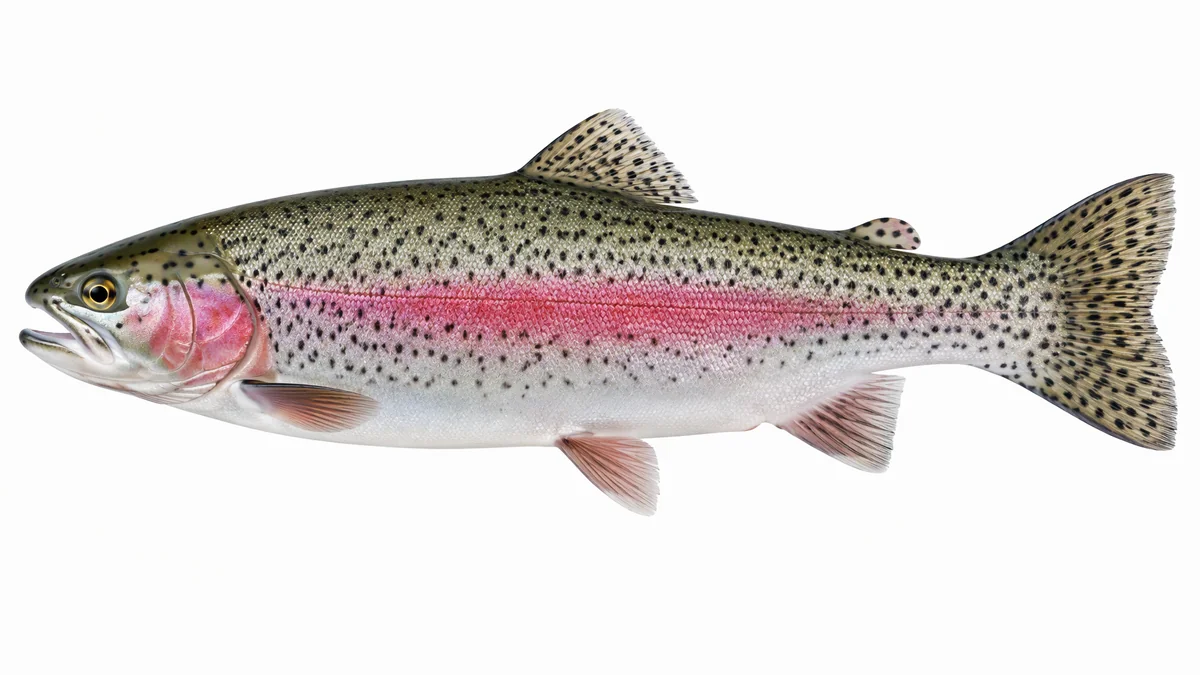
How to Catch Rainbow Trout
Rainbow trout are the fish that turn cold water into a destination. They are stocked by the millions in lakes and streams, they fight with jumps and runs, and they respond to everything from a worm to a hand-tied fly. Learning how to catch rainbow trout is really a lesson in reading cold water: find the current seam, the shade line, or the freshly stocked cove, and present something small and natural. This guide covers timing, tackle, bait, rigs, river tactics, and the handling rules that keep trout alive. Read the full Rainbow Trout species profile for identification and range.
Best Time to Catch Rainbow Trout
Rainbow trout are cold-water fish. They feed best between about 50°F and 65°F (10–18°C) and stay active from roughly 41°F to 68°F (5–20°C). Above the upper 60s, oxygen drops and fish become stressed. That single fact shapes the whole calendar.
Spring is strong. Stocked lakes and put-and-take streams are full of fish, water is cool, and trout feed heavily. Rainbows also spawn in spring, usually late winter into April, when fish move into gravel riffles and tributaries. Spawning fish are not the best target, but the periods before and after are.
Summer pushes trout to cold refuges. In rivers, they hold in riffles, undercut banks, and the mouths of spring creeks. In lakes, they go deep or near cold inflows. Fish early and late, and look for shade and oxygen. Fall brings cooler water and aggressive feeding before winter, and many states stock trout again. Winter can be excellent on tailwaters and spring creeks where water stays in the 40s; fish slow and deep.
Time of day matters, but trout are less rigid than bass. Dawn and dusk are best, and overcast days fish well all day. In clear, sunny water, fish the riffles and shaded banks. After rain, rising water can color a stream and turn the bite on, though dangerous flows demand caution.
Best Gear for Rainbow Trout
Trout tackle is light, and that is the point. A soft rod protects light line and small hooks.
| Component | Trout-ready choice |
|---|---|
| Rod | 6–7 ft light or ultralight spinning rod; 4–6 wt fly rod |
| Reel | 1000–2000 size spinning reel with a smooth drag |
| Main line | 4–6 lb monofilament or fluorocarbon |
| Hook | Size 8–14 bait hook or treble for dough bait |
| Lures | 1/8–1/4 oz spinners and spoons; small crankbaits |
| Extras | Split shot, slip sinker, net, polarised glasses |
Fluorocarbon helps in clear water, and 4–6 lb line is standard. Heavier line spooks trout and kills the action of small lures. A long-handled rubber-mesh net is not optional; trout are delicate, and a net keeps the fish in the water while you unhook it.
Polarised glasses are a trout tool, not a luxury. They cut surface glare so you can see seams, rocks, and fish before you cast.
Best Bait for Rainbow Trout
Rainbow trout eat aquatic insects, terrestrials, fish eggs, and small baitfish. The best bait depends on whether you are fishing a stocked pond or a wild river.
Natural bait works where it is legal. Nightcrawlers, salmon eggs, and mealworms are classic. A piece of worm drifted naturally through a pool catches fish anywhere trout live. In stocked lakes, commercial dough baits such as Berkley PowerBait are extremely effective; the fish were raised on pelleted feed and recognize the scent. Add a marshmallow or corn where allowed for buoyancy and colour.
Artificial lures cover water and last longer. Small spinners in the 1/8–1/4 oz range, such as Rooster Tail or Mepps-style blades, are the standard. Casting spoons like a Little Cleo or Kastmaster reach deeper fish. Small minnow-style crankbaits and jerkbaits work for bigger trout, especially in lakes.
Flies are the connoisseur's choice. Nymphs, egg patterns, streamers, and dry flies all catch rainbows. In rivers, a dead-drifted nymph or an egg pattern under a strike indicator is deadly. In lakes, strip a streamer or fish a chironomid under an indicator.
Match the water. Stocked fish often want dough bait or a shiny spinner. Wild river fish usually want something that looks like food drifting naturally.
Trout Rigs for Rivers and Stocked Lakes
A trout rig should present a small bait naturally and let you feel or see the take.
Floating bait rig. Thread a 1/8–1/4 oz slip sinker on the main line, add a bead and swivel, then tie an 18–24 inch leader to a small treble or bait hook. Mould dough bait around the hook so it floats just off the bottom. This is the go-to rig for stocked lakes and slow pools.
Drift rig. Use a split shot or small sinker above a size 10–14 hook and drift a worm, egg, or nymph through current. Keep the line tight enough to feel a tick. This is the core river presentation.
Float rig. A slip float with a jig or bait suspended below it works in slow water and around cover. Set the depth so the offering drifts just above the bottom.
Fly rig. A strike indicator with a nymph or egg pattern below is the standard fly-fishing setup. Adjust the depth until the fly drifts at the fish's level.
For stocked lakes, cast the floating bait rig, let it settle, and watch the line. For rivers, cast upstream and let the current do the work.
How to Catch Trout in a River, Step by Step
- Read the river. Trout hold in riffles, current seams, pools, undercut banks, and behind boulders. Look for the foam line and the soft water beside fast current.
- Stay low and quiet. Trout see upward and spook easily. Wear drab colours, move slowly, and avoid casting a shadow over the water.
- Cast upstream. Present the bait or lure above the fish and let it drift down naturally. A downstream cast drags unnaturally.
- Drift through the strike zone. Mend the line or lift the rod tip to keep slack out without dragging the bait.
- Watch the line and the float. Trout often take softly. A stop, a twitch, or a float that dips is a bite.
- Set the hook with a lift. A smooth sweep is enough. Trout have soft mouths.
- Play and land quickly. Use the current to tire the fish, keep the rod bent, and net it in the water.
- Handle wet and release fast. Wet hands, no dry towel, and minimal air time.
The most common river mistake is standing where the fish are. Trout hold in the same water you want to wade through. Fish a run before you walk it.
Where to Catch Rainbow Trout
Rainbow trout need cold, clean, oxygen-rich water. Within that, they choose cover and current.
- Riffles and runs. Fast, shallow water with broken surface holds feeding trout. Fish the seam where fast meets slow.
- Pools and undercut banks. Deep, shaded water is a refuge. Drift bait through the head and tail of the pool.
- Behind boulders and logs. The soft pocket behind an obstruction is a prime lie. Fish it from downstream.
- Inflows and spring creeks. Cold water entering a lake or river attracts trout, especially in summer.
- Stocked lake shorelines. Right after stocking, fish cruise the bank near the release point. Fish shallow and cover water.
- Tailwaters below dams. Cold, steady releases keep trout active year-round.
In lakes, fish the drop-offs and inlets early, then go deeper as the sun climbs. In rivers, work upstream and fish every piece of likely water.
Rainbow Trout Regulations and Safety
Trout are heavily regulated. A fishing license is required, and many states add a trout stamp or permit. Limits are commonly around five fish per day on stocked water, but wild-trout streams often have lower limits, minimum lengths, artificial-lure-only rules, or catch-and-release sections. Some waters ban bait entirely.
Rules come from state agencies such as the Pennsylvania Fish and Boat Commission, Colorado Parks and Wildlife, or the equivalent department in your state. Check the current regulation booklet before you fish; trout rules change by water and season.
Safety has two parts. First, fish handling: trout have a thin slime coat and fragile gills. Wet your hands, use a rubber net, never beach a fish on dry rocks, and keep release time short. Second, wading safety: cold, fast water is dangerous. Wear a wader belt, use a staff in strong current, and do not wade above your comfort level. Last verified: November 2025.
Common Mistakes and Rainbow Trout Fishing Tips
- Line too heavy. Trout see 8–10 lb line. Drop to 4–6 lb.
- Standing in the lie. Fish the water before you wade through it.
- Casting downstream. Drag makes bait and lures look wrong. Cast upstream and drift.
- Too big a lure. A 1/4 oz spinner is plenty; big trout may still want something smaller.
- Ignoring stocked-fish behaviour. Freshly stocked trout often stay shallow near the release point and eat dough bait.
- Rough handling. Dry hands and dry rocks kill trout. Wet hands, rubber net, quick release.
- Fishing warm water. Above the upper 60s, trout are stressed. Fish early, find cold inflows, or target another species.
- Skipping the drift. A natural dead-drift beats a fast retrieve in rivers most days.
FAQ
What is the best time to catch rainbow trout? Spring and fall, when water is 50–65°F. Fish dawn and dusk in summer, and target cold tailwaters or spring creeks in winter.
What bait for rainbow trout works best? Nightcrawlers, salmon eggs, and dough bait where legal. In stocked lakes, PowerBait-style dough is hard to beat. Spinners and flies work everywhere.
How do you catch trout in a river? Cast upstream, drift bait or a nymph through riffles, seams, and pools, and keep the line tight enough to feel the take. Stay low and fish each run before wading it.
How do you fish for stocked trout? Fish shallow near the release point with dough bait on a floating rig or a small spinner. Stocked fish often hold close to shore for the first few days.
How do you catch big rainbow trout? Fish larger streams and lakes, use bigger streamers or crankbaits, and target low-light periods. Big trout are wary and often hold in deep cover.
Do rainbow trout bite in winter? Yes, especially in tailwaters and spring creeks with stable cold water. Fish slow, deep, and small, and expect soft takes.
Rainbow trout ask for clean presentations and cold water, not complicated tackle. Find the seam, drift something natural, and handle the fish well. That is how to catch rainbow trout, and why the cold months are worth the extra layers.
Related Articles
- Brown Trout — the wary European cousin that shares cold rivers.
- Brook Trout — a native char of small, cold streams.
- Lake Trout — a deep-water char for big northern lakes.
- Cutthroat Trout — a western native with a red slash under the jaw.
- All species profiles
About the author and how this was tested
About the author
FishermanGuy
Bank, boat and kayak angler · fishing, crabbing and shrimping since 2021
I buy the gear, fish it for a season and write down what failed. No sponsored verdicts, no free-sample flattery. Every rig on this page has landed fish in water I can point at on a map.
How this was tested
- Every rig gets at least six trips on the same water before it is published.
- Gear is bought at retail. Free samples are labelled in the first paragraph.
- Dates show first publication and the last time the page was updated.