Field notes
How to Catch Yellow Perch: Rigs for Open Water and Ice
How to Catch Yellow Perch
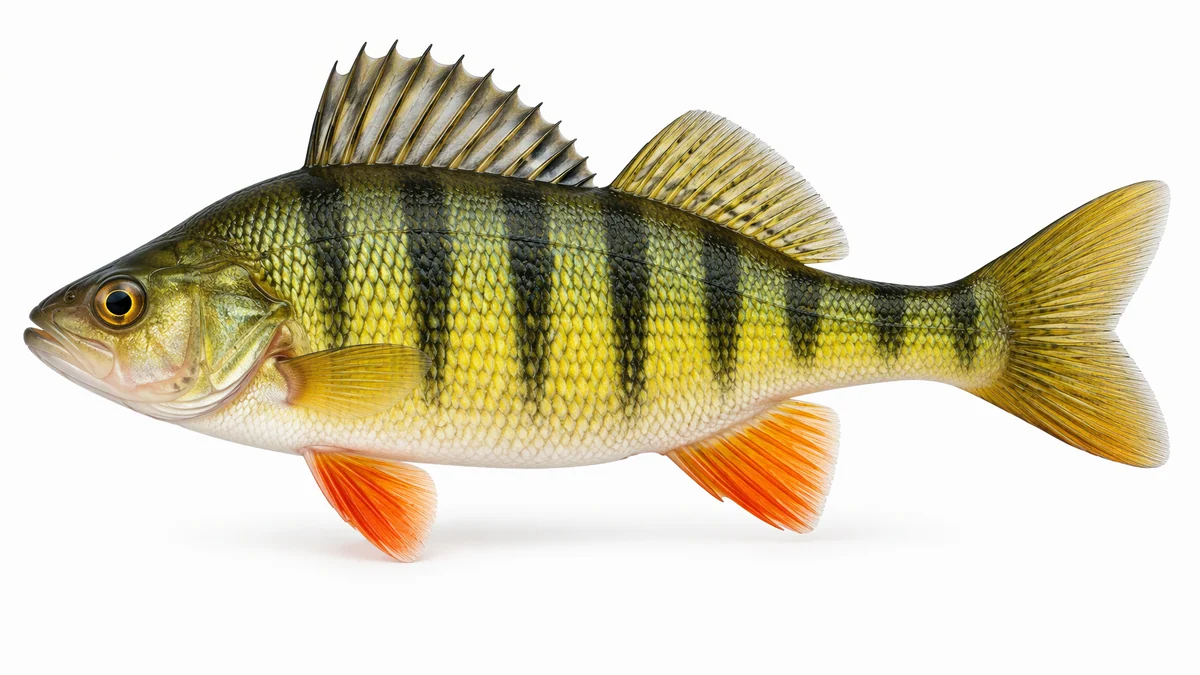
The yellow perch is a small, striped, cold-water fish that has introduced more people to fishing than almost any other species in the northern states. It schools in lakes and slow rivers, bites through the ice, tastes good on the plate, and looks like a hand-painted lure with its yellow-green sides and dark bars. If you want to know how to catch yellow perch, the key is to find the school and match small bait to it. This guide covers timing, gear, the best bait for yellow perch, rigs, open-water and ice technique, and location. Read the full Yellow Perch species profile for identification and biology.
Best Time to Catch Yellow Perch
Yellow perch are among the most cold-tolerant panfish, so their feeding season runs long. Water in the 50s to mid-70s Fahrenheit keeps them active, roughly 50–75°F (10–24°C). They stay catchable when bass and sunfish slow down, which is a big part of their appeal.
Ice-out through early spring is one of the best windows. Shortly after the ice leaves, when water reaches about 45–55°F (7–13°C), perch spawn. Females release long, gelatinous egg strands over weeds, brush, and gravel. Fish feed heavily before and after the spawn, and shallow flats warm first. Fall is the other prime window, when perch group tightly and feed aggressively before winter. Summer scatters the schools over deeper flats and along the thermocline, but weed edges still hold fish at dawn and dusk. Winter is ice-fishing season, and perch remain active under the ice if you find them.
Time of day matters. Feeding peaks in the morning and late afternoon, and low light is best. Under overcast skies, schools can bite all day. In clear, bright conditions, expect a slower midday bite and focus on deeper structure.
Best Gear for Yellow Perch
Perch tackle is light, but it needs enough backbone to handle an occasional bonus fish like a walleye or bass. Balance light line with a rod that can set a hook in a bony mouth.
| Component | Yellow perch-ready choice |
|---|---|
| Rod | 5–6.5 ft light spinning rod; short light ice rod in winter |
| Reel | 1000–2500 size spinning reel |
| Main line | 4–6 lb monofilament, or 6–10 lb braid to a fluorocarbon leader |
| Hook | Size 6 to 8 bait hook, or a 1/16–1/32 oz jig |
| Terminal | Small spoons, jig heads, split shot, small float |
| Extras | Forceps, small net, sonar or flasher on ice |
Light line is the rule. Perch have sharp eyesight in clear water, and 4 to 6 lb line or a fine fluorocarbon leader gets more bites than heavy mono. A light, sensitive rod lets you feel a subtle tap and set the hook without tearing the bait out of a soft-mouthed fish.
On ice, a short, light rod with a spring bobber or sensitive tip is standard. A flasher or sonar is a real advantage because it shows fish and their depth, and perch schools move.
Best Bait for Yellow Perch
Yellow perch eat aquatic insect larvae, mayflies, caddisflies, and midges when small, then shift to minnows, shiners, small crayfish, and the young of other fish as they grow. Match that with small, natural offerings.
- Small minnows. A live minnow on a size 6 hook or a 1/16 oz jig is the classic big-perch bait.
- Worms. A piece of nightcrawler or a red wiggler is a reliable fallback, especially for numbers of fish.
- Small jigs. A 1/16 to 1/32 oz tube jig or curly-tail grub imitates a minnow or insect.
- Tiny spoons. A small spoon or jigging spoon triggers reaction strikes and casts well in wind.
- Ice jigs and spikes. On ice, a tiny jig tipped with a minnow head, a waxworm, or a spike is the standard.
- Soft plastics. Small paddle-tail plastics on a light jig head cover water and catch big perch in open water.
When anglers ask what bait for yellow perch is best, the honest answer depends on the season. Live minnows and small jigs win in open water; tiny jigs tipped with spikes or a minnow head win on ice. Keep every bait small, because a perch has a small mouth.
Yellow Perch Rigs for Lakes, Rivers and Ice
Several rigs cover the main perch situations, from a drifting boat to a hole in the ice.
Perch rig (spreader). A two-hook spreader with small hooks and split shot lets you fish two baits at once, often a minnow and a worm, near the bottom. It is the traditional yellow perch rig for lakes.
Jig and minnow. A 1/16 to 1/32 oz jig head tipped with a minnow or half a minnow is the simplest and most versatile presentation. Cast, count it down, and swim or hop it back.
Float rig. A small slip float with a minnow or worm below it keeps the bait at a set depth over weeds or a drop-off. It is ideal for kids and for fishing a known school.
Drop-shot. For suspended fish over deeper flats, a drop-shot rig with a small plastic or bait holds the offering at the depth fish are holding.
Ice jig. On ice, a 1/32 to 1/64 oz jig tipped with a spike or minnow head, fished vertically, is the standard. Jig it gently, pause, and watch the flasher and the line.
How to Catch Yellow Perch, Step by Step
- Find structure. Look for weed edges, gravel bars, drop-offs, and hard bottom. In summer, check deeper flats and the thermocline.
- Locate the school. Perch group by size, so a spot with small fish may hold bigger fish slightly deeper or along a different edge. Use sonar to find marks.
- Match bait size. Start small with a jig and minnow or a worm. If small fish dominate, size up slightly to select bigger perch.
- Get to depth fast. Count the jig down or set the float so the bait sits at the depth fish are holding.
- Work it slowly. Lift-and-drop a jig, drag it along bottom, or let a float sit with a twitch. Perch are not fast chasers.
- Watch for a light tap. The bite is often a subtle tap or a float that dips and moves off. Set the hook with a quick upward sweep.
- Stay with the school. Once you find fish, catch several before the school moves, then follow the edge or the depth contour.
On ice, drill over a weed edge, drop-off, or basin, use a small jig tipped with a minnow or spike, and move until you find fish. A flasher helps you keep the bait at their depth and see how they react.
Where to Catch Yellow Perch
Yellow perch live in lakes, reservoirs, and slow rivers across central and eastern North America. They favor cool, moderately deep water with structure, especially where weed beds, gravel bars, and drop-offs meet. They avoid fast current and warm, stagnant shallows in summer.
- Weed edges. Perch sit just outside the vegetation, where they can see prey and retreat into cover.
- Gravel and hard bottom. These areas attract insects and crayfish, and fish gather over them in fall.
- Drop-offs and points. Where the bottom falls away, perch suspend and feed along the break.
- Bridge pilings and river pools. In slow rivers, current breaks and pilings hold fish.
- Deep basins in winter. On ice, perch hold near the bottom in deeper water, often in basins next to shallow flats.
In summer, schools suspend over deeper flats or follow baitfish along the thermocline. In fall, they group more tightly. Once you find a school, you can usually catch several fish before it moves, so work the spot thoroughly before relocating.
Yellow Perch Regulations and Safety
Yellow perch regulations vary widely. Some states set no minimum length and a daily bag of 25 to 50 perch; others allow unlimited harvest in certain waters, and a few impose stricter limits to protect slow-growing populations. Great Lakes states often have separate rules for different lakes and management zones, and some waters close or restrict harvest during the spring spawn. A fishing license is required, and some waters add special permits or seasonal closures.
Because perch are heavily harvested and rules change often, check the current regulation booklet or website for the state agency that manages your water before keeping fish. In the Great Lakes region, the Minnesota Department of Natural Resources (MNDNR) and the Wisconsin Department of Natural Resources (WIDNR) publish state rules; tribal and interstate rules may also apply. Last verified: November 2025.
Perch are not venomous, but they have a spiny dorsal fin and a sharp gill cover that can prick a hand. Hold fish with wet hands, fold the spiny dorsal fin down gently, and avoid gripping the body too tightly. On ice, keep handling short in freezing weather, when a fish's gills and eyes are vulnerable. Use small hooks and pinch the barb if you plan to release fish.
Common Mistakes and Yellow Perch Fishing Tips
- Bait too big. A perch has a small mouth. Oversized minnows and baits miss bites. Scale down.
- Heavy line. In clear water, 8 to 10 lb line cuts bites. Use 4 to 6 lb or a fluorocarbon leader.
- Fishing blind. Perch schools move. Use sonar on open water and a flasher on ice to stay on fish.
- Staying too long in one spot. If the school moves, follow the edge or the depth contour.
- Ignoring size sorting. Small fish in one spot often mean bigger fish are nearby, slightly deeper or along another edge.
- Slow presentations only. Sometimes an aggressive jigging cadence triggers reaction strikes, especially on ice.
- Rough handling on ice. Frozen air dries gills fast. Unhook quickly and return fish promptly.
- Keeping everything. Slow-growing populations benefit from selective harvest. Release the big breeders.
A few extra yellow perch fishing tips help on tough days. In summer, fish dawn and dusk along weed edges. In fall, target gravel and hard bottom. On ice, drill several holes along a break and hop between them until you find an active school, then stay put and keep the bait at their depth.
FAQ
What is the best time to catch yellow perch? Ice-out through early spring, and again in fall, when fish group and feed hard. Summer mornings and evenings along weed edges are good, and winter ice fishing stays productive if you find the school.
What bait for yellow perch works best? Live minnows and small jigs in open water; tiny jigs tipped with spikes or a minnow head on ice. Worms and small spoons are reliable backups.
What are the best yellow perch fishing techniques? Find the school with sonar, match small bait to fish size, and work slowly with a jig, perch rig, or float. On ice, hop between holes until you find fish, then hold at their depth.
What is the best yellow perch rig? A jig and minnow for versatility, or a two-hook spreader rig for fishing two baits near the bottom. A small slip float works well over weeds and drop-offs.
Where can you catch yellow perch? Weed edges, gravel bars, drop-offs, and hard bottom in lakes, reservoirs, and slow rivers. In winter, look in deeper basins next to shallow flats.
How do you catch yellow perch through the ice? Drill over a weed edge, drop-off, or basin, use a small jig tipped with a minnow or spike, and move until you find a school. A flasher or sonar helps locate fish and keep the bait at their depth.
The yellow perch is proof that a fish does not need size to be worth chasing. Find the school, match the small bait, and the perch will keep the rod bent through summer, fall, and the coldest days of winter. That is how to catch yellow perch, and why so many northern anglers start and finish the year with them.
Related Articles
- How to Catch Pumpkinseed — a warm-water sunfish for the same light tackle.
- How to Catch Longear Sunfish — a small-stream native with a very different look.
- How to Catch Muskellunge — a big predator that shares northern lakes.
- Yellow Perch species profile — identification, habitat, and biology.
- All species profiles
About the author and how this was tested
About the author
FishermanGuy
Bank, boat and kayak angler · fishing, crabbing and shrimping since 2021
I buy the gear, fish it for a season and write down what failed. No sponsored verdicts, no free-sample flattery. Every rig on this page has landed fish in water I can point at on a map.
How this was tested
- Every rig gets at least six trips on the same water before it is published.
- Gear is bought at retail. Free samples are labelled in the first paragraph.
- Dates show first publication and the last time the page was updated.