Field notes
How to Start Fishing: A Beginner's Guide
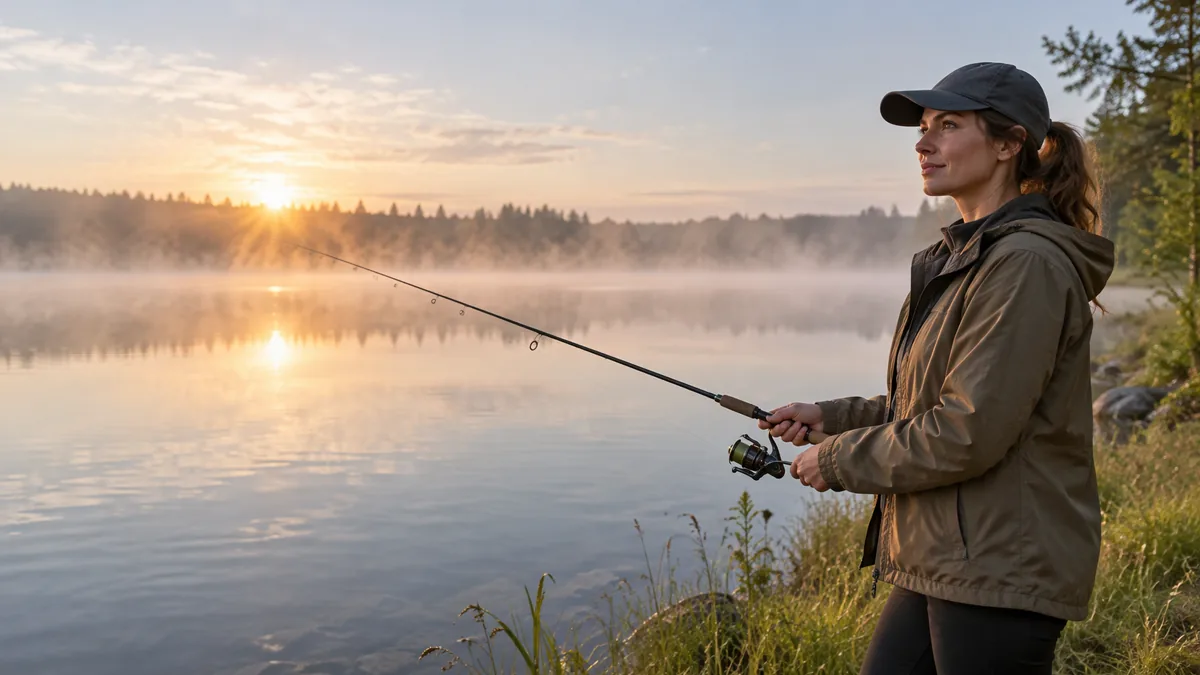
How to Start Fishing
Fishing looks easy from the bank: one person, one rod, one fish. Then you walk into a tackle shop and face a wall of rods, hundreds of hooks in tiny drawers, and a clerk asking questions you cannot answer. That gap between the postcard and the store is where most people give up.
This guide closes that gap. Learning how to start fishing does not require expensive equipment or years of practice. It needs four things in a sensible order: a simple setup, a place that holds fish, a legal license, and three basic skills — rigging, casting, and retrieving. Treat this page as your map. Each section links to a full guide when you want more detail, and the whole path is part of our Getting Started category.
Pick a Simple Setup and an Easy First Spot
The biggest beginner mistake is buying too much. A pro-style baitcasting reel and a trunk full of lures will not catch more fish for someone who has never cast before; they will just cost more and frustrate you faster.
A sensible first outfit is a medium-light spinning rod between 6 and 7 feet long, paired with a small spinning reel (a 2500 size is the common all-rounder), spooled with 8 to 10 pound monofilament line. "Spinning" refers to how the reel hangs under the rod and the line coils off a fixed spool — it is the easiest reel type to learn. "Monofilament" is the stretchy, forgiving nylon line that hides beginner mistakes better than stiff braid.
You do not need to spend a lot. A complete rod-and-reel combo plus a small starter pack of hooks, weights, bobbers, and a couple of lures is plenty, and many anglers put together a working kit for well under a hundred dollars. Our essential gear checklist for beginners breaks the kit down piece by piece, including budget tiers, and you can browse more options in the gear and tackle category.
Where to Fish and What to Catch
New anglers catch more fish when they start small and local. Public ponds, park lakes, and stocked community waters are ideal because they are easy to reach and usually hold plenty of willing fish. You do not need a boat; most beginners fish from the shore, a dock, or a pier.
Pick your first target by how easy it is to catch, not by how big it is. The more bites you get, the faster you learn.
- Bluegill and other sunfish are the classic first fish. They are abundant, aggressive, and hit small bait almost anywhere. Start with how to catch bluegill.
- Largemouth bass are the next step once you can cast and work a lure. They are widespread and fight hard. See how to catch largemouth bass and the largemouth bass profile.
- Rainbow trout are a great goal in cold streams, lakes, and stocked ponds. Read how to catch rainbow trout and the rainbow trout profile.
Each of those guides explains where the fish lives, what it eats, and which rig to use, so you are not guessing.
Get Your License and Know the Rules
Before you cast a line, confirm you are allowed to. In the United States and much of Europe, most adults need a fishing license to fish freshwater, and many places require a separate or additional permit for saltwater. Rules are set by state, province, or country, so the only reliable source is your local fish and wildlife agency. Some regions exempt young anglers, seniors, or residents fishing on designated free days, but you should never assume.
A license also comes with rules that protect the fishery: seasons, daily catch limits, minimum sizes, and protected species you must release. These change by water and by year. Our guide on whether you need a fishing license explains the general picture and how to check current regulations for your area — but always confirm the latest details with the agency itself before you go.
Learn the Three Core Skills: Rig, Cast, Retrieve
Almost all beginner fishing rests on three skills. Get these comfortable and everything else gets easier.
- Rigging means setting up your line — tying on a hook, adding a bobber and weight, or attaching a lure. Follow the step-by-step walkthrough in how to rig a rod and reel. Learn one reliable knot well rather than five badly.
- Casting is how you send bait away from shore. The overhand cast is the foundation. See how to cast a fishing rod for the motion, plus fixes for tangles and backlashes.
- Retrieving is simply winding the line back in. Keep the line fairly tight and reel slowly; a slow, steady retrieve catches more fish than a fast, jerky one. For bait under a bobber, the "retrieve" may just be watching and waiting.
You can find more on rod and reel basics in the rods and reels category. Practice casting in a park or backyard with a small weight and no hook before you fish; accuracy comes from repetition, not strength.
Fish the Right Time and Read the Water
Two habits separate beginners who catch fish from beginners who go home empty. The first is timing. Fish are most active around dawn and dusk, when light is low and bait is vulnerable. Midday in summer is usually slow. Our guide to the best time of day to fish covers daily patterns, weather, tides, and seasons.
The second is location. Fish gather around "cover" — weeds, fallen trees, docks, rocks — and along "structure," which means changes in depth or bottom, such as a drop-off or a channel edge. Cast near these features instead of into empty open water. Learning to spot them is the single fastest way to find fish, and how to read water shows you exactly what to look for.
Put the two together: go early or late, and fish near cover. That simple combination beats expensive tackle almost every time.
Handle Fish Well and Release Them Right
Many waters require you to release some or all of what you catch, whether because of size limits, protected species, or personal choice. This practice is called catch and release, and doing it well keeps fish alive to bite another day. Wet your hands before touching a fish, support its body horizontally instead of dangling it by the jaw, keep it out of the water only briefly, and unhook it quickly with pliers or a hook remover. Never squeeze a fish or let it flop on hot, dry rocks.
Some situations call for keeping a fish, and some fish should not be released at all. Our guide on catch and release explains proper handling, how to revive a tired fish, and when release is the wrong call.
Common Beginner Mistakes
Most early frustration comes from a handful of avoidable errors:
- Overbuying. Too much gear makes decisions harder. Start with one rod, one reel, and a small tackle box.
- Fishing where there are no fish. Open, featureless water rarely produces. Fish the edges, weeds, and shade.
- Casting too hard. Power does not equal distance. A smooth, controlled cast is more accurate and tangles less.
- Using a dull or oversized hook. A sharp hook in the right size hooks far more fish.
- Skipping the license and rules. A fine can ruin the trip; checking takes minutes.
- Not checking the knot. A weak knot fails exactly when a good fish bites. Test it before every cast.
Frequently Asked Questions
Is fishing expensive to start? No. A basic rod-and-reel combo plus a small tackle kit is enough, and many beginners spend well under a hundred dollars to begin.
Do I need a boat? No. Shore, dock, and pier fishing catches plenty of fish, and it is the cheapest way to start.
What is the easiest fish to catch for a beginner? Bluegill and other sunfish are the most forgiving. They are common, eager, and easy to find near shore.
Can I fish without a license? Sometimes — for example, young anglers in some regions or on designated free-fishing days — but the rules vary widely. Check your state or provincial agency before you fish.
How long before I catch my first fish? It depends on the water and the species. Choosing easy fish, fishing at the right time, and casting near cover will shorten the wait far more than any piece of gear.
Ready to build your kit? Start with the beginner gear checklist, then learn to rig and cast.
About the author and how this was tested
About the author
FishermanGuy
Bank, boat and kayak angler · fishing, crabbing and shrimping since 2021
I buy the gear, fish it for a season and write down what failed. No sponsored verdicts, no free-sample flattery. Every rig on this page has landed fish in water I can point at on a map.
How this was tested
- Every rig gets at least six trips on the same water before it is published.
- Gear is bought at retail. Free samples are labelled in the first paragraph.
- Dates show first publication and the last time the page was updated.