Best Baits for River Fishing
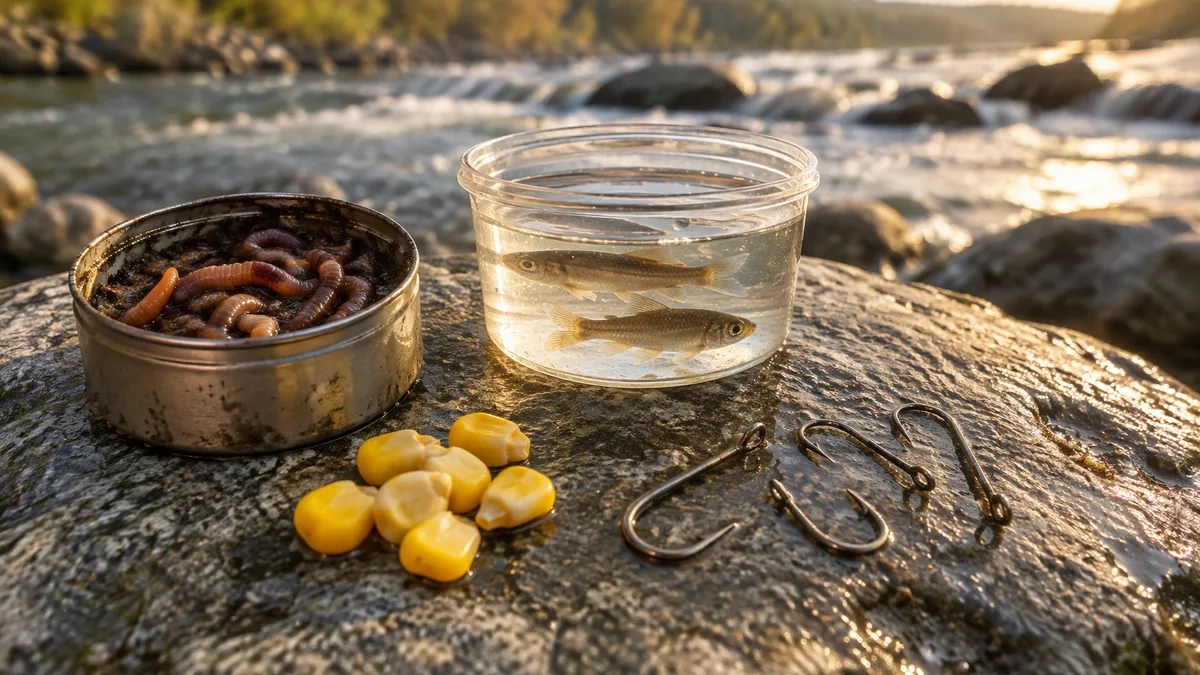
River fish face upstream and let current bring food, so bait has to drift naturally. Nightcrawlers, minnows, cut bait and plastics, rigged for flow.
Category
River fish face upstream and let current bring food, so bait has to drift naturally. Nightcrawlers, minnows, cut bait and plastics, rigged for flow.
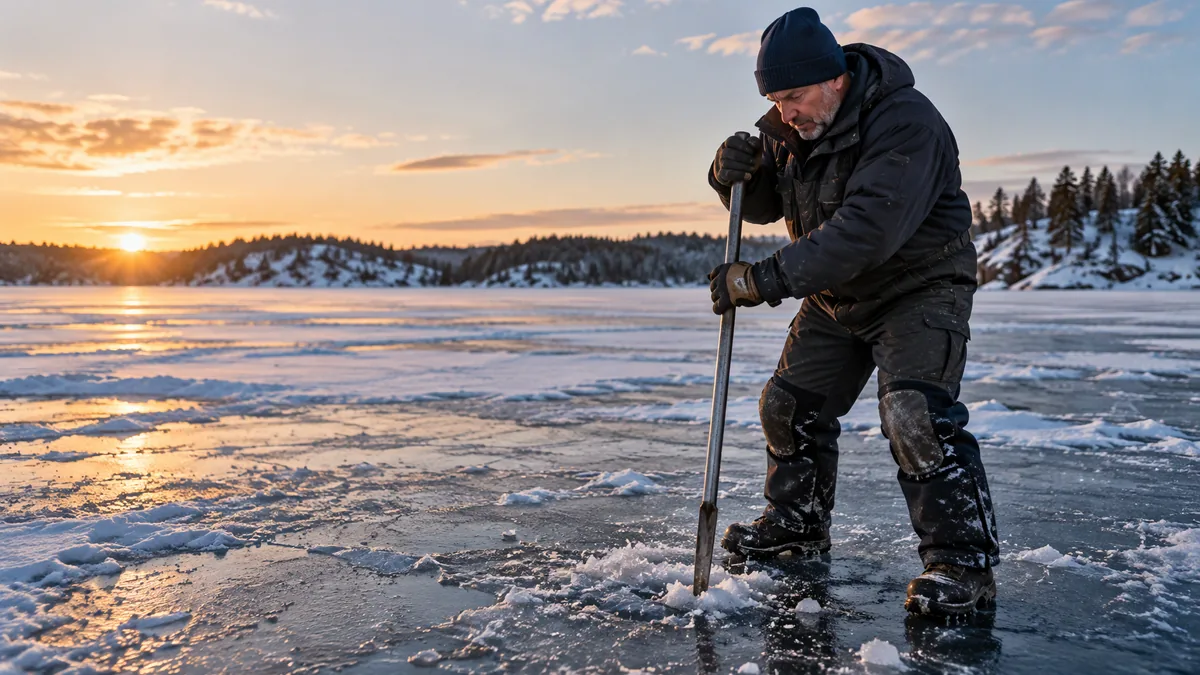
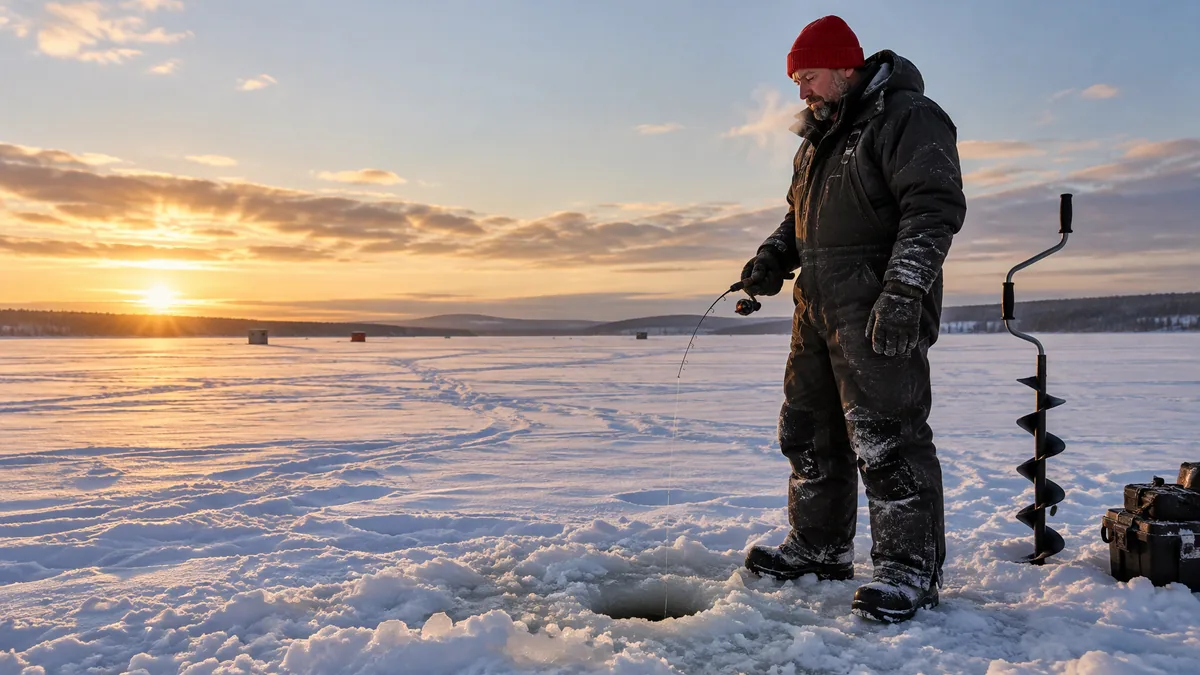
No ice is guaranteed safe. Measure thickness instead of guessing, know where thin ice hides, and carry the gear that buys you the first minute.
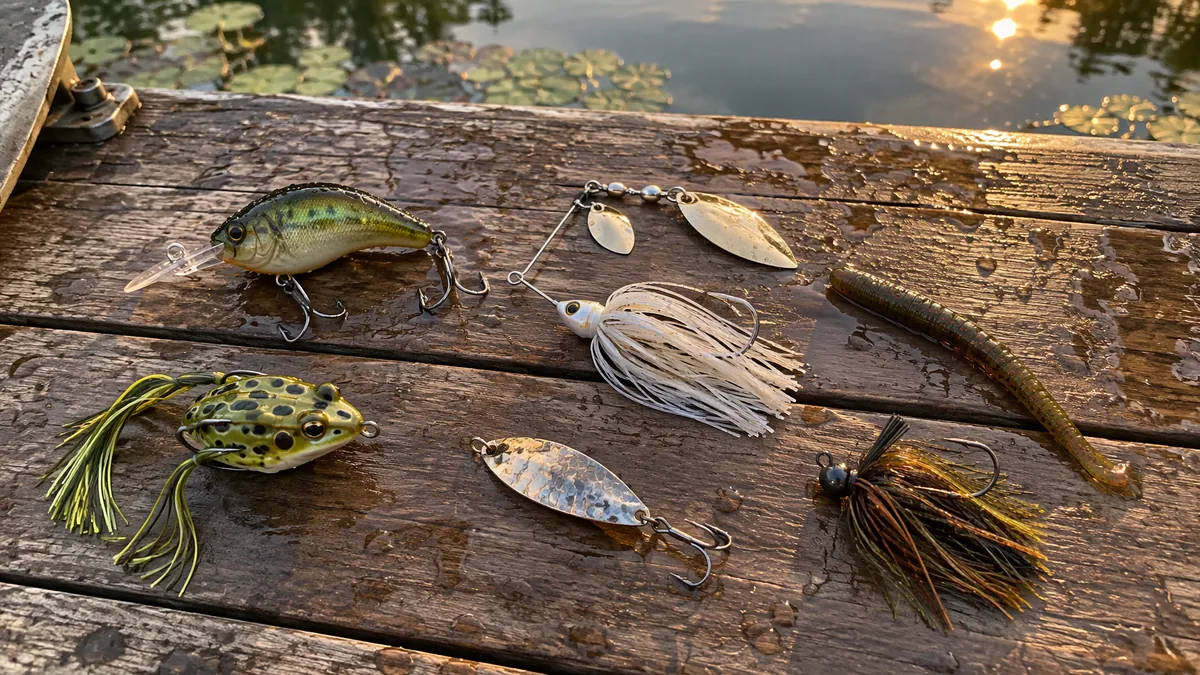
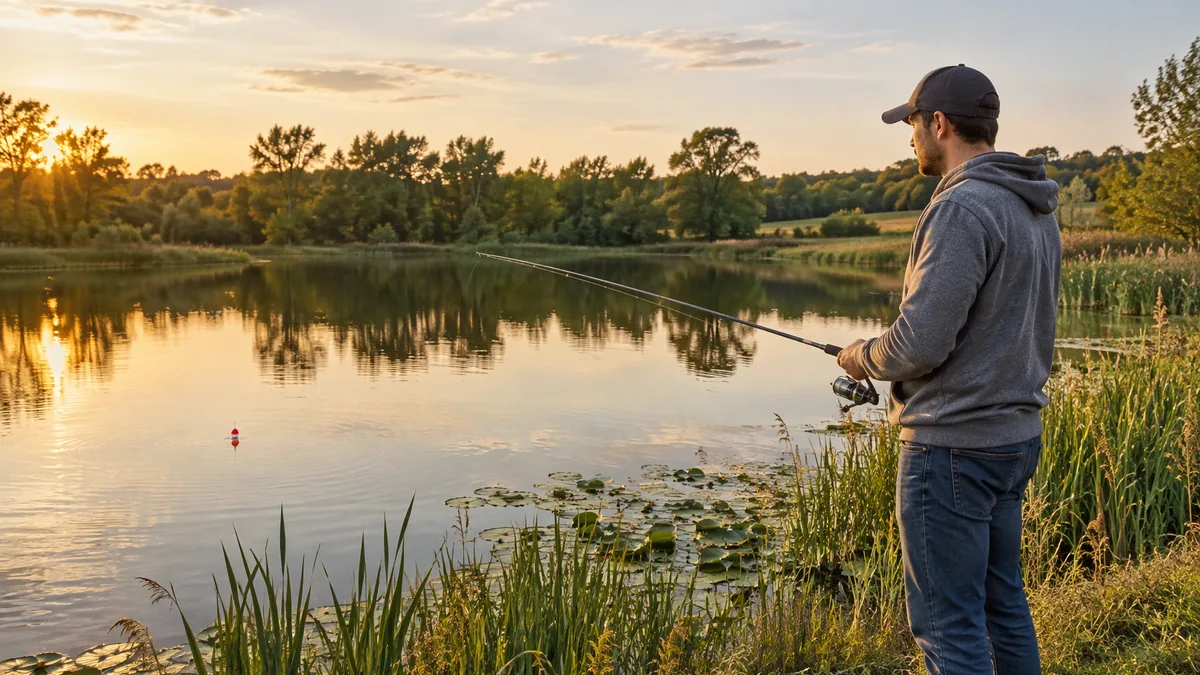
Ponds are small, shallow and pressured, so natural profiles beat flash. Five lure families for bass, bluegill and crappie, and when live bait wins.
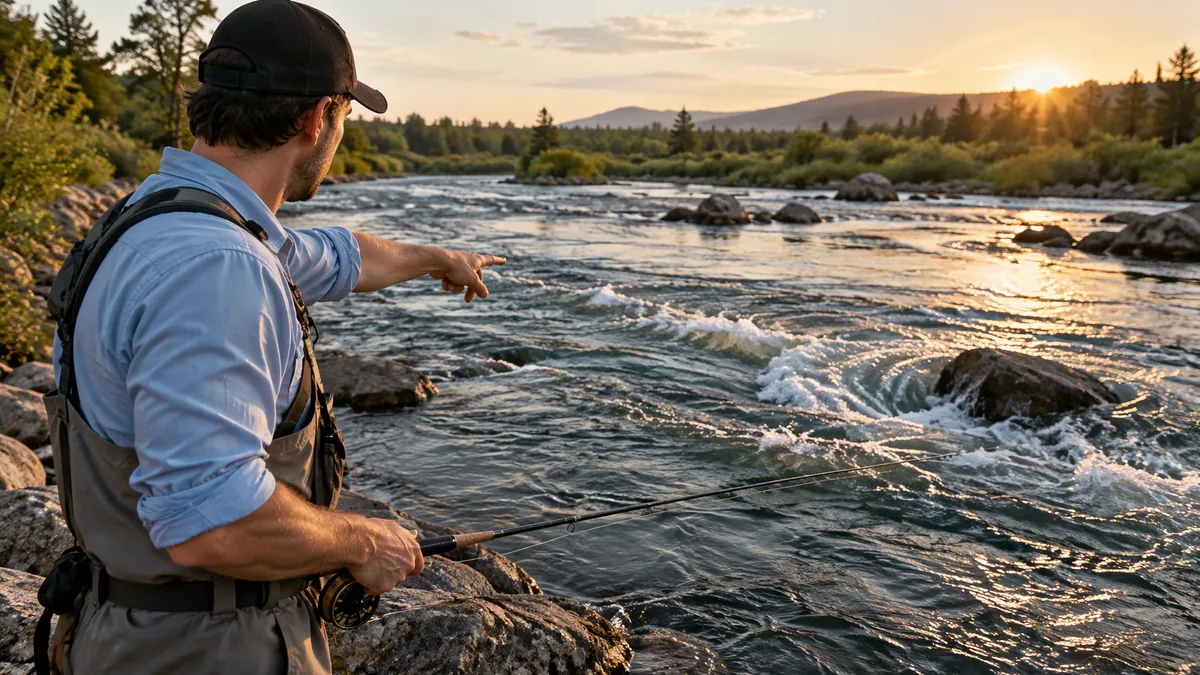
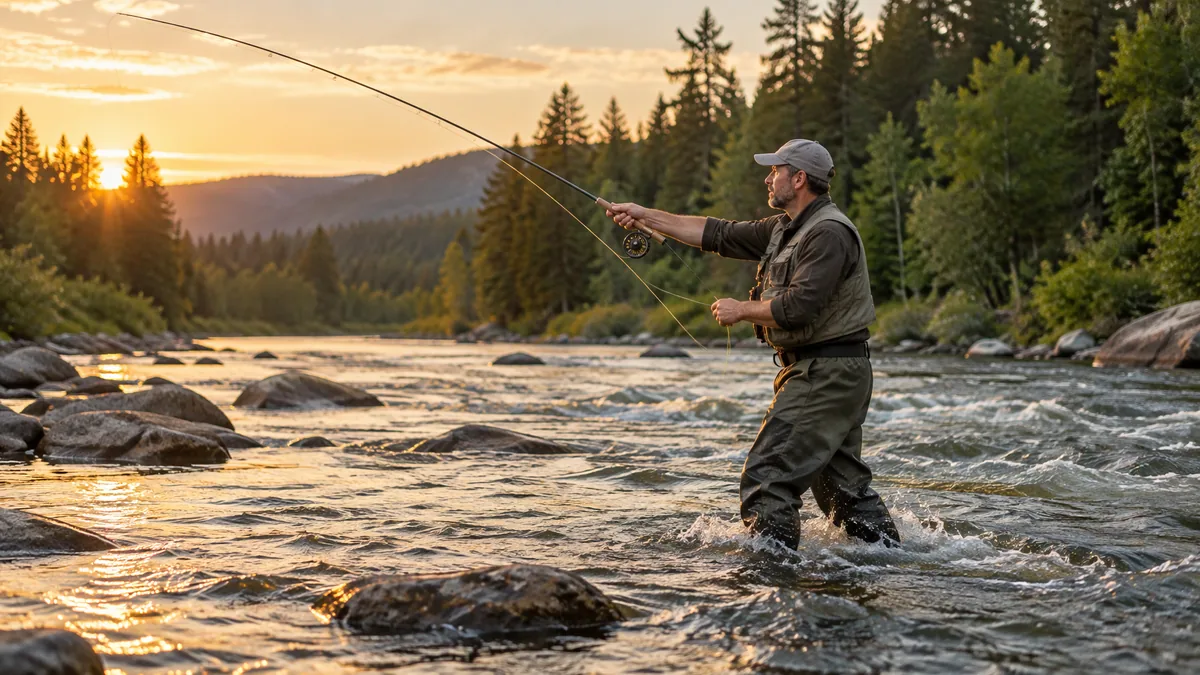
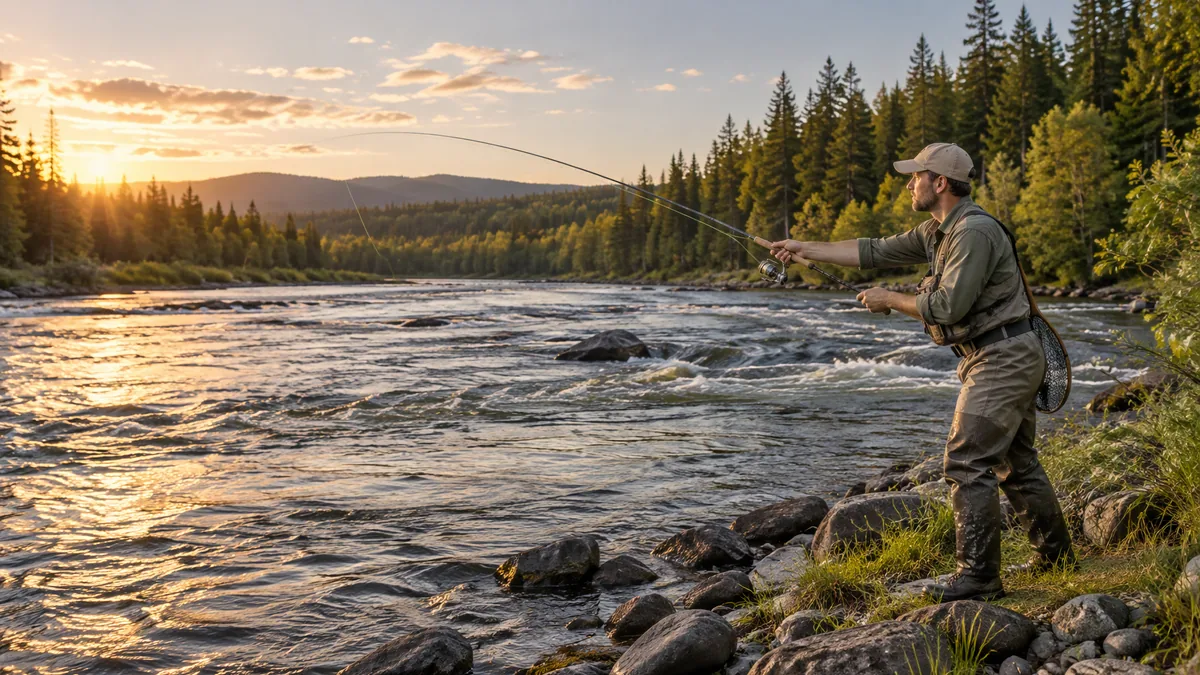
A river is never one speed. Riffles, seams, eddies and current breaks tell you where trout, bass and walleye hold, and where to cast.
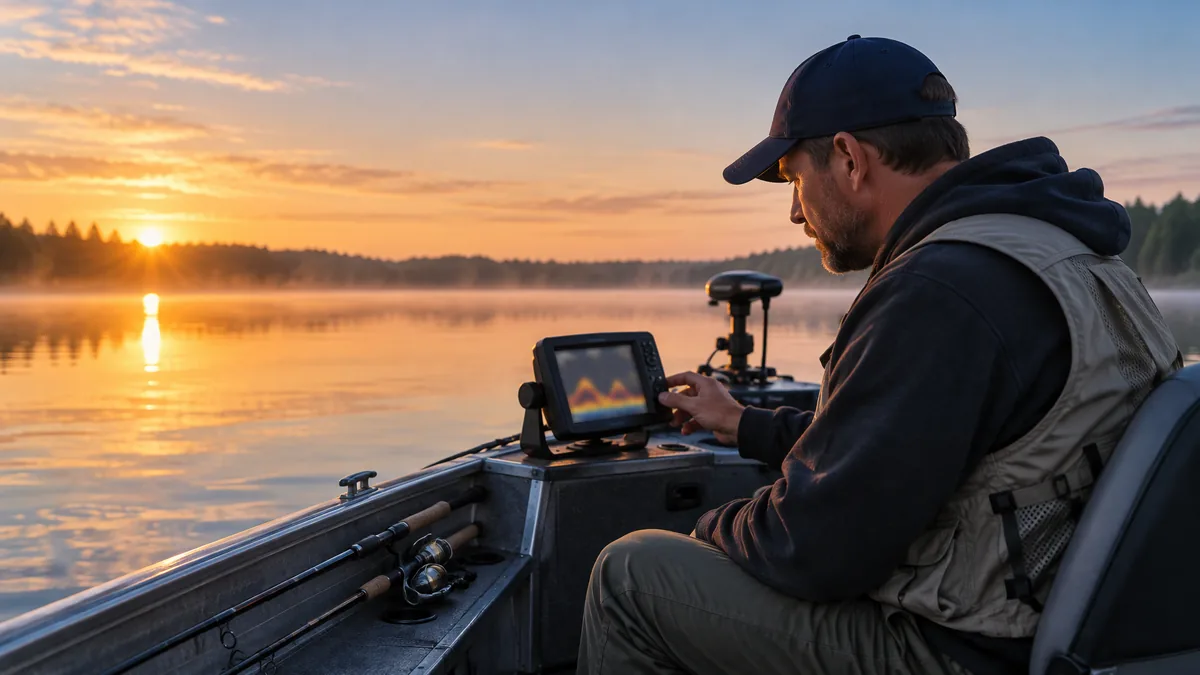
Most lake fishing problems are location problems. Read a contour map before you launch, then confirm structure and bait with sonar and shoreline clues.
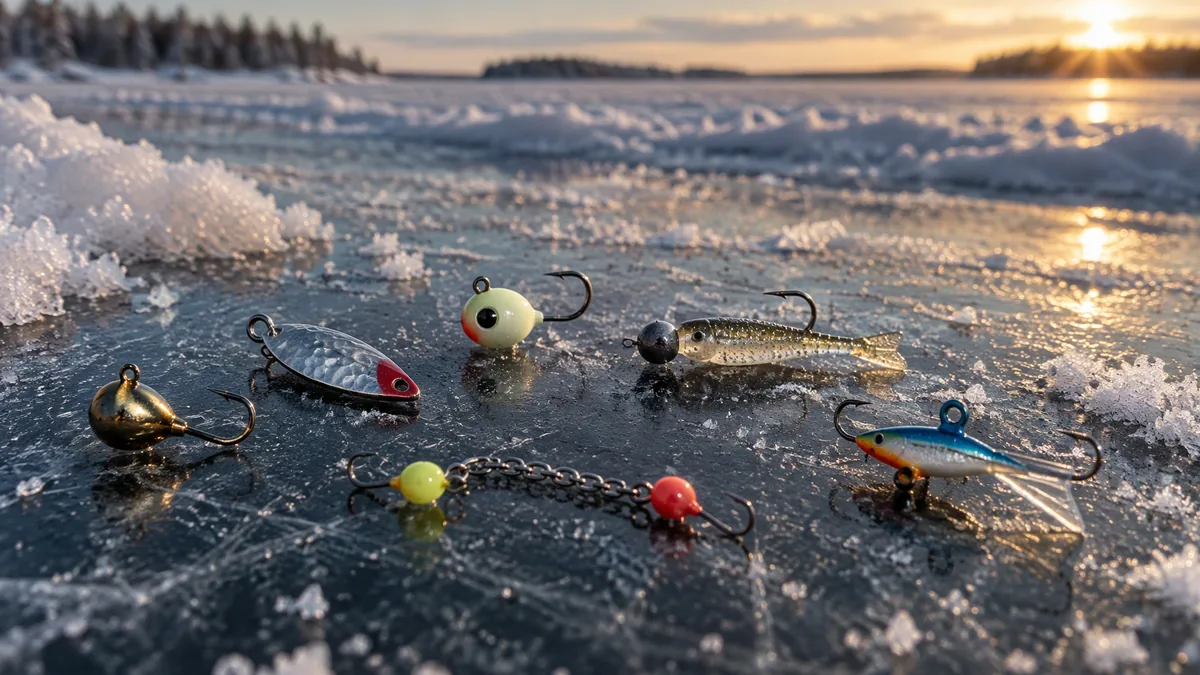
Tungsten jigs, jigging spoons, minnows and swimbaits: which ice lure fits the fish under your hole, plus the size, color and cadence that gets bit.
Drift a bait through a seam, swing a spinner past a boulder, or bounce a jig down a deep run — river fish sit where food arrives without fighting the flow.
Ponds read in one lap of the bank. A 6.5- to 7-foot medium spinning rod and 8- to 10-pound line cover bluegill, bass, crappie and catfish.
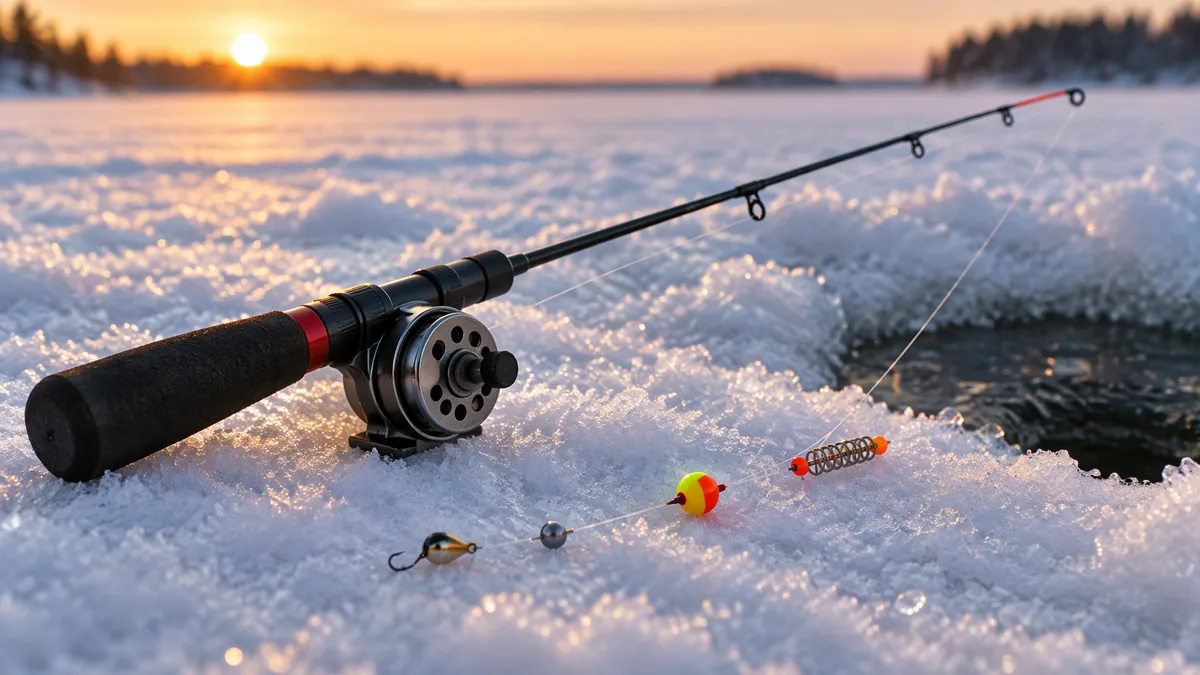
Build an ice rig from the rod up — a 24-to-36-inch rod, light line, then a jigging setup, a deadstick or tip-up, and a float for suspended fish.
Rivers repeat the same features: pools, riffles, eddies and seams. Read the current, cast upstream and let the flow carry your bait down naturally.
Check the ice before anything else, then build a simple hard-water setup, find fish under it, and jig or set tip-ups where winter fish hold.
Fishing a lake is mostly narrowing water: read points, humps, drop-offs and weed beds, follow the seasons, then put a bait where fish actually sit.