Types of Fishing Rods: Which One Do You Need
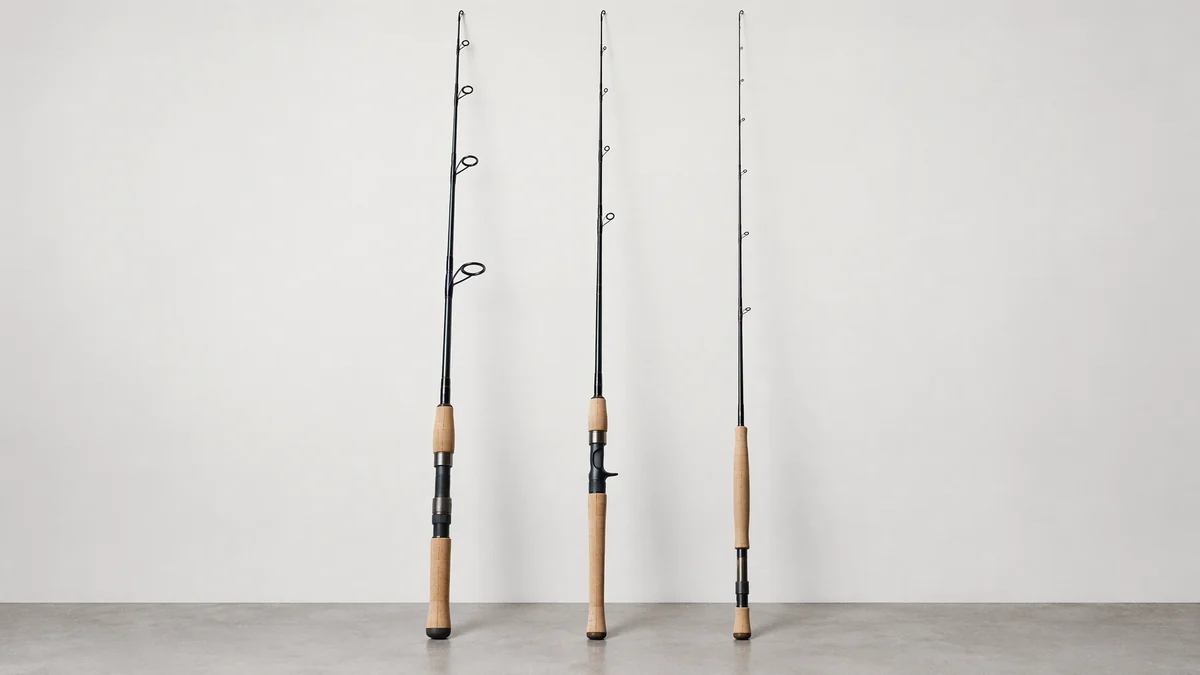
Rods divide by the reel they carry: spinning, casting, fly, surf, ice, trolling and telescopic, with published length, power, action and line ratings.
Category
Rods divide by the reel they carry: spinning, casting, fly, surf, ice, trolling and telescopic, with published length, power, action and line ratings.
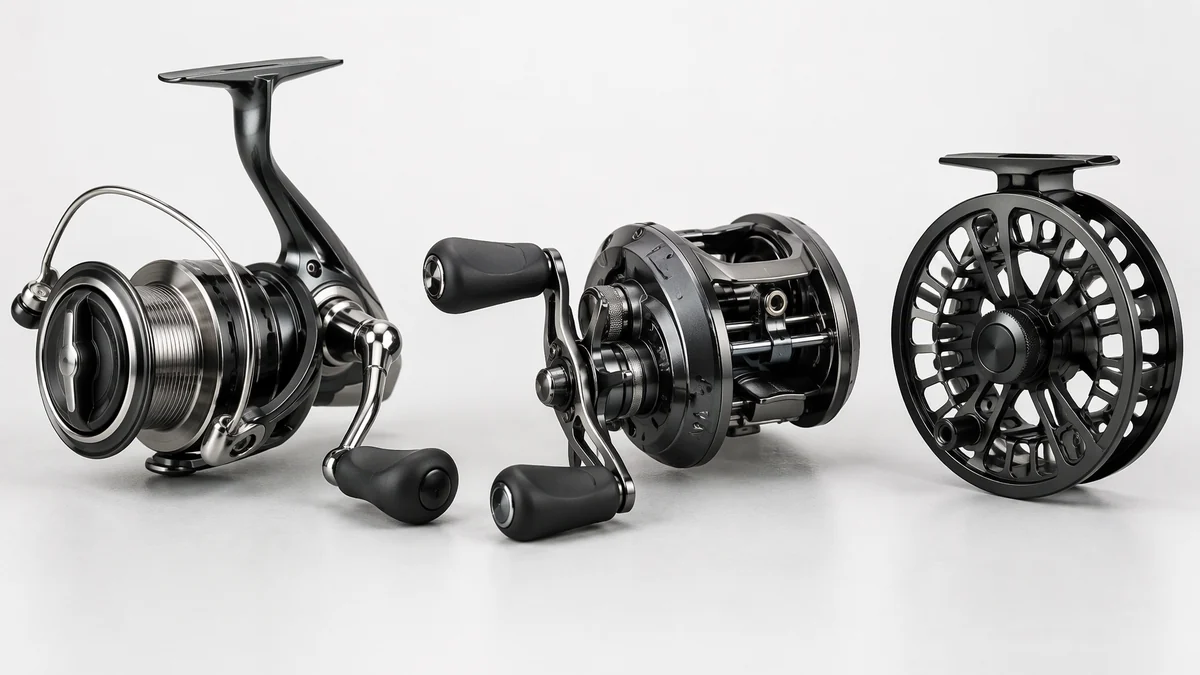
Spinning, baitcasting, spincast, fly, centerpin and trolling reels, sorted by how the line leaves the spool, with structure, use and catalogued sizes.
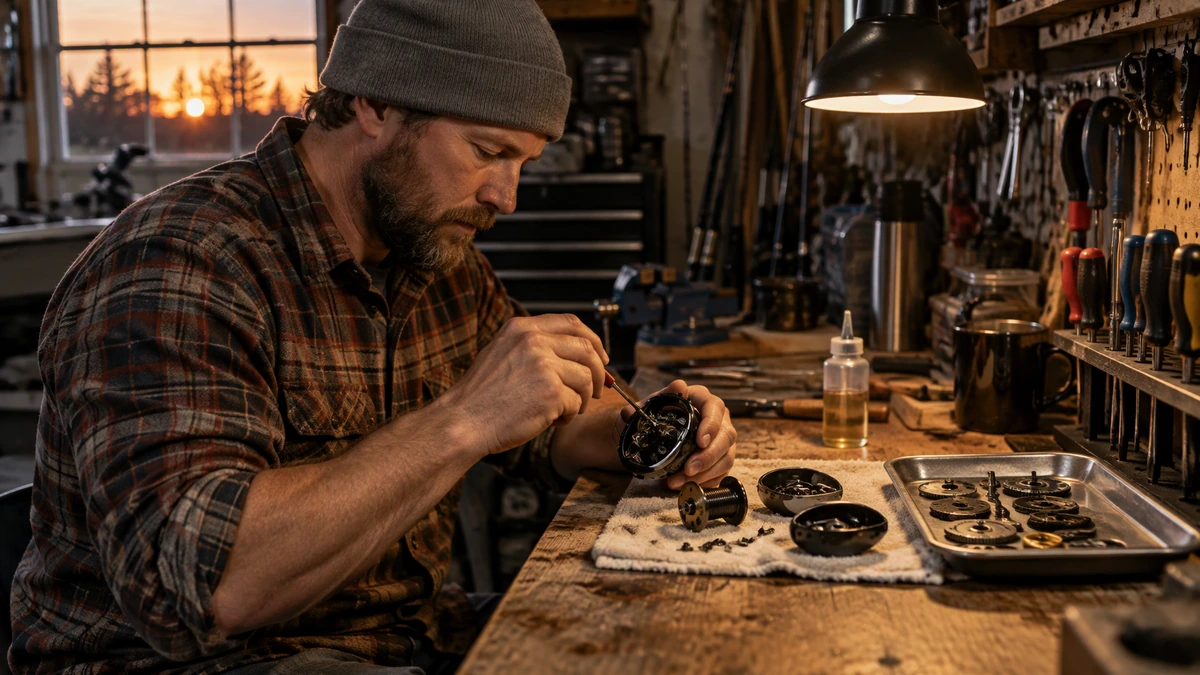
Rinse gear in fresh water after every trip to stop corrosion and drag trouble. Cleaning, lubing, guide checks and offseason storage for both reel types.
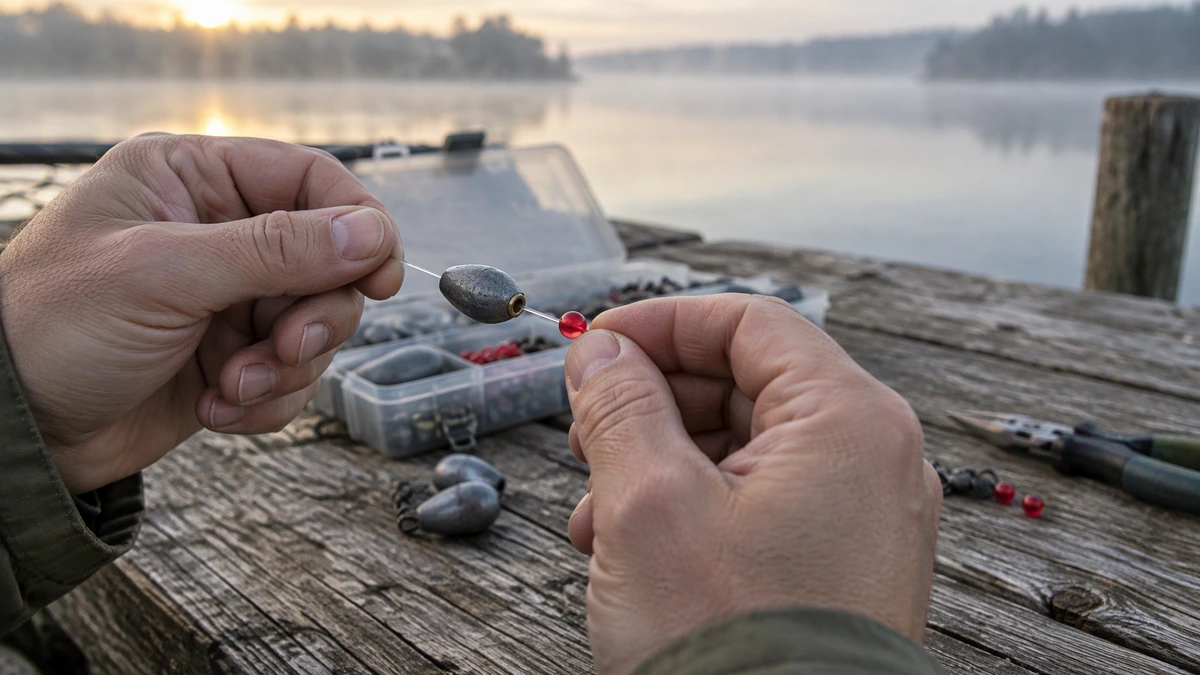
An egg sinker sliding above a bead and swivel lets a catfish, carp or walleye take the bait without feeling weight. Tying steps and how to fish it.
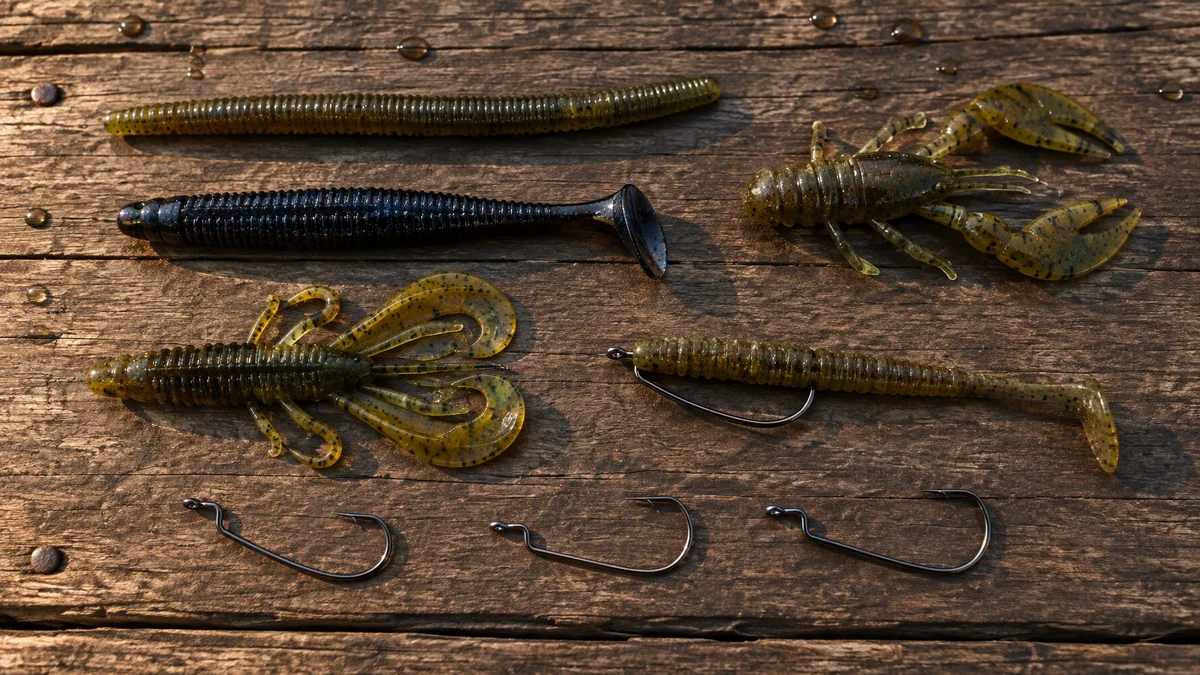
One soft plastic becomes a worm, baitfish, craw or shrimp depending on hook, weight and retrieve. How to rig each shape for cover and current.
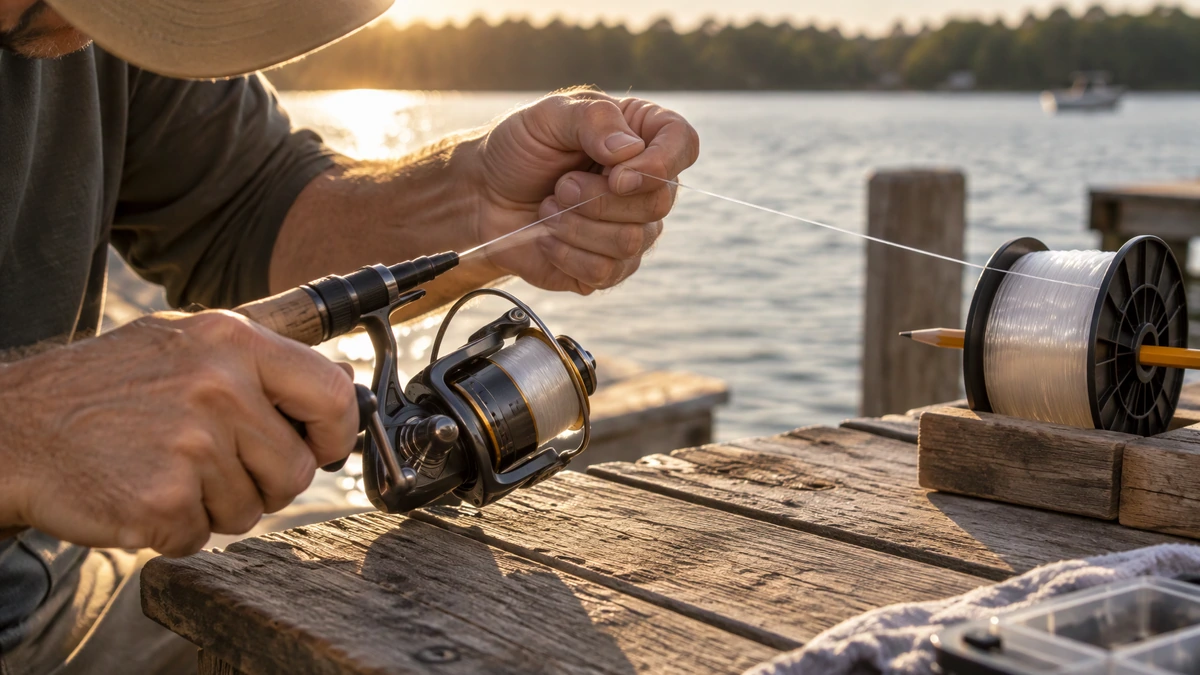
Line remembers how it went on. Which way it comes off the filler spool, how much tension and backing, and how full to fill before wind knots start.
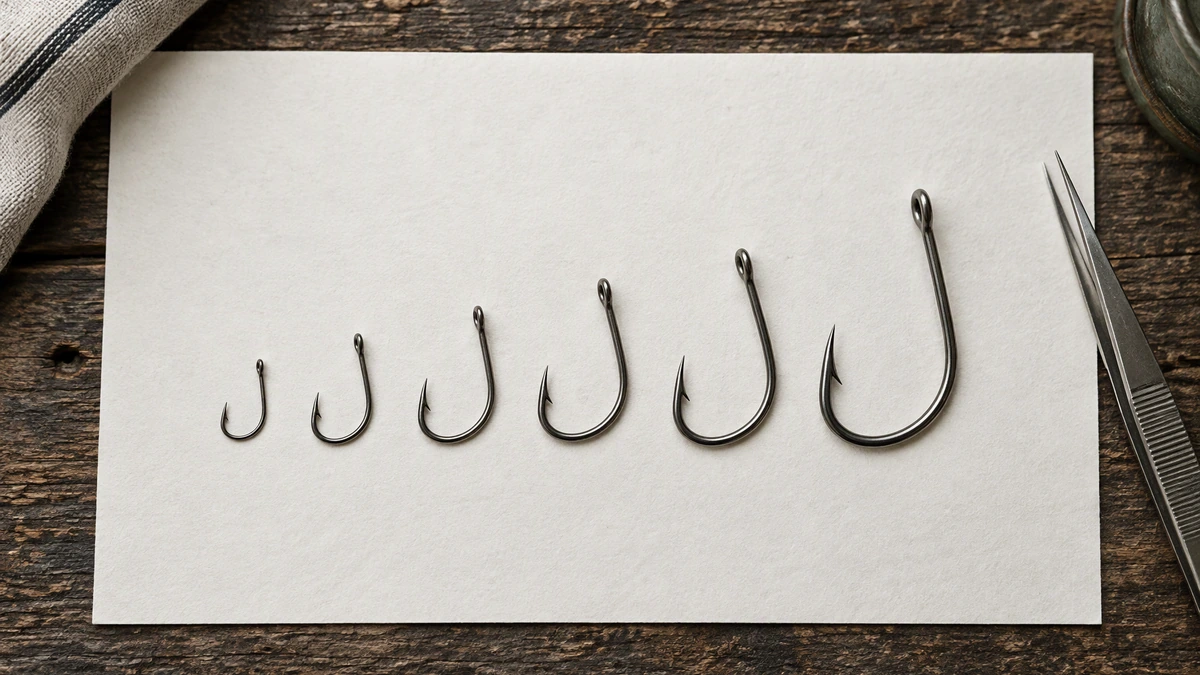
Hook numbers run backward: a size 1 is bigger than a size 8, and 1/0 bigger still. How the scale works, and why gape and wire beat the number.
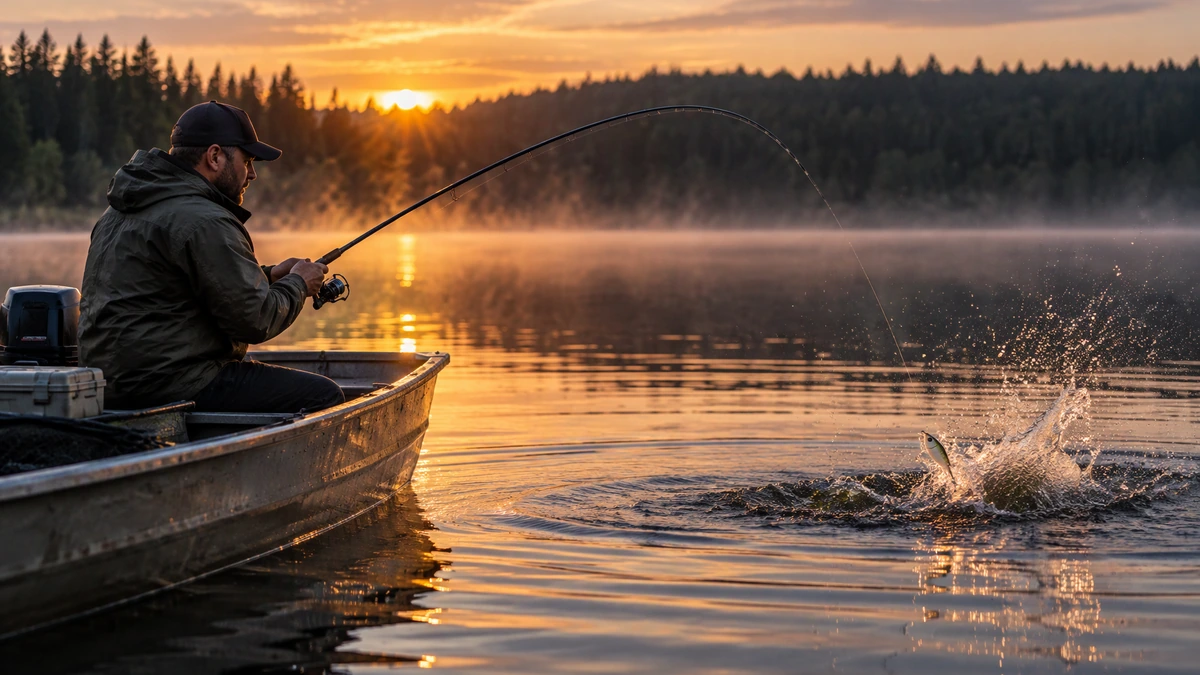
Poppers, walkers, buzzbaits and prop baits: when fish look up, how to work each one, and why waiting a beat before the hookset lands more fish.
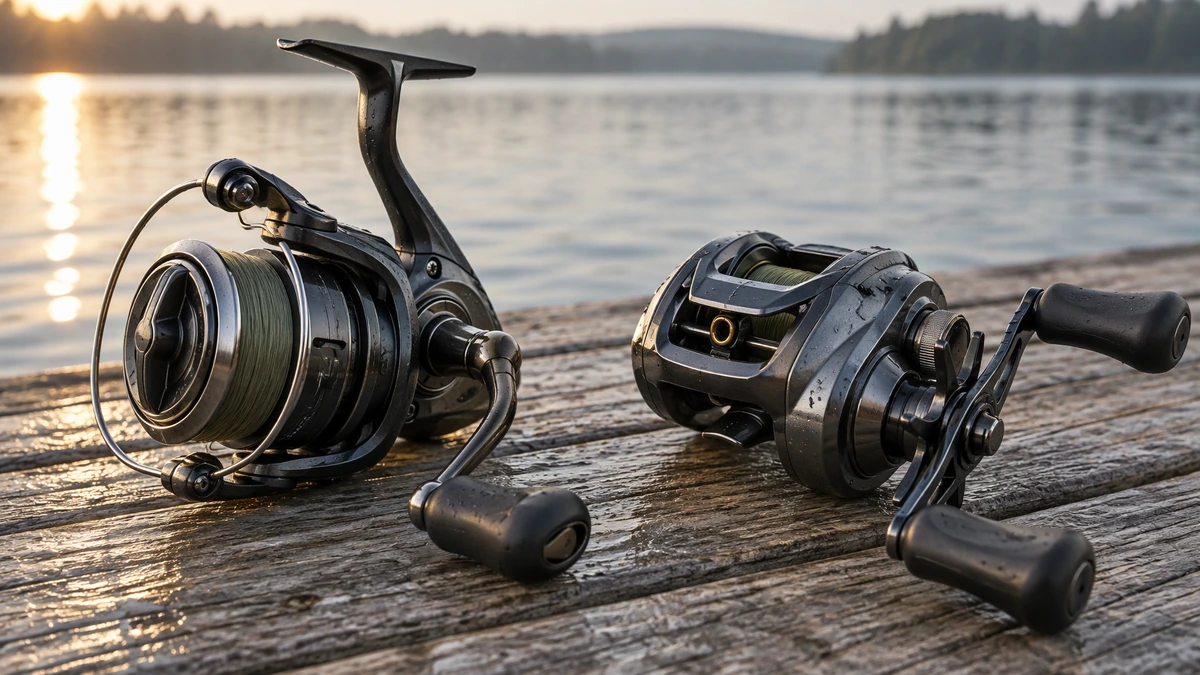
Spinning reels hang under the rod and cast light lures easily; baitcasters win on power and accuracy. How each works, and which to learn first.
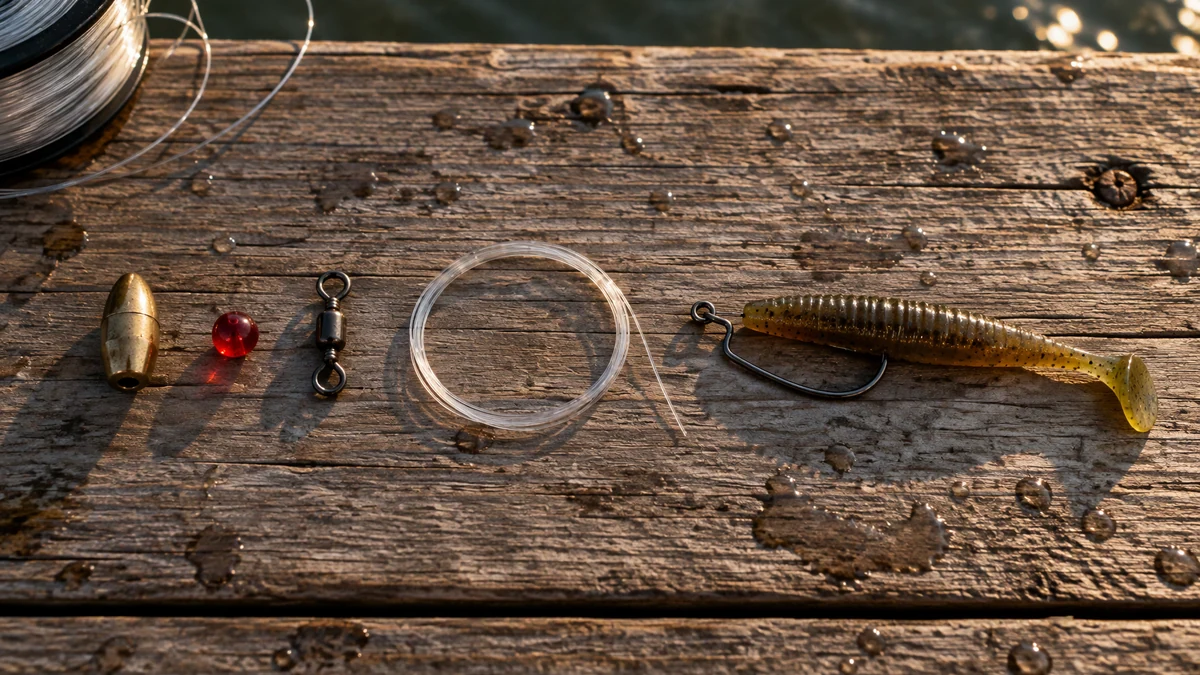
A Carolina rig slides its weight on the main line above a swivel, so the bait darts freely on a leader. Drag it to cover water and find bass structure.
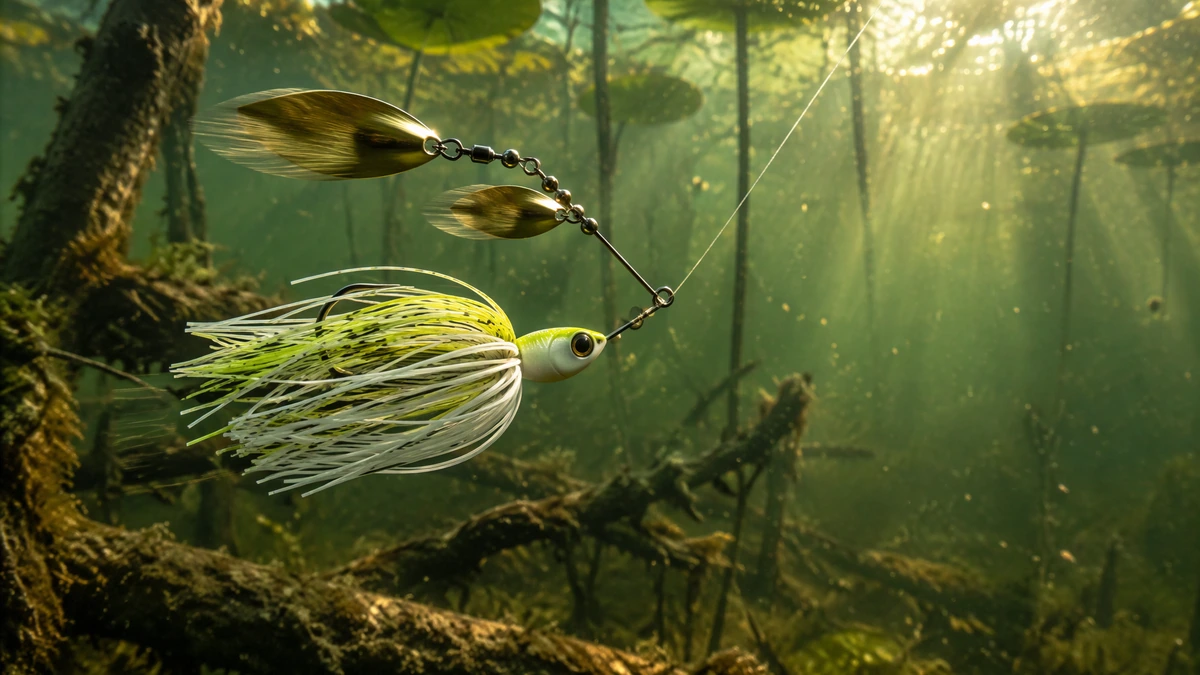
A spinnerbait flashes, vibrates and deflects off cover. Match blade, weight and trailer to the water, and vary the retrieve instead of casting and reeling.
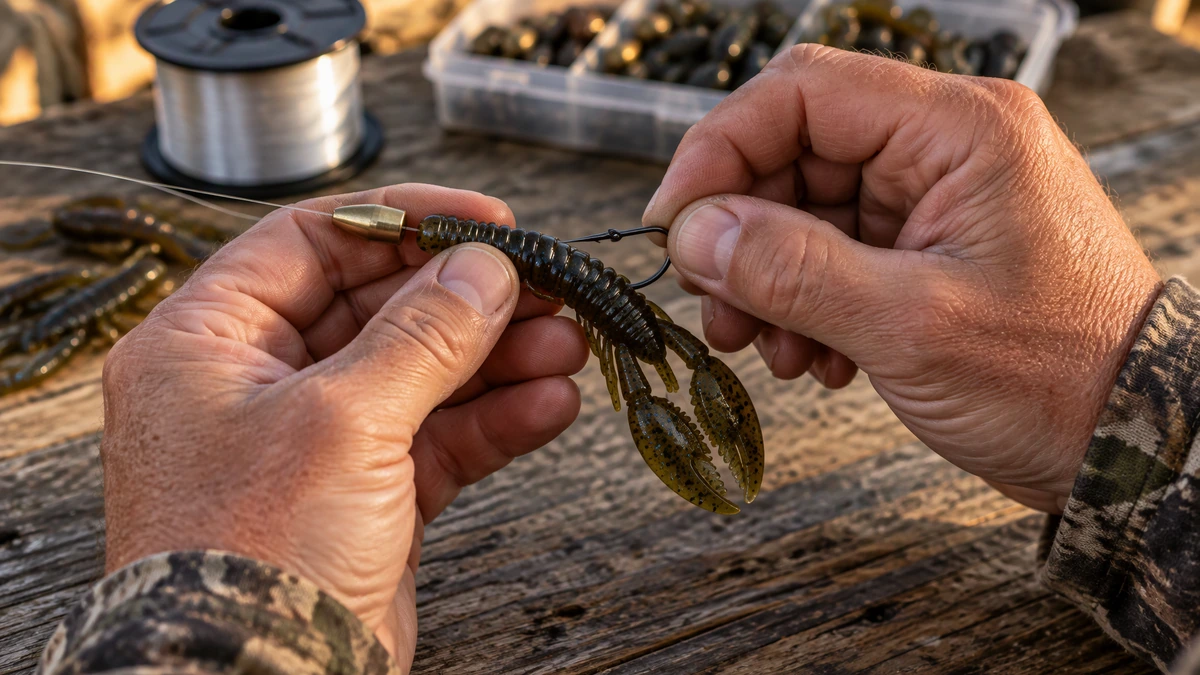
Tie a Texas rig in minutes: worm hook, soft plastic, bullet weight, a Palomar knot, and a weedless threading that slides through grass and wood for bass.