Field notes
How to Catch Zander: Tactics, Baits & Timing
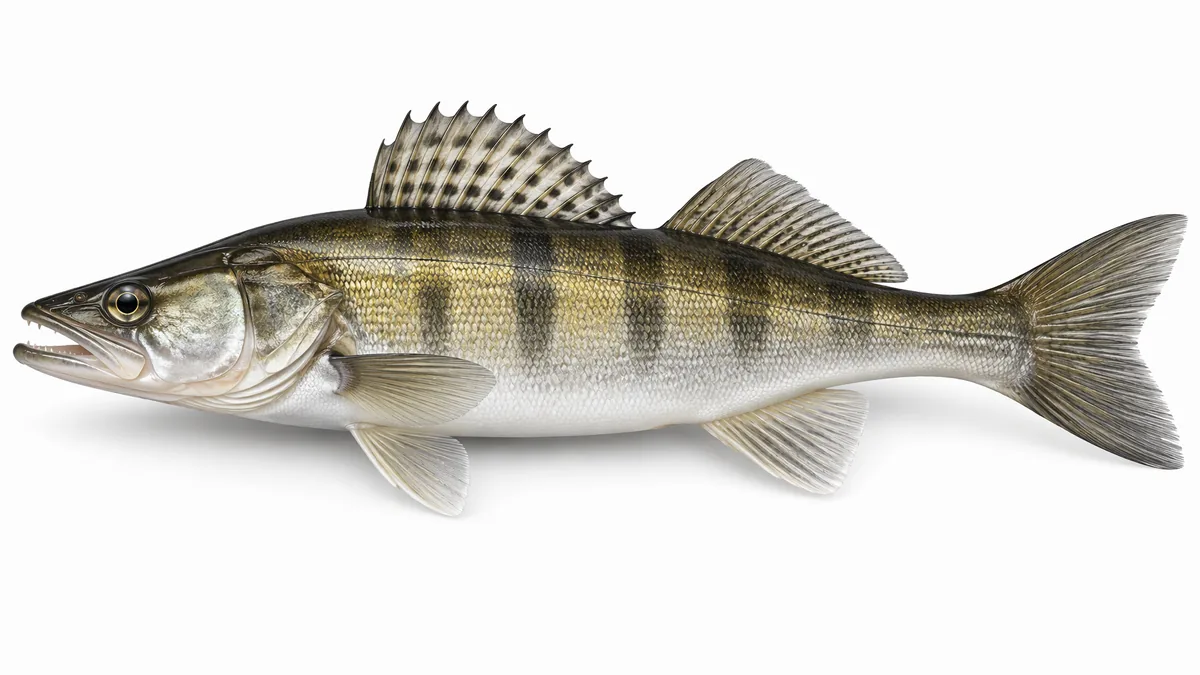
How to Catch Zander
The zander is Europe's low-light ambush predator, a slim cousin of the walleye built to hunt when the water turns grey. Learning how to catch zander is less about finding a magic lure and more about being in the right place at the right hour, then slowing your presentation until a following fish commits. Fish structure, fish the edges of the day, and keep your bait or lure close to the bottom. That is the whole game in one sentence. For identification, range and biology, read the full Zander species profile; this guide focuses on catching them.
Best Time to Catch Zander
Zander are sight feeders, but their eyes are tuned for gloom. A reflective layer behind the retina, the tapetum lucidum, gathers what little light is left and makes the eye shine like glass. That adaptation explains almost everything about when to fish. The best time to catch zander is the last hour of daylight, the hours after dark, and the first grey light of morning. A heavily overcast day can fish like dusk, which is why flat calm, bright afternoons are so often disappointing.
Season matters as much as the clock. Water in the 15–25°C band keeps zander active and willing to chase. Spring, in the weeks after spawning, is the first strong window, and autumn is the second as fish feed hard before winter. Spawning itself runs roughly April to June, once the water reaches about 12–14°C, and the fish recover quickly; the period just after is prime. High summer pushes big fish deep during the day, so shift to night. Winter slows them sharply, but a mild spell can still produce a fish or two from deep water.
Weather that colours the water helps. A touch of rain, a ripple on the surface, and a falling light level all tip the odds your way.
Best Gear for Zander
You do not need heavy tackle, but you do need gear with feel. Zander have a hard mouth and a habit of following a lure before they take, so sensitivity at the rod tip and a smooth drag matter more than brute strength.
| Component | Zander-ready choice |
|---|---|
| Rod | 7 ft to 8 ft medium-light to medium spinning rod |
| Reel | 2500–3000 size spinning reel with a reliable drag |
| Main line | 10–15 lb braid for feel and a clean hookset |
| Leader | 8–12 lb fluorocarbon, or a light wire trace where pike are present |
| Jigheads | 1/8–3/8 oz, with 2/0–3/0 hooks |
| Lures | 10–15 cm shads, 8–12 cm jerkbaits, small crankbaits, spinners |
| Extras | Long-nose forceps, lip grip, headlamp, unhooking mat |
Braid lets you feel a jig tick bottom and detect the soft "tick" of a take on the drop. A fluorocarbon leader keeps the connection subtle in clear canals without adding bulk. If pike share the water, a short wire trace prevents bite-offs.
For bait fishing, step up to a slightly heavier rod and a running rig; you are casting a whole fish, not a shad, and you want the weight to hold in a river. Zander are delicate after capture, so carry forceps, wet your hands, and have the mat and camera ready before you lift a good fish.
Best Bait for Zander
The best bait for zander is a fish, because that is almost all they eat. Roach, smelt, small bream, perch, ruffe and even small zander make up the bulk of the diet, with the odd crayfish thrown in. Match the size of the bait to the size of the fish you expect: a whole roach of 8–12 cm is a sensible starting point, and big fish will take baits well over 15 cm.
Natural bait. A live or freshly killed fish fished hard on the bottom is the classic approach. Deadbaits are easier to manage and often just as effective, especially in coloured water where scent and profile do the work. Hook them so they sit naturally, and resist the urge to strike at the first tap.
Artificial lures. Soft plastic shads on jig heads are the workhorse, followed by jerkbaits, crankbaits, spinners and lipless vibration baits. Zander are not especially fussy about colour — natural roach, perch and silver patterns cover most days, with darker colours for night and dirty water — but they are extremely fussy about presentation. A lure that runs true and stays in the strike zone beats an expensive one that wanders.
Whatever you choose, the principle is the same: get it down, keep it slow, and give following fish a reason to commit.
Zander Rigs
A zander rig is simply bait or lure, hook and weight arranged to put food in front of a bottom-hugging predator. These three cover most situations.
Jighead and shad rig. The simplest and most versatile lure setup. Thread a 10–15 cm soft plastic onto a 1/8–3/8 oz jighead, matching the hook to the lure length. Cast, count the lure down to the bottom, then work it with slow lifts and controlled drops. Let it rest on the bottom for a second or two between hops — that pause is where most zander are hooked.
Running ledger deadbait rig. Slide a running lead onto your main line, add a bead and a swivel, then tie a 2–3 ft trace to a single or twin hook. Hook a deadbait through the head or lip, cast it out, and let the lead hold bottom while the bait sits just above it. The run is usually a steady pull rather than a scream.
Drop-shot rig. Ideal from a boat or a steep bank. Tie a drop-shot hook 12–18 inches above a weight, nose-hook a slim soft plastic, and shake it in place around structure. It keeps the lure in the strike zone and is deadly for finicky fish holding tight to cover.
On snaggy rivers, a weedless-weighted hook helps you fish deeper without losing rigs. The theme never changes: bottom contact, slow movement, long pauses.
How to Catch Zander, Step by Step
- Pick the hour. Plan around dusk, dawn or full dark, and favour overcast, coloured water over bright and clear.
- Find the structure. Use sonar or local knowledge to locate bridge pilings, lock walls, drop-offs, deep bends and the edge of the current.
- Position quietly. Zander are wary in shallow, clear water. Keep the boat or your silhouette back from the mark and avoid banging bankside tackle.
- Get down fast. Count the lure down until you feel bottom, or cast a bottom bait and tighten up. Most takes happen within a foot or two of the bed.
- Fish slow and low. Lift-and-drop a shad, drag a deadbait, or shake a drop-shot. If you think you are fishing slowly, slow down again.
- Watch the line on the fall. Many zander take as the lure drops. If the line jumps, stops sinking or moves sideways, set the hook.
- Set firmly, then stay calm. A sweeping hookset drives the hook home; after that, let the drag and the rod do the work and keep the fish away from snags.
- Handle with care. Net the fish, unhook with forceps, support the body, and release it head-first into the current.
Night fishing is the heart of zander angling. Fish by feel, keep a headlamp handy for unhooking only, and move slowly on uneven banks.
Where to Catch Zander
Where to catch zander comes down to structure, depth and low light. In rivers, look for deep pools, bridge pilings, lock walls, the outside of bends, and the seam where fast water meets slack. Zander sit on the edge of the current and pick off baitfish swept past.
In canals, they gather around moored boats, bridge holes and the deeper channel, often in water that looks unremarkable from the towpath. Fish tight to the boats and the shadows.
In lakes and reservoirs, follow drop-offs, submerged trees and rock piles, and in summer find the thermocline where cool, oxygenated water holds bait. Big fish often sit deeper than beginners expect during the day and move up at night.
Depth shifts with the season. In spring, fish shallower structure and the edges of spawning flats; in summer and autumn, work deeper edges and channel sides. On any water, the best spots share two things: bait nearby and a change in the bottom or current that gives a predator an ambush point.
Zander Regulations and Safety
Rules for zander differ sharply across Europe, and the water in front of you usually has its own conditions on top of the national framework. In Britain, zander are treated as coarse fish with no national closed season, but many fisheries ban keeping them or require catch-and-release. In Germany, Austria and parts of eastern Europe, expect a spring closed season, a minimum size, and a permit that lists the rules for the specific water. In France and Spain, zander are often managed as a reservoir sport fish with size and bag limits of their own.
As of 2025, check the current rules before you fish. The Environment Agency in England and Natural Resources Wales publish the legal framework, but the fishery owner often adds stricter conditions. Always confirm the licence, season and keep rules for the exact water you plan to fish.
On safety, zander are not venomous, but they have sharp teeth, a spiny first dorsal and a gill cover that ends in a point. Fold the dorsal down, hold the fish across the back or with a lip grip, and keep fingers clear of the gill cover. Night fishing brings its own hazards: uneven banks, black water and, on canals, moored boats and shared towpaths. Carry a headlamp, never fish a swollen river alone, and check your footing before you cast in the dark.
Common Mistakes and Zander Tips
- Fishing bright midday water. Zander shut down in flat, bright conditions. Fish the edges of the day instead.
- Reeling too fast. A fast retrieve gets follows but few takes. Slow down and add pauses.
- Ignoring the drop. Many fish take as the lure falls. Watch the line, not the lure.
- Fishing away from structure. Zander relate hard to cover. Find the bridge, the drop-off or the boat before you cast.
- Heavy leaders in clear canals. Drop to lighter fluorocarbon when the water is clear and the fish are pressured.
- Skipping the night bite. The biggest fish often feed after dark. Learn to fish by feel.
- Rough handling. Zander tire quickly and recover slowly. Keep them wet, unhook fast, and release them head-first.
- Keeping the biggest fish. Selective harvest protects the breeding stock and keeps the fishing good.
FAQ
What is the best time to catch zander? Dusk, dawn and after dark, especially with overcast skies or coloured water. Spring after spawning and autumn are the strongest seasons, with water in the 15–25°C range keeping fish active.
What bait for zander works best? A whole roach, smelt or small bream fished on the bottom is the classic bait. On lures, a 10–15 cm soft plastic shad on a jig head and slow, low retrieves produce most fish.
What are the best zander fishing techniques for beginners? Start with a jighead and shad fished slowly along the bottom at dusk. Keep the lure near the bed, add long pauses, and watch the line on the drop.
Do zander bite at night? Yes. Zander have excellent low-light vision and feed most confidently after dark, especially in summer when big fish move shallower at night.
How big do zander get? Most adults run 40–70 cm and 1–3 kg. A 10 lb fish is a trophy and fish over 10 kg (22 lb) are exceptional, with a maximum around 1 m.
How do you tell a zander from a walleye? A walleye has a white tip on the lower tail lobe; a zander does not. Zander also grow larger and live in Europe rather than North America.
Learning how to catch zander is mostly a lesson in patience and timing. Fish the fading light, find the bridges and drop-offs, and keep your presentation slow and close to the bottom. Do that, and the hard strike in the dark is only a matter of when.
Related Articles
- How to Catch European Seabass — a saltwater predator with the same low-light habit.
- How to Catch Perch — the smaller cousin that shares many zander waters.
- How to Catch Wels Catfish — the giant that hunts the same big rivers at night.
- How to Catch Carp — the cautious bottom-feeder of the same still waters.
- How to Catch Walleye — the North American cousin and its tactics.
About the author and how this was tested
About the author
FishermanGuy
Bank, boat and kayak angler · fishing, crabbing and shrimping since 2021
I buy the gear, fish it for a season and write down what failed. No sponsored verdicts, no free-sample flattery. Every rig on this page has landed fish in water I can point at on a map.
How this was tested
- Every rig gets at least six trips on the same water before it is published.
- Gear is bought at retail. Free samples are labelled in the first paragraph.
- Dates show first publication and the last time the page was updated.