Field notes
How to Catch Whiting: Rigs, Bait and Winter Marks
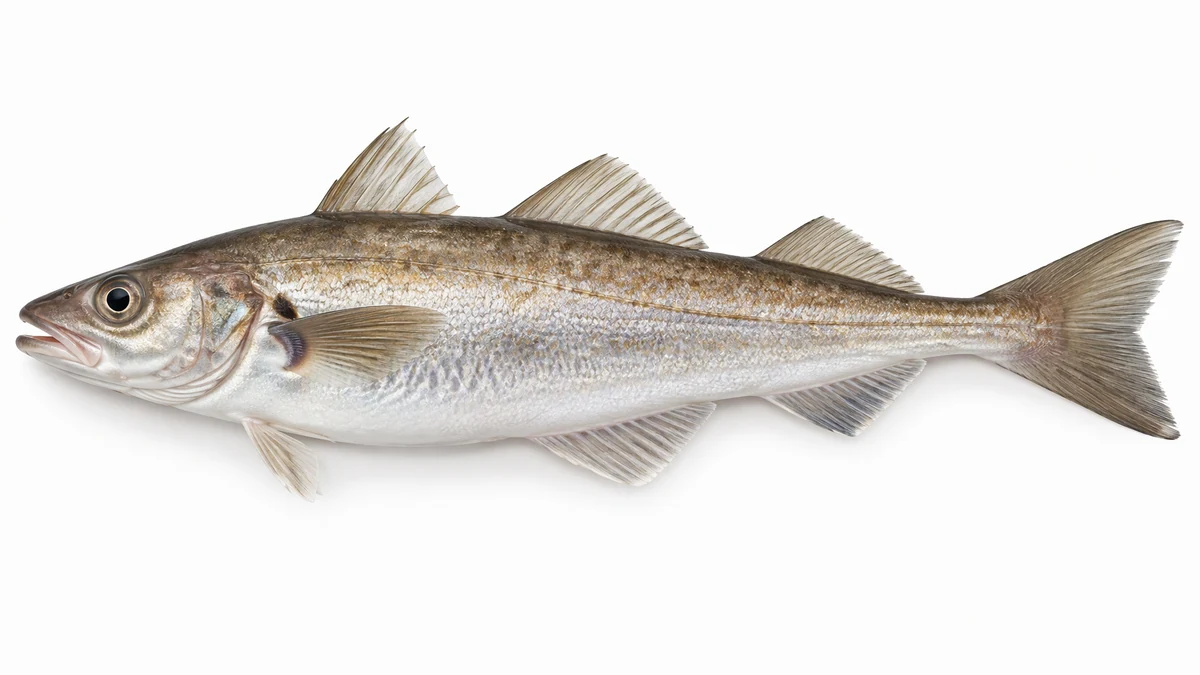
How to Catch Whiting
Whiting is the fish that keeps a winter charter trip from turning into a long, cold blank. It shoals in numbers, it bites in daylight and dark, and it takes a plain strip of squid as readily as anything a tackle shop will sell you. Learning how to catch whiting is mostly about finding the shoal, keeping the bait near the seabed, and being quick on the strike. Do those three things and a quiet December boat can fill a cool box in an afternoon. Read the full Whiting species profile for identification, range and biology.
Best Time to Catch Whiting
Whiting are cool-water fish. They feed hardest when the sea sits between roughly 6 and 16°C, and in northern Europe that means autumn and winter are the prime months. From October through February, big fish move into shallower coastal water and turn up on the same marks that produced cod a generation ago: sandbanks, mixed ground, reef edges and the rough stuff around wrecks.
The best time to catch whiting is after dark on a falling or flooding tide, in the colder half of the year. That is not a rule carved in stone, because a good shoal will feed through a grey afternoon as well, but night usually beats day and a moving tide beats slack water. On clear, bright days the fish tend to sit deeper and further out; on overcast days with a bit of colour in the water, they push closer.
Summer changes the picture. The big fish drop into deeper water, sometimes beyond 60 m, and the inshore marks fill with small "pin whiting" that swarm a bait before it reaches the bottom. They are still fun on light gear, but a 20 cm fish is not what most anglers want. Fish the cold months for size; fish a summer pier evening for action.
Water temperature matters more than the calendar. A mild autumn can keep fish offshore into November, and a cold snap can push them inshore early, so watch the sea forecasts rather than the date.
Best Gear for Whiting
Whiting gear is light by cod standards. The fish rarely passes 2 lb, its mouth is small, and a heavy rod simply masks the bite. A sensitive tip and a fine hook do more for your catch rate than extra power.
| Component | Whiting-ready choice |
|---|---|
| Rod | 7–8 ft boat rod, 12–20 lb class, soft sensitive tip |
| Reel | Small multiplier or 4000-size fixed spool |
| Main line | 20–30 lb braid for feel, or 15 lb mono |
| Hooklength | 2–3 ft of 20–30 lb mono or fluorocarbon |
| Hook | Size 1 to 2/0, fine wire, wide gap |
| Lead | 2–6 oz inshore; 8–12 oz in tide and depth |
| Extras | Luminous beads, forceps, damp towel, spare traces |
The rod is the part worth spending on. A whiting take is often a sharp double tap followed by slack line, and a stiff rod hides both. Look for a tip that folds into a bite at the lightest touch.
Braid has a real advantage on deep marks. It transmits the tap of a fish taking 80 m down, and its thin diameter means less lead to hold bottom. A short mono hooklength adds abrasion resistance and a little stretch at the hook.
Keep the hooks small. A 2/0 is plenty for a specimen whiting, and a size 1 is better when the fish are picky or the tide is slack. Large cod hooks catch large cod; they mostly miss whiting.
Best Bait for Whiting
The best bait for whiting is fresh, oily and easy to swallow. Squid, lugworm, ragworm, mackerel strip and whole sandeel all work, and a whiting is greedy enough that a bait rarely sits untouched.
- Squid. The default. A strip about 1 cm wide and 5 cm long, cut from the mantle, survives several fish and releases scent steadily. It is the bait most charter skippers hand out.
- Lugworm. A whole lug or a bunch of two or three on a size 1 hook is deadly on sand.
- Ragworm. Better on mixed ground, and it stays on the hook through a brisk tide.
- Mackerel strip. Fresh, bloody and full of oil. A sliver of belly is a fine bait and costs nothing if you caught the mackerel yourself.
- Sandeel. A whole small sandeel is the natural prey and a big-fish bait.
- Cocktails. Squid wrapped around lugworm, or a mackerel strip tipped with squid, gives scent plus durability.
What bait for whiting works can change with the tide. In a fast flow, choose squid or ragworm, which hold on. In slack water, a soft lugworm or sandeel looks more natural and gets taken confidently.
Lures have their place. Small feathers, hokkais and chrome pirk-style lures fished near the bottom take plenty of whiting from a drifting boat. A 20–40 g chrome lure bumped along the sand will outfish bait some days, and it covers water fast.
Whiting Rigs
The standard whiting rig is a paternoster with two or three small hooks, and it is the rig most charter boats tie before the anchor is down. It keeps the baits off the bottom, away from crabs, and presents them in the layer where whiting feed.
Two-hook paternoster.
- Tie 20–30 lb braid to a three-way swivel, or slide a lead link onto the main line above a swivel.
- Clip a 2–6 oz lead to the bottom leg.
- Tie two hooklengths of 2–3 ft mono above the lead, spaced about 12–18 inches apart, using dropper loops or a second swivel.
- Finish each with a size 1 to 2/0 hook and a squid or worm bait.
- Add a luminous bead above each hook for night fishing.
The spacing is the detail that matters. Hooks too close together tangle on the drop; hooks too far apart fish at different depths and only one gets hit. A 12–18 inch gap keeps the baits separate and in the strike zone.
Flowing trace. For bigger whiting and mixed ground, use a single long hooklength of 3–4 ft running above the lead on a boom. The bait moves more naturally in the tide and picks up better fish, at the cost of more tangles in a fast drift.
Running ledger (shore). Thread a 1–3 oz lead on the main line above a swivel, add a 2–3 ft hooklength and a small hook. Cast out, let the lead settle, and keep the rod tip high so the line stays out of the surf.
Whiting rigs do not need to be complicated. A simple paternoster, tied neatly with fresh line, will outfish an elaborate rig built on old, kinked mono.
How to Catch Whiting, Step by Step
- Find the shoal. Watch the sounder for a band of marks just off the bottom, and watch other rods. Where one whiting comes up, more follow.
- Drop to the seabed. Lower the rig until the lead touches, then wind up one or two turns so the baits sit just above the bottom.
- Keep in contact. Hold the rod, keep the line tight, and watch the tip rather than waiting for the rod rest to move.
- Read the bite. A whiting usually taps twice and then pulls. The tap is the fish worrying the bait; the pull is the take.
- Strike firmly. A short, firm lift sets a small hook. A wild swing tears the bait or pulls it from a soft mouth.
- Wind steadily. Whiting do not fight hard, but they shake their heads, and a steady wind keeps the hook set.
- Swing it aboard. Most whiting can be swung in on a 12–20 lb rod. Use a net for anything over 1 lb or when the boat is rolling.
- Unhook fast. Use forceps or a disgorger, keep the fish over a wet surface, and return unwanted fish promptly.
The rhythm of a good whiting mark is fast. Bait, drop, tap, strike, unhook, bait again. Do not spend two minutes rebaiting while the shoal moves on. Have a second rig ready, keep the bait box open, and get back down.
From the shore, the method is simpler. Cast a running ledger onto a beach or off a pier after dark, let the lead settle, and wait for the tip to nod. Fish the last two hours of the flood and the first of the ebb. A lit pier is a bonus, because the light draws baitfish and the whiting follow.
In cold water the bite can be a tremble rather than a pull. Lift the rod slowly instead of striking; fish often hook themselves against the lead as they move off.
Where to Catch Whiting
Whiting live across the cool coastal water of the north-east Atlantic, from Iceland and Norway down to Portugal, and they are common throughout the North Sea, the English Channel, the Irish Sea and the western Baltic. Most fishing happens between about 10 and 100 m over sand, gravel and mud.
- Sandbanks and open ground. The classic boat mark. Fish the slope where a bank rises from deeper water.
- Wrecks and reefs. Whiting gather around structure, especially where baitfish hold.
- Estuaries and shallow bays. Young fish shoal close inshore, often in water under 10 m.
- Piers and breakwaters. After dark in autumn and winter, a lit pier is one of the most reliable shore marks in northern Europe.
- Beaches. Small whiting come within casting range at night, particularly on a flooding tide.
On your own boat, look for baitfish on the sounder and fish the edges of the shoal rather than the middle. In summer, follow the fish deeper; a mark that produced in January may be empty in July, while a 50–80 m hole nearby holds the adults.
Whiting Regulations and Safety
Whiting rules are set through the EU and UK systems and vary by sea area. A minimum conservation reference size applies, typically around 27 cm in the North Sea, but the figure differs between regions and is reviewed as stocks are reassessed. The International Council for the Exploration of the Sea (ICES) provides the stock advice, while the Marine Management Organisation, CEFAS and the devolved fisheries bodies enforce the rules in UK waters.
As of 2025, check the current size and bag limits for your water before you keep anything. Charter boats often add their own bag limits, and a skipper's rule outranks your opinion. Last verified: November 2025.
Handling is straightforward but not risk-free. The gill covers are thin and sharp, the small teeth can nip, and a whiting is slimy enough to slide out of a dry hand. Hold the fish across the back behind the head, use a damp cloth if it is lively, and keep fingers clear of the gills. Unhook with forceps.
Whiting are delicate and die quickly out of water. If you are releasing fish, do it fast: wet hands, no squeezing, back over the side in seconds. If you are keeping fish, dispatch them quickly and get them on ice. A whiting left in a warm bucket softens fast.
Boat safety is the other half of the equation. Decks are wet, leads swing with the swell, and the sea in winter is cold. Wear a life jacket, keep your footing, and watch the rod tip when the person beside you winds up.
Common Mistakes and Whiting Fishing Tips
- Hooks too big. A 4/0 cod hook misses most whiting. Drop to size 1 or 1/0.
- Bait on the bottom. Crabs and small fish strip it. Fish one or two turns up.
- Striking at the tap. The tap is interest; the pull is the take. Wait for the rod to load.
- Heavy lead in shallow water. A 2–4 oz lead is enough inshore. Excess weight kills feel.
- Ignoring the shoal. If the bites stop, the fish have moved. Re-set the drift or move the boat.
- Slow rebaiting. On a hot mark, speed is everything. Pre-cut bait and keep spare rigs tied.
- Keeping small fish. Measure against the local limit, not against what looks "about right".
- Warm storage. Whiting spoil quickly. Ice them immediately.
A few whiting fishing tips that pay off on slow days: lengthen the hooklength when the water is clear, add a luminous bead at night, and try a small chrome lure when bait is ignored. If the tide is ripping, fish closer to the boat and use a heavier lead; if it is slack, move uptide and let the bait work away from you.
Watch the birds. Gannets and gulls working a patch of water mark baitfish, and whiting are rarely far behind.
Do not dismiss the whiting as a nuisance fish. On light tackle it fights better than its size suggests, and it eats as well as anything in the sea.
FAQ
What is the best time to catch whiting? Autumn and winter, after dark, on a moving tide. Water between 6 and 16°C suits them, and a mild spell in November can be excellent.
What bait for whiting should I use? Squid strips, lugworm, ragworm, mackerel strip or whole sandeel. On a fast tide use squid or ragworm; in slack water, lugworm and sandeel fish better.
What are the best whiting fishing techniques? Fish a two-hook paternoster just off the seabed, keep the line tight, wait for the second tap, and strike firmly. From the shore, a running ledger on a night tide does the job.
What is the best whiting rig? A two- or three-hook paternoster with 2–3 ft hooklengths, size 1 to 2/0 hooks and a 2–6 oz lead. A flowing trace suits bigger fish.
Where can you catch whiting? Over sand, gravel and mud in 10–100 m, from Iceland and Norway to Portugal, including the North Sea, Channel and Irish Sea. Piers and beaches fish well at night.
How big do whiting get? Most are 25–36 cm and 170–450 g. A 45 cm fish is a specimen, and the largest reach around 70 cm.
Related Articles
- How to Catch Plaice — the flatfish that shares the same sandy grounds.
- How to Catch Mackerel — fresh mackerel is the best whiting bait you can get.
- How to Catch Smelt — another cold-water fish for the same winter coast.
- How to Catch Atlantic Cod — the heavyweight of the same winter boats.
- Whiting species profile — identification, habitat, diet and records.
- All species profiles
Whiting is the reliable fish of the northern winter. Find the shoal, fish small hooks just off the sand, and strike the second tap. That is how to catch whiting, and why so many cold-weather trips end with a cool box full of silver instead of excuses.
About the author and how this was tested
About the author
FishermanGuy
Bank, boat and kayak angler · fishing, crabbing and shrimping since 2021
I buy the gear, fish it for a season and write down what failed. No sponsored verdicts, no free-sample flattery. Every rig on this page has landed fish in water I can point at on a map.
How this was tested
- Every rig gets at least six trips on the same water before it is published.
- Gear is bought at retail. Free samples are labelled in the first paragraph.
- Dates show first publication and the last time the page was updated.