Field notes
How to Catch Plaice: Rigs, Baits and Sandbank Tactics
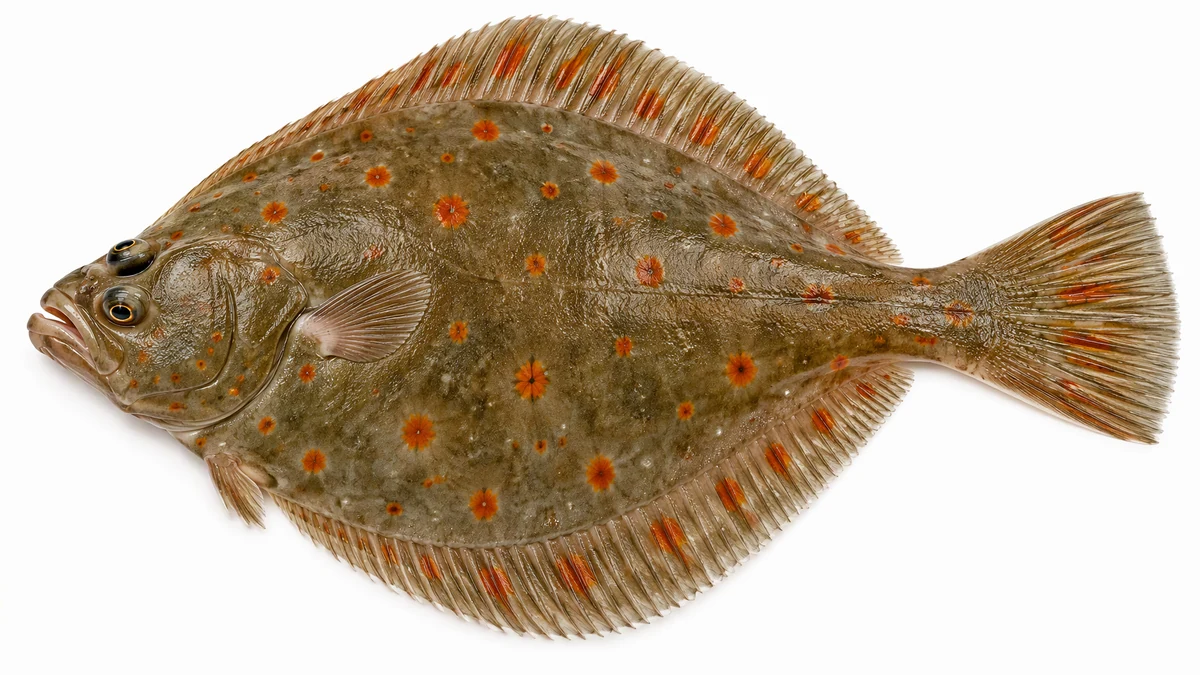
How to Catch Plaice
Plaice is the flatfish that rewards a little local knowledge. It sits camouflaged on sand and mixed ground, it has a small mouth built for nibbling shellfish and worms, and it bites in a way that fools anglers into striking too soon. Learning how to catch plaice means getting three things right: the ground, the bait and the timing of the strike. Do that, and a spotted brown plate on the deck is one of the most satisfying sights in European sea fishing. Read the full Plaice species profile for identification, range and biology.
Best Time to Catch Plaice
Plaice are cool-water fish, most comfortable between roughly 5 and 15°C. In the southern North Sea, the Channel and the Irish Sea, the year splits into two good spells: late winter into spring, and autumn.
The best time to catch plaice is late February through April, when big fish gather on the banks before spawning, and again from September to November as they feed up before moving offshore for winter. The spring run produces the heaviest fish of the year. A 4 lb plaice in March is a realistic target on a good bank; the same mark in July is more likely to give you a handful of smaller fish.
Tide matters as much as season. Plaice feed best on a moving tide, and the two hours either side of high water often produce the action. Neap tides can be better than springs, because the water stays clearer and the bait is easier to find. A coloured sea after a blow is no bad thing either: plaice feed hard when the water is stirred up and the light is knocked back.
Time of day is less critical, though night tides can be excellent from the shore and bright, flat-calm days make the bites delicate.
Water temperature drives the run. A cold spring delays the fish and a mild February brings them onto the banks early, so watch the local reports rather than a date.
Best Gear for Plaice
Plaice gear is light and sensitive. The fish rarely passes 3 lb, its mouth is small, and the take is often a slow, steady draw that a stiff rod turns into nothing.
| Component | Plaice-ready choice |
|---|---|
| Rod | 7–8 ft boat rod, 12–20 lb class, soft tip; 12–13 ft beach rod from shore |
| Reel | Small multiplier or 4000-size fixed spool |
| Main line | 20–30 lb braid for feel, or 15 lb mono on the beach |
| Hooklength | 3–4 ft of 20–25 lb mono or fluoro |
| Hook | Size 1 to 2/0, fine wire, wide gap |
| Lead | 3–6 oz boat; 4–6 oz beach in typical conditions |
| Extras | Beads, sequins or attractor blades, forceps, measure mat |
A soft tip is the single most useful feature. Plaice bites range from a gentle double knock to a slow pull-down, and both are easy to miss on a rod built for cod.
Braid helps on deep marks and in tide. It lets you feel the lead bumping over sand and picks up the change when a fish takes. Below the braid, a 3–4 ft mono hooklength gives the bait freedom and some abrasion protection.
Hooks stay small. A size 1 or 1/0 suits most plaice baits, and a 2/0 is the upper limit for a big worm cocktail. Large hooks and large baits are the fastest way to blank on plaice ground.
Best Bait for Plaice
The best bait for plaice is fresh worm and shellfish, presented small. Ragworm, lugworm, peeler crab, mussel and squid all catch, and a cocktail of worm with a strip of squid or a mussel is the classic combination.
- Ragworm. The number one plaice bait on most European coasts. A whole ragworm or two smaller ones on a size 1 hook, with the tail left to wriggle.
- Lugworm. Best on clean sand. A whole lug or a bunch of two, blown up with a bait pump, is a big, juicy target.
- Peeler crab. A killer bait in spring and autumn, especially on mixed ground. A peeled crab leg or a small section of body is enough.
- Mussel. Cheap, tough and scented. A mussel bound to the hook with elastic survives a long cast.
- Squid strip. Useful as a binding and as scent, but rarely the main bait on its own.
- Cocktails. Ragworm and squid, lug and mussel, or crab and worm. The combination of movement and scent is what plaice are looking for.
What bait for plaice works best depends on the ground and the season. On clean sand in spring, ragworm and lugworm take most fish. On mixed ground and around mussel beds, peeler crab and mussel come into their own.
Keep the bait neat. A plaice has a small mouth, and a huge bundle of worm hanging off a 3/0 hook gets nibbled rather than eaten. Thread the worm along the hook so the point is clear, and trim any long tails.
Lures play a small part. Small soft plastics bounced slowly along sand take plaice when they are hunting shrimp, and they make a useful change of pace.
Plaice Rigs
The plaice rig is a bottom rig with a long hooklength, designed to lay a small bait on the sand where a flatfish can find it.
Two-hook flapper (the standard).
- Tie 30 lb braid to a swivel.
- Add a 3–4 ft hooklength of 20–25 lb mono below the swivel, with a size 1 or 1/0 hook.
- Above the hook, add a second dropper loop 12–18 inches up the trace, with a second hook and bait.
- Clip a 3–6 oz lead to a weak link at the bottom.
- Add a small bead, sequin or attractor blade above each hook.
The two baits fish at slightly different heights, which matters when plaice are lying tight to the sand. The attractor blade is optional, but a bit of colour and flash helps in coloured water.
Clipped-down single hook. For long casts from the beach, clip the hooklength to the lead with a breakaway clip so the bait flies straight and releases on impact. It is the standard shore plaice rig and worth learning if you fish beaches.
Up-and-over rig. A short boom above the lead holds a single hooklength clear of the seabed, with the bait presented just above the sand. It is a good choice on mixed ground where a bait lying flat gets buried or snagged.
Whatever the pattern, the hooklength should be long enough to let the bait move. A short, stiff trace with a heavy lead makes a worm look dead, and plaice ignore dead worms.
How to Catch Plaice, Step by Step
- Pick the ground. Sand, sand-and-gravel, and the edges of banks. Plaice sit on clean bottom, not in weed.
- Anchor or drift uptide. From a boat, anchor so the baits fish downtide of the boat, or drift slowly across the bank.
- Drop to the bottom. Lower the rig until the lead touches, then lift half a turn so the bait rests on or just above the sand.
- Let it settle. Plaice need a stationary or slowly moving bait. Do not retrieve constantly.
- Watch the tip. The classic bite is a slow, steady pull, sometimes after a light knock. Small fish rattle; big fish draw the tip down and keep going.
- Wait before striking. Give the fish a second or two to take the bait properly. A plaice that feels resistance early will let go.
- Strike smoothly. A firm, sweeping lift sets a small hook. Do not swing hard enough to tear the bait.
- Wind steadily. Plaice do not run, but they resist being lifted. Keep the rod bent and pump the fish up.
- Net and measure. A flatfish flapping on deck is hard to hold and easy to drop. Net it, lay it flat, and measure against the local limit.
From the shore, the sequence is similar but slower. Cast onto sand or into a gully, let the lead settle, and let the bait roll with the tide. Reel in a few turns every few minutes to stay in touch and cover new ground.
The most common mistake in plaice fishing is fishing too fast. Plaice are not chasers. A bait that sits still, or moves a few inches at a time, catches far more fish than one retrieved steadily.
Where to Catch Plaice
Plaice live over sandy and mixed ground across the north-east Atlantic, from Iceland and Norway down to Portugal, and they are common in the North Sea, the Channel, the Irish Sea and the western Baltic. Adults use water from the shallows out to about 100 m.
- Sandbanks. The classic plaice mark. Fish the flat top and the edges where sand meets gravel.
- Mussel beds and shell banks. Plaice feed on bivalves, so shellfish ground holds fish.
- Estuary mouths. Young plaice use shallow sandy nurseries, and bigger fish move through on the tide.
- Surf beaches. In spring and autumn, plaice come within casting range on sandy beaches, especially after dark.
- Gravel and mixed patches. The transition between sand and rougher ground is often the most productive strip.
In winter, the biggest fish move offshore into deeper water to spawn, and the boat fishing follows them out. In spring and summer, they spread back into shallow water, and the beach fishing improves.
Plaice are famous migrators. Tagging has shown fish travelling long distances between feeding and spawning grounds, and adults often return to the same areas year after year. Local knowledge is worth more than any bait: the bank that produced last March will probably produce again.
Plaice Regulations and Safety
Plaice rules are set through the EU and UK systems and vary by sea area. A minimum conservation reference size applies, typically around 27 cm in the North Sea, but the figure differs between regions and is reviewed with the stock assessments. The International Council for the Exploration of the Sea (ICES) provides the advice; the Marine Management Organisation, CEFAS and the devolved bodies enforce the rules in UK waters.
As of 2025, check the current size and bag limits before you keep a plaice. Beach angling clubs and charter skippers often set their own minimums above the legal figure, and those rules are usually the ones that matter on the day. Last verified: November 2025.
Handling plaice is easy but not careless. The gill covers are thin and can cut, the bony knobs behind the head are hard, and a flatfish carries a lot of slime. Hold the fish flat with a hand across the back, or grip it through a damp cloth, and keep fingers away from the gill slits.
Measure every fish on a flat mat, not in the air; a plaice hanging from a hook looks longer than it is. Undersized fish go back immediately, handled wet and released head-first into the water.
The shore is where most accidents happen. Beaches and rocks are slippery, tides move fast, and a rising sea can cut off a mark. Fish with a companion, watch the tide, and never turn your back on the water for long. On a boat, keep the deck clear and watch the swinging lead.
Common Mistakes and Plaice Fishing Tips
- Striking too early. A plaice that feels the hook too soon lets go. Wait for the steady pull.
- Bait too big. Small mouth, small bait. A fat bundle of worm on a 3/0 hook is a waste.
- Fishing too fast. Plaice want a still or slowly moving bait. Slow down.
- Fishing clean sand only. The best strips are where sand meets gravel, shell or weed.
- Ignoring the tide. Plaice feed on the move. Fish the two hours either side of high water.
- Wrong season. A blank in midsummer is often a timing problem, not a bait problem.
- Heavy lead. Use just enough weight to hold bottom and no more.
- Keeping a marginal fish. Measure it flat, against the current limit.
A few plaice fishing tips for tough days: add a strip of squid to a worm bait for scent and durability; try a peeler crab when the water is coloured; and move 50 m if you have not had a bite in half an hour on a mark that should hold fish. Plaice sit in patches, and a short move can put you on a different group of fish.
Watch the bait after every cast. If it comes back stripped but untouched, small fish or crabs are working it. Move the bait a turn off the bottom, or switch to mussel or crab.
Treat plaice as a fish worth releasing as well as eating. A big female in spring is the future of the stock, and a quick photo on a wet mat costs the fish nothing. Keep a meal, release the rest.
FAQ
What is the best time to catch plaice? Late February to April on the banks before spawning, and again from September to November. Fish a moving tide around high water.
What bait for plaice should I use? Ragworm, lugworm and peeler crab are the top three, with mussel and squid strip as backups. Keep the bait small and fresh.
What are the best plaice fishing techniques? Fish a two-hook bottom rig on sand or mixed ground, let the bait settle, and wait for the slow pull before striking. Move every 30 minutes if nothing bites.
What is the best plaice rig? A two-hook flapper with 3–4 ft hooklengths, size 1 to 1/0 hooks and a 3–6 oz lead. A clipped-down single hook casts further from the beach.
Where can you catch plaice? Over sand, gravel and shell from the shallows to about 100 m, from Iceland to Portugal, including the North Sea, Channel and Irish Sea.
How big do plaice get? Most are 25–45 cm and 0.5–1.5 kg. A 55 cm or 4 lb fish is a specimen, and big females reach 60–70 cm.
Related Articles
- How to Catch Whiting — the cod-family fish that shares the same sandy grounds.
- How to Catch Turbot — a bigger, harder-fighting flatfish for the same banks.
- How to Catch Mackerel — a summer fish for when the flatfish season fades.
- How to Catch Summer Flounder — flatfish tactics for the other side of the Atlantic.
- Plaice species profile — identification, habitat, diet and records.
- All species profiles
Plaice is a fish of patience and ground. Find the sandbank edge, use fresh worm and shellfish, and wait for the slow pull before you lift the rod. That is how to catch plaice, and why the first spotted fish of spring is worth a cold morning on the water.
About the author and how this was tested
About the author
FishermanGuy
Bank, boat and kayak angler · fishing, crabbing and shrimping since 2021
I buy the gear, fish it for a season and write down what failed. No sponsored verdicts, no free-sample flattery. Every rig on this page has landed fish in water I can point at on a map.
How this was tested
- Every rig gets at least six trips on the same water before it is published.
- Gear is bought at retail. Free samples are labelled in the first paragraph.
- Dates show first publication and the last time the page was updated.