Field notes
How to Catch Mackerel: Feathers, Spoons and Speed
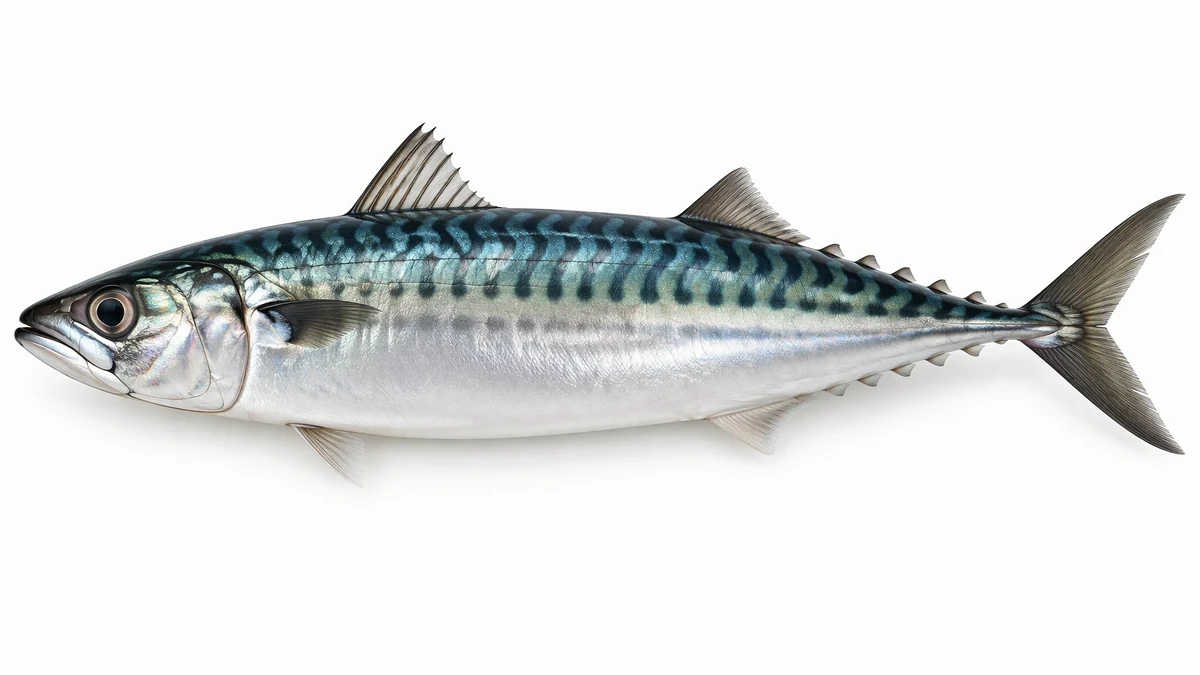
How to Catch Mackerel
Mackerel fishing is the closest thing the sea offers to a sure thing, at least when a school is in front of you. Birds dive, the water darkens, and every lure within reach gets hit on the drop. Learning how to catch mackerel is less about secret bait and more about finding the school, keeping the lure moving, and getting the fish on ice before they spoil. Read the full Mackerel species profile for identification, range and biology.
Best Time to Catch Mackerel
Mackerel are warm-season visitors to northern inshore waters. In the north-east Atlantic, the run starts in late spring, peaks through summer, and fades in autumn as the fish move offshore and south. The same pattern holds on the western side, from the Gulf of St Lawrence down to New England.
The best time to catch mackerel is late May through September, on a moving tide, in low light. Water between roughly 8 and 15°C suits them, and the fish push inshore to feed and spawn during those months. Dawn and dusk are prime, and an overcast day usually beats flat, bright sunshine.
Tide is the other half of the equation. Mackerel ambush baitfish where currents collide, so a tide running against a headland, a reef edge or a harbour wall concentrates fish. Fish the two hours either side of high or low water, when the flow is steady rather than slack.
Spawning runs from about May to July in the north-east Atlantic, and the biggest concentrations of summer fish are often feeding hard in the same period. When the school is up, the fishing is frantic. When it drops away, it can go dead in minutes, so fish the light while you have it.
In winter, mackerel retreat to deeper water, often 100–200 m, where they are hard to reach from shore. A few boats still find them, but for most anglers the season is over.
Best Gear for Mackerel
Mackerel gear is light, because the fish are small and the action is fast. A heavy rod wears you out before the school does.
| Component | Mackerel-ready choice |
|---|---|
| Rod | 7–8 ft lure rod, 10–20 lb class; 9–11 ft from the shore |
| Reel | 3000–4000 fixed spool, or small multiplier |
| Main line | 15–20 lb braid |
| Leader | 2–3 ft of 20–30 lb fluorocarbon |
| Lures | 20–40 g spoons, wedges, sabiki feathers |
| Hooks | Size 6–1/0 on feathers; singles on spoons |
| Extras | Cool box with ice, kill bag, pliers, towel |
A braid main line is the standard now. It casts the light lures further, telegraphs the take, and lets you feel a school bumping the lure on the drop.
The leader protects against the small teeth and against abrasion on the retrieve. A 2–3 ft length of 20–30 lb fluoro is plenty. Heavier leader dulls the action of a light spoon.
Carry more lures than you think you need. Mackerel destroy feathers, and a chewed sabiki is a slow sabiki. A handful of spare rigs and a few spare spoons keeps you fishing.
The most important item is not tackle. It is a cool box with ice. Mackerel spoil faster than almost any fish in European waters, and a warm mackerel is a wasted mackerel. More on that under regulations and safety.
Best Bait for Mackerel
The best bait for mackerel is a strip of mackerel, fished on a feather rig or a small single hook. Mackerel are cannibals, and a sliver of silver belly is as good as anything you can buy.
- Mackerel strip. Cut a 1 cm wide, 5 cm long sliver from the belly or flank, hook it once through the tough end, and let it flutter.
- Sandeel. A whole small sandeel on a single hook works when fish are feeding on baitfish.
- Herring or sprat. Match the local bait. A live or fresh small fish is rarely refused.
- Squid strip. Tough and scented, useful when the school is deep and the bait has to sink a long way.
Lures do most of the work, though. A small silver spoon retrieved fast is the classic, and a chrome wedge that flutters on the sink is just as good. Sabiki rigs with tiny luminous flies or beads catch fish two or three at a time. Soft plastics on light jig heads work when mackerel are chasing small bait near the surface.
What bait for mackerel works best changes with depth. When the school is high in the water, a fast-retrieved spoon or a bare feather gets hit. When the fish are deep, you need weight to reach them, and a baited feather or a heavy jig is more reliable than a light spoon fluttering above their heads.
Keep the bait and lures small. A mackerel has a small mouth relative to its speed, and big cod lures get ignored.
Mackerel Rigs
The mackerel rig is simple by design, because a complicated rig wastes time when the school is under the boat.
Sabiki feather rig (the standard).
- Tie 15–20 lb braid to a snap swivel.
- Clip on a sabiki rig with five or six small feathered hooks on short droppers.
- Add a 20–40 g weight to the bottom clip, heavy enough to sink fast in the tide.
- Drop to the depth the fish are holding, then retrieve with a steady lift-and-drop.
- When two or three fish are on, swing them aboard into a bucket or kill bag.
A sabiki is the most efficient mackerel rig ever invented. It fishes several hooks at once, and the feathers imitate the small fish and plankton mackerel feed on.
Single spoon rig. Tie 20 lb braid to a 2 ft fluoro leader, add a snap for quick lure changes, and clip on a 20–40 g spoon or wedge. Cast, count the lure down, and retrieve fast with the rod tip low. This is the go-to rig when fish are spread out and casting distance matters.
Baited feather rig. For deep or fussy fish, use a single feather with a strip of mackerel belly added to the hook. The scent and the movement together are hard to beat.
Keep the rigs short and tidy. Long, tangled rigs cost you the first minute of every school, and the first minute is often the best one.
How to Catch Mackerel, Step by Step
- Find the school. Watch for diving birds, surface boils, and dark patches under the water. On a boat, use the sounder.
- Position uptide. Anchor or drift uptide of the mark, so the boat does not run over the fish.
- Cast across the current. Let the lure swing with the tide rather than straight downwind.
- Count it down. Let the lure sink for a few seconds, then start the retrieve. Vary the count until you find the depth.
- Retrieve fast. A mackerel is built to chase. A slow lure looks wrong. Wind quickly with the rod tip low.
- Keep tension. The take often comes on the drop or at the start of the retrieve. Keep the line tight so the hook sets.
- Swing small fish, net big ones. Most mackerel can be lifted on the leader. Anything over 1 lb is easier in a net.
- Unhook and chill. Straight into the cool box, bled if you have time. Do not let fish pile up in the sun.
- Re-bait and repeat. The school moves. Get back in the water fast.
From the shore, the technique is similar but more static. Cast from a headland, pier or harbour wall across the tide, let the lure sink, and retrieve at speed. Work the lure along the edge of the current rather than straight out.
When the school is thick, a sabiki will take fish on every drop. When it thins, switch to a single spoon and cover more water.
If the fish are deep, add weight or use a heavier jig. A sounder showing marks at 30 m means a surface spoon will be ignored no matter how fast you wind.
Where to Catch Mackerel
Where to catch mackerel is anywhere the current concentrates bait. Mackerel are pelagic, so they are not tied to the seabed, but they are tied to structure that creates a feeding lane.
- Headlands and points. The tide rips around the point and baitfish get pinned against it.
- Reef edges. The change in depth and current holds bait, and mackerel patrol the edge.
- Harbour mouths. The outflow creates a current line, and mackerel work it hard in summer.
- Tide lines. The visible line where two currents meet is a natural ambush point.
- Piers and breakwaters. The most reliable shore marks, especially in the evening.
- Deep water in winter. Fish move out to 100–200 m when the inshore water cools.
In spring and summer, the fish push inshore and within casting range of the shore. Marks with tide, structure and baitfish hold fish. In autumn they move offshore and south, and the inshore fishing fades.
On a boat, look for the birds first and the sounder second. A working flock of gannets is more reliable than any chart.
Mackerel Regulations and Safety
Mackerel rules vary by country and by stock. In EU and UK Atlantic waters, the minimum size is commonly 20 cm (about 8 inches), and quotas, bag limits and closed areas apply in some fisheries. Recreational rules differ between England, Scotland, Wales, Ireland and Norway, and they change with stock advice.
As of 2025, check the current rules for your area before you fill a bucket. The national fisheries departments set and enforce them, and the EU member state administration covers the rest. Last verified: November 2025.
The serious safety issue with mackerel is not the fish; it is the table. Mackerel are scombroid fish, with high levels of histidine in the dark muscle. Once a fish dies and warms up, bacteria turn that histidine into histamine, which cooking does not destroy. Eating a warm mackerel can cause scombroid poisoning: flushing, headache, a racing heart, cramps and a rash that looks like an allergy.
The prevention is simple and absolute. Bleed the fish, kill it quickly, and get it on ice within minutes. Keep it cold until you cook or freeze it, and cook or freeze it the same day. A mackerel that has sat in a warm bucket should be discarded, not cooked.
Handling hazards are minor. The gill covers are thin and sharp, and a big mackerel thrashing on deck can rake a hand. Wet your hands, support the body, and use a cloth if the fish is lively. The small teeth can draw blood but do no lasting damage.
On the shore, watch the tide and the wet rocks. Mackerel marks are often exposed points and harbour walls, and anglers get cut off or slip while chasing a school along the edge.
Common Mistakes and Mackerel Fishing Tips
- Fishing too slow. Mackerel chase. If your lure is not moving fast, speed up.
- Ignoring the birds. A flock of diving birds is the best fish finder on the coast.
- Fishing the wrong depth. Vary the count until you find the fish, then repeat it.
- Heavy tackle. A cod rod turns a mackerel into a winch job and kills the fun.
- Warm storage. Ice within minutes, or do not keep the fish.
- Over-filling the bucket. Keep what you will eat and release the rest.
- Chewed feathers. Replace damaged sabikis before the school arrives.
- Standing over the fish. On a crowded pier, cast and move; do not block the mark.
A few mackerel fishing tips that make a difference: keep a spare rod rigged with a spoon while the other fishes a sabiki; watch where the birds are heading, not where they are; and cast beyond the school and retrieve through it rather than dropping on top of it.
When the school sounds and disappears, do not keep casting into empty water. Move along the mark, look for the next patch of birds, and wait for the tide to push another group through.
Finally, mackerel is one of the best-eating fish in the sea when it is treated right. Bleed it, ice it, and cook it the same day. The difference between a fresh mackerel and a warm one is the difference between a great meal and a stomach ache.
FAQ
What is the best time to catch mackerel? Late May to September in the north-east Atlantic, on a moving tide at dawn or dusk. Water between 8 and 15°C brings fish inshore.
What bait for mackerel works best? A strip of mackerel belly on a feather rig, or a whole sandeel. Lures such as small spoons and sabiki feathers often outfish bait.
What are the best mackerel fishing techniques? Find the school using birds and the sounder, cast across the tide, count the lure down, and retrieve fast. Vary the depth until you find fish.
What is the best mackerel rig? A five- or six-hook sabiki with a 20–40 g weight for volume, or a single 20–40 g spoon on a 2 ft fluoro leader for casting.
Where can you catch mackerel? Around headlands, reef edges, harbour mouths, tide lines and piers in spring and summer. In winter they move offshore to 100–200 m.
How do you keep mackerel fresh? Bleed and chill them immediately, keep them on ice, and cook or freeze them the same day to avoid scombroid poisoning.
Related Articles
- How to Catch Atlantic Herring — the other great summer school fish of the North Atlantic.
- How to Catch Smelt — a small silver fish that runs the same cold coasts.
- How to Catch Whiting — and why fresh mackerel is the best bait for them.
- Mackerel species profile — identification, habitat, diet and records.
- All species profiles
Mackerel is a fish of speed and abundance. Find the school, keep the lure moving, and get the fish on ice. That is how to catch mackerel, and why a summer evening with a light rod and a cool box is one of the best deals in sea fishing.
About the author and how this was tested
About the author
FishermanGuy
Bank, boat and kayak angler · fishing, crabbing and shrimping since 2021
I buy the gear, fish it for a season and write down what failed. No sponsored verdicts, no free-sample flattery. Every rig on this page has landed fish in water I can point at on a map.
How this was tested
- Every rig gets at least six trips on the same water before it is published.
- Gear is bought at retail. Free samples are labelled in the first paragraph.
- Dates show first publication and the last time the page was updated.