Field notes
How to Catch Atlantic Herring: Sabiki Rigs and Timing
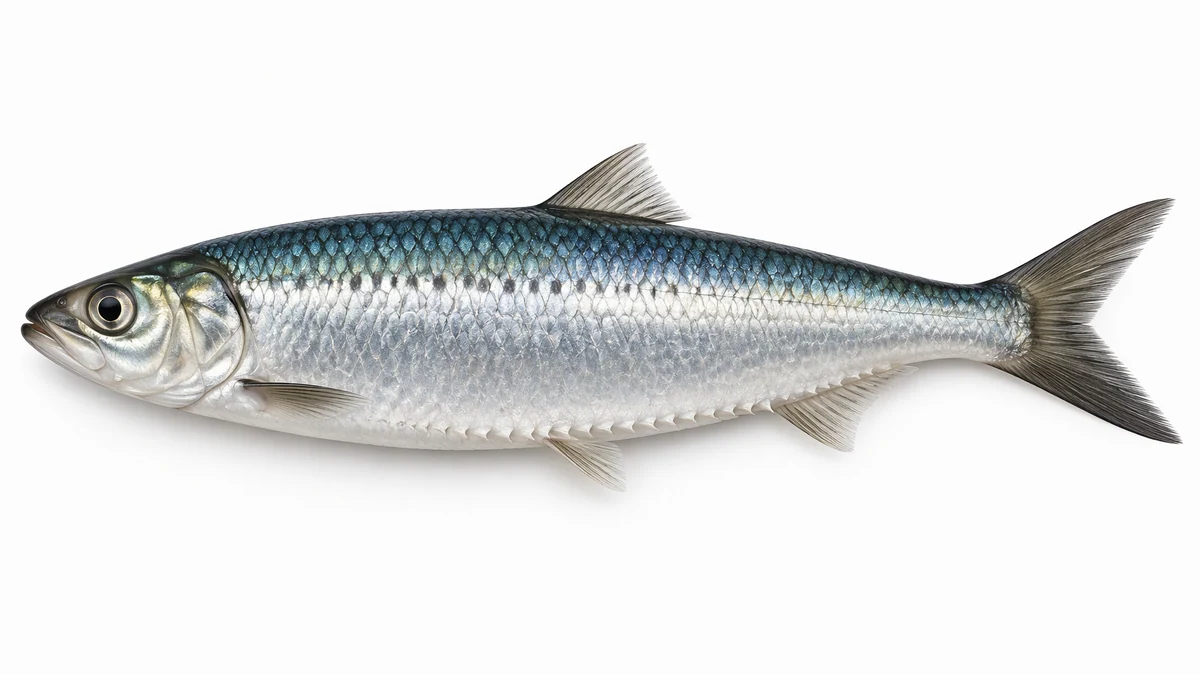
How to Catch Atlantic Herring
Atlantic herring is the small silver fish that makes the North Atlantic work. It feeds cod, tuna, seals, dolphins and seabirds, and it has fed people for centuries as pickled herring, kippers and the infamous Swedish surströmming. For anglers, it is the perfect light-tackle target: a hand-length fish that bites in numbers, fights in a shoal, and doubles as premium bait for bigger predators. This guide explains how to catch Atlantic herring, from finding the shoal to the sabiki rig that empties it. Read the full Atlantic Herring species profile for identification, range and biology.
Best Time to Catch Atlantic Herring
Herring are cold-water fish, and their season depends entirely on which stock is in front of you. In northern Europe, many stocks are most accessible in winter and early spring. Norwegian spring-spawning herring move along the coast from February to April, North Sea autumn spawners run around September and October, and Baltic herring spawn in spring and early summer.
The best time to catch Atlantic herring is dusk, dawn and after dark. Herring feed on plankton that rises toward the surface at night, and they follow it. During the day they often hold deeper, out of reach of surface lures and birds. Fish the last hour of light, the first hour after sunset, and the dark hours under a lamp.
Water temperature matters. The big European stocks sit in water from about 4 to 13°C (roughly 40–55°F). Warming water has shifted some stocks north and pushed their summer distribution deeper, which is one reason herring management is watched so closely.
Weather is less important than bait. A calm, overcast evening with birds working is better than a bright blue day, but if a shoal is thick, herring will bite in almost any conditions. The challenge is finding them, not persuading them.
Best Gear for Atlantic Herring
Herring tackle is as light as saltwater fishing gets. You do not need distance or power; you need sensitivity and a rig that presents several tiny hooks at once.
| Component | Atlantic herring-ready choice |
|---|---|
| Rod | 6–7.5 ft light spinning or light boat rod |
| Reel | 2500–4000 size spinning reel with a smooth drag |
| Main line | 8–12 lb braid, or 6–10 lb mono |
| Rig | Sabiki with 5–8 small flies or hooks |
| Weight | 1/2–2 oz, just enough to reach the shoal |
| Hooks | Size 10–14, or sabiki flies of similar size |
| Extras | Small bucket, rag, cool box, headlamp, pliers |
Braid is popular because it sinks fast, cuts current and transmits the tap of a small fish. A light mono or fluorocarbon leader between braid and sabiki adds a little stretch and reduces pull-outs from soft mouths. If you are fishing from a pier, a 7-foot rod gives you enough length to swing small fish up without a net.
A sabiki rig is the heart of the setup. It is a string of tiny flies or hooks on short droppers, fished vertically. Five to eight hooks is plenty; more than that turns a shoal into a tangle. Carry a spare rig or two, because sabikis snag and tangle easily.
Best Bait for Atlantic Herring
The best bait for Atlantic herring is often no bait at all. A sabiki rig with small flies or luminous beads works because herring strike at tiny, shiny objects, especially when a shoal is thick and competitive.
- Sabiki flies. Tiny feathers, flash and beads imitate plankton and small shrimp. This is the default.
- A sliver of mackerel or squid. A piece the size of a grain of rice on each hook adds scent and taste when fish are cautious.
- Small spoons. A 5–15 g spoon or a small metal jig takes herring, especially when they are feeding near the surface.
- Streamer flies. A small streamer on a fly rod is a lovely way to catch herring at dusk, and it matches their plankton-feeding behaviour.
- Small soft plastics. A tiny paddle tail on a light jig head can work, but it is less consistent than a sabiki.
What bait for atlantic herring works best depends on the mood of the shoal. When fish are thick and competitive, bare sabiki flies outfish baited hooks because they are faster to fish and harder to strip. When fish are finicky, a tiny sliver of fish or squid on each hook seals the deal.
Do not overload the hooks. A big chunk of bait on a size 12 hook masks the hook point and turns a sure bite into a miss. Small is the whole game.
Atlantic Herring Rigs
Three rigs cover almost every herring situation: the sabiki, the single lure, and the float rig.
Sabiki rig (the standard).
- Tie 8–12 lb braid to the top swivel of the sabiki.
- Clip a 1/2–2 oz weight to the bottom clip. The weight should be just enough to sink the rig straight.
- Lower the rig to the depth where fish are showing on the sounder or where birds are working.
- Jig gently: lift the rod 20–30 cm and let the rig fall, keeping a slight tension.
- When a fish hits, keep winding smoothly. Do not strike.
Single small lure. A small spoon or metal jig on a light rod is the simplest option when fish are near the surface. Cast, count it down a few seconds, and retrieve with a steady wobble. This is the best rig for a beginner or a child.
Float rig at night. A small float with a sabiki or a single baited hook below it holds the bait at a set depth under a light. Herring gather around the light, and the float keeps the offering in the zone without constant recasting.
For deep shoals, a heavier sabiki weight gets down faster. For shallow, surface-feeding fish, remove the weight and fish the rig almost like a fly line. Match the rig to the depth, not the other way around.
How to Catch Atlantic Herring, Step by Step
- Find the shoal. Look for working birds, breaking fish, sonar marks or the dark patch of a shoal moving under the surface.
- Position quietly. Drift or anchor uptide of the shoal and avoid running through it with the motor.
- Set the depth. Lower the sabiki until you are just above the fish, not below them.
- Jig gently. Short lifts and falls, with a pause. Herring respond to movement, not violence.
- Keep winding. When you feel weight, keep a smooth retrieve. Striking tears the soft mouth.
- Land and unhook. Swing small fish or use a net. Shake them off the hook into a bucket rather than grabbing them.
- Keep the catch cool. Herring are oily and spoil fast. Put them on ice or in a cool box immediately.
- Follow the shoal. When the bite slows, the shoal has moved. Reposition and find the marks again.
At night, a lamp over the water is the classic trick. The light draws plankton, plankton draws herring, and herring draw everything else. Fish the edge of the light, not the brightest spot, and keep the sabiki moving.
Where to Catch Atlantic Herring
Where to catch Atlantic herring is wherever the shoals are: the open water of the North Atlantic, from the surface down to about 360 metres. On the western side, the range runs from Labrador and the Gulf of St. Lawrence through the Canadian Maritimes and New England. On the eastern side, herring live from Greenland and Iceland through the Barents Sea, Norway, the North Sea, the Irish Sea and the English Channel.
- Piers and harbour walls. The easiest access, especially at night under lights. Check harbour rules first.
- Rocky shores and sea lochs. Some stocks spawn right against the rocks, and fish come within casting range.
- Offshore banks. The Dogger Bank in the North Sea is a classic autumn spawning ground.
- Deep water beside headlands. Shoals hold in the water column, often marked by birds.
- Baltic coastal waters. The smaller strömming form is a shore and boat target in spring and early summer.
Herring are pelagic, so do not fish the bottom unless the sounder shows fish there. In summer, they often feed near the surface at night and sink during the day. In winter, they gather in deeper water before moving inshore to spawn. Follow the bait, the birds and the sonar, and the location takes care of itself.
Atlantic Herring Regulations and Safety
Recreational rules for herring are light in most of Europe. In many countries there is no minimum size and no closed season for rod-and-line herring, though local bye-laws can restrict gear, access or the sale of catch. Some areas protect spawning shoals, and some harbours ban fishing from the quay.
Check with the local authority or harbour office before you fish, especially if you plan to take fish for bait or the table. For the official picture, start with ICES for stock status, then check the national agency: the Norwegian Directorate of Fisheries, the UK Marine Management Organisation (MMO) and Marine Scotland, or the relevant EU member state authority. Herring rules are less about size limits than about quotas and closed areas, and those change with the science. Last verified: November 2025.
Safety around herring is mostly about the environment. A shoal attracts gulls, gannets, seals, dolphins and boats, so keep a sharp lookout and give other vessels room. Winter herring fishing means cold hands, wet decks and short daylight; cold water is the thing most likely to hurt you. Wear a life jacket on a boat and keep a headlamp and spare batteries on a night pier.
Herring also spoil fast. The flesh is oily, and a fish left in a warm bucket turns soft within hours. Keep catches cool and clean, and treat bait herring with the same care you would give your own dinner. If you plan to freeze them for bait, freeze them fresh, not after a day in the sun.
Common Mistakes and Atlantic Herring Tips
- Fishing blind. Herring shoals move. Use birds, sonar and other boats as clues, and reposition when the bite stops.
- Bait too big. A chunk of mackerel on a size 12 hook hides the point. Use a sliver, or no bait at all.
- Striking hard. Herring have soft mouths. A smooth wind beats a hookset every time.
- Rig too heavy. A big weight drags the sabiki below the fish and kills the action. Use just enough lead.
- Ignoring the light. At night, fish the edge of a lamp's glow where plankton concentrates.
- Letting fish spoil. Oily flesh turns quickly. Ice them immediately.
- Fishing a banned harbour. Local bye-laws often prohibit quay fishing. Ask first.
- Overharvesting. Herring are forage fish. Take what you need and leave the rest.
A few Atlantic herring fishing tips for a slow session: downsize the sabiki flies, add a tiny sliver of squid, and fish deeper if the surface is quiet. Watch the sounder for a solid block of fish rather than scattered marks; a tight shoal bites better than a scattered one. And if the birds suddenly lift and scatter, a predator has arrived, which often means the herring are about to move.
FAQ
What is the best time to catch Atlantic herring? Dusk, dawn and after dark, when plankton rises and herring follow. Winter and early spring are prime for many European stocks; North Sea autumn spawners run in September and October.
What bait for atlantic herring works best? Bare sabiki flies, or flies tipped with a tiny sliver of mackerel or squid. Small spoons and streamer flies also work when fish are near the surface.
What are the best atlantic herring fishing techniques? Find the shoal with birds or sonar, lower a sabiki to the fish, and jig gently with short lifts. Keep winding smoothly when a fish hits, and fish the edge of a light at night.
What is the best atlantic herring rig? A 5–8 hook sabiki rig with a 1/2–2 oz weight, fished vertically. A single small spoon or a float rig under a light are good alternatives.
Where can you catch Atlantic herring? Piers, harbour walls, rocky shores, sea lochs and offshore banks across the North Atlantic, from Labrador and New England to Iceland, Norway, the North Sea and the Baltic.
Do you need a licence to catch herring? In many European countries, rod-and-line sea fishing needs no licence, but local bye-laws and harbour rules vary. Check with the local authority before you fish.
Related Articles
- How to Catch Atlantic Cod — the big predator that follows herring shoals.
- How to Catch Turbot — a flatfish of the same northern shelf.
- How to Catch Lemon Shark — a warm-water target when the herring season ends.
- Atlantic Herring species profile — identification, range, diet and spawning.
- All species profiles
Atlantic herring proves that size is not the same as importance. A hand-length fish feeds the North Atlantic, fills the smoker and gives light-tackle anglers a busy evening when the shoals move in. Find the birds, find the bait, and the herring will not be far away. That is how to catch Atlantic herring, and why so many saltwater seasons start with a bucket of silver.
About the author and how this was tested
About the author
FishermanGuy
Bank, boat and kayak angler · fishing, crabbing and shrimping since 2021
I buy the gear, fish it for a season and write down what failed. No sponsored verdicts, no free-sample flattery. Every rig on this page has landed fish in water I can point at on a map.
How this was tested
- Every rig gets at least six trips on the same water before it is published.
- Gear is bought at retail. Free samples are labelled in the first paragraph.
- Dates show first publication and the last time the page was updated.