Field notes
How to Catch Bigeye Tuna: Deep Tactics & Night Bites
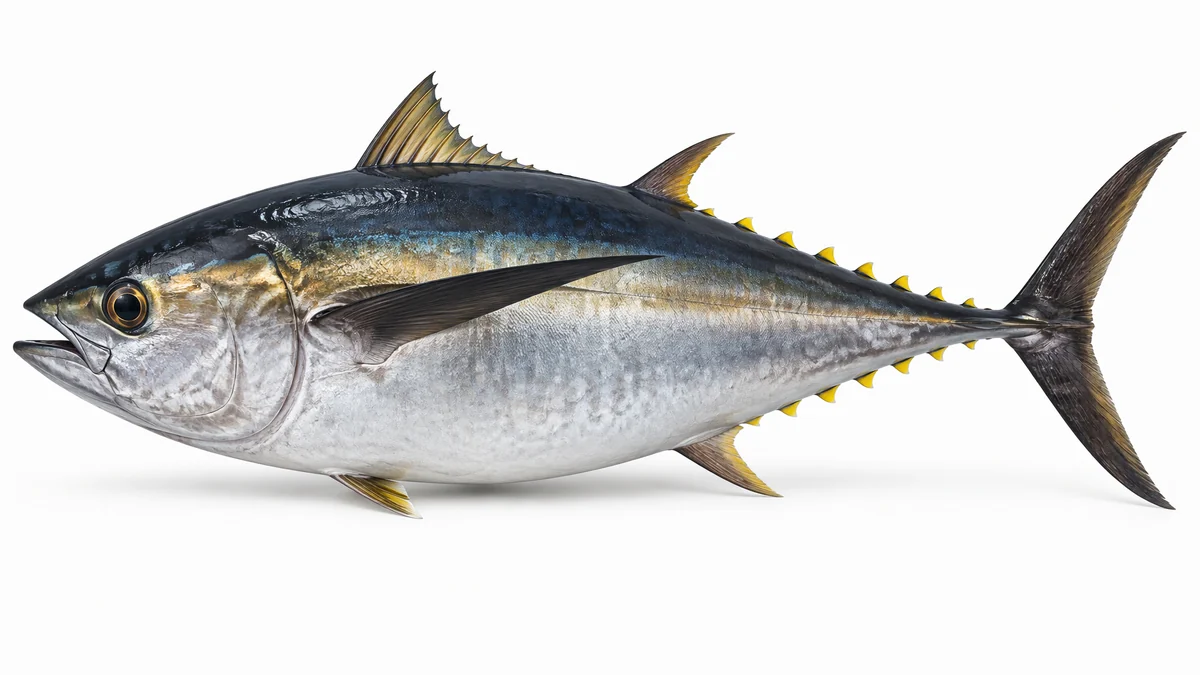
How to Catch Bigeye Tuna
The bigeye tuna is the tuna that makes experienced offshore anglers slow down and think. It is not a surface-school fish like a yellowfin. It spends its days hundreds of feet down in cold, dim water, then rises toward the surface at night to feed, and that vertical habit changes everything about how you target it. Learning how to catch bigeye tuna is really about fishing in three dimensions: finding the right depth, getting a bait down to the fish, and being ready for a fight that goes straight down instead of across the surface. For identification, range, and biology, read the full Bigeye Tuna species profile; here we focus on catching them.
Best Time to Catch Bigeye Tuna
The best time to catch bigeye tuna is night, or the low-light hours around it, when the fish rise from the deep to feed. During the day they can sit 800 feet down, well below the thermocline, where most trolling spreads never reach them. After dark they follow the deep scattering layer upward, and that is when a bait or jig finally gets in front of them.
Season depends on where you fish. In the tropics, bigeye are available year-round, with spawning that peaks by region. In U.S. Atlantic waters, summer and fall are the strong months, when warm currents push the fish north along the shelf edge and into the Gulf of Mexico.
Temperature narrows the search. Bigeye tolerate a wide band of roughly 55 to 85°F, but they concentrate where the water is about 63 to 72°F. On many trips that means working the deep edge of a warm current, or dropping baits below a warm surface layer into the cooler water underneath. Watch the sonar and the temperature readout together: a hard break a few hundred feet down is often where the fish are holding. Fish the full moon cautiously — bright nights can spread the bite out — and lean on dark nights when the fish seem bolder near the lights.
Best Gear for Bigeye Tuna
Bigeye are strong, heavy fish that bore downward, so this is not light-tackle work. Build around a stout conventional outfit that can put pressure on a fish that refuses to come up.
| Component | Bigeye-ready choice |
|---|---|
| Rod | 5 ft 6 in to 6 ft 6 in heavy conventional, stand-up or bent-butt |
| Reel | 50- to 80-pound class two-speed conventional |
| Main line | 80- to 130-pound braid |
| Leader | 100- to 150-pound fluorocarbon |
| Hooks | 8/0 to 10/0 circle hooks matched to the bait |
| Extras | Downrigger or heavy sinker, a fighting harness, a deep-drop electric reel where legal |
A two-speed reel earns its keep here. You use low gear to winch a stubborn fish up from depth, and high gear to pick up line fast after a run. Braid lets you feel the bottom and cut through current, while a heavy fluorocarbon leader handles abrasion and the fish's teeth. Circle hooks reduce gut-hooking on bait, which matters for a species that is managed tightly and often released when undersized.
If you plan to fish deep structure, a downrigger or a heavy weight gets your bait into the zone without an electric reel. Where electric reels are legal, they take the misery out of deep-dropping, but check your local rules first. A harness is not optional on a 150-pound fish — it saves your back and keeps the rod loaded through a long, dogged fight.
Best Bait for Bigeye Tuna
The best bait for bigeye tuna is a whole squid, a live or fresh-dead small fish, or a chunk fished deep. Match the deep scattering layer and you are on the right track: squid, lanternfish, and small baitfish are the core of the diet, and bigeye feed heavily on them at night.
Natural bait does the heavy lifting.
- Whole squid. A whole or large squid rigged on a circle hook is the classic deep bait. It stays on through a long drop and gives off scent in the dark.
- Live or fresh-dead baitfish. Small mackerel, scad, and similar oily fish are excellent, especially fished live near the surface lights at night.
- Chunks. Cut fish or squid chunks, tossed to create a scent trail and fished on a weighted line, pull bigeye up and keep them around the boat.
Artificial presentations cover water and find fish.
- Skirted lures. Trolled skirts catch bigeye, especially when run deep or at dawn and dusk.
- Deep-running plugs. Crankbaits and diving plugs get below the surface trolling spread.
- Vertical jigs. Heavy metal jigs worked over deep structure take fish that ignore bait, and jigging is one of the most direct bigeye techniques.
Because bigeye hunt in low light, scent and silhouette matter more than fine detail. A big, smelly bait dropped into the dark out-fishes a delicate presentation almost every time.
Bigeye Tuna Rigs
A bigeye tuna rig has one job: put bait in front of a fish that is usually far below the boat. These setups cover the main situations.
Deep-drop rig. Thread a heavy weight — often a pound or more — on a breakaway or sliding system above a long fluorocarbon leader and a circle hook. Drop the bait to the depth where you mark fish, then hold it there. This is the standard daylight setup when fish are holding deep, and the electric reel makes it practical.
Chunk rig with weighted line. Free-line chunks behind the boat to build a scent trail, and fish one chunk on a line weighted with a small egg sinker or a rubber-core sinker. The weighted chunk sinks below the drifting pieces, where the bigger fish often feed. This is a night technique that shines under the lights.
Downrigger bait. Clip a live or fresh-dead bait to a downrigger and set it at the depth you mark fish. The downrigger keeps the bait at a precise level and lets you troll or drift slowly while staying in the zone.
Vertical jigging rig. Tie a heavy metal jig directly to a short, strong leader and fish it straight up and down over deep structure. Rip it, let it flutter, and stay in contact. It is simple, active, and deadly on suspended fish.
Keep your leader long enough to survive the fight, and check it after every fish. Bigeye have modest teeth, but the abrasion and the sheer drag of a deep fight will find any weak spot.
How to Catch Bigeye Tuna, Step by Step
- Find the deep edge. Look for a temperature break or a current edge, and check the sonar for fish holding below the surface layer. Bigeye are not always where the birds are.
- Set the depth. Once you mark fish, get your bait down to their level with a downrigger, a heavy weight, or an electric reel. Fishing the surface in bright daylight is the most common way to blank.
- Present naturally. Drop a whole squid or a live bait on a long leader, and let it sit or drift at depth. At night, fish baits just under the surface lights where the fish rise to feed.
- Wait for the load. On a circle hook, do not swing. Let the fish take the bait, load the rod, and come tight, then reel down and lift.
- Fight it down, not across. A hooked bigeye usually runs straight down and uses its weight and the current. Keep the rod loaded, use the harness, and pace yourself. This is a grinding fight, not a sprint.
- Control the fish at the boat. A green bigeye can surge and break a light leader. Keep the leader short and controlled, wear gloves, and be ready for one last run.
- Bleed and ice it. As soon as the fish is landed, bleed it and get it on ice. Bigeye spoil fast and can develop histamine if handled warm.
The rhythm of a bigeye trip is patience punctuated by chaos. You may fish for hours with nothing, then hook a fish that fights like a freight elevator. Stay ready, keep your baits in the zone, and trust the depth finder over your instincts.
Where to Catch Bigeye Tuna
Where to catch bigeye tuna is the tropical and subtropical open ocean, across the Atlantic, Indian, and Pacific oceans. They are absent from the Mediterranean. In the western Atlantic they range from New England and Bermuda south through the Caribbean to Brazil, and they are common in the Gulf of Mexico and off the U.S. Southeast coast.
The key is depth and structure. Bigeye relate to the deep edge of warm currents, to seamounts and drop-offs, and to temperature breaks where cool water sits beneath a warm surface layer. They can tolerate lower oxygen than other tunas, which is part of why they can hunt at depths that would send a yellowfin back up.
At night, look for lights. Many boats fish bigeye under surface lights that draw squid and baitfish, and the bigeye rise to feed beneath them. Anchor or drift in deep water, set your lights, and fish baits down through the column. Away from the lights, work the deep edge of the current and watch for the sonar marks that tell you fish are suspended below.
Bigeye Tuna Regulations and Safety
Bigeye are the most heavily managed of the smaller tunas, because longline fleets target them for the sashimi market. In the Atlantic, ICCAT sets catch limits and the United States manages the species under the highly migratory species program. As of 2025, recreational anglers in U.S. Atlantic waters need an HMS permit, and bigeye carry a minimum size of about 27 inches curved fork length plus a daily bag limit that has changed over the years. Always confirm the current size, bag, and gear rules with NOAA Fisheries and your state before you fish.
In the Pacific and Indian oceans, bigeye are managed by the relevant regional commissions, and some fisheries face observer and bycatch rules. The IUCN lists bigeye as Vulnerable worldwide — a step worse than yellowfin — reflecting decades of heavy fishing pressure. That status is a reason to handle and release fish carefully and to follow quotas closely.
On safety, bigeye are not venomous and only have modest teeth. The real risks are the deep, powerful fight and handling a heavy fish at the boat. A 150-pound bigeye can take a long time to land, and a combination of heavy tackle and a stubborn fish leads to pulled muscles and bruised ribs if you fight it badly. Use a harness, keep the rod loaded, and pace yourself. Keep the leader short and controlled at the boat, wear gloves, and respect the fish's weight. If you release it, revive it in the water before letting go. And handle the meat with care: bleed and ice promptly, because warm bigeye can develop histamine and cause scombroid poisoning. Local ciguatera advisories apply in some tropical areas.
Common Mistakes and Bigeye Tuna Tips
- Fishing only the surface in daylight. Bigeye are deep by day. If you are not getting baits down, you are not in the game.
- Too-light tackle. This is not a yellowfin. Step up to 50- to 80-pound class or lose fish on the first downward run.
- Swinging on a circle hook. Let the fish load the rod. A hard hookset with a circle hook usually pulls it.
- Skipping the night bite. The low-light window is when bigeye feed near the surface. Plan some of your fishing for the dark.
- Mishandling the meat. Bleed and ice every fish immediately. Warm bigeye ruins quickly and can make people sick.
- Misidentifying the fish. If you are weighing a bigeye, know the tell-apart features. Check the pectorals and, if it matters, the liver — a striated liver means bigeye, a smooth one means yellowfin.
- Assuming every mark is a bigeye. Learn to read sonar and confirm what you are seeing before you commit heavy tackle and deep baits.
- Ignoring quotas and size limits. Bigeye are Vulnerable and tightly managed. Measure, release undersized fish, and stay within the rules.
FAQ
What is the best time to catch bigeye tuna? Night and low-light hours, when the fish rise from the deep to feed. In the tropics they are available year-round; in U.S. Atlantic waters, summer and fall are the strong months.
What bait for bigeye tuna works best? A whole squid, a live or fresh-dead baitfish, or a chunk fished deep. Skirted lures and vertical jigs work when you want to cover water or fish actively.
How deep do you fish for bigeye tuna? During the day, fish can hold 800 feet or more down, well below the thermocline. At night they rise toward the surface, often under lights. Match the depth to what you mark.
What are the best bigeye tuna fishing techniques for beginners? Start with deep-drop baiting on heavy conventional tackle and night fishing under lights. Keep your baits in the zone, let circle hooks do the work, and be ready for a straight-down fight.
Can you catch bigeye tuna from shore? No. Bigeye are open-ocean fish that require a boat and, usually, a long run to deep water.
How big do bigeye tuna get? Most rod-and-reel fish weigh 20 to 120 pounds. Fish over 200 pounds are trophies, and the species can reach about 8 feet and roughly 460 pounds.
Learning how to catch bigeye tuna is mostly about respecting the third dimension. Fish the deep edge, drop a bait where the light fades, and stay ready for a fight that goes straight down. Learn the fins and the liver, follow the quotas, and you will never mistake a bigeye for a yellowfin again.
Related Articles
- How to Catch Albacore Tuna — the cool-water tuna that runs the same offshore water.
- How to Catch Skipjack Tuna — the fast surface tuna that shares bigeye water at times.
- How to Catch Swordfish — another deep-water specialist fished on a similar schedule.
- Yellowfin Tuna — the surface tuna most often mistaken for bigeye.
- Bluefin Tuna — the giant of the family, under strict quotas.
About the author and how this was tested
About the author
FishermanGuy
Bank, boat and kayak angler · fishing, crabbing and shrimping since 2021
I buy the gear, fish it for a season and write down what failed. No sponsored verdicts, no free-sample flattery. Every rig on this page has landed fish in water I can point at on a map.
How this was tested
- Every rig gets at least six trips on the same water before it is published.
- Gear is bought at retail. Free samples are labelled in the first paragraph.
- Dates show first publication and the last time the page was updated.