Field notes
How to Catch Swordfish: Deep Drops & Night Drifts
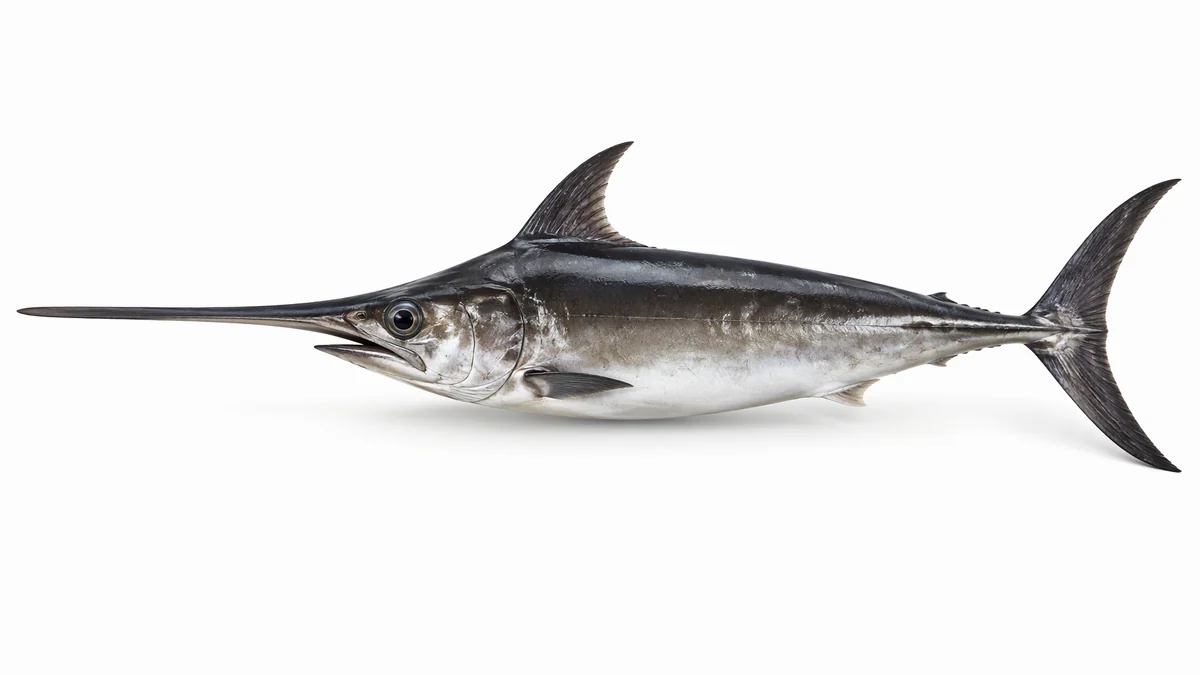
How to Catch Swordfish
The swordfish is the strangest of the big billfish and, for many anglers, the most mysterious. It hunts in near-darkness hundreds of meters down, then rises to the surface at night. Its bill is not a round spear like a marlin's but a flat, broad blade that looks forged. And a big swordfish is heavy enough to bend a fighting chair and stubborn enough to fight straight down for hours. Learning how to catch swordfish is about choosing between two very different approaches: dropping baits deep during the day, or fishing the surface at night. For identification, range, and biology, read the full Swordfish species profile; here we focus on catching them legally and safely.
Best Time to Catch Swordfish
The best time to catch swordfish depends on where and when you fish, because the fish are on a daily vertical migration. During the day they hold deep — often 1,500 to 2,500 feet — where light is faint and prey is concentrated. At night they rise toward the surface to feed, sometimes basking at the top with their bills and dorsal fins breaking the water. That single fact shapes the whole plan: deep-drop during the day, drift or bait at night.
Seasonally, summer and fall are strong in the North Atlantic, and the species is available year-round in many tropical and subtropical waters. The North Atlantic stock rebuilt after severe depletion in the 1990s and is now considered healthy, though it remains under quota, so the season and the rules follow the management plan rather than a simple calendar.
Water and current matter. Swordfish are unusually tolerant of cold, and they can hunt in deep water far cooler than most billfish would accept, using specialized tissues that warm the eyes and brain. That lets them stay active in the cold, dim layer where squid and deep-water fish live. Fish the deep edge where cold water sits below a warm surface layer, and watch the moon and current — a strong current and a dark night are classic swordfish conditions.
Best Gear for Swordfish
Swordfish are heavy, powerful, and often deep, so this is serious tackle. Build around a 50- to 130-pound class outfit with a strong leader and a sharp circle or J hook.
| Component | Swordfish-ready choice |
|---|---|
| Rod | 5 ft 6 in to 7 ft heavy conventional, stand-up or bent-butt |
| Reel | 50- to 130-pound class conventional, or a deep-drop electric where legal |
| Main line | 80- to 130-pound braid |
| Leader | 150- to 300-pound monofilament or fluorocarbon |
| Hooks | 9/0 to 12/0 circle or J hooks matched to bait |
| Extras | Heavy sinkers, a fighting harness, lights, a dehooker, a tail rope |
A two-speed reel is a big help when winching a fish up from depth, and a fighting harness saves your back on a long, dogged fight. Braid cuts through current and lets you feel the bottom; a heavy monofilament or fluorocarbon leader handles abrasion and the fish's bill.
For deep-drop fishing, an electric reel takes the misery out of cranking a bait up from 1,500 feet, but it is not legal everywhere and not allowed for record fishing. Where it is allowed, it turns a brutal chore into a manageable one. For night fishing, lights, a drift setup, and a strong leader are the core of the kit.
Best Bait for Swordfish
The best bait for swordfish is squid — whole or rigged — along with mackerel, bonito, and other oily fish. Squid is the top bait because it matches the deep-water prey the fish hunt, and it stays on a hook through a long drop.
Natural bait is the standard.
- Whole squid. A whole or large squid rigged on a circle hook is the classic deep-drop bait and the top night bait. It gives off scent in the dark and stays on through a long soak.
- Mackerel and bonito. Oily fish baits are excellent, especially fished deep or drifted at night.
- Fillets and strips. Cut baits add scent and are useful when the fish are feeding on fish rather than squid.
Artificial and trolling presentations take fish in some areas.
- Skirted lures. Trolled skirts and swimming plugs catch swordfish, especially at dawn and dusk when fish are near the surface.
- Deep-drop jigs. Heavy jigs fished vertically over deep structure take fish that ignore bait.
Because swordfish hunt in dim light and at depth, scent and silhouette matter more than fine detail. A big, smelly squid dropped into the dark out-fishes a delicate presentation. Match the bait to the depth and the light, and be ready for a slow, deliberate take.
Swordfish Rigs
A swordfish rig has to reach the fish, hold the bait, and survive a heavy fight. These cover the two main approaches.
Deep-drop rig. Thread a heavy weight — often several pounds — on a breakaway or sliding system above a long, heavy leader and a circle hook, then drop a whole squid to the depth where you mark fish. The weight holds the bait down, and the breakaway or sliding design lets the fish take line without feeling the sinker. This is the standard daylight setup, and the electric reel makes it practical.
Night drift rig. At night, use lights to attract squid and baitfish, then drift a bait down or fish it near the surface. A whole squid or a fish bait on a heavy leader, with just enough weight to sink it, is the core setup. The fish rise to feed, so the bait does not need to go as deep as in daylight.
Trolling rig. For dawn and dusk, run skirted lures and swimming plugs on heavy leaders. This covers water and takes fish that are feeding near the surface.
Deep-drop jigging rig. Tie a heavy jig to a short, strong leader and fish it vertically over deep structure. Rip it, let it flutter, and stay in contact.
Keep your leader long and your connections strong. A swordfish fight is a grinding, downward affair, and any weak knot will find the limit.
How to Catch Swordfish, Step by Step
- Choose your tactic. Deep-drop during the day, or drift and fish the surface at night. The daily vertical migration decides the plan.
- Find the deep edge. Look for a temperature break or a drop-off where cold water sits below a warm layer, and check the sonar for fish holding deep.
- Set the bait at depth. Drop a whole squid on a heavy weight to the level where you mark fish, or drift a bait under the lights at night.
- Be patient. Swordfish take slowly and deliberately. Do not strike at the first tap; let the fish load the rod and come tight.
- Set the hook firmly. Swordfish have hard mouths, so a solid hookset is needed once the fish is committed. With circle hooks, let the fish turn and come tight.
- Fight it deep and dogged. A big swordfish may take hours. Keep the rod loaded, use the harness, and let the boat chase the fish. Do not try to horse it.
- Control it at the boat. A green swordfish is dangerous. Use a tail rope or flying gaff, control the bill first, and secure the fish before bringing it aboard. If you release, keep it in the water, use a dehooker or cut the leader, and revive it.
The rhythm of swordfish fishing is slow and deliberate. You may soak baits for hours, then hook a fish that fights like an elevator going down. Patience and heavy tackle win the day.
Where to Catch Swordfish
Where to catch swordfish is the deep open ocean, worldwide in tropical, subtropical, and temperate seas. They occur in the Atlantic, Pacific, and Indian oceans and the Mediterranean Sea. In the Atlantic they range from Canada and the British Isles south to Argentina and South Africa, and they are present through the Gulf of Mexico and the Caribbean.
The key is depth and the daily migration. During the day, fish hold deep, often 1,500 to 2,500 feet, where light is faint and prey is concentrated. At night they rise toward the surface to feed, sometimes basking at the top. That shapes where and how you fish: deep-drop over drop-offs and temperature breaks during the day, or drift and fish the surface under lights at night.
Swordfish are also unusual in their tolerance for cold, which lets them hunt in deep water far cooler than most billfish would accept. Look for the deep edge where cold water sits below a warm surface layer, and work the drop-offs and seamounts where squid and deep-water fish concentrate. A strong current and a dark night are classic conditions, and the fish often show at the surface when the light fades.
Swordfish Regulations and Safety
Swordfish regulations are strict and region-specific. In the North Atlantic, swordfish are managed by ICCAT and implemented in U.S. waters by NOAA Fisheries under the HMS program. The North Atlantic stock rebuilt after severe depletion in the 1990s and is now considered healthy, but it remains under quota. As of 2025, U.S. recreational anglers need an HMS permit and must respect minimum sizes — roughly 47 inches lower jaw fork length in the Atlantic — plus daily bag limits and gear rules. Sale of recreationally caught swordfish is generally prohibited without the appropriate commercial permits. In the Pacific, separate international and domestic rules apply, and some regions restrict certain gear types to reduce bycatch. Check current NOAA, ICCAT, and state rules before you fish.
On safety, swordfish are not venomous, and adults have no teeth, but the bill is a serious hazard. A swordfish bill can punch through a wooden deck, and hooked fish have driven their bills into boats and through hatch covers. On deck, a thrashing swordfish can swing that blade with enough force to injure or kill. Keep the bill pointed away from people, and never straddle or kneel beside a green fish.
Handling a large swordfish is a crew job. A 300-pound fish is heavy, slippery, and powerful, and the tail can batter anyone in range. Use a flying gaff or a tail rope, control the bill first, and secure the fish before bringing it aboard. If you plan to release a swordfish — increasingly common — keep it in the water, use a dehooker or cut the leader, and revive it alongside the boat.
There is a second safety issue that has nothing to do with the fight: mercury. Large swordfish accumulate methylmercury, and public health agencies advise that pregnant women, women who may become pregnant, nursing mothers, and young children avoid swordfish entirely. Others are usually advised to limit how much they eat. The fish is not contaminated in a way that makes occasional consumption dangerous for most adults, but it is not a fish to eat daily. Follow current FDA and local advisories.
Common Mistakes and Swordfish Tips
- Fishing the surface in daylight. Swordfish are deep by day. If you are not getting baits down, you are not in the game.
- Striking too early. Swordfish take slowly. Let the fish load the rod before you set the hook.
- Too-light tackle. This is a heavy, deep fighter. Step up to 50- to 130-pound class or lose fish.
- Cutting corners on the leader. A swordfish bill and a long fight will find any weak spot. Use heavy leader and strong knots.
- Handling the bill carelessly. The bill is dangerous. Keep it away from people and control the fish first.
- Ignoring the mercury advisory. Swordfish is high in mercury. Know who should avoid it and how much is safe to eat.
- Keeping a fish you should release. Quotas and size limits are strict. Measure, release undersized fish, and stay within the rules.
- Fishing dirty or warm surface water. Swordfish want the deep edge and cool water below. Fish the right structure.
FAQ
What is the best time to catch swordfish? Night and low-light hours when the fish rise to feed, or deep during the day when they hold far below. In the North Atlantic, summer and fall are strong.
What bait for swordfish works best? A whole squid is the top bait, with mackerel, bonito, and other oily fish close behind. Deep-drop by day or drift at night.
How deep do you fish for swordfish? Fish can hold 1,500 to 2,500 feet down by day. At night they rise toward the surface, so you can fish much shallower after dark.
What are the best swordfish fishing techniques for beginners? Start with a deep-drop whole squid on heavy tackle during the day, or a night drift under lights. Be patient, let the fish load the rod, and fight it from a harness.
Can you catch swordfish from shore? No. Swordfish are deep open-ocean fish that require a boat and, usually, a long run to deep water.
How big do swordfish get? Most are 50 to 300 pounds and 5 to 9 feet. Large adults reach 400 to 600 pounds, and the biggest exceed 1,000 pounds and 14 feet.
Learning how to catch swordfish is about choosing the right tactic for the time of day and respecting a fish built for depth. Fish the deep edge, drop a bait where the light fades, and be ready for a fight that goes straight down. Respect the bill, heed the mercury advisory, and know the quota before you leave the dock.
Related Articles
- How to Catch Sailfish — a surface-hunting billfish with a sail-like dorsal fin.
- How to Catch Bigeye Tuna — a deep-diving tuna with a taste for the same low-light layer.
- How to Catch Albacore Tuna — a fast pelagic fish found along similar offshore edges.
- Blue Marlin — the heaviest of the marlins, with a round spear of a bill.
- Yellowfin Tuna — a fast open-ocean predator that shares swordfish water.
About the author and how this was tested
About the author
FishermanGuy
Bank, boat and kayak angler · fishing, crabbing and shrimping since 2021
I buy the gear, fish it for a season and write down what failed. No sponsored verdicts, no free-sample flattery. Every rig on this page has landed fish in water I can point at on a map.
How this was tested
- Every rig gets at least six trips on the same water before it is published.
- Gear is bought at retail. Free samples are labelled in the first paragraph.
- Dates show first publication and the last time the page was updated.