Field notes
How to Catch Lemon Shark: Rigs, Bait and Night Tactics
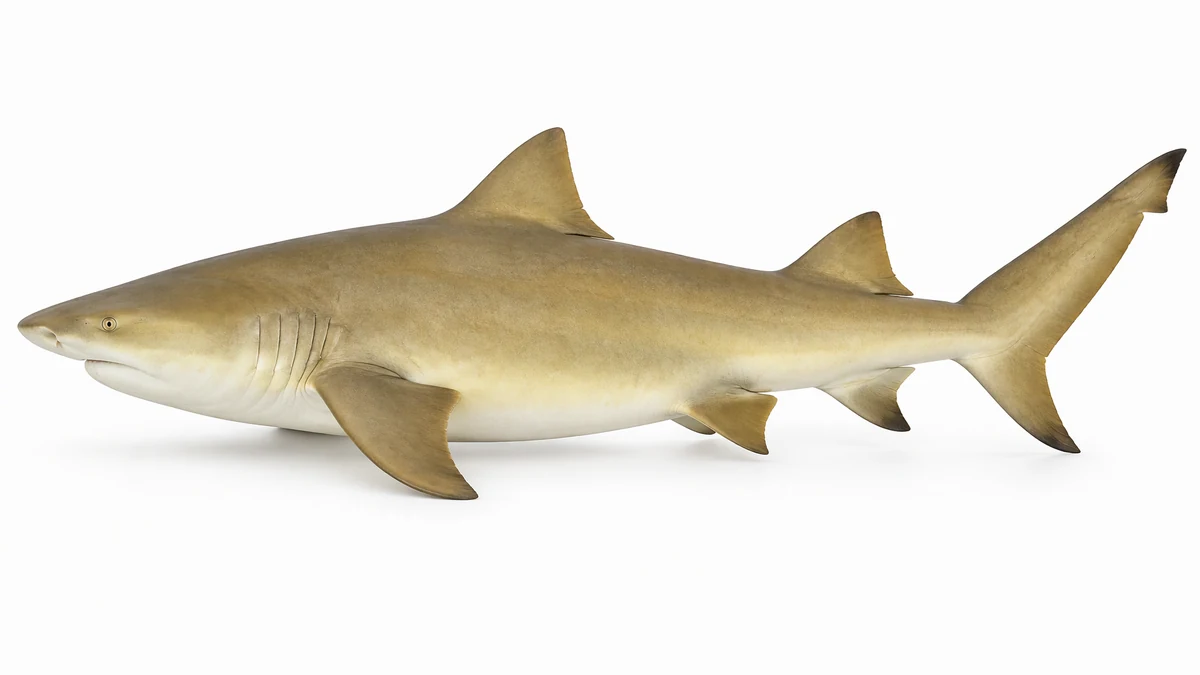
How to Catch Lemon Shark
Lemon sharks are the most approachable big sharks in the western Atlantic. They cruise mangrove edges and shallow flats, they are not shy, and they take a bait with slow, heavy confidence. But approachable is not the same as easy. A lemon shark can run 8 feet and 250 pounds, it fights with steady power instead of theatrics, and it must go back into the water unharmed in most of its range. This guide explains how to catch lemon shark, from the right tide and rig to the release. Read the full Lemon Shark species profile for identification, biology and range.
Best Time to Catch Lemon Shark
Lemon sharks are warm-water fish. They are most active when the sea is in the low 70s to low 80s Fahrenheit, roughly 21–28°C, which in Florida, the Gulf and the Bahamas means late spring through fall. In the northern edge of the range, summer is the season; in the tropics, they are catchable all year.
The best time to catch lemon shark is the last two hours of daylight and the first few hours of dark. Lemon sharks feed most heavily at dusk and through the night, when mullet and other small fish move across the flats and along mangrove edges. A falling tide that drains a flat or funnels bait through a pass concentrates fish, and an overcast evening extends the low-light window.
Weather matters less than water movement. A steady tide with some colour beats a flat, clear night. Storms that muddy the shallows can shut the bite down, then turn it on as the water clears. In winter, fish deeper channels and bay edges; the fish do not disappear, they just move.
Best Gear for Lemon Shark
Lemon shark gear has one job: land a strong fish quickly so it can be released in good condition. That means 20- to 50-pound class tackle, not a light inshore rod. A long fight on thin line exhausts a shark and raises its chance of dying after release.
| Component | Lemon shark-ready choice |
|---|---|
| Rod | 6.5–7.5 ft conventional or heavy spinning, 20–50 lb class |
| Reel | 4/0 to 6/0 conventional with a reliable star or lever drag |
| Main line | 300+ yards of 40–65 lb braid |
| Leader | 6–10 ft of 80–150 lb mono, or 49-strand wire for toothy neighbours |
| Hook | 8/0 to 10/0 non-offset circle hook |
| Sinker | 3–8 oz depending on current and surf |
| Extras | Long dehooker, bolt cutters, wet towel, gloves, headlamp |
A conventional reel with a smooth drag is easier to control than a spinning reel when a big shark loads the rod. Fill it with braid, then add a long, abrasion-resistant leader that survives a shark's sandpaper hide. Circle hooks are the right choice anyway. A non-offset circle hook usually pins the shark in the corner of the mouth, which makes release fast and reduces gut hooking. Carry bolt cutters. If the hook is deep, cutting the leader close to the hook is safer than a heroic attempt with pliers.
Best Bait for Lemon Shark
The best bait for lemon shark is fresh cut fish, and plenty of it. Mullet, ladyfish, jack, bonito and bluefish all work. Cut a chunk roughly the size of your palm, or use a whole smaller fish, and hook it once through the upper jaw so it sits naturally in the current. Fresh bait bleeds scent and oil; frozen bait is a distant second.
Crab and lobster are excellent alternatives, especially around structure. A whole blue crab with the legs and claws cracked, or a lobster tail, stays on the hook through a long soak, and lemon sharks eat both in the wild. Squid is softer and less durable.
Lures are not a serious option for lemon sharks. They are scent-driven bottom and mid-water feeders, not sight hunters that chase metal through clear water. If you want to catch one on artificials, a large soft plastic or a big bucktail might draw a reaction, but cut bait will outfish it every night of the week.
The practical answer to what bait for lemon shark is best: whatever is freshest and locally natural. Bring more than you think you need, because small sharks and rays strip soft baits quickly.
Lemon Shark Rigs
A lemon shark rig is simple by design. The fewer knots and hardware between you and the fish, the better. This is the standard fish-finder shark rig for shore and boat.
- Main line to leader. Tie 6 to 10 feet of 80–150 lb mono to your braid with a slim beauty or FG knot. If toothy sharks share the water, use a wire bite trace of 12 to 18 inches at the hook end.
- Slide on the sinker. Thread a 3–8 oz egg or bank sinker onto the main line above the leader, then add a plastic bead and a heavy swivel. The sinker slides, so a shark can take line without feeling the weight.
- Add the hooklength. Tie 18 to 24 inches of heavy mono to the swivel and finish with an 8/0 to 10/0 non-offset circle hook.
- Hook the bait. Pass the hook once through the jaw of a cut bait or whole fish, leaving the point and bend clear.
- Set the rod. From the beach, use a sand spike and set the drag light. From a boat, fish the rod in a holder with the clicker on.
For surf, swap the egg for a pyramid sinker so the bait stays put. For boat fishing, a running ledger with just enough lead is all you need. Avoid multi-hook rigs; they tangle and slow the release.
How to Catch Lemon Shark, Step by Step
- Pick the window. Fish the last of the daylight into the first hours of dark, on a moving tide, in water above about 21°C.
- Read the edge. Look for a mangrove shoreline, a channel mouth, a sea grass flat or the drop-off beside a shallow bay. Bait and sharks use edges.
- Position the bait. From shore, cast beyond the first bar and let the current work the bait along the drop. From a boat, anchor uptide of the edge and set the bait just off the structure.
- Chum lightly, if legal. A handful of small fish pieces every few minutes creates a scent trail. Check local rules first; Florida restricts chumming and gear from beaches.
- Wait with the drag set. Put the rod down. A lemon shark's take is usually a slow, heavy load followed by a steady run, not a violent strike.
- Let the circle hook work. Do not strike when the rod first bends. Wait until the fish is moving away under tension, then reel steadily until the line comes tight.
- Fight it hard but fair. Keep the rod low, use the reel's drag, and turn the shark away from snags and shallow bars. Short fights mean healthier releases.
- Land it in the water. Walk the fish into knee-deep water or bring it alongside the boat. Never drag it onto dry sand.
- Release it. Hold the leader, keep the shark's head in the water, and use a long dehooker or cut the leader. Support the body if you need to measure it, then hold it upright until it kicks away.
The strike is the part most beginners get wrong. A lemon shark that feels resistance will drop a bait, and a hard hookset on a circle hook usually pulls it out of the mouth. Patience and steady pressure catch more sharks than a dramatic swing.
Where to Catch Lemon Shark
Where to catch lemon shark is mostly a question of finding shallow water with food and cover. The species favours bays, lagoons, estuaries, mangrove fringes, sea grass beds and shallow reefs, usually in less than 100 feet of water.
- Mangrove shorelines. Roots hold baitfish and give young sharks cover. Fish the outside edge, not the middle of the swamp.
- Channel mouths and passes. Tidal flow funnels bait, and sharks wait on the down-current side.
- Sea grass flats. Mullet and mojarra graze here, and lemon sharks patrol the edges at dusk.
- Drop-offs beside shallow bays. Fish sit on the deep side and move up onto the flat at night.
- Beach bars. From shore, the trough behind the first bar is a natural highway.
Juveniles use very shallow mangrove nurseries, sometimes with their dorsal fins breaking the surface. Those are not the fish to target. Focus on the edges where adults feed, and give pupping areas a wide berth.
From a boat, a slow drift along a flat edge covers water and keeps the bait moving. From shore, find a pass or a beach with a clear bar and fish the last of the ebb. Lemon sharks use the same shallow water as swimmers and waders, so keep an eye on your surroundings and never fish a crowded beach.
Lemon Shark Regulations and Safety
Lemon sharks are assessed as Vulnerable on the IUCN Red List. They grow slowly, mature late and produce small litters, which makes them far less resilient than their local abundance suggests. Regulations reflect that.
In the Bahamas, all sharks have been protected since 2011. In U.S. waters, lemon sharks fall under federal Highly Migratory Species rules and state shark regulations, with size and bag limits only where retention is allowed. Finning is prohibited, and release is encouraged. Florida requires a free shore-based shark fishing permit after an online course and restricts chumming and certain gear from beaches. Rules are tightening in several jurisdictions, so check current NOAA, state and local regulations before you fish. Last verified: November 2025.
On safety, treat every lemon shark as a large wild animal. They are calm, but they have a heavy jaw and will defend themselves if grabbed, cornered or deprived of a speared fish. Keep your hands away from the mouth, never pull a shark by the tail or gills, and never beach a big one. Use a long dehooker, wear gloves, and keep a headlamp on at night. If a shark is too big or too badly hooked to release quickly, cut the leader as close as you safely can. A hook left in the jaw is survivable; a prolonged fight on the sand is not.
Common Mistakes and Lemon Shark Tips
- Using inshore tackle. A 10-pound test rod turns a five-minute release into an hour-long exhaustion. Size up.
- Striking the first tap. Let the circle hook do its job. A hard swing misses more fish than it hooks.
- Holding the rod. A running shark against a locked drag can break line or pull you off balance. Use a holder and a light drag.
- Beaching the fish. Dry sand and air damage a shark quickly. Keep it in the water at all times.
- Fishing midday. Bright, hot, still afternoons are the worst window. Fish dusk and dark.
- Ignoring the tide. A dead tide on a flat is a waste of bait. Move water, moving fish.
- Chumming where it is banned. It is illegal in some areas and irresponsible near swimmers.
- Lifting by the tail or gills. Support the body or leave the fish in the water.
A few lemon shark fishing tips: fish the down-current edge of any structure, keep baits fresh and bloody, and do not be afraid to move. If a spot is quiet for an hour on a good tide, move. Also watch the water. A lemon shark often shows a wake or a dorsal fin before it finds the bait, and that is your cue to get ready.
FAQ
What is the best time to catch lemon shark? Dusk into dark, on a moving tide, in warm water roughly 21–28°C. Late spring through fall is prime in Florida and the Bahamas; summer is best at the northern edge.
What bait for lemon shark works best? Fresh cut mullet, ladyfish, jack or bonito, with crab and lobster as alternatives. Fresh local bait beats frozen, and lures are a distant second.
What are the best lemon shark fishing techniques? Fish a fresh cut bait on the bottom or just off it, at the edge of a flat or channel, and wait for the fish to load the rod. Let a circle hook set itself, then apply steady pressure and release the shark in the water.
What is the best lemon shark rig? A fish-finder rig with 6–10 feet of 80–150 lb leader, an 8/0–10/0 non-offset circle hook and a sliding 3–8 oz sinker. Simple beats complicated.
Where can you catch lemon sharks? Mangrove edges, sea grass flats, channel mouths, passes and the drop-offs beside shallow bays, usually in less than 100 feet of water. Juveniles use very shallow nurseries that should be left alone.
How do you release a lemon shark safely? Keep it in the water, hold the leader rather than the fish, and use a long dehooker or cut the leader. Support the body if you must measure it, then hold it upright until it swims off. Never beach it or lift it by the tail or gills.
Related Articles
- How to Catch Nurse Shark — the other shallow-water shark of the same Atlantic flats.
- How to Catch Atlantic Cod — a cold-water bottom target for anglers who fish both sides of the Atlantic.
- Lemon Shark species profile — identification, habitat, diet and biology.
- All species profiles
The lemon shark is a gift to shore anglers: a big, accessible, hard-fighting fish that lives within casting range of some of the most popular beaches in the Atlantic. Fish it at night, use fresh bait and heavy enough tackle, and put it back properly. That is how to catch lemon shark without costing the fishery the next generation of breeders.
About the author and how this was tested
About the author
FishermanGuy
Bank, boat and kayak angler · fishing, crabbing and shrimping since 2021
I buy the gear, fish it for a season and write down what failed. No sponsored verdicts, no free-sample flattery. Every rig on this page has landed fish in water I can point at on a map.
How this was tested
- Every rig gets at least six trips on the same water before it is published.
- Gear is bought at retail. Free samples are labelled in the first paragraph.
- Dates show first publication and the last time the page was updated.