Field notes
How to Catch Cobia: Sight Fishing Tips & Rigs
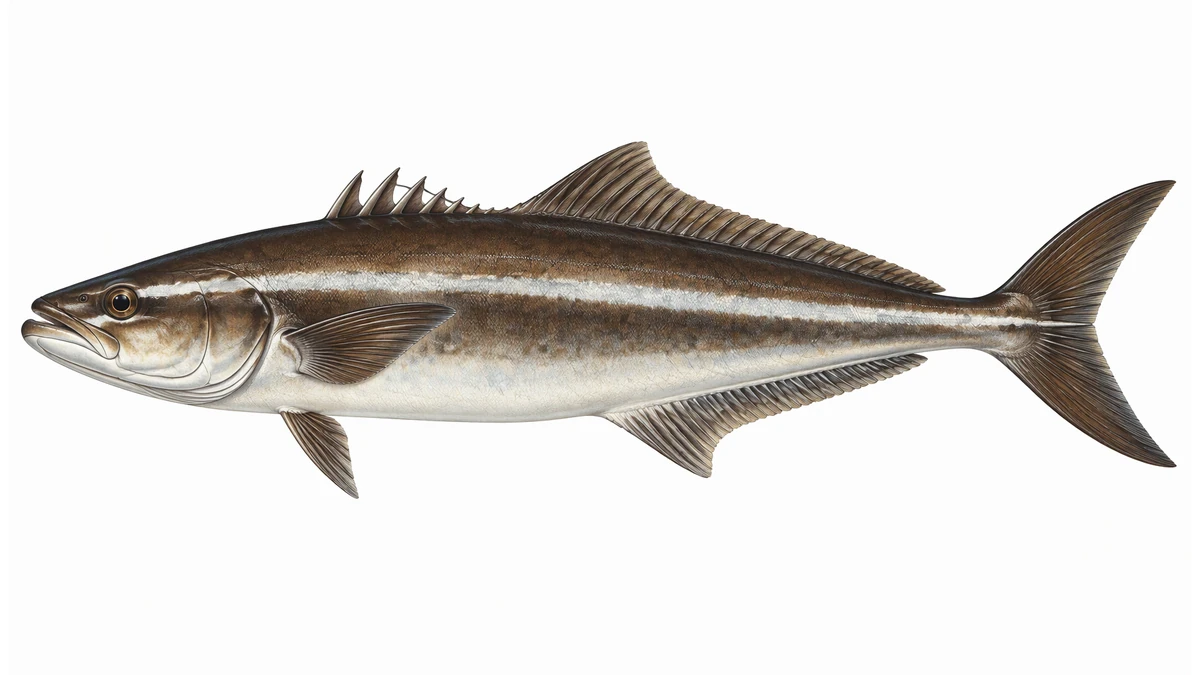
How to Catch Cobia
Cobia are the fish that make sight fishing feel like hunting. A dark torpedo shape slides along the surface next to a buoy, you make one cast, and a 40-pound fish turns a lazy cruise into a bulldozing run toward the bottom. Learning how to catch cobia means three things: knowing when the fish arrive, spotting them before they spot you, and having gear that survives the first minute after the hookset. For identification, range, and biology, read the full Cobia species profile; this guide is about catching them.
Best Time to Catch Cobia
The best time to catch cobia is the spring and early summer migration, when warm water pushes fish north along the Gulf and Atlantic coasts. In the Gulf of Mexico, cobia show up off the Florida Panhandle, Alabama, Mississippi, and Louisiana in April and May. On the Atlantic side, the run reaches Cape Hatteras, North Carolina, in late spring and Chesapeake Bay in May and June. A few fish summer in the Mid-Atlantic, and warm years push stragglers into New England.
Water temperature is the real calendar. Cobia are active from roughly 68 to 86°F (20 to 30°C), so the fish appear when the water crosses into that band and leave when it tops out. Watch sea surface temperature maps the way offshore anglers watch them for tuna.
Within a given day, morning and calm afternoons are best for sight fishing, because cobia cruise near the surface and are easier to spot in flat light. A moving tide that stacks bait against structure concentrates fish, and cobia will often sit on the down-current side of a buoy or channel marker picking off crabs and baitfish. Spawning happens offshore in spring and summer, which is one more reason the warm months are the season.
Best Gear for Cobia
Cobia are not a finesse fish. They have sharp eyesight, a hard mouth, and the power to straighten a hook or empty a spool, so the gear has to be heavy enough to turn a big fish away from structure on the first run.
| Component | Cobia-ready choice |
|---|---|
| Rod | 7 ft medium-heavy to heavy spinning or conventional |
| Reel | 5000–8000 size spinning reel or a 20–30 size conventional, with a smooth drag |
| Main line | 30–50 lb braid |
| Leader | 50–80 lb fluorocarbon or mono |
| Hooks | 5/0–8/0 circle hooks for live and cut bait; heavy jig hooks for bucktails |
| Extras | Landing net or gaff, lip grip, gloves, polarized sunglasses, a measuring stick |
That is inshore gear with an offshore attitude. Twenty- to thirty-pound class tackle is the standard for cobia, paired with a 50- to 80-pound leader because cobia have small but raspy teeth and they rub structure. Circle hooks are required or strongly recommended for natural bait in many cobia fisheries, and they also improve hook placement on a fish you may release.
Polarized sunglasses are not optional. Sight fishing is the core cobia technique, and you cannot cast to a fish you cannot see. Good glasses, a calm morning, and a clean pair of eyes on the bow catch more cobia than any lure.
Best Bait for Cobia
The best bait for cobia is a live blue crab, and that is not a close call. Cobia are nicknamed crabeaters for a reason: crabs come first, then shrimp, squid, and fish. A live blue crab, stone crab, or swimming crab fished near the bottom around structure is the classic big-fish bait.
Natural baits cover most situations:
- Live blue crab. The number-one cobia bait. Hook it lightly so it stays alive and struggles, which is what draws the strike.
- Live eel. Tough, lively, and excellent around pilings and bridge fenders.
- Live menhaden or mullet. A big lively baitfish is deadly when cobia are keyed on schools.
- Fresh cut bait. A fresh chunk of menhaden, mullet, or bluefish works when live bait is scarce. Fresh matters; cobia ignore bait that has gone soft.
Artificial lures shine when you are sight fishing and need to cast fast and accurately:
- Bucktail jigs. A big white or chartreuse bucktail is the standard cobia casting lure.
- Swimbaits and big soft plastics. A large paddletail on a heavy jighead covers water and triggers reaction strikes.
- Spoons and swimming plugs. These work around passes and structure where fish are actively feeding.
Chumming with cut bait and sardines can pull cobia to the boat and hold them there, but check whether chumming is legal where you fish before you start. Some states restrict it, and the rules are not uniform.
Cobia Rigs
A cobia rig has one job: put a natural bait in front of a fish that is often moving, often near structure, and often big enough to wreck light tackle. These setups cover the main situations.
Live-crab fish-finder rig. Slide an egg sinker onto your braid, add a bead and a swivel, then tie a 50- to 80-pound leader to a 6/0–8/0 circle hook. Hook the crab through a leg joint so it stays alive. The sliding weight keeps the crab near the bottom around structure, and a cobia can pick it up without feeling the sinker. This is the standard bait rig for buoys, wrecks, and passes.
Free-lined live bait. For fish cruising on the surface, skip the weight entirely. Tie a circle hook to a long leader, hook a live eel or menhaden through the back, and let it swim. A balloon or a float can keep the bait up in the strike zone when cobia are working the top of the water column.
Bucktail jig for sight fishing. A 1- to 2-ounce bucktail with a soft trailer is the rig for casting to a spotted fish. Cast well ahead of the cruiser, let the jig sink into its path, and retrieve in short hops. This is the most fun way to catch cobia and often the most effective when fish are shallow and visible.
Chum-and-cut rig. When you are anchored and chumming, a simple knocker rig with a fresh cut bait on a circle hook keeps a bait in the slick. Fish the edges of the chum line, not the middle.
How to Catch Cobia, Step by Step
- Find the fish. Work buoys, channel markers, wrecks, pilings, and bridge fenders. Also watch for cobia following rays, turtles, sharks, and manatees, using the bigger animal as moving cover. Scan the surface; a cobia's short spiny dorsal breaks the water like a small shark fin.
- Approach quietly. Cobia have sharp eyesight and will spook from a sloppy approach. Kill the engine early, drift or use a trolling motor, and keep the sun at your back when you can.
- Cast ahead, not at. Lead the fish by several feet and let the bait sink into its path. A cast that lands on top of a cobia usually ends the encounter.
- Let it eat. Cobia often inspect a bait before committing. Give the fish a moment to take it properly.
- Come tight and set. With a circle hook, let the fish load the rod and reel down until the line comes tight. With a J hook, set hard and clear the line from the rail.
- Survive the first run. A big cobia runs straight down and then bulldozes along the bottom. Keep your feet planted, keep the rod tip up, and never put your hand on the spool.
- Land it carefully. A cobia often comes to the boat green and explodes when it sees the net. Keep your head down, let the net man work, and be ready for one last run.
Sight fishing is the heart of cobia fishing techniques. The fish gives you a target, and the whole game becomes presentation: a quiet approach, an accurate lead cast, and a natural sink. When it works, you see the eat, which is the part that keeps anglers coming back.
Where to Catch Cobia
Where to catch cobia comes down to structure and warmth. Cobia live in tropical and subtropical coastal water almost worldwide, with one big exception: they are absent from the eastern Pacific. In the western Atlantic they range from Massachusetts south through the Gulf of Mexico and the Caribbean to Argentina.
In U.S. waters, look for anything that breaks the current or gives a fish something to follow. Buoys, channel markers, wrecks, pilings, bridge fenders, and passes all hold cobia. Beaches and inlets hold fish during the migration. Offshore structure and artificial reefs hold fish in summer.
Cobia also shadow big animals. A cobia following a ray, a turtle, or a manatee is a common sight, and that behavior gives sight fishermen a moving target to cast to. When a cobia finds a crab flat or a bait school, it may stay for days, which is why marking a productive spot pays off across a season.
Depth is flexible. Cobia are often right at the surface in the morning and on calm days, which is what makes them such a good sight-fishing target. At other times they sit mid-column or on the bottom around structure. Fish the whole water column around a buoy before you move on.
Cobia Regulations and Safety
Cobia rules vary a lot by state and have changed repeatedly in recent years as stock assessments come in, so treat any number here as a snapshot to confirm before you keep a fish.
- Florida is a useful example: the state sets a 33-inch fork-length minimum and a bag limit of one cobia per person, with different rules on the Gulf and Atlantic coasts and additional rules in federal waters.
- Virginia, North Carolina, South Carolina, Georgia, Alabama, Mississippi, Louisiana, and Texas each set their own size limits, bag limits, and seasons.
- Federal waters manage cobia through the South Atlantic Fishery Management Council in the Atlantic and the Gulf of Mexico Fishery Management Council in the Gulf.
Check whether a cobia permit or reporting requirement applies where you fish. As of 2025, several states had recently revised their rules, so confirm the current size and bag limits with your state agency — the Florida Fish and Wildlife Conservation Commission (FWC), the Virginia Marine Resources Commission (VMRC), the North Carolina Division of Marine Fisheries, or their counterparts — before you launch.
On safety: cobia are not venomous, but they are not harmless either. The short dorsal spines are stiff and can poke, and the real risk is the fight. A 60-pound cobia on inshore gear can bend a hook, break a leader, or pull an angler into the rail. Keep the drag set, keep your feet planted, and do not try to stop the first run with your hand on the spool. At the boat, support the body, avoid the dorsal spines, and use a lip grip or a hand under the belly. If you release the fish, keep it in the water and revive it before letting go.
Common Mistakes and Cobia Tips
- Casting at the fish instead of ahead of it. Cobia spook from a bait that lands on their nose. Lead the fish and let the bait sink into its path.
- Fishing too light. Cobia are inshore fish with offshore power. Use 50- to 80-pound leader and a reel that can hold a long run.
- Hand on the spool. The first run is where fingers and knuckles get hurt. Let the drag do the work.
- Sloppy approaches. A noisy boat or a shadow across the water ends the game before it starts.
- Ignoring the rules. Cobia regulations have changed often. Check the current state and federal limits before every trip.
- Keeping the big breeders. Big cobia are the spawning stock. Releasing them keeps the migration strong.
- Forgetting to look up. Many cobia are caught by anglers who were watching birds, bait, and floating structure instead of the depth finder.
FAQ
What is the best time to catch cobia? Spring and early summer, when water warms into the 68–86°F range. In the Gulf that means April and May; on the Atlantic coast, late spring through June. Mornings are best for sight fishing.
What bait for cobia works best? A live blue crab is the top bait, followed by live eels, live menhaden, and fresh cut bait. Big bucktail jigs and swimbaits are the best artificials, especially for sight fishing.
What is the best cobia rig? For bait, a fish-finder rig with an egg sinker, a swivel, a 50- to 80-pound leader, and a 6/0–8/0 circle hook. For casting to visible fish, a 1- to 2-ounce bucktail jig.
Can you catch cobia from shore? Yes, during the migration. Pier and beach anglers catch cobia with live bait and big casting lures as fish move along the coast, though boat-based sight fishing is more productive.
How big do cobia get? Most caught fish run 10 to 40 pounds and 20 to 40 inches. A 50-pound fish is a good one, 80 pounds is a trophy, and the species can exceed 100 pounds.
Do you need a special permit for cobia? It depends on the state and whether you fish federal waters. Some states require a cobia permit or reporting. Check your state agency and the relevant fishery management council before you fish.
Learning how to catch cobia is mostly about eyes, patience, and heavy leader. Find the structure or the cruising fish, make one quiet cast, and hold on — the cobia will do the rest.
Related Articles
- How to Catch Mahi-Mahi — another curious, structure-loving fish that rewards a good cast.
- How to Catch Striped Bass — the Mid-Atlantic's other big spring migrant.
- How to Catch Yellowfin Tuna — offshore power for anglers who like a long first run.
- Tarpon — a Gulf and Atlantic inshore giant with a very different fight.
- Redfish — the inshore alternative when the cobia run winds down.
About the author and how this was tested
About the author
FishermanGuy
Bank, boat and kayak angler · fishing, crabbing and shrimping since 2021
I buy the gear, fish it for a season and write down what failed. No sponsored verdicts, no free-sample flattery. Every rig on this page has landed fish in water I can point at on a map.
How this was tested
- Every rig gets at least six trips on the same water before it is published.
- Gear is bought at retail. Free samples are labelled in the first paragraph.
- Dates show first publication and the last time the page was updated.