Field notes
How to Catch Chum Salmon: Late-Season Baits & Rigs
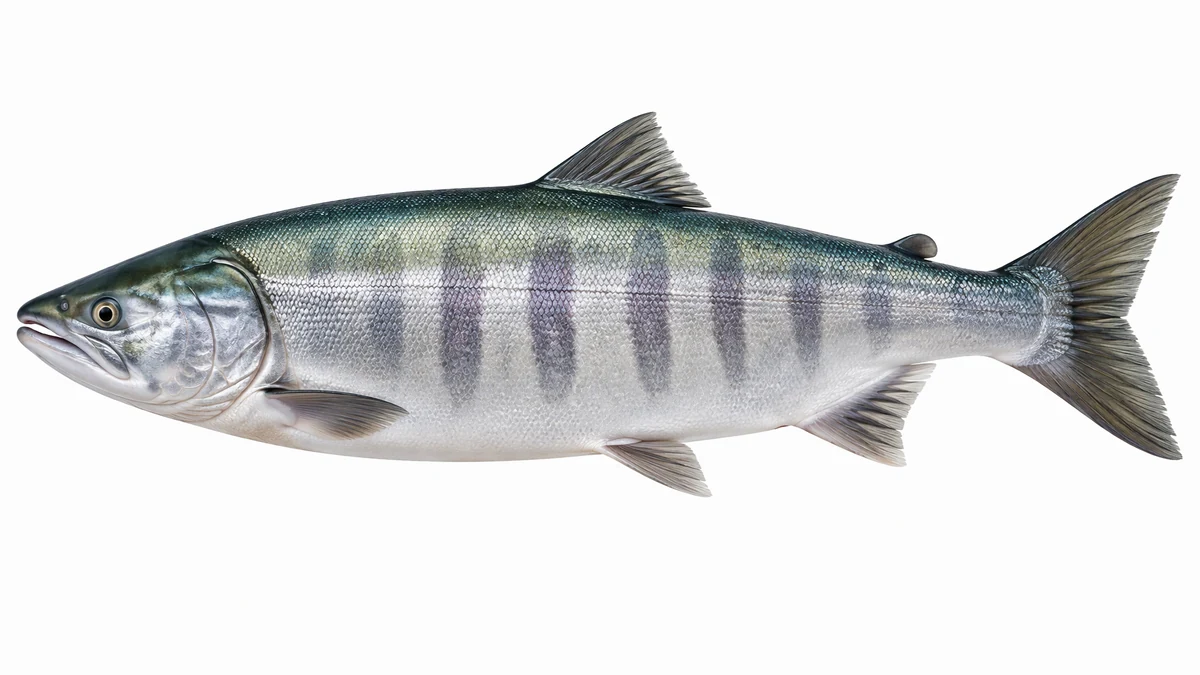
How to Catch Chum Salmon
Chum salmon get ignored, and that is a mistake worth correcting. They are the widest-ranging Pacific salmon, they hit lures and flies with real aggression, and they fight harder than their size suggests. Learning how to catch chum salmon also means learning to fish the late season, when the river is cold, the crowds are gone and the fish are still fresh enough to fight. This guide covers the best time to catch chum salmon, the tackle and bait that work, the rigs for rivers and tidewater, and the rules that protect weak runs. Read the full Chum Salmon species profile for identification, range and the "dog salmon" story.
Best Time to Catch Chum Salmon
Chum are cold-water fish, comfortable from roughly 46°F to 61°F (8–16°C). They tolerate a wider range of conditions than kings, but they still do best in clean, cool water, and they turn off when a river gets low and warm.
The calendar is simple: most chum runs peak from October into December, later than other salmon. That late timing is the whole appeal. While other anglers have packed up, chum are still entering rivers, and fresh fish are bright, aggressive and willing to chase. Fish the leading edge of the run, not the tail. Once chum have been in the river for weeks, they darken into calico bars, grow fangs and lose interest in anything but spawning.
Tide matters in the lower river. Chum stage in tidewater and push upstream on moving water, especially with an incoming tide or after rain. Dawn and dusk are good, but chum are less light-sensitive than trout, and a gray, drizzly afternoon can fish as well as first light. In clear, low water, fish early and look for the deeper holding water; in colored, rising water, the fish spread out and move.
Best Gear for Chum Salmon
Chum are strong, steady fighters, and they have a habit of bulldogging in current instead of jumping. Gear that is too light leads to long fights and dead released fish, so use tackle with some reserve.
| Component | River choice | Tidewater / estuary choice |
|---|---|---|
| Rod | 8'6"–9'6" medium spinning or casting | 8'6"–9'6" medium-heavy spinning |
| Reel | 3000–4000 spinning with a smooth drag | 3000–4000 spinning |
| Main line | 15–20 lb braid | 20 lb braid |
| Leader | 12–15 lb fluorocarbon | 15 lb fluorocarbon |
| Lures | 1/3–3/4 oz spinners and spoons; 1/4–3/8 oz jigs | Same, plus larger spoons |
| Fly | 8- to 9-weight rod, sink-tip or sinking line | 9-weight with a fast sink tip |
| Extras | Rubber net, pliers, hook-out, cleats | Rubber net, pliers, tide chart |
A medium spinning rod with 15–20 lb braid handles most chum and still casts small spoons well. Fluorocarbon leaders in the 12–15 lb range are enough in most water, and lighter leaders get more strikes in clear conditions. Fly anglers should bring an 8- or 9-weight with a sink tip, because chum often hold deeper than they look and are not shy about a fly swung through their lie.
Carry a rubber net and a hook-out. Spawning male chum have large, canine-like teeth, and a hand in the mouth is a bad idea. Cleated boots matter too, because chum fishing often happens on slick lower-river banks and in tidewater.
Best Bait for Chum Salmon
The best bait for chum salmon is usually salmon roe, but chum are not fussy. They are aggressive, curious fish that will chase a bright lure, and that makes them one of the easier salmon to catch on artificials.
Salmon roe fished under a float or drifted along the bottom is the classic. A small cluster of cured eggs presents a scent trail in the current, and chum will take it confidently. Roe is especially effective in colored water and in deep, slow pools where fish are holding.
Spinners and spoons are the fun answer. Chum chase bright, flashy lures, and a 1/3–3/4 oz spinner or spoon cast across the current and swung through a lie draws violent strikes. Pink, chartreuse, silver and orange all work; the fish are not selective, so pick a lure you can cast accurately and retrieve slowly.
Jigs and twitching jigs have become a standard chum presentation in the Pacific Northwest. A 1/4–3/8 oz marabou jig fished under a float or cast and retrieved slowly through holding water is deadly on fresh fish.
Flies work very well. Chum will take weighted streamers, egg patterns and bright attractor flies swung on a sink tip. They are not leader-shy in most water, so a 12–15 lb tippet is fine.
Check the rules before you fish bait. Many chum rivers are artificial-lure only, and some require single barbless hooks. In those waters, carry spinners, spoons, jigs and flies and leave the roe at home.
Chum Salmon Rigs
Chum do not need complicated rigs. The fish are aggressive, and a simple presentation in the right water beats a fancy one.
Float-and-roe rig. Thread a slip float on the main line, add a bead and a swivel, then tie 24–30 inches of 12–15 lb fluorocarbon to a size 1–2 hook. Pin a small cluster of roe on the hook and set the float stop so the bait drifts just above the bottom. Watch the float for a stop or a dunk.
Bottom drift rig. Use a 1–3 oz slinky weight on a sliding swivel, a bead, and a 24-inch leader to the hook and roe. Cast upstream and let the rig bounce down through a deep pool or seam, keeping a slight bow in the line.
Spinner swing. Tie a 1/3–3/4 oz spinner or spoon to 15 lb braid with a 12 lb fluorocarbon leader and a snap swivel. Cast across and slightly upstream, let the lure sink, then swing it through the lie at a steady, slow pace. Chum often hit at the end of the swing as the lure rises.
Jig under a float. Suspend a 1/4–3/8 oz marabou jig below a float and drift it through holding water, twitching the rod tip occasionally. This is a clean, snag-resistant presentation for deep pools and tidewater edges.
Fly rig. Use a sink-tip or full sinking line, a short 12–15 lb leader and a weighted streamer or egg pattern. Cast across and mend, then swing the fly through the lie and strip slowly at the end.
How to Catch Chum Salmon, Step by Step
- Fish late, and fish low. Chum enter rivers later than other salmon and often hold in the lower river and tidewater. Start low and work upstream as the run progresses.
- Cover water. Chum travel in schools and are not evenly spread. Fish a run thoroughly, then move. If you find one, slow down and fish the same water again, because more are usually nearby.
- Target deep, slow holding water. Look for pools below riffles, the soft edge of a current seam and the deeper water in tidewater. Chum are strong swimmers but they conserve energy in slow water.
- Present the lure across the current. A spinner, spoon or fly swung through the lie looks like a wounded baitfish and triggers a reaction. Cast across and upstream, then let the current do the work.
- Slow down in cold water. Chum will chase, but they will not chase far in 45°F water. Slow the retrieve and let the lure hang in the strike zone a little longer.
- Set the hook firmly. Chum have hard mouths and strong jaws. Sweep the rod and keep reeling to come tight.
- Fight with pressure, not panic. Chum bulldog and refuse to jump. Keep the rod bent, use side pressure to turn the fish, and do not let it get into fast current or structure.
- Land and release wet. Net the fish, unhook it with pliers or a hook-out, and keep it in the water. If you are releasing, support the belly and revive it head-first into the current.
Where to Catch Chum Salmon
Chum have the widest range of any Pacific salmon: from Japan and Korea through Russia, across the Bering Sea to Alaska, and south through British Columbia, Washington and Oregon, with a few runs reaching California. They also enter rivers in China's Heilongjiang and Tumen systems, though those runs are limited.
- Lower rivers and tidewater. The first and best place to intercept fresh chum. Fish the edges of the channel and the color change where fresh and salt water mix.
- Deep pools below riffles. Chum hold in slow, deep water and rest between pushes upstream.
- Side channels and sloughs. These quieter pieces of water often hold fish that have moved off the main flow.
- Gravel runs and spawning areas. Fish are visible, but spawning fish should be left alone where runs are small.
- Estuaries and beaches. In some systems, chum can be caught from shore as they stage before entering the river.
Alaska and much of British Columbia have abundant chum and liberal sport seasons. In the southern part of the range, the picture is patchier. Hood Canal summer chum in Washington and Columbia River chum are listed as threatened under the Endangered Species Act, and those fisheries are managed carefully or closed.
Chum Salmon Regulations and Safety
A fishing license is required, and some jurisdictions add a salmon tag or record card. Seasons, size limits, bag limits and gear rules vary by state and province, and some rivers require release of wild fish while allowing hatchery fish to be kept. Read the current rules, including emergency closures, before you go. As of 2025, assume nothing carries over from last season.
The managing agency is the authority: the Alaska Department of Fish and Game, Fisheries and Oceans Canada, the Washington Department of Fish and Wildlife, the Oregon Department of Fish and Wildlife, or the California Department of Fish and Wildlife. Check their websites or call a local tackle shop before you plan a trip.
Safety comes in three parts. First, teeth. A spawning male chum has large canine-like teeth and will bite; use pliers or a hook-out and keep fingers clear. Second, cold water. Chum fishing happens in November and December, on slick banks and in deep, fast water. Wear cleats, watch the tide and do not wade beyond your comfort level. Third, bears. In Alaska and northern British Columbia, keep fish and food secured and follow local wildlife advice. Because chum are often released, handle them wet and quickly, and keep the fish in the water whenever possible.
Common Mistakes and Chum Salmon Fishing Tips
- Treating chum as a nuisance. A fresh chum is a hard-fighting, willing fish. Fish for them on purpose and the late season gets a lot better.
- Fishing only the obvious pool. Chum move in schools. Cover water until you find fish, then work that water carefully.
- Retrieving too fast in cold water. Slow the lure down and let it swing. Cold chum will not chase a speeding spinner.
- Using too light a leader in heavy current. 10 lb line in fast water leads to long fights and lost fish. Use 12–15 lb.
- Grabbing the jaw. Spawning males have teeth. Use a net and a hook-out.
- Ignoring bait bans. Many chum rivers are artificial-only. Carry spinners, spoons, jigs and flies.
- Dragging fish onto dry gravel. It strips the slime coat. Keep released fish in the water.
- Skipping the tide chart. In tidewater, the difference between a hot bite and nothing is often moving water.
Chum salmon are the reason the season does not end when the kings leave. Fish late, fish low, swing something bright through deep holding water and handle the fish with care. That is how to catch chum salmon. If you want the full salmon picture, read how to catch chinook salmon for the big early fish and how to catch arctic grayling for a very different cold-water target.
FAQ
What is the best time to catch chum salmon? October through December for most runs, at the leading edge of the run. Fish moving tides in tidewater and rising water after rain. Fresh fish are brighter and more aggressive than fish that have been in the river for weeks.
What bait for chum salmon works best? Salmon roe under a float or drifted on the bottom. Spinners, spoons, jigs and flies also work, and chum strike them aggressively. Many rivers ban bait, so check before you rig up.
What is a good chum salmon rig? A float-and-roe rig for deep pools, a bottom drift rig for current seams, and a spinner or spoon swung across the flow. All are simple and effective on aggressive fish.
How do you catch chum salmon in a river? Fish the lower river and tidewater, cover water until you find a school, and swing spinners, spoons, jigs or flies through deep holding water. Slow down in cold water and set the hook hard.
How do you tell a chum from a pink salmon? A chum has no black spots, runs 8–15 pounds and develops bold calico vertical bars. A pink has large oval spots on the back and tail, weighs 3–8 pounds and lives only two years.
How big do chum salmon get? Most adults are 8–15 pounds and 24–30 inches. A 20-pound chum is large, and fish over 30 pounds are rare. The biggest come from Alaska and British Columbia.
Related Articles
- How to Catch Chinook Salmon — the big early-run salmon with black gums and a spotted tail.
- How to Catch Arctic Grayling — a delicate cold-water fish for the fly rod.
- How to Catch Northern Shrimp — the small forage that feeds the northern food web.
- How to Catch Tarpon — a warm-water jumper at the other end of the map.
- How to Catch Brown Trout — cold-river reading skills you can use on any salmon run.
- Chum Salmon species profile — identification, habitat and the dog salmon name.
- All species profiles
About the author and how this was tested
About the author
FishermanGuy
Bank, boat and kayak angler · fishing, crabbing and shrimping since 2021
I buy the gear, fish it for a season and write down what failed. No sponsored verdicts, no free-sample flattery. Every rig on this page has landed fish in water I can point at on a map.
How this was tested
- Every rig gets at least six trips on the same water before it is published.
- Gear is bought at retail. Free samples are labelled in the first paragraph.
- Dates show first publication and the last time the page was updated.