Field notes
How to Catch Chinook Salmon: Baits, Rigs & Timing
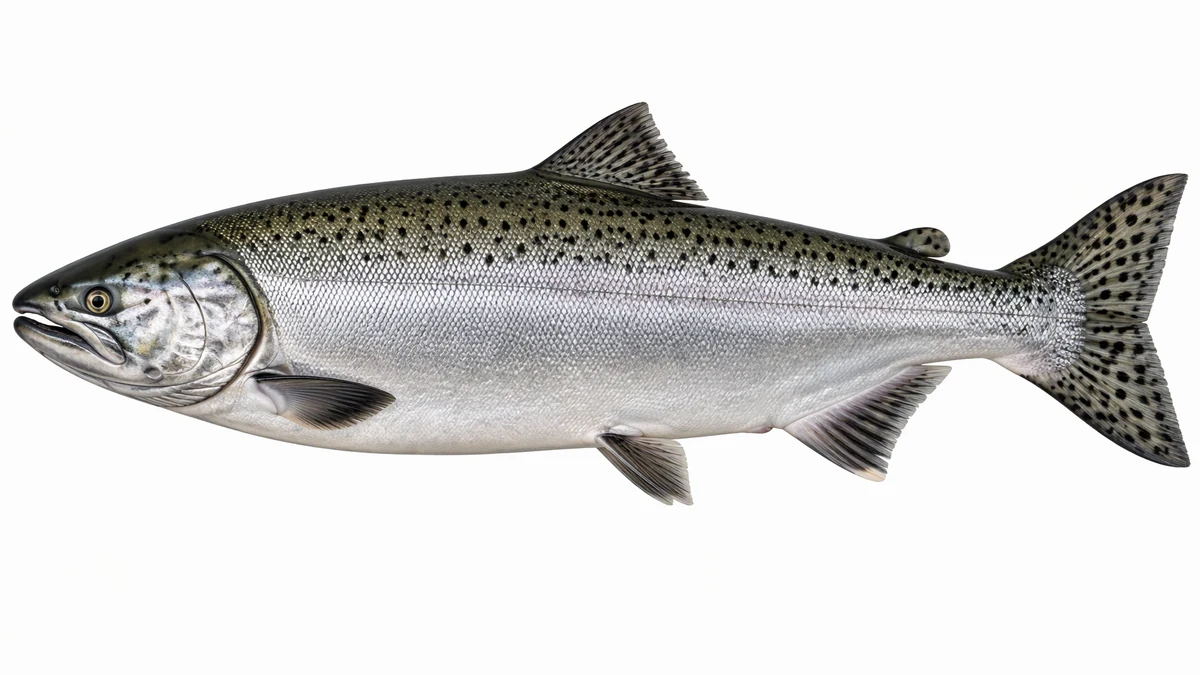
How to Catch Chinook Salmon
Learning how to catch chinook salmon starts with one fact: this is the biggest Pacific salmon, and it behaves like it. A fresh king in cold, moving water is strong, stubborn and capable of straightening a hook or emptying a reel. Anglers who treat it like a large trout lose fish. Anglers who plan around the run, fish the right depth and use gear with some backbone land them. This guide covers the best time to catch chinook salmon, the tackle that holds up, the baits and rigs that work in rivers, tidewater and big lakes, and the regulations that decide whether you can keep a fish at all. Read the full Chinook Salmon species profile for identification, range and record history.
Best Time to Catch Chinook Salmon
Chinook are cold-water fish. They stay active from roughly 41°F to 64°F (5–18°C), and they feed most willingly when the water sits in the high 40s to mid 50s. Once a river climbs past the mid-60s, fish crowd into cold pockets, go off the bite and stress badly.
The run defines the season. Spring Chinook enter coastal rivers in spring and spawn in late summer or early fall. Fall Chinook enter from late summer into fall and spawn from September into December, depending on the river. In both cases the best fishing comes at the leading edge of the run, when fresh, bright fish are still moving.
Tide and light matter in tidewater. Fish move with the tide, and an incoming tide that pushes cool ocean water into an estuary often turns on the bite. Dawn and dusk are prime, and an overcast day beats a bright one in clear water. After rain, when a river rises and colors up, fresh fish push upstream and the fishing can break open for a day or two.
Best Gear for Chinook Salmon
Chinook gear is heavier than trout gear for a reason: a 30-pound fish in current does not tire quickly. Match the tackle to the water, and do not go lighter than the situation allows.
| Component | River choice | Tidewater / lake choice |
|---|---|---|
| Rod | 8'6"–10'6" medium-heavy casting or spinning | 8'–9'6" trolling or medium-heavy casting |
| Reel | 3000–4000 spinning or levelwind with a strong drag | Levelwind with line counter |
| Main line | 20–30 lb braid | 30 lb braid |
| Leader | 15–20 lb fluorocarbon, 18–36 inches | 20–30 lb fluorocarbon, or heavier behind a flasher |
| Hook | Size 1/0–3/0 for roe; single hooks where required | Size 2–4 treble on plugs, or single hooks by rule |
| Extras | Slip bobber, slinky weights, large rubber net, pliers | Downrigger, flasher, dodger |
A smooth drag is the most important feature on the reel. Chinook make long runs, and a drag that sticks or surges breaks line. Fill the spool properly, set the drag by pulling line off by hand, and leave yourself room to palm the spool. A large rubber-mesh net protects fish you plan to release and saves fish you plan to keep. Carry pliers and a hook-out so your fingers never go near a spawning male's teeth. Fly anglers need an 8- to 10-weight rod with a sink-tip or full sinking line and a heavy leader.
Best Bait for Chinook Salmon
The best bait for chinook salmon depends on where you are fishing, and the law often decides for you.
Cured salmon roe is the river classic. A cluster of eggs fished under a bobber or back-bounced along the bottom presents a natural scent trail that moving fish respond to. Cure roe with borax or a sugar-based cure so it stays firm on the hook and bleeds color; soft, fresh roe milks off in current and survives only a cast or two.
Spoons, plugs and spinners cover water and trigger reaction strikes. In rivers, cast across the current and swing the lure through holding water. In tidewater and lakes, troll spoons, plugs or bait behind a flasher and downrigger. Bright finishes work in stained water; natural silver and baitfish patterns work in clear water.
Whole or cut bait such as herring, anchovy or sand lance matches what big ocean Chinook actually eat. Rigged whole herring behind a flasher is a standard troll, and a plug-cut herring rolls with a tight wiggle that kings find hard to ignore.
Flies work, especially for fresh fish in tidewater. Large streamers and baitfish patterns swung on a sink tip will draw strikes from aggressive fish.
Check the rules before you buy bait. Many wild-salmon fisheries are artificial-lure only, and some require single barbless hooks. A perfect roe rig is worthless in a fly-only section.
Chinook Salmon Rigs
A good Chinook rig does two things: it puts the bait at the fish's depth and it survives a big fish's first run. These five cover most situations.
Bobber-and-roe drift rig. Thread a slip bobber on the main line, add a bead and a swivel, then tie 18–24 inches of 15–20 lb fluorocarbon to a 1/0–2/0 hook. Pin a cluster of cured roe on the hook. Set the bobber stop so the bait drifts just above the bottom. This is the most readable rig in a river: when the bobber stops or dunks, a fish has the bait.
Back-bounce rig. Slide a 2–6 oz slinky or banana weight on the main line, add a bead and a swivel, then a 24–36 inch leader to the hook and roe. Cast upstream and let the weight tick along the bottom as the rig bounces downstream through a deep slot. Hold the rod high and keep a slight bow in the line so you feel the take instead of the bottom.
Spinner or spoon rig. Tie a 1/2–1 oz spinner or spoon to 20 lb braid with a 15 lb fluorocarbon leader and a snap swivel. Cast across and slightly upstream, count the lure down to the fish's level, then retrieve slowly enough that the blade turns. In cold water, slow is almost always better than fast.
Trolling rig. Run a flasher or dodger ahead of a spoon, plug or whole herring, behind a downrigger set near the depth where you mark fish. Troll 1.5–2.5 mph and make wide, slow turns. Chinook often follow a bait for a long distance before committing, so do not speed up when a rod loads.
Fly rig. Use a sink-tip line, a short heavy leader and a weighted streamer or egg pattern. Cast across and mend, then swing the fly through the lie. Strip slowly at the end of the swing, because fish often take as the fly rises.
How to Catch Chinook Salmon, Step by Step
- Read the water before you rig up. Chinook hold in deep pools, behind boulders, in current seams and in the soft water at the edge of fast runs. In tidewater, look for the color change where salt and fresh water mix.
- Approach quietly from below. Fish the tail of a pool before you walk through it. A shadow or a footstep on a gravel bar still shuts down a lie.
- Get the bait down. The most common failure is fishing too high. Use enough weight or enough bobber depth to put the offering within a foot of the bottom in deep slots, or at the depth where you mark fish in tidewater.
- Control the drift. Mend the line or feed line so the bait travels naturally. A rig that drags sideways looks wrong and catches fewer fish.
- Detect the take. With a bobber, watch for a stop, a dunk or a sideways pull. With a back-bounce rig, watch the rod tip and feel for a heavy tick. With a lure, the take often feels like a solid stop rather than a tap.
- Set the hook firmly. A Chinook's mouth is hard and bony. Sweep the rod hard and keep reeling to come tight.
- Let the fish run. A fresh king will take line. Keep the rod bent, keep the line clear of rocks, and use the current to tire the fish. Pump the rod instead of winching, and never high-stick a big fish at the net.
- Land and handle quickly. Net the fish in the water and decide fast whether you are keeping it. If you release, support the body, keep it wet and point it into the current until it swims off.
Where to Catch Chinook Salmon
Chinook range across the North Pacific, from Alaska and British Columbia south through Washington, Oregon and into California, and they are stocked in the Great Lakes. The fishing is best where cold, clean water and good current meet.
- Coastal rivers and estuaries. Tidewater is the first stop for fresh fish, and fresh fish fight hardest. Fish the edges of the channel and the seams where the tide moves water.
- Deep pools and slots. In the lower and middle river, kings hold in the deepest water with the most cover.
- Current seams below riffles. Fish sit in the soft water beside fast current and pick off anything swept past.
- Boulder pockets and logjams. A single big rock can hold a fish. Make a cast to the soft water behind it.
- Great Lakes tributaries. Fall Chinook run up Michigan, Huron and Ontario tributaries, and pier and river fishing can be excellent when the water is cold.
- Tailwaters and dam outflows. Cold, steady releases hold fish when the main river warms.
Chinook Salmon Regulations and Safety
Chinook are among the most tightly managed fish in North America. A license is the minimum, and many jurisdictions require a salmon stamp, tag or record card on top of it. Some rivers are hatchery-only, with wild fish released unharmed. Some are closed entirely to protect weak runs. Size limits, bag limits and gear restrictions change by river and by run, and emergency orders can close a fishery mid-season. As of 2025, read the current rules before you go, not the ones from last year.
The agency that manages the water is the authority: the Alaska Department of Fish and Game, the Washington Department of Fish and Wildlife, the Oregon Department of Fish and Wildlife, the California Department of Fish and Wildlife, or Fisheries and Oceans Canada. Their websites carry emergency orders, and a call to a local tackle shop will usually confirm what is open.
Safety starts with the water. Chinook rivers are cold, fast and often tidal. Wear a life jacket in a boat, watch the tide chart in an estuary, and do not wade deeper than you can handle. In Alaska and British Columbia, bear country adds another layer: keep fish and food secured and follow local wildlife advice. If you release a fish, keep it in the water and give it time to recover.
Common Mistakes and Chinook Salmon Fishing Tips
- Fishing too shallow. Kings are usually deeper than anglers expect. Add weight or depth before you change baits.
- Line too light. A 12-pound leader is fine until a 30-pound fish turns downstream. Use 15–20 lb fluorocarbon in rivers.
- Fishing warm water. Above the mid-60s, move to tidewater, a tailwater or another river. Stressed fish do not bite well and release poorly.
- Ignoring the tide. In tidewater, the difference between a dead hour and a hot bite is often the tide. Fish moving water.
- Dragging the bait. A sideways drift looks unnatural. Mend the line and keep the presentation straight.
- Skipping the rulebook. Bait bans, single-hook rules and wild-release requirements are common. Know them before you fish.
- Lifting a fish by the line. It damages the jaw and can break off a fish you meant to release. Use a net.
Chinook reward preparation more than luck. Time the run, fish cold water, get the bait down and use gear that can handle a king's first run. That is how to catch chinook salmon, and why the run is worth planning around. If you are building a salmon season, pair this guide with how to catch chum salmon for the late-fall runs and how to catch tarpon for a very different kind of silver fish.
FAQ
What is the best time to catch chinook salmon? Spring and fall, at the leading edge of each run, when water is in the high 40s to mid 50s. Fish dawn and dusk, moving tides in tidewater, and rising water after rain.
What bait for chinook salmon works best? Cured salmon roe in rivers, fished under a bobber or back-bounced on the bottom. In tidewater and lakes, troll spoons, plugs or whole herring behind a flasher and downrigger. Check whether bait is legal first.
What is a good chinook salmon rig? A bobber-and-roe drift rig for rivers, a back-bounce rig with a 2–6 oz slinky weight for deep slots, and a flasher-and-spoon troll for tidewater. All three put the offering at the fish's depth and hold up to a big run.
How do you catch chinook salmon in a river? Find deep pools and current seams, drift roe or a lure just above the bottom, and keep the presentation natural. Set the hook hard, let the fish run, and land it with a large net.
How do you catch chinook salmon in the ocean or a lake? Troll deep and slow with a downrigger, flasher and spoon, plug or herring. Watch the sonar for bait and fish, and keep the speed steady when a rod loads.
How big do chinook salmon get? Most adults are 10–40 pounds and 24–40 inches. Fish over 50 pounds come from big Alaska and British Columbia rivers, and the rod-and-reel world record is 97 pounds 4 ounces, caught in Alaska's Kenai River in 1985.
Related Articles
- How to Catch Chum Salmon — the late-fall salmon that keeps fishing going after the kings are gone.
- How to Catch Arctic Grayling — a cold-water fly-rod favorite of the northern rivers.
- How to Catch Northern Shrimp — the forage that feeds salmon, cod and halibut.
- How to Catch Tarpon — the silver king of warm coastal water.
- How to Catch Brown Trout — cold-river tactics that translate to salmon water.
- Chinook Salmon species profile — identification, range and record history.
- All species profiles
About the author and how this was tested
About the author
FishermanGuy
Bank, boat and kayak angler · fishing, crabbing and shrimping since 2021
I buy the gear, fish it for a season and write down what failed. No sponsored verdicts, no free-sample flattery. Every rig on this page has landed fish in water I can point at on a map.
How this was tested
- Every rig gets at least six trips on the same water before it is published.
- Gear is bought at retail. Free samples are labelled in the first paragraph.
- Dates show first publication and the last time the page was updated.