Field notes
How to Catch Bull Shark: Estuary Tackle & Tactics
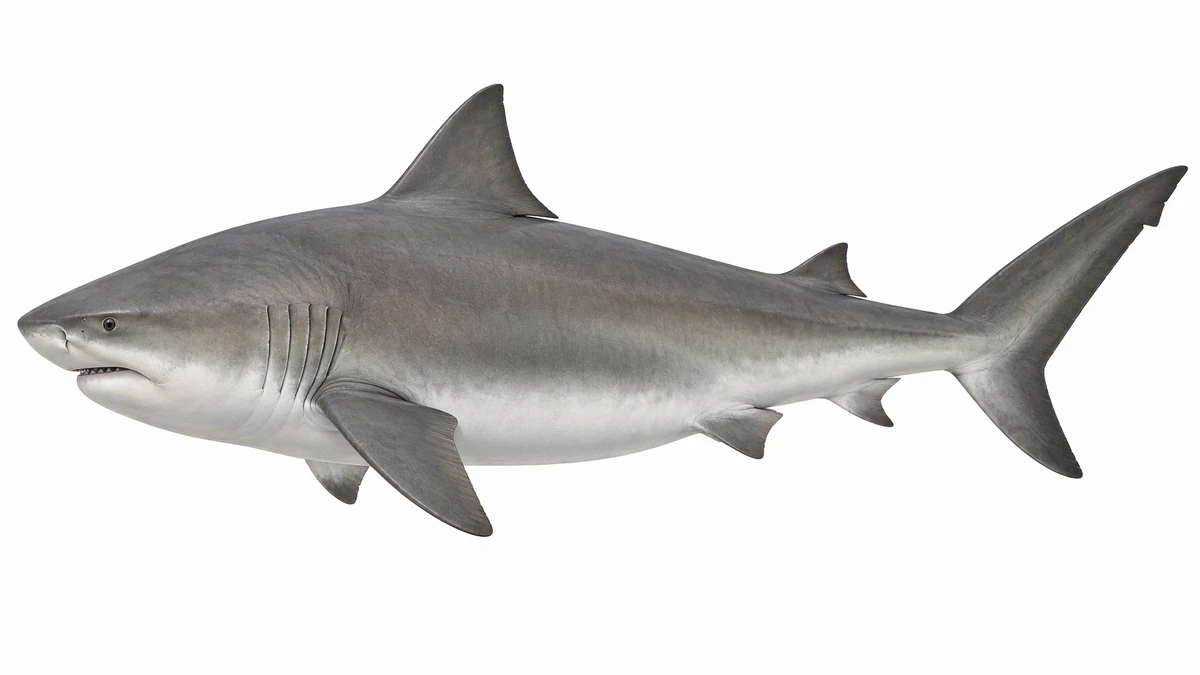
How to Catch Bull Shark
Learning how to catch bull shark means fishing a different kind of water. This is the heavy-shouldered, blunt-nosed shark that pushes into estuaries, river mouths, and even fresh water, so much of the fishing happens close to shore in murky, warm water rather than out in the blue. It is a heavy-tackle, release-first game. For identification, the freshwater talent, and conservation status, read the full Bull Shark species profile; this guide is about the fishing.
Best Time to Catch Bull Shark
The best time to catch bull shark is during the warm months, when coastal water climbs above roughly 68°F (20°C) and the sharks push into estuaries, bays, and river mouths. In subtropical regions that means summer and early fall; as coastal water cools in winter, the sharks retreat.
Tide and time of day do the rest. Bull sharks hunt the same shallow, often murky water people use, and they are most active in low light — dawn, dusk, and through the night. A moving tide that delivers bait to a channel mouth, inlet, or river bend is a natural place to set up.
Weather can turn the bite on. Heavy rain and runoff cloud the water and push bait fish — and the sharks that follow them — toward the coast, which is one reason bull sharks are so often associated with murky, post-storm conditions. Watch the water, the tide, and the bait, and fish when all three line up.
Best Gear for Bull Shark
Bull sharks are strong, heavy fish, and even a modest one can wreck light tackle. This is a job for heavy gear and a leader that survives teeth.
| Component | Bull shark-ready choice |
|---|---|
| Rod | Stand-up or heavy surf rod rated for 50–130 lb line |
| Reel | Lever-drag reel with a smooth, strong drag |
| Main line | 50–130 lb class mono or braid |
| Leader | Heavy mono or wire leader to handle the teeth and abrasion |
| Hooks | Non-offset circle hooks, sized to the bait |
| Extras | Long dehooker, bolt cutters, gloves, measuring tape |
The leader takes a beating in estuary water. A bull shark's serrated teeth and the abrasive bottom of a muddy channel both work against monofilament, so run a heavy mono or wire leader and inspect it after every fish.
Non-offset circle hooks are the standard for bait fishing. They tend to catch in the corner of the jaw, which makes release far easier and reduces gut-hooking. Because most bull shark fishing these days ends in a release, the dehooker and bolt cutters are as important as the rod and reel.
Best Bait for Bull Shark
The best bait for bull shark is fresh, bloody cut bait and whole fish, because the bull is an opportunistic feeder that hunts by scent in low-visibility water. Match what the fish already eat and you are most of the way there.
Natural bait.
- Cut fish and whole fish. Fresh mullet, jack, or menhaden, whole or in big chunks, is the classic bull shark bait in estuary and beach water.
- Rays. Bull sharks eat rays, and a ray wing or whole small ray is a serious big-fish bait.
- Crabs and shrimp. Smaller bull sharks and pups take crustaceans, so crab and shrimp baits work in the shallows.
- What do bull sharks eat? Bony fish, rays, other sharks, sea turtles, dolphins, crabs, shrimp, squid, seabirds, and carrion — whatever is available in murky, shallow water.
Lures. Bull sharks will occasionally take a big bait on the troll or a large swimming lure, but bait is far more reliable. The scent trail in murky water is what brings the fish to you.
A modest chum slick can help in a channel or inlet, drawing sharks upcurrent to where you can present a bait. Keep it light — you want the fish interested and searching, not stuffed.
Bull Shark Rigs
A bull shark rig is built around a strong leader and a circle hook, presented near the bottom or in the current where the fish hunt. These three setups cover most situations.
Heavy circle-hook bottom rig. Run a heavy mono or wire leader to a non-offset circle hook, and bait it with a big chunk of cut fish or a whole mullet. Fish it on or near the bottom in a channel, inlet, or river mouth, weighted enough to hold in the current. This is the standard rig for estuary and beach fishing.
Current-line drift rig. A fresh bait fished on a heavy leader, drifting naturally in the current of a river mouth or inlet, looks like an easy meal. Set the rod in a holder, keep the drag smooth, and wait for the take.
Shore-based surf rig. Anglers fishing from the beach use a heavy surf rod and a big bait, often deployed by kayak beyond the breakers, under the state rules that govern shore-based shark fishing. The leader is heavy, the hook is a large circle hook, and the fight is a long one from the sand.
On every rig, use a non-offset circle hook, keep the leader short and controlled at the boat, and have the dehooker and cutters ready. A bull shark is a release fish in most fisheries, so plan the release before the hookup.
How to Catch Bull Shark, Step by Step
- Pick the water. Look for a channel mouth, inlet, river bend, or estuary edge with moving water and bait. Murky, warm water is bull shark water.
- Set up on the tide. Fish a moving tide that delivers bait to the spot. Anchor or position so your bait sits naturally in the current.
- Present the bait. Put a fresh cut bait or whole fish on a circle hook near the bottom or in the current, on a heavy leader.
- Build a light slick. A modest chum trail can pull sharks upcurrent. Keep it light so the fish keep searching.
- Wait for the take. A bull shark usually takes and runs. Let the fish load the rod, then come tight — do not strike hard on a circle hook.
- Fight it hard. Bull sharks are strong and stubborn. Use steady pressure, keep the rod loaded, and keep the fish out of structure.
- Control the boat-side. Bring the fish alongside, not aboard. Keep the leader short and controlled, and keep your hands clear of the mouth.
- Release in the water. Use a long dehooker or cut the hook close to the mouth. Never lift a large bull shark by the gills or tail, support the body if you must handle it, and revive it alongside the hull until it swims off.
The handling is the dangerous part. A hooked bull shark is still a bull shark. Keep your hands away from the mouth, never straddle a fish on deck, and never put a live shark in the boat.
Where to Catch Bull Shark
Bull sharks live in warm, shallow coastal water around the world. They are found in tropical and subtropical shelf waters: the western Atlantic from New England to Brazil, the eastern Atlantic, the Indian Ocean, the western Pacific, the Gulf of Mexico, and along the South China Sea coast and major river systems in Asia.
Their range includes continental shelves, bays, harbors, estuaries, and the lower reaches of rivers. The freshwater story is the famous one — bull sharks have been documented in the Amazon, the Ganges, the Zambezi, the Mississippi, and China's Pearl River, sometimes thousands of kilometers upstream, and Lake Nicaragua holds a resident population.
Depth is usually shallow. Bull sharks hunt the top few dozen meters, often over sand, mud, or sea grass, and they are rarely reported from deep water. Warm water matters; the species is most active where surface temperatures stay above roughly 20°C (68°F). Look for channel mouths, river bends, inlets, and shallow bays where bait collects and the water is murky.
Bull Shark Regulations and Safety
Bull shark rules are a patchwork, and the default is release. The species is listed as Vulnerable on the IUCN Red List. In U.S. Atlantic federal waters, sharks are managed under NOAA's Highly Migratory Species rules, with finning banned, reporting and gear requirements in place, and retention restricted for many species.
State rules layer on top. As of 2024–2025, Florida — which sees more bull shark encounters than any other U.S. state — requires a free shore-based shark fishing permit after an online course, restricts chumming and certain gear from beaches, and sets size and bag limits where retention is legal. Retention is limited or prohibited in many fisheries, especially U.S. federal waters. Check current NOAA, state, and local rules before you fish; retention rules differ sharply between state and federal waters and are revised often.
Safety deserves its own section, because the bull shark shares water with people. It is large enough to do real damage, armed with serrated teeth, and it hunts estuaries, river mouths, and shallow bays where swimmers are just another shape in murky water. It is territorial and known to bump before it bites. Attacks are not common, but the bull shark has been implicated in a meaningful share of unprovoked bites worldwide.
The practical precautions are simple. Do not swim at dawn, dusk, or night in murky water near river mouths, inlets, or known bull shark habitat. Avoid swimming after heavy rain, when runoff clouds the water and pulls bait — and sharks — toward shore. Stay away from bait schools, fish-cleaning stations, and any boat that is chumming, and take local warnings seriously. Fresh water is not a safe zone; bull sharks have been caught hundreds of miles from the sea.
Common Mistakes and Bull Shark Fishing Tips
- Fishing clear, cold water. Bull sharks want warm, often murky water. Fish the estuaries and river mouths where they hunt.
- Light tackle. A bull shark is heavy and strong. Use 50–130 lb class gear and a heavy leader.
- Striking a circle hook. Let the fish load the rod and come tight instead of swinging.
- Lifting the fish. Never lift a large bull shark by the gills or tail, and never beach or gaff one you plan to release.
- Ignoring local rules. Retention varies sharply. Confirm NOAA, state, and local rules before you fish.
- Chumming carelessly. A modest slick helps; over-chumming fills the fish and can draw unwanted attention near swimmers.
- Skipping the release gear. Have a long dehooker and bolt cutters ready before the first fish arrives.
- Swimming in bull shark water at the wrong time. Low light, murk, and bait mean give the water a miss.
FAQ
What is the best time to catch bull shark? The warm months, in water above roughly 68°F (20°C), on a moving tide at dawn, dusk, or night. Heavy rain and runoff that cloud the water can turn the bite on.
What bait for bull shark works best? Fresh cut fish, whole mullet, jack, menhaden, or a ray wing on a circle hook, fished near the bottom or in the current. Smaller sharks also take crabs and shrimp.
What are the best bull shark fishing techniques? Fish a moving tide in an estuary, inlet, or river mouth with fresh cut bait on a circle hook. Use heavy tackle, let the fish take, and release it in the water.
Where can you catch bull shark? Warm coastal waters worldwide, including estuaries, river mouths, inlets, and major river systems in the Americas, Africa, Asia, and Australia — and far up freshwater rivers.
How big do bull sharks get? Most adults are 7–9 feet and 200–400 pounds. Large females reach about 11.5 feet (3.5 m) and can exceed 660 pounds (300 kg).
Can you keep a bull shark? Retention is limited or prohibited in many fisheries, especially U.S. federal waters. Treat the bull shark as a release fish unless you have confirmed local rules.
Learning how to catch bull shark is about fishing warm, murky, moving water with heavy tackle and honest bait — and then letting a slow-growing predator go. Know the field marks, give it room in the shallows, and send it back where it belongs.
Related Articles
- Bull Shark species profile — identification, freshwater range, diet and record.
- How to Catch Tiger Shark — the other big coastal predator with a taste for anything.
- Lemon Shark — a yellowish Atlantic shark often found in the same shallow nurseries.
- How to Catch Blue Shark — the offshore traveler for when you head past the shelf.
- How to Catch Shortfin Mako — the fast pelagic shark of open blue water.
- How to Catch Blue Marlin — the billfish benchmark of warm offshore water.
About the author and how this was tested
About the author
FishermanGuy
Bank, boat and kayak angler · fishing, crabbing and shrimping since 2021
I buy the gear, fish it for a season and write down what failed. No sponsored verdicts, no free-sample flattery. Every rig on this page has landed fish in water I can point at on a map.
How this was tested
- Every rig gets at least six trips on the same water before it is published.
- Gear is bought at retail. Free samples are labelled in the first paragraph.
- Dates show first publication and the last time the page was updated.