Field notes
How to Catch Shortfin Mako: Baits, Rigs & Release
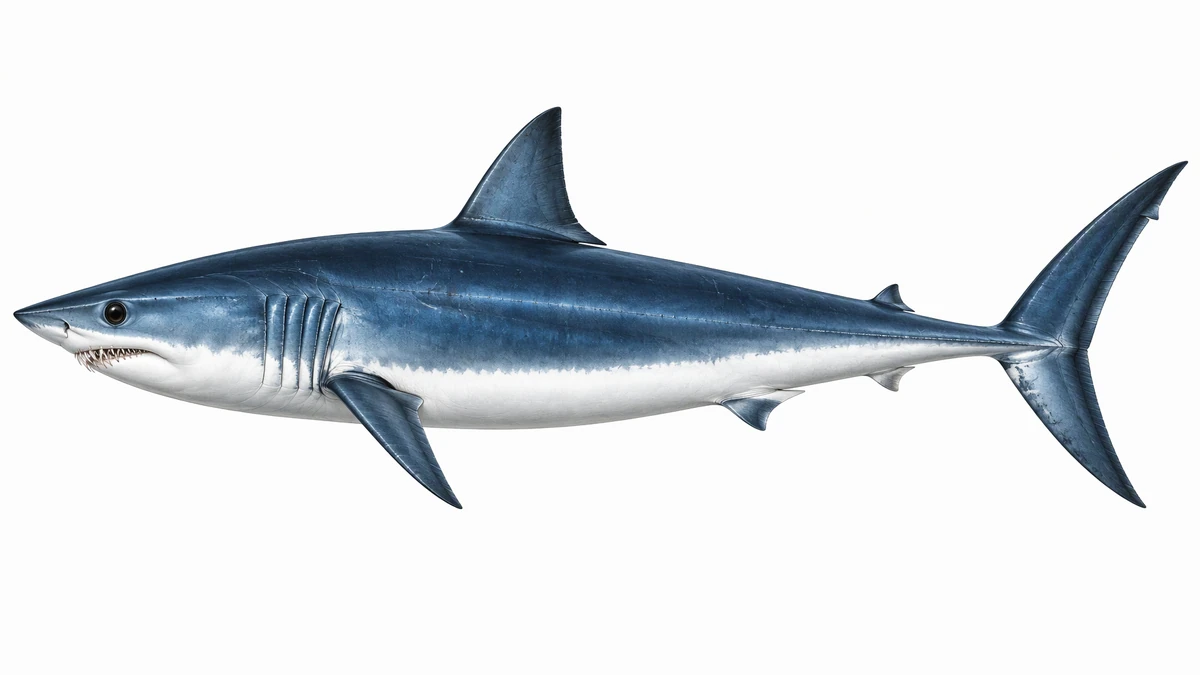
How to Catch Shortfin Mako
Learning how to catch shortfin mako means preparing for the fastest shark in the sea — a fish that will jump, sprint, and sometimes turn on the boat — and accepting that in much of its range the only legal outcome is a clean release. It is heavy-tackle fishing built around wire leaders, fresh bait, and discipline at the boat. For identification, biology, and conservation status, read the full Shortfin Mako species profile; this guide is about the fishing.
Best Time to Catch Shortfin Mako
The best time to catch shortfin mako in the North Atlantic is summer, when warm water and bait push the sharks along the shelf edges and current fronts off New England and the mid-Atlantic. Elsewhere, follow the warm months and the bait — makos are warm-bodied sharks that can hunt in cooler water than many species, but they still gather where food concentrates.
Think in terms of temperature breaks, current edges, and bait, not the calendar alone. Makos hang around the same structures that hold tuna and billfish, so a good tuna bite is often a good mako sign. Dawn, dusk, and the hours around a tide change tend to be productive, and a slow day on the troll can turn around fast when a shark finds the slick.
Because makos are highly migratory and can cross ocean basins, the local season is set by when the fish arrive, not by a fixed date. Watch sea-surface temperature and fishing reports, and be ready to move to the edge where cold and warm water meet.
Best Gear for Shortfin Mako
Makos are fast, aerial, and armed with teeth that cut line, so the tackle is heavy and the leader is the critical part. This is not a light-tackle game.
| Component | Shortfin mako-ready choice |
|---|---|
| Rod | Stand-up rod rated for 50–130 lb line |
| Reel | Large lever-drag reel with a smooth, powerful drag |
| Main line | 50–130 lb class mono or braid with a mono top shot |
| Leader | Heavy steel or wire leader that survives the teeth |
| Hooks | Non-offset circle hooks where required; heavy forged hooks |
| Extras | Long dehooker, bolt cutters, release tools, gloves |
The leader is where mako fishing is won or lost. A mako's teeth are long, curved, and razor-sharp, and a monofilament leader that survives a tuna will part on a mako in seconds. Run a heavy steel or wire leader, or a very heavy mono trace backed by wire, and inspect it after every fish.
You also need to plan for release from the start. In the U.S. Atlantic, recreational retention of shortfin mako is prohibited, so the fish goes back no matter how big it is. Carry a long-handled dehooker and bolt cutters so you can cut the hook or leader close to the mouth without putting hands near the teeth.
Best Bait for Shortfin Mako
The best bait for shortfin mako is fresh, oily, and bloody: mackerel, bluefish, bonito, and tuna chunks fished on a heavy wire leader. Makos are apex predators that hunt by speed and scent, and a fresh bait in a chum slick is hard for them to ignore.
Natural bait.
- Whole or cut mackerel. A fresh mackerel, whole or in big chunks, is the classic mako bait.
- Bluefish and bonito. Oily and durable on the hook, these stand up to current and to the shark's teeth.
- Tuna chunks and heads. Big, bloody, and full of scent — ideal for drawing a mako up a slick.
- What do shortfin makos eat? Mackerel, tuna, bonito, swordfish, squid, sea turtles, and other sharks. Match that menu and you are close.
Lures. Makos will take a trolled skirted lure or a swimming plug, especially when they are keyed on fast-moving bait, but bait under a slick remains the most reliable approach. Some crews slow-troll a fresh bait along a temperature break and let the chum do the rest.
Chum is the equalizer. A steady slick of ground fish and oil pulls sharks upcurrent to the boat, where you can present a bait naturally. Do not over-feed the slick; you want the fish interested, not full.
Shortfin Mako Rigs
A shortfin mako rig is built to survive teeth and to release cleanly. These three setups cover most fishing.
Wire bait rig. Run a heavy steel or wire leader to a non-offset circle hook, and bait it with a whole mackerel or a big chunk. The wire handles the teeth, and the circle hook tends to catch in the corner of the jaw, which makes release far easier. This is the workhorse mako rig.
Drift rig under a chum slick. A bait fished on a heavy leader, weighted to sit downcurrent in the slick, drifts naturally with the current. Set the rod in a holder, keep the drag smooth, and wait for the take. This is how most makos are hooked.
Slow-troll rig. A fresh bait or a skirted lure trolled slowly along a temperature break or current edge covers water and finds cruising sharks. Keep the leader heavy and the drag set so the first run does not empty the spool.
On every rig, use a non-offset circle hook where required, keep the leader short and controlled at the boat, and have the dehooker and cutters ready before the fish arrives. The rig that lands a mako is the rig that also lets you let it go.
How to Catch Shortfin Mako, Step by Step
- Find the edge. Look for a temperature break, a current front, a shelf edge, or a bait concentration. Makos patrol these seams.
- Set the drift. Put out a chum slick and drift a fresh bait downcurrent in it, or slow-troll a bait along the break.
- Wait for the take. A mako usually takes decisively. Let the fish load the rod, then come tight — do not strike hard on a circle hook.
- Survive the first run. A mako can empty a reel in seconds. Keep the drag smooth, keep the rod loaded, and let the fish run against pressure.
- Expect the jump. Makos jump and shake their heads. Keep the line tight but not locked, and be ready for slack when the fish comes down.
- Win line back. Pump and wind, and keep the fish away from the props and the anchor line. A tired mako is safer for everyone.
- Control the boat-side. Bring the fish alongside, not aboard. Keep the leader short and controlled, and keep your hands clear of the mouth.
- Release in the water. Use a long dehooker or cut the hook or leader close to the mouth. Hold the shark by the leader or use a tail rope if needed, revive it in the current, and let it swim off.
The most dangerous moment is a green mako at the boat. Do not gaff a fish you intend to release, do not bring a live mako aboard, and do not put your hands near the mouth or gills. Cut the leader if the hook is deep.
Where to Catch Shortfin Mako
Shortfin makos live in the temperate and tropical Atlantic, Pacific, and Indian oceans, from the surface down to roughly 1,600 feet (500 m). They are most often found near shelf edges, seamounts, and current fronts where bait concentrates.
In the Atlantic, they range from Canada and New England down through the Gulf of Mexico and the Caribbean to South America, and across to Europe and Africa. In the Pacific, they occur from California and Mexico across to Japan, Australia, and New Zealand.
Makos are usually solitary or loosely associated, not schooling. Look for structure and edges that attract tuna and billfish — temperature breaks, current lines, drop-offs, and seamounts — because those same features hold the sharks. When you find bait and the right water, work the area thoroughly rather than running long distances.
Shortfin Mako Regulations and Safety
Makos are the most tightly regulated fish in this group, and the rules, not the fisherman, decide whether you may keep one. The shortfin mako was reclassified as Endangered on the IUCN Red List in 2019, reflecting steep declines driven by longline bycatch and the fin trade. The North Atlantic stock is overfished and has been the focus of ICCAT measures.
As of 2024–2025, NOAA Fisheries prohibits retention of shortfin mako in the U.S. Atlantic recreational fishery, making it a catch-and-release-only fish there; commercial retention is tightly limited and subject to quota. Many tournaments have moved to release-only formats. Rules vary elsewhere, but the trend is toward protection. Check the current NOAA, ICCAT, and state rules before you leave the dock — mako regulations have changed repeatedly in recent years.
Safety is central to mako fishing. The teeth make a shortfin mako genuinely dangerous, and the shark can twist and bite with almost no warning. There are recorded incidents of makos biting boats, and the species is one of the few sharks known to have attacked divers and swimmers. Never bring a live mako aboard, never gaff one you intend to release, and never put your hands near the mouth or gills. Keep the fish in the water, control the head with the leader if you must, and release it under its own power. If you are not equipped to release a big mako safely, do not target them at all.
Common Mistakes and Shortfin Mako Fishing Tips
- Skimping on the leader. Mono alone is not enough for a mako's teeth. Run steel or wire.
- Bringing the shark aboard. It is dangerous and, where release is required, pointless. Keep it in the water.
- Striking a circle hook. Let the fish load the rod and come tight instead of swinging.
- Letting the spool empty. Set the drag smooth and strong enough to slow the first run without parting the line.
- Fishing featureless water. Find the temperature break, current edge, or bait. That is where makos live.
- Over-chumming. Feed the slick enough to interest fish, not enough to fill them.
- Hands near the mouth. Use a long dehooker and bolt cutters, and cut the leader if the hook is deep.
- Targeting them where it is illegal. In the U.S. Atlantic, recreational retention is prohibited. Know the rules.
FAQ
What is the best time to catch shortfin mako? Summer in the North Atlantic, and the warm months elsewhere, along shelf edges and temperature breaks. Fish dawn, dusk, and tide changes, and follow the bait.
What bait for shortfin mako works best? Fresh mackerel, bluefish, bonito, or tuna chunks on a heavy wire leader, drifted in a chum slick or slow-trolled along a break.
What are the best shortfin mako fishing techniques? Drift a fresh bait in a chum slick or slow-troll along a temperature break. Use heavy tackle, let the fish take, and fight it hard so you can release it quickly.
Where can you catch shortfin mako? Worldwide in temperate and tropical oceans, from the surface to about 1,600 feet, near shelf edges, seamounts, and current fronts.
How fast is a shortfin mako? It is the fastest shark measured, capable of short bursts to roughly 45 mph (about 74 km/h), and it is known for leaping clear of the water.
Can you keep a shortfin mako? In the U.S. Atlantic, no — recreational retention is prohibited. The species is Endangered, and release is required or strongly encouraged in most fisheries.
Learning how to catch shortfin mako is really learning how to let one go. Use heavy tackle, fresh bait, and a wire leader, fight the shark quickly, and release it in the water where the rules allow the fish to be caught at all.
Related Articles
- Shortfin Mako species profile — identification, habitat, diet, speed and record.
- How to Catch Blue Shark — the slender, long-finned shark most often confused with a mako.
- How to Catch Blue Marlin — a billfish that shares mako water and appears in its diet.
- How to Catch Bull Shark — the stocky coastal shark that tolerates fresh water.
- How to Catch Tiger Shark — the broad-headed scavenger of warm reefs and channels.
About the author and how this was tested
About the author
FishermanGuy
Bank, boat and kayak angler · fishing, crabbing and shrimping since 2021
I buy the gear, fish it for a season and write down what failed. No sponsored verdicts, no free-sample flattery. Every rig on this page has landed fish in water I can point at on a map.
How this was tested
- Every rig gets at least six trips on the same water before it is published.
- Gear is bought at retail. Free samples are labelled in the first paragraph.
- Dates show first publication and the last time the page was updated.