Field notes
How to Catch Blue Shark: Night Drift, Baits & Rigs
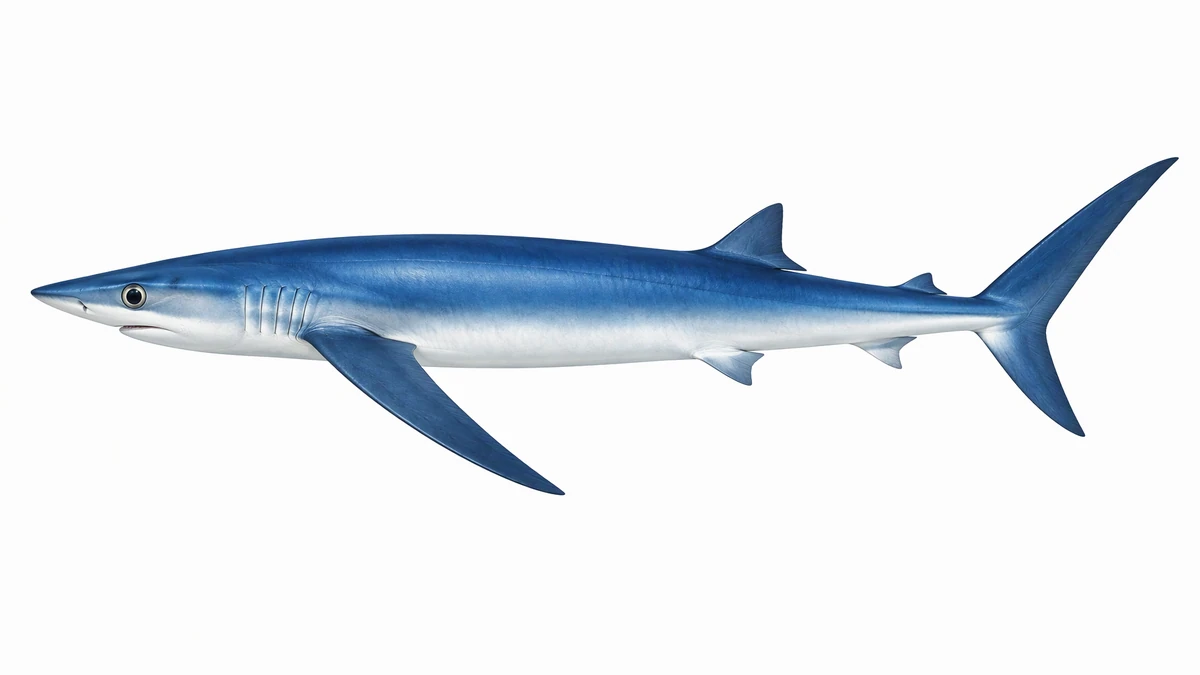
How to Catch Blue Shark
Learning how to catch blue shark is one of the most accessible entries into offshore shark fishing. The blue is the slim, indigo-and-white traveler that turns up under almost every chum slick, and a night drift with fresh bait and a wire leader will usually find one. It is medium-heavy tackle work, and for most anglers it ends with a careful release. For identification, range, and biology, read the full Blue Shark species profile; this guide is about the fishing.
Best Time to Catch Blue Shark
The best time to catch blue shark in the North Atlantic is summer and fall, when warm water and bait push the sharks through the offshore currents. Elsewhere, follow the warm months and the bait — blue sharks are among the most widely distributed sharks on Earth and show up wherever the water is right.
Water temperature matters. Blue sharks prefer cooler water than many tropical sharks, roughly 45–77°F (7–25°C), which is why they are common in the North Atlantic, off California, and around southern Africa and Australia. Fish the cooler side of a break, not the hottest water in the ocean.
Time of day is the other key. Blue sharks are most often seen near the surface at night, when squid and small fish rise and the sharks follow. An overnight drift under a good chum slick, especially around dusk and through the dark hours, is the classic blue shark pattern. Daytime fishing can work along current edges, but the night bite is the one to plan around.
Best Gear for Blue Shark
You do not need the heaviest offshore tackle for blue sharks, but you do need gear that can handle fast runs and a set of serrated teeth. A medium-heavy outfit is the sweet spot.
| Component | Blue shark-ready choice |
|---|---|
| Rod | Stand-up rod rated for 30–80 lb line |
| Reel | Lever-drag reel with a smooth, reliable drag |
| Main line | 30–80 lb class mono or braid with a mono top shot |
| Leader | Heavy wire leader to handle the teeth |
| Hooks | Non-offset circle hooks where required |
| Extras | Chum bag, long dehooker, bolt cutters, gloves |
The leader is non-negotiable. Blue sharks have a full set of serrated teeth and a habit of investigating baits closely, and a mono leader that is fine for tuna will be cut in a heartbeat. Run a heavy wire leader and check it after every fish.
The drag needs to be smooth rather than brutal. Blue sharks make fast runs and some jumps, especially the smaller fish, and a smooth drag tires them without breaking line. Because most blue sharks are released, plan the release tools — a long dehooker and bolt cutters — before the first fish arrives.
Best Bait for Blue Shark
The best bait for blue shark is fresh, oily, and smelly: mackerel, sardines, or squid fished on a wire leader under a chum slick. Blue sharks are opportunistic feeders that hunt by scent and follow a slick straight to the boat.
Natural bait.
- Mackerel. Whole or in big chunks, fresh mackerel is the standard blue shark bait.
- Sardines and anchovies. Small, oily, and full of scent — ideal for building a slick and keeping fish around.
- Squid. A whole squid is tough on the hook and a natural night bait, when squid rise toward the surface.
- What do blue sharks eat? Mackerel, sardines, anchovies, herring, squid, occasional seabirds or carrion, often hunted at night.
Lures. Blue sharks will occasionally take a trolled lure, but bait under a slick is far more effective. The scent trail does most of the work, drawing sharks upcurrent to where you can present a bait naturally.
Chum is the engine of blue shark fishing. A steady slick of ground bait and fish oil pulls sharks in from a wide area. Once the fish arrive, keep a fresh bait in the slick and be ready — blue sharks are famously curious and often show up in numbers.
Blue Shark Rigs
A blue shark rig is simple, but it has to survive teeth and release cleanly. These three setups cover most situations.
Wire bait rig under a slick. Run a heavy wire leader to a non-offset circle hook and bait it with a whole mackerel or a big squid. Fish it downcurrent in the chum slick, weighted enough to sit naturally in the current. This is the workhorse rig, and the circle hook makes release much easier.
Drift rig. A bait fished on a heavy leader, with just enough weight to hold it in the slick, drifts with the current and looks natural. Set the rod in a holder, keep the drag smooth, and wait for the take. This is how most blue sharks are hooked on an overnight drift.
Slow-troll rig. A fresh bait or a skirted lure trolled slowly along a current edge covers water and finds cruising sharks during the day. Keep the leader heavy and the drag set so the first run does not empty the reel.
On every rig, use a non-offset circle hook where required, keep the leader short and controlled at the boat, and have the dehooker and cutters ready. A blue shark is a release fish in most places, so the rig should make letting it go easy.
How to Catch Blue Shark, Step by Step
- Pick your drift. Find a current edge, a shelf, or a bait concentration, and set up a drift that will carry your baits through the slick.
- Build the slick. Hang a chum bag and let a steady trail of ground fish and oil flow downcurrent. Patience here pays off later.
- Set the baits. Drift fresh baits downcurrent in the slick on wire leaders, at a couple of depths and distances.
- Wait for the take. A blue shark usually takes and runs. Let the fish load the rod, then come tight — do not strike hard on a circle hook.
- Enjoy the run. Blue sharks make fast, sometimes jumping runs, especially smaller fish. Keep the drag smooth and the rod loaded.
- Win it back. Pump and wind, and keep the fish away from the props and the anchor line. A steady fight tires the shark without hurting it.
- Control the boat-side. Bring the fish alongside, not aboard. Keep the leader short and controlled, and keep your hands clear of the mouth.
- Release in the water. Use a long dehooker or cut the hook close to the mouth. Hold the shark by the leader if you must, revive it in the current, and let it swim off.
The handling, not the fight, is where people get hurt. Do not put your hands near the mouth, do not drag a shark aboard by the gills, and do not straddle a fish on deck. Keep it in the water and send it back.
Where to Catch Blue Shark
Blue sharks live in the open ocean worldwide, from temperate to tropical waters, in the Atlantic, Pacific, and Indian oceans and the Mediterranean. They are oceanic rather than coastal, usually staying well offshore, though they come closer to shore where the shelf is narrow or currents push blue water in.
They mostly occupy the upper layers, from the surface down to roughly 1,150 feet (350 m), and are most often seen near the surface at night. Look for current edges, temperature breaks, and bait concentrations offshore — the same features that hold tuna and billfish.
Blue sharks are champion migrators. Tagging has shown individuals crossing the Atlantic and traveling more than 5,000 miles, and the species is thought to have one of the longest migrations of any shark. That means a good slick in the right current can pull fish from a long way off. When you find them, they often come in numbers.
Blue Shark Regulations and Safety
Blue shark rules are evolving, and the default is release. The species is assessed as Near Threatened globally on the IUCN Red List, with the main threats being longline bycatch and the fin trade. It is one of the most heavily fished sharks in the world by volume, even though it is rarely a target species.
As of 2024–2025, finning is prohibited in U.S. waters, and sharks caught incidentally must be handled and released under specific rules; retention limits for blue sharks vary by region and fishery. Some countries and regional bodies have closed retention altogether, while others allow limited take. Many recreational fisheries and tournaments now promote or require release. Check current NOAA, ICCAT, and local rules before you fish, because blue shark management has been tightening.
Safety is about handling. Blue sharks are not aggressive by shark standards and are not responsible for the kind of attacks associated with great whites or bull sharks, but they have serrated teeth, powerful jaws, and a habit of investigating baits and boats closely. A blue shark can bite a hand, a leader, or a gunwale in a fraction of a second. Do not put your hands near the mouth, do not try to drag a shark aboard by the gills, and use a heavy leader, a long dehooker, and bolt cutters. Keep the shark in the water and let it swim away. Blue sharks also accumulate mercury like other large predators; public health agencies advise that pregnant women, nursing mothers, and young children avoid high-mercury fish.
Common Mistakes and Blue Shark Fishing Tips
- Fishing without a slick. Blue sharks follow scent. A chum slick is the difference between a blank night and a busy one.
- Skipping the wire leader. Serrated teeth cut mono. Run heavy wire and check it after every fish.
- Striking a circle hook. Let the fish load the rod and come tight instead of swinging.
- Dragging the shark aboard. It is dangerous and unnecessary. Keep it in the water and release it.
- Fishing the hottest water. Blue sharks prefer cooler water, roughly 45–77°F. Fish the cooler side of the break.
- Ignoring the night bite. Blue sharks feed most actively at night. Plan an overnight drift.
- Over-chumming. Keep the fish interested, not full. A steady, modest slick works best.
- Forgetting release gear. Have the dehooker and cutters ready before the first fish shows.
FAQ
What is the best time to catch blue shark? Summer and fall in the North Atlantic, and the warm months elsewhere, in water around 45–77°F. Fish at night under a chum slick, around dusk and through the dark hours.
What bait for blue shark works best? Fresh mackerel, sardines, or squid on a wire leader, drifted downcurrent in a chum slick. The scent trail draws sharks to the boat.
What are the best blue shark fishing techniques? Drift fresh baits in a chum slick at night, or slow-troll along a current edge by day. Use a wire leader, let the fish take, and release it in the water.
Where can you catch blue shark? Worldwide in temperate and tropical open ocean, mostly in the upper 1,150 feet, often near the surface at night along currents and bait concentrations.
How big do blue sharks get? Most are 6–8 feet and 80–200 pounds; large females reach 9–12 feet and can exceed 300 pounds, with the biggest near 12.5 feet (3.8 m).
Can you keep a blue shark? Rules vary and are tightening. Many fisheries require or encourage release, so confirm local retention rules before you fish.
Learning how to catch blue shark is mostly about patience, scent, and a wire leader. Build a slick, fish it at night, and treat this ocean-crossing traveler as a release fish — handle it carefully and send it back to keep moving.
Related Articles
- Blue Shark species profile — identification, habitat, diet, migration and record.
- How to Catch Shortfin Mako — the faster, thicker-bodied shark most often confused with a blue.
- How to Catch Blue Marlin — a billfish that shares the same warm offshore currents.
- How to Catch Bull Shark — the freshwater-tolerant coastal heavyweight.
- How to Catch Tiger Shark — the broad-headed generalist of warm reefs and channels.
About the author and how this was tested
About the author
FishermanGuy
Bank, boat and kayak angler · fishing, crabbing and shrimping since 2021
I buy the gear, fish it for a season and write down what failed. No sponsored verdicts, no free-sample flattery. Every rig on this page has landed fish in water I can point at on a map.
How this was tested
- Every rig gets at least six trips on the same water before it is published.
- Gear is bought at retail. Free samples are labelled in the first paragraph.
- Dates show first publication and the last time the page was updated.