Field notes
How to Catch Brown Trout: Baits, Lures & Night Tactics
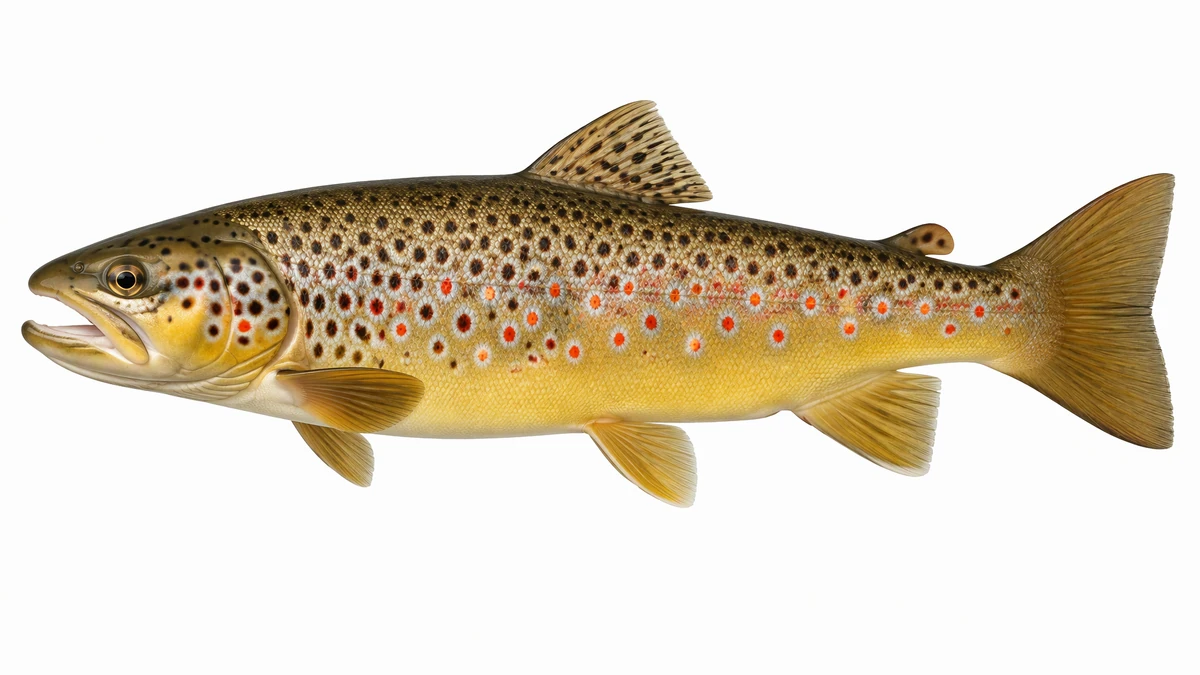
How to Catch Brown Trout
The brown trout has a reputation, and it earned it. Learning how to catch brown trout means accepting that the fish can see you, inspect your offering and refuse it, often all in the same drift. Brown trout are wary, cover-oriented and frequently nocturnal, and in heavily fished water they feed when most anglers have gone home. That wariness is why a good brown feels like a reward and not just a fish. This guide covers the best time to catch brown trout, the tackle and bait that work, the rigs for rivers and lakes, step-by-step tactics, and the handling rules that keep these delicate fish alive. Read the full Brown Trout species profile for identification, range and record history.
Best Time to Catch Brown Trout
Brown trout are cold-water fish. They feed best between about 50°F and 60°F (10–16°C) and stay active from roughly 41°F to 68°F (5–20°C). Above the mid-70s Fahrenheit, oxygen drops and the fish struggle. Within that temperature band, the calendar and the clock shape everything.
Spring brings rising water and active fish. Browns feed heavily as water warms into the 50s and low 60s. Fall is the other prime window, and it comes with a twist: browns spawn in fall, usually October through December, when water drops into the 40s Fahrenheit, and fish move upstream to gravel riffles. The periods before and after the spawn are excellent, though spawning fish are focused on reproduction and should be left alone where runs are small.
Summer pushes trout to cold refuges. Fish early and late, find cold inflows and spring creeks, and target tailwaters where dam releases stay cold. In many rivers, summer means fishing at night for the biggest browns. Winter can be surprisingly good on tailwaters and spring creeks that hold steady in the 40s; fish slow and deep.
Time of day is where brown trout differ from most fish. They are most active at dawn, dusk and after dark, and in heavily fished water they often feed only at night. During the day they hold tight to cover and move little, which is why a brown trout stream can look empty at noon and come alive at last light. If you want the biggest, wariest fish, plan to fish low light and darkness. If you want numbers on pressured water, a night trip with a big fly or lure is often the answer.
Best Gear for Brown Trout
Brown trout tackle is light, and that is deliberate. A soft rod protects light line, small hooks and the fish itself.
| Component | Brown trout-ready choice |
|---|---|
| Rod | 6–7 ft light or ultralight spinning rod; 4–6 wt fly rod |
| Reel | 1000–2000 size spinning reel with a smooth drag |
| Main line | 4–6 lb monofilament or fluorocarbon |
| Hook | Size 8–14 bait hook; small treble for some lures |
| Lures | 1/8–1/4 oz spinners and spoons; small minnow plugs |
| Extras | Split shot, slip sinker, rubber-mesh net, polarized glasses |
Fluorocarbon helps in clear water, and 4–6 lb line is standard. Heavier line spooks browns and kills the action of small lures. A long-handled rubber-mesh net is not optional, because browns are delicate and a net keeps the fish in the water while you unhook it. Polarized glasses are a trout tool, not a luxury; they cut surface glare so you can read seams, rocks and fish before you cast.
Night fishing adds a few items. A headlamp with a red setting lets you change flies or lures without spooking fish nearby, and larger, darker lures or big streamers are easier for fish to find in low light. Keep the kit simple and the presentation quiet.
Best Bait for Brown Trout
Brown trout eat almost anything that fits in the mouth and looks natural, but the core of the diet is aquatic insects: mayflies, caddisflies, stoneflies, midges and nymphs. They also eat terrestrials such as ants, beetles and grasshoppers when they fall in, and larger fish add crayfish, sculpins, minnows and other small fish. Big browns are notorious for taking mice and even small birds at night. The best bait for brown trout matches that diet and the water you are fishing.
Natural bait works where it is legal. Nightcrawlers, worms and salmon eggs are classic and effective, especially in stained or high water. A worm drifted naturally through a pool catches browns anywhere they live. Check the rules first, because many trout waters are artificial-lure-only or catch-and-release.
Artificial lures cover water and last longer. Spinners and spoons in the 1/8–1/4 oz range are standard, and small minnow plugs and jerkbaits work for bigger fish, especially in lakes and at night. In clear water, natural presentations and light line matter more than the lure itself.
Flies are the connoisseur's choice. Nymphs, streamers, egg patterns and dry flies all catch browns. In rivers, a dead-drifted nymph or a streamer along a current seam is deadly. At night, big dark streamers and mouse patterns draw the biggest, most aggressive fish.
Match the water. In pressured, clear streams, small and natural wins. In high, colored water after rain, a bigger, brighter offering or a worm gets noticed. At night, go big and dark, because the fish are hunting by feel and silhouette.
Brown Trout Rigs
A brown trout rig should present a small offering naturally and let you feel or see the take.
Drift rig. Use a split shot or small sinker above a size 10–14 hook and drift a worm, egg or nymph through current. Keep the line tight enough to feel a tick. This is the core river presentation for bait and nymphs.
Float rig. A slip float with bait or a small jig suspended below it works in slow water and around cover. Set the depth so the offering drifts just above the bottom or through the fish's holding level.
Spinner or spoon setup. Tie a 1/8–1/4 oz spinner or spoon directly to 4–6 lb line, or add a small swivel to reduce twist. Cast upstream and across, and let the current swing the lure through likely lies.
Fly rig. A strike indicator with a nymph or egg pattern below is the standard fly-fishing setup. Adjust the depth until the fly drifts at the fish's level. For streamers, a sink-tip or weighted fly gets down to holding fish.
Night rig. For big browns after dark, a large dark streamer or a mouse pattern fished slowly across the surface or along a bank is the classic approach. Keep the retrieve steady and be ready for a violent take.
Keep leaders light and simple. In clear water, long, visible leaders spook fish. A short, clean rig that presents naturally beats a complicated one every time.
How to Catch Brown Trout, Step by Step
- Read the water. Browns hold in undercut banks, behind boulders, in log jams, in deep pools and along current seams. Look for a roof over the fish's head and a current lane nearby.
- Stay low and quiet. Browns see upward and spook easily. Wear drab colors, move slowly and keep your shadow off the water.
- Cast upstream and across. Present the bait or lure above the fish and let the current carry it down naturally. A downstream cast drags unnaturally.
- Drift through the strike zone. Mend the line or lift the rod tip to keep slack out without dragging the offering. The most natural drift catches the most fish.
- Watch the line and the float. Browns often take softly. A stop, a twitch or a float that dips is a bite, especially in low light.
- Set the hook with a lift. A smooth sweep is enough. Trout have soft mouths, so do not strike like you are hooking a bass.
- Play and land quickly. Use the current to tire the fish, keep the rod bent, and net it in the water.
- Handle wet and release fast. Wet your hands, avoid dry towels, and minimize air time.
The most common river mistake is standing where the fish are. Browns hold in the same water you want to wade through, and they spook from footsteps and shadow. Fish a run before you walk it, and approach every likely lie from downstream.
Where to Catch Brown Trout
Brown trout are native to Europe, North Africa and western Asia, and were brought to North America in the 1880s, with the first successful stocking in Michigan in 1883. They are now established in most U.S. states with cold water, in Canada and in parts of South America, Australia, New Zealand and Asia. Wherever they live, they need cold, clean water with cover.
- Undercut banks and root wads. The classic brown trout lie, with shade and overhead cover.
- Behind boulders and log jams. The soft pocket behind an obstruction is a prime spot.
- Deep pools and current seams. Fish the head and tail of pools and the seam where fast meets slow.
- Tailwaters below dams. Cold, steady releases keep browns active year-round and grow big fish.
- Lakes and reservoirs. Browns cruise shorelines, drop-offs and stream mouths, especially in fall.
- Spring creeks and cold inflows. Stable cold water attracts trout in summer.
Temperature sets the boundaries. Browns tolerate warmer water than brook trout, which is one reason they have replaced brook trout in many degraded streams, but above the mid-70s Fahrenheit they struggle. In lakes, fish the drop-offs and inlets early, then go deeper as the sun climbs. In rivers, work upstream and fish every piece of likely water. Large reservoirs and the Great Lakes produce the biggest fish because forage is abundant and the growing season is long, and sea-run populations called sea trout migrate to salt water in Europe and parts of the Northeast.
Brown Trout Regulations and Safety
Brown trout are heavily regulated. A fishing license is required, and many states add a trout stamp or permit. Many states manage wild brown trout with special rules: catch-and-release sections, single-hook or artificial-only water, minimum lengths and reduced bag limits. Stocked put-and-take fisheries are more liberal. Fall spawning seasons are often closed or restricted on spawning tributaries, and some states protect brown trout in tailwaters year-round. As of 2025, do not assume the rule from one river carries to the next. The rules on the Little Red River in Arkansas, for example, come from the Arkansas Game and Fish Commission, and other waters fall under their own state agencies. Check the current regulation booklet or website for the water you plan to fish.
Safety has two parts. First, fish handling. Trout are delicate compared with bass or catfish: their scales are small, their slime coat is thin and their gills are fragile. A dry hand or a rough landing strips that protection and invites infection. Wet your hands, use a rubber-mesh net and keep the fish in the water as much as possible. If you lift a trout for a photo, support the belly and keep the fish horizontal; do not squeeze it or hold it by the jaw. Second, wading safety. Cold, fast water is dangerous. Wear a wader belt, use a staff in strong current, and do not wade above your comfort level. At night, carry a light, watch your footing and tell someone where you are going.
Common Mistakes and Brown Trout Fishing Tips
- Line too heavy. Browns see 8–10 lb line. Drop to 4–6 lb fluorocarbon in clear water.
- Standing in the lie. Fish the water before you wade through it, and approach from downstream.
- Casting downstream. Drag makes bait and lures look wrong. Cast upstream and drift.
- Fishing midday in pressured water. Browns often feed only at night where fishing pressure is high. Fish low light.
- Too big a lure in clear water. Natural, small presentations beat big, flashy ones most days.
- Dry hands and dry rocks. They kill trout. Wet hands, rubber net, quick release.
- Fishing warm water. Above the mid-70s, trout are stressed. Fish early, find cold inflows, or target another species.
- Ignoring spawning fish. Leave spawning browns alone, especially on small tributaries.
FAQ
What is the best time to catch brown trout? Spring and fall, when water is about 50–60°F. Fish dawn, dusk and night in summer, and target cold tailwaters and spring creeks in winter.
What bait for brown trout works best? Nightcrawlers, worms and salmon eggs where legal. Spinners, spoons and flies also catch fish. In clear water, natural presentations and light line matter more than the bait itself.
How do you catch brown trout in a river? Cast upstream, drift bait or a nymph through pools, undercut banks and seams, and keep the line tight enough to feel the take. Stay low and fish each run before wading it.
Where do brown trout live? In cold streams, rivers, tailwaters and lakes across North America and much of the world. They favor cover: undercut banks, logs, boulders, deep pools and current seams.
Do brown trout bite at night? Yes. In heavily fished water they often feed only after dark. Big dark streamers and mouse patterns fished slowly at night draw the biggest, wariest browns.
How do you handle a brown trout safely? Wet your hands, use a rubber-mesh net and keep the fish in the water. Support the belly if you lift it, keep it horizontal, and release it quickly.
Brown trout reward patience more than power. Fish low light, stay out of sight, drift something natural through cover, and handle the fish wet. That is how to catch brown trout, and why the cold months and the last hour of light are worth the extra layers.
Related Articles
- How to Catch Rainbow Trout — the hatchery-friendly cousin that shares cold rivers.
- How to Catch Paddlefish — another fish of tailwaters and big rivers below dams.
- How to Catch Channel Catfish — a bottom feeder that shares many of the same rivers.
- Brown Trout species profile — identification, habitat and the world-record story.
- All species profiles
About the author and how this was tested
About the author
FishermanGuy
Bank, boat and kayak angler · fishing, crabbing and shrimping since 2021
I buy the gear, fish it for a season and write down what failed. No sponsored verdicts, no free-sample flattery. Every rig on this page has landed fish in water I can point at on a map.
How this was tested
- Every rig gets at least six trips on the same water before it is published.
- Gear is bought at retail. Free samples are labelled in the first paragraph.
- Dates show first publication and the last time the page was updated.