Field notes
How to Catch Brook Trout: Timing, Tackle & Rigs
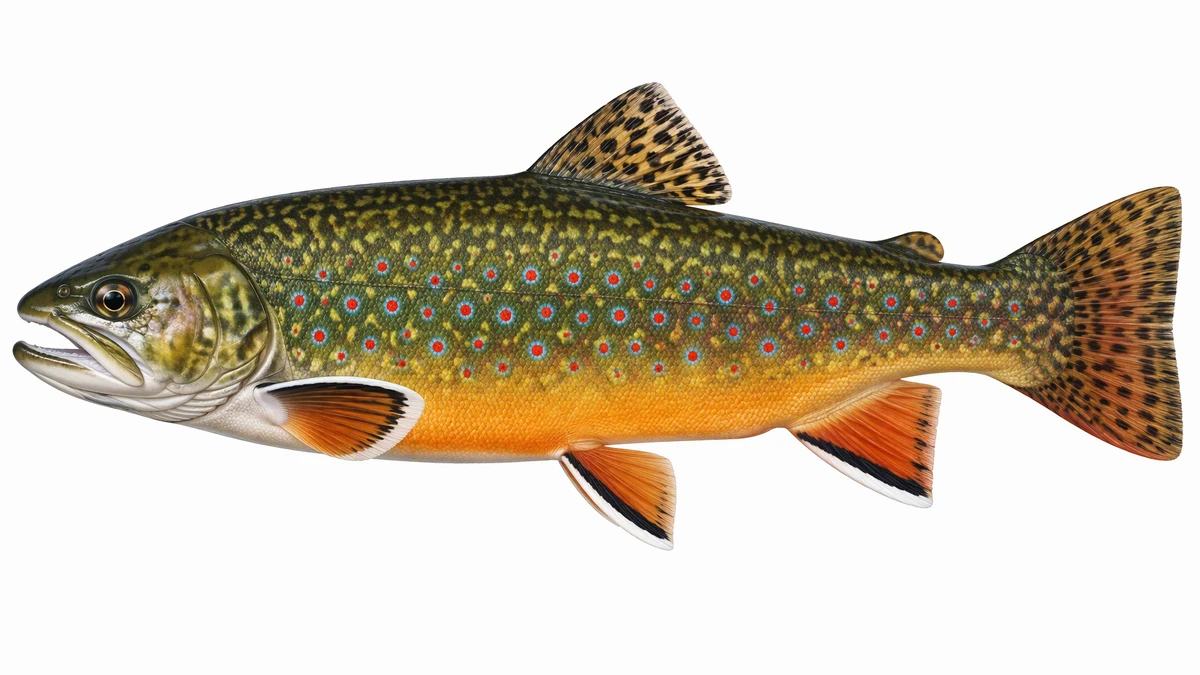
How to Catch Brook Trout
Brook trout live in the water most anglers drive past: small, cold, shaded creeks that tumble over gravel and deadfall. Learning how to catch brook trout starts with accepting that the fish are small and the water is tight, then building a light, quiet approach to match. A 7-inch brookie from a beaver pond is a worthy fish, and the streams that hold them are a sign of clean, cold, oxygen-rich water. This guide covers timing, tackle, bait, rigs, stream tactics, regulations, and the handling habits that keep these fragile char alive. Read the full Brook Trout species profile for identification, range, and behavior.
Best Time to Catch Brook Trout
Start with water temperature, not the calendar. Brook trout feed from roughly 41°F to 68°F (5–20°C), and they are at their best below 65°F. That one number shapes the whole season.
Spring is prime. The water is cold and high, the fish are hungry after winter, and they spread into pools and riffles before the canopy closes. Fish the weeks between ice-out and green-up hard. Fall is the other strong window. Water drops back into the 50s, fish feed heavily ahead of winter, and spawning colors make them easy to spot. Early fall, before the spawn, is the best of it.
Summer splits the day. In July and August, fish first light and again in the last hour before dark. At midday, brook trout retreat to spring seeps, shaded undercuts, and the coldest pockets in a pool. In small streams they stack in plunge pools and the tail-outs where groundwater seeps in. Winter is slow and deep; in northern lakes, ice fishing can be excellent over spring holes and rocky shoreline.
Weather matters. Overcast, drizzle, and light rain put fish at ease. A rising, slightly colored stream after a summer rain can turn the bite on, but flooded water is dangerous and usually poor. On bright, calm days, fish the shade line and the riffles, and keep your shadow off the water. Dawn and dusk are best, though remote brook trout are rarely fussy about time.
Best Gear for Brook Trout
Light tackle is the whole game. A brook trout's mouth is small, its water is clear, and heavy line kills both the cast and the bite.
| Component | Brook trout-ready choice |
|---|---|
| Rod | 5–6 ft ultralight for brushy creeks; 6–7 ft light for bigger water |
| Reel | 500–2000 size spinning reel with a smooth drag |
| Main line | 2–6 lb monofilament or fluorocarbon |
| Hook | Size 8–12 bait hook; small treble for eggs |
| Lures | 1/16–1/8 oz spinners and tiny spoons |
| Fly gear | 2–4 wt rod for small-stream dry-fly work |
| Extras | Split shot, small floats, rubber-mesh net, polarised glasses |
A short rod is not a compromise in tight cover; it is an advantage. It lets you flick a cast under overhanging brush and bow-and-arrow the lure through a gap. Fluorocarbon helps in clear water, but 4 lb is plenty for most stream fish. The net should be rubber-mesh and long-handled, because brook trout are delicate and a net keeps the fish in the water while you unhook it. Polarised glasses let you see seams, rocks, and the dark shape of a fish before you spook it.
Best Bait for Brook Trout
Brook trout eat aquatic and terrestrial insects, worms, crayfish, amphipods, and small fish. Big lake and river fish turn predatory and eat minnows and smelt. The best bait depends on whether bait is legal where you fish, which in native brook trout water it often is not.
Natural bait is deadly where allowed. A single nightcrawler or a piece of worm drifted weightless through a pool is hard to beat in a tiny creek. Waxworms, mealworms, and small salmon eggs also work, especially in stocked or put-and-take water. Keep the offering small; a brook trout's mouth is smaller than a brown trout's.
Artificial lures cover water and hold up. Small in-line spinners in the 1/16–1/8 oz range are the standard, and tiny spoons and micro crankbaits catch the bigger fish in beaver ponds and lakes. Work them slow enough to swing through a pool without spinning out.
Flies are the purist's route. Brook trout rise readily to attractor dry flies, and a small nymph dead-drifted through a seam is just as effective. In lakes, a small streamer stripped along the drop-off takes the largest fish. In native-water states, artificial lures and flies may be the only legal option, so check the rules before you tie on a worm.
Brook Trout Rigs
A brook trout rig should present something small and natural, and it should let you feel or see the take in fast, broken water.
Single-worm drift. Thread a small split shot 12–18 inches above a size 8–10 hook, nose-hook a worm, and drift it through a pool. This is the simplest and often the best rig in a tiny stream.
Float rig. Pinch a small float above the bait so it rides just off the bottom. Watch the float, not the rod. When it dips or stalls, lift gently. This rig shines in slow pools and beaver ponds.
Spinner rig. Tie a 1/16–1/8 oz spinner straight to the line, or add a small barrel swivel to cut twist. Cast across and upstream, then retrieve just fast enough to feel the blade turn.
Dry-dropper. For fly anglers, tie a buoyant attractor dry fly with 12–18 inches of tippet to a small bead-head nymph below it. The dry shows the take and catches fish on its own; the nymph does the quiet work underneath.
Adjust weight to the current. Too much lead snags the bottom; too little and the bait sails over the fish's head.
How to Catch Brook Trout, Step by Step
- Approach low and slow. Brook trout see upward and spook easily in clear water. Wear drab colors, keep your profile down, and avoid casting a shadow across the pool.
- Read the water first. Look for current seams, the white foam line, plunge pools below a riffle, undercut banks, and the soft tail of a pool. Fish hold where food collects and the current breaks.
- Cast upstream. Present the bait, lure, or fly above the fish and let the current carry it down naturally. A downstream cast drags and looks wrong.
- Drift through the strike zone. Mend the line or lift the rod tip to keep slack out without pulling the bait off its natural path.
- Watch for the soft take. Brook trout often take gently. A stop, a twitch, a flash, or a float that dips is your cue.
- Set the hook with a lift. A smooth sweep is enough. The mouth is soft, so do not swing for the fences.
- Play and land fast. Use the current to tire the fish, keep the rod bent, and net it in the water.
- Handle wet, release quick. Wet your hands, skip the dry towel, and keep air time to a few seconds. In warm weather, a brook trout out of the water for thirty seconds may not survive even if it swims away.
The most common stream mistake is wading through the water you should be fishing. Fish a run from its tail before you step into it.
Where to Catch Brook Trout
Brook trout need cold, clean, well-oxygenated water with gravel and stable flow. Within that, they choose cover and current.
- Current seams and riffles. Where fast water meets slow, feeding fish sit and pick off drifting food.
- Plunge pools. Below a riffle, log, or small waterfall, the deep, aerated water holds fish.
- Undercut banks and pool tails. Shade and soft water near cover are prime lies.
- Spring seeps. Groundwater-fed channels stay cold in summer and draw fish when the main stem warms.
- Beaver ponds. Fish cruise the edges and sit near structure and inflows.
- Lakes. Look for spring holes, inlet streams, and rocky shoreline; Great Lakes "coasters" move between lake and tributary, and sea-run "salters" work the North Atlantic coast.
Work upstream, fish every likely pocket, and cover water quietly. In lakes, fish the inlets early and follow the fish deeper as the sun climbs.
Brook Trout Regulations and Safety
Rules track the fish's fragility and its status. In their native eastern range, brook trout are managed for conservation: many states protect wild populations with catch-and-release rules, artificial-lure-only sections, closed spawning seasons, minimum lengths, and reduced bag limits. Stocked fisheries are managed more liberally. In western waters, brook trout are often an introduced species, and some agencies ask anglers not to spread them into native cutthroat water.
A license is required, and many states add a trout stamp. The authority is the agency that manages the water, whether that is a state fish and wildlife department, a provincial ministry, or a national park. Read the rules for the exact stream before you fish, because they change by water and season. Last verified: November 2025.
Safety has two parts. Cold, fast water is dangerous, so wear a wader belt, use a staff in strong current, and do not wade above your comfort level. And the fish itself is delicate: keep it wet, use a rubber net, avoid the gills and eyes, and release it fast in warm weather.
Common Mistakes and Brook Trout Fishing Tips
- Line too heavy. Brook trout see 8–10 lb line. Drop to 2–6 lb and watch the bite improve.
- Standing in the lie. Fish the water before you wade through it.
- Lure too big. A 1/8 oz spinner is plenty; in tiny creeks, go smaller still.
- Fishing warm water. Above about 68°F, brook trout are stressed. Fish early, find spring seeps, or leave them alone.
- Dry hands and dry rocks. A trout beached on granite may not recover. Wet hands, rubber net, quick release.
- Overharvesting small streams. A native brook trout creek holds few fish. Keep only what rules allow and what you will eat.
- Fishing the spawn. In fall, leave spawning fish on the redds alone.
- Ignoring bait rules. In native water, bait may be illegal. Check first.
FAQ
What is the best time to catch brook trout? Spring and fall, when water sits in the 50s and fish feed hard. In summer, fish dawn and dusk and hunt spring seeps; in winter, fish slow and deep, or ice-fish northern lakes.
What bait for brook trout works best? A single worm drifted through a pool where bait is legal. Waxworms and small salmon eggs also work. Elsewhere, small spinners, tiny spoons, and attractor dry flies do the job.
What are the best brook trout fishing techniques? Stay low, cast upstream, and drift small offerings naturally through seams and pools. In lakes, work the inlets and spring holes, and strip a small streamer along the drop-off.
What is a good brook trout rig? A split shot 12–18 inches above a size 8–10 hook with a worm, or a small float rig for slow pools. Fly anglers do well with a dry-dropper.
How big do brook trout get? Stream fish run 6–10 inches; lake and big-river fish reach 14–20 inches and 2–4 pounds. The all-tackle record is 14 pounds 8 ounces, from Ontario's Nipigon River in 1916.
Can you catch brook trout in winter? Yes. In northern lakes, ice fishing over spring holes and rocky points works. Fish small jigs and bait slow and deep.
Brook trout reward patience and a light touch more than fancy tackle. Find cold water, stay out of sight, drift something small and natural, and treat every fish like the clean-water indicator it is. That is how to catch brook trout, and why a tiny creek can be the best water you fish all year.
Related Articles
- How to Catch Lake Trout — the giant char of deep northern lakes.
- How to Catch Cutthroat Trout — a western native with a red slash under the jaw.
- How to Catch Rainbow Trout — baits, lures, and river tactics for the most-stocked trout.
- Brown Trout — the wary European cousin that often lives downstream.
- All species profiles
About the author and how this was tested
About the author
FishermanGuy
Bank, boat and kayak angler · fishing, crabbing and shrimping since 2021
I buy the gear, fish it for a season and write down what failed. No sponsored verdicts, no free-sample flattery. Every rig on this page has landed fish in water I can point at on a map.
How this was tested
- Every rig gets at least six trips on the same water before it is published.
- Gear is bought at retail. Free samples are labelled in the first paragraph.
- Dates show first publication and the last time the page was updated.