Field notes
How to Catch Lake Trout: Deep-Water Tactics & Rigs
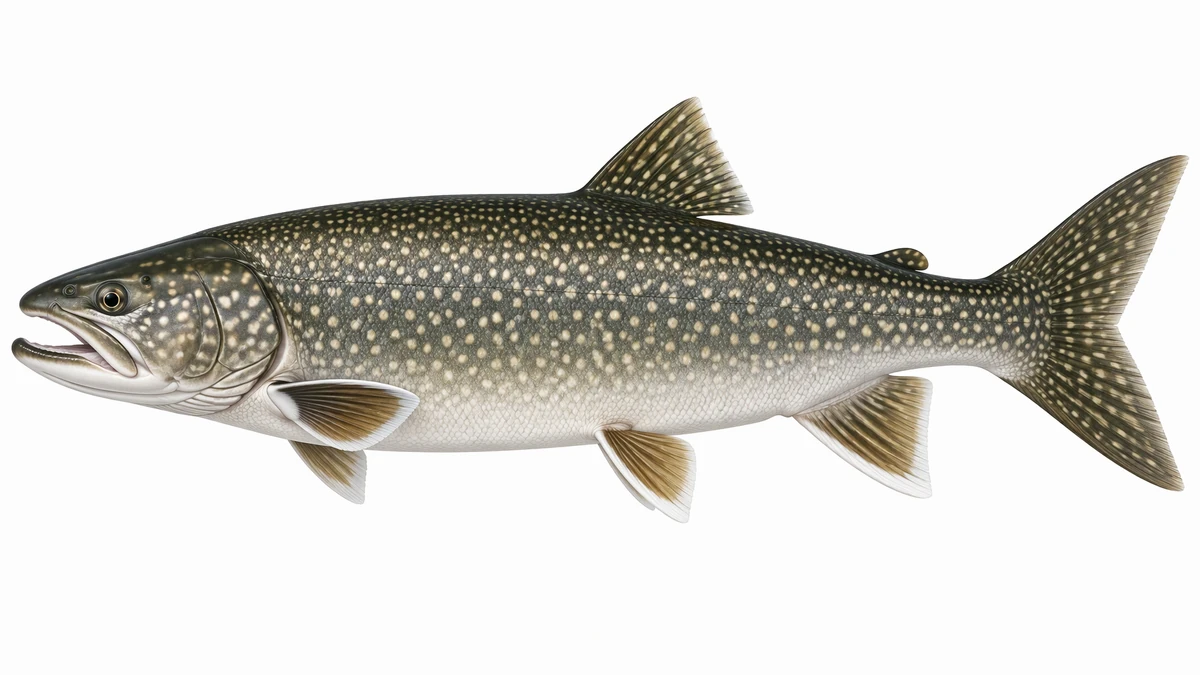
How to Catch Lake Trout
Lake trout are the biggest native char in North America, and they spend most of the year in water cold enough to numb a hand. Learning how to catch lake trout is less about casting at a bank and more about reading a lake: find the temperature band, find the baitfish, and put a lure in front of fish that may be a hundred feet down. The reward is a fish that grows slowly, lives for decades, and can pass 30 pounds. This guide covers timing, tackle, bait, rigs, deep-water tactics, regulations, and the handling that keeps released fish alive. Read the full Lake Trout species profile for identification, range, and behavior.
Best Time to Catch Lake Trout
Think in temperature, not months. Lake trout are comfortable in roughly 40°F to 55°F (4–13°C) and feed best around 45–50°F. In summer, that band sits deep, often 60–200 feet down in a big lake. The calendar just tells you where the band is.
Spring is the easiest fishing of the year. As ice goes out and the surface warms, lake trout move shallow and feed over rocky points, along shorelines, and around islands. Fish can be caught in 10–30 feet of water, which puts them within reach of a normal cast. Early summer pushes them down as the thermocline sets. Fall brings them back shallow to spawn over rocky shoals and reefs, and they feed heavily. Winter is ice-fishing time over deep structure.
Time of day matters. Lake trout feed in low light, so dawn, dusk, and even through the night are best. On bright, calm days, fish deep and slow; on overcast, windy days, they roam higher and bite better. Watch the wind: a steady blow stacks baitfish on a windward point, and the trout follow.
Best Gear for Lake Trout
Lake trout are big, strong, and often deep. Gear sized for stream trout will not survive the first hookset.
| Component | Lake trout-ready choice |
|---|---|
| Rod | 7–8 ft medium-heavy, or a dedicated downrigger rod |
| Reel | Levelwind/conventional or 4000–6000 spinning with capacity for deep line |
| Main line | 15–30 lb braid, with a fluorocarbon leader in clear water |
| Lures | 4–8 inch spoons, 3–6 oz jigs, 3–5 inch tube jigs, swimbaits |
| Terminal | Downrigger, dipsy diver, or 3-way swivel for depth |
| Extras | Fish finder, heavy net, hook file, release tool |
Braid is the deep-water standard because it has almost no stretch, so a hookset two hundred feet down still connects. A fluorocarbon leader of 20–30 lb resists the teeth and abrasion of a big char without spooking fish in clear water. A sonar unit is not a luxury here; it is how you find the thermocline, the bait, and the arches that mark fish. Carry a heavy rubber-mesh net and a hook file, because lake trout have hard mouths and dull hooks lose fish.
Best Bait for Lake Trout
Lake trout are fish eaters. Ciscoes, whitefish, smelt, sculpins, alewives, and perch make up most of the diet in big lakes, and large adults eat smaller lake trout. Their feeding shifts toward fish as they grow, so big baits catch big fish.
Natural bait means cut bait and whole baitfish where legal. Sucker meat, smelt, and strips of cisco fished on a jig or bottom rig are classic. Ice anglers tip heavy jigs with cut bait and do very well. Check local rules first; some waters restrict bait.
Artificial lures do most of the work. Large spoons in silver, gold, and glow patterns are the trolling standard. Tube jigs in white, pearl, and chartreuse are the go-to for vertical jigging. Swimbaits and big soft-plastic shads imitate baitfish and draw strikes from big fish. Glow and UV finishes earn their place in deep, dim water.
Flies are a niche choice, but big streamers stripped deep on a sinking line take lake trout, especially in spring when fish are shallow. Match the size of the local baitfish and retrieve slowly; a fast strip rarely works in cold water.
Lake Trout Rigs
Lake trout rigs are built to reach depth and stay in the strike zone.
Downrigger spoon troll. Clip a line to the downrigger ball, run it 30–80 feet back, and set the ball at the depth where you mark fish. Troll 1.5–2.5 mph with a 4–6 inch spoon. This is the cleanest way to keep a lure at an exact depth.
Tube-jig vertical rig. Drop a 1–3 oz tube jig to the bottom or to the fish on sonar, then jig it in short lifts and let it flutter down. Most strikes come on the fall. This is the core technique over deep structure.
Three-way swivel bottom rig. Tie a three-way swivel to the main line, hang a dropper weight below it, and run a 3–4 foot leader to a jig or bait. Drag it slowly over flats and around humps to keep bait near the bottom where big fish cruise.
Ice jig. On hard water, use a heavy jig tipped with cut bait, worked slowly just off the bottom over deep points and reefs.
How to Catch Lake Trout, Step by Step
- Find the temperature band. Use sonar to locate the thermocline, then look for the depth where 45–50°F water sits. That is your starting zone.
- Mark the bait. Lake trout follow baitfish. Find the bait balls and the arches below or beside them, and fish there.
- Pick your method. Troll spoons on a downrigger to cover water and find fish; jig tube jigs once you mark them stacked on structure.
- Troll slow and straight. Keep speed steady at 1.5–2.5 mph, and make gentle turns so the lure speeds up and drops without tangling.
- Jig with rhythm. Lift, pause, and let the jig fall on a semi-tight line. Watch the sonar for a fish rising to meet it.
- Set the hook hard. Lake trout have tough mouths. Sweep the rod firmly; a soft trout hookset will pull out.
- Fight with patience. These are strong, dogging fish. Keep the rod bent and let the drag work; do not pump-and-reel a big fish to the surface fast.
- Release deep fish slowly. If you let a fish go from deep water, reel it up slowly and use a release device, or keep a legal fish rather than releasing one that may not survive.
Where to Catch Lake Trout
Lake trout need cold, deep, oxygen-rich water with rocky structure. Shallow, weedy, warm lakes do not hold them.
- The thermocline. In summer, fish suspend in the 45–55°F band, often 60–200 feet down. Find it and fish it.
- Rocky points and humps. Structure concentrates bait and trout, especially in spring and fall.
- Inlets and shoals. Cool inflows and rocky reefs draw fish in spring and again in fall for the spawn.
- Deep basins. Big fish cruise open water following baitfish schools; troll to cover it.
- Spawning reefs. In fall, fish gather over rocky rubble to spawn, and many states restrict fishing there.
- Western reservoirs. Stocked fisheries like Flaming Gorge on the Utah-Wyoming border produce giants; fish deep structure and follow the bait.
Watch the seasons: shallow rocky water in spring, the deep thermocline in summer, and shallow reefs again in fall.
Lake Trout Regulations and Safety
Rules vary widely because lake trout populations differ so much. Native populations in the Great Lakes and Canada are managed with quotas, seasons, and size limits, and some lakes are closed entirely. Western reservoirs often encourage harvest of smaller fish to improve growth and protect forage. Because lake trout grow slowly and may not spawn until 6–8 years old, overharvest hurts quickly.
In the Great Lakes, each state and province sets its own rules, and the U.S. Fish and Wildlife Service and tribal agencies also play a role. In western reservoirs, the state wildlife agency manages the fishery. Check the current rules for the specific lake, including depth and gear limits. Last verified: November 2025.
Safety centers on depth. Barotrauma is real: a fish pulled fast from 100 feet can suffer internal injury from expanding gas. Reel deep fish slowly, use single hooks where allowed, and be ready to release properly or keep a legal fish. Handle lake trout with wet hands or a net, support the body, and avoid the gills. On ice, check thickness and fish with a partner.
Common Mistakes and Lake Trout Fishing Tips
- Fishing the wrong depth. If you are not in the 45–50°F band, you are likely above or below the fish. Follow the thermocline.
- Trolling too fast. Slow down until the spoon has a lazy wobble. Fast trolling skips the strike zone.
- Weak hooksets. A soft trout hookset loses lake trout. Sweep hard into a tough mouth.
- Light line. Big fish in deep water demand 15–30 lb braid, not 6 lb mono.
- Ignoring the sonar. Read the screen. Bait, arches, and bottom structure tell you where to put the lure.
- Releasing deep fish carelessly. Slow the retrieve and use a release tool, or keep a legal fish.
- Fishing closed spawning reefs. Fall spawners are vulnerable; respect closures.
- No net. A 20-pound char at the boat needs a big rubber net.
FAQ
What is the best time to catch lake trout? Spring, when fish are shallow after ice-out, and fall, when they move to rocky reefs. In summer, fish the deep thermocline at dawn and dusk. Winter ice fishing over deep structure can be excellent.
What bait for lake trout works best? Large spoons and tube jigs are the everyday answer. Cut bait and whole baitfish work where legal, especially on ice.
What are the best lake trout fishing techniques? Troll spoons on a downrigger to find fish, then jig tube jigs vertically once you mark them. Match the depth to the temperature band and the bait.
What is a good lake trout rig? A downrigger spoon troll for covering water, or a three-way swivel bottom rig and a tube jig for vertical work over structure.
How big do lake trout get? Most adults run 18–30 inches and 2–10 pounds. Fish over 30 inches and 15 pounds are trophies, and giants pass 40 pounds. The all-tackle record is 72 pounds, from Great Bear Lake in Canada's Northwest Territories in 1995.
Can you catch lake trout through the ice? Yes. Use a heavy jig tipped with cut bait over deep points and reefs, and fish slowly near the bottom.
Lake trout ask for patience and a good sonar screen, not a lucky cast. Find the cold band, follow the bait, and put a big lure in front of a fish that has been old since before you were born. That is how to catch lake trout, and why the deep water is worth the wait.
Related Articles
- How to Catch Brook Trout — the smaller char of cold streams and shallow lake edges.
- How to Catch Cutthroat Trout — a western native with a red slash under the jaw.
- How to Catch Rainbow Trout — baits, lures, and river tactics for the most-stocked trout.
- Brown Trout — a wary trout of rivers and lakes.
- All species profiles
About the author and how this was tested
About the author
FishermanGuy
Bank, boat and kayak angler · fishing, crabbing and shrimping since 2021
I buy the gear, fish it for a season and write down what failed. No sponsored verdicts, no free-sample flattery. Every rig on this page has landed fish in water I can point at on a map.
How this was tested
- Every rig gets at least six trips on the same water before it is published.
- Gear is bought at retail. Free samples are labelled in the first paragraph.
- Dates show first publication and the last time the page was updated.