Field notes
How to Catch Cutthroat Trout: Fly & Lure Tactics
How to Catch Cutthroat Trout
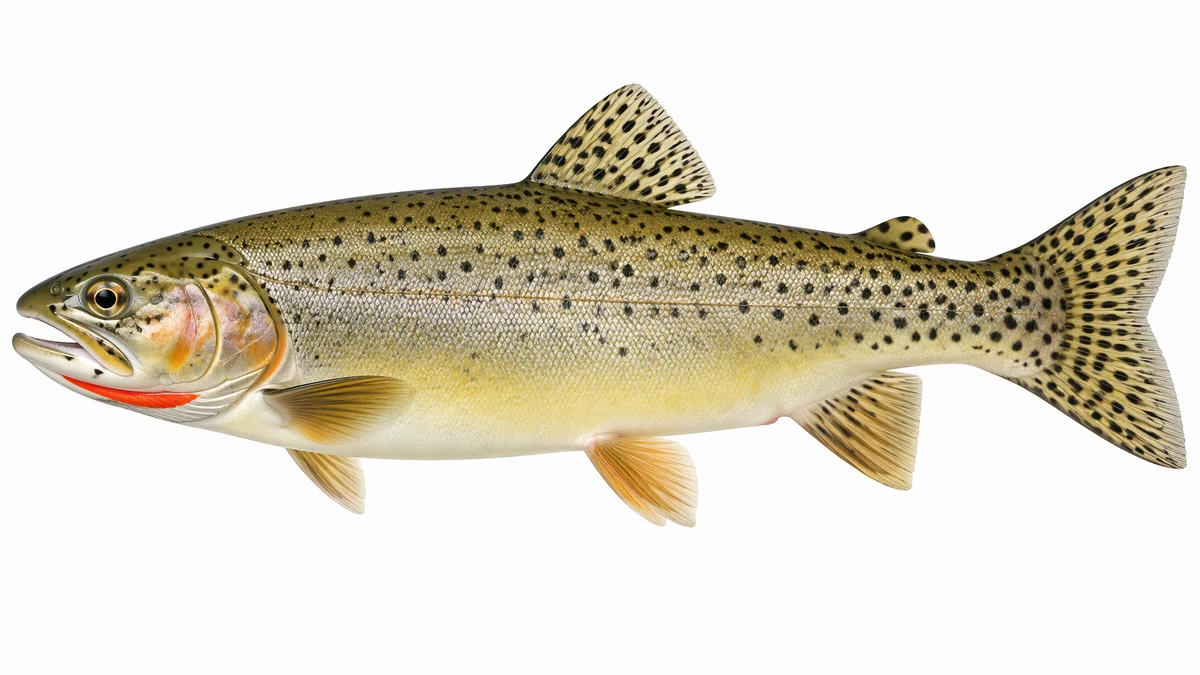
The cutthroat trout is the native trout of the American West, and the red slash under its jaw is one of the most reliable field marks in freshwater fishing. Learning how to catch cutthroat trout means learning to fish cold, clear, often remote water, and doing it gently, because many of these fish are native and some are barely holding on. In lightly fished water they are eager; in protected water they are a privilege to catch. This guide covers timing, tackle, bait, rigs, stream and lake tactics, regulations, and the handling that keeps native fish alive. Read the full Cutthroat Trout species profile for identification, subspecies, range, and behavior.
Best Time to Catch Cutthroat Trout
Cutthroat do best in roughly 45°F to 65°F (7–18°C) water. That range sets the season, and elevation sets the timing within it.
Late spring through fall is the main window. In the mountains, snowmelt keeps streams high and cold into June; fish the weeks after runoff drops, when the water clears and warms toward the 50s. Summer is prime for high-country lakes, where fish cruise shorelines and inlets and feed on insects and, in lakes, zooplankton. Fall brings cooler water and aggressive feeding before winter, and some populations spawn in fall. Winter is slow and limited; many high waters are snowed in.
Time of day matters. Cutthroat feed best in low light, so dawn and dusk are strong, and overcast days fish well all day. In clear, bright water, fish the riffles, the shade line, and the heads of pools. After a summer thunderstorm, a rising stream can turn the bite on once it clears; before it clears, it is usually muddy and poor. Watch the weather in the high country, because afternoon storms build fast.
Best Gear for Cutthroat Trout
Cutthroat are not tackle-shy, but the water is clear and often tight, so light gear wins.
| Component | Cutthroat trout-ready choice |
|---|---|
| Rod | 5–7 ft ultralight spinning rod; 4–6 wt fly rod |
| Reel | 1000–2000 size spinning reel with smooth drag |
| Main line | 4–6 lb monofilament or fluorocarbon; 3–5X tippet for flies |
| Hook | Size 8–14 bait hook or fly hook |
| Lures | 1/8 oz spinners, small spoons, micro crankbaits |
| Flies | Attractor dry flies, bead-head nymphs, small streamers |
| Extras | Split shot, strike indicators, polarised glasses, rubber net |
A short, light spinning rod handles brushy creeks, and a 4–6 wt fly rod covers everything from small dries to streamers in a lake. Fluorocarbon and light tippet matter in the clear water these fish live in. Polarised glasses are a tool, not a luxury: they let you spot the seam and the fish before you spook it. Bring a rubber-mesh net, because native fish deserve a clean release.
Best Bait for Cutthroat Trout
Cutthroat eat aquatic and terrestrial insects, crustaceans, worms, and small fish. Lake forms add zooplankton and baitfish, and big Lahontan fish turn predatory. The best bait depends on whether bait is legal, which in native water it often is not.
Natural bait is effective where allowed. A worm, a salmon egg, or a piece of shrimp drifted through a pool catches fish anywhere cutthroat live. In small streams, a single worm fished weightless is hard to beat.
Artificial lures cover water fast. Small spinners in the 1/8 oz range, tiny spoons, and micro crankbaits are the standard. In remote water, cutthroat strike them without much inspection.
Flies are the classic choice, and often the only legal one. Attractor dry flies, bead-head nymphs, and small streamers all work. In streams, a dead-drifted nymph or a small dry is deadly. In lakes, a chironomid or nymph under an indicator, or a streamer stripped along the drop-off, takes fish. In heavily fished water, cutthroat get cautious, and a drag-free drift with light tippet is the difference.
Cutthroat Trout Rigs
A cutthroat rig should present a small offering naturally in clear water.
Dry-fly dead drift. Tie a buoyant attractor dry to a 4–5X tippet and drift it drag-free over a seam or pool head. This is the purist's core presentation and often the most fun.
Dry-dropper. Tie the dry fly with 12–18 inches of tippet to a small bead-head nymph below it. The dry shows the take and catches fish; the nymph does the quiet work.
Spinner rig. Tie a 1/8 oz spinner to the line, or add a small swivel to cut twist. Cast upstream and across, and retrieve just fast enough to feel the blade turn.
Bait drift. Where legal, a small split shot above a size 8–10 hook with a worm or egg, drifted through a pool, is simple and effective. Keep the weight light so the bait tumbles naturally.
Lake indicator rig. Suspend a nymph or chironomid under an indicator at the depth where you mark fish, and let wind and current drift it along the drop-off.
How to Catch Cutthroat Trout, Step by Step
- Hike in and slow down. Many cutthroat waters are remote. Approach the bank quietly and look before you cast.
- Read the water. Fish hold in current seams, pool tails, undercut banks, behind boulders, and at the edges of cover. In lakes, work shorelines, inlets, and drop-offs.
- Stay low. Clear water and wary fish mean a low profile and no shadow across the pool. Wear drab colors.
- Cast upstream in streams. Present the fly or lure above the fish and let it drift down naturally. Downstream drag looks wrong.
- Get a drag-free drift. Mend the line or lift the rod to keep slack out without pulling the offering off its path.
- Watch for the take. Cutthroat often take softly. A stop, a flash, or a swirl is your cue.
- Set with a lift. A smooth sweep is enough; the mouth is soft.
- Release wet and fast. Wet hands, rubber net, minimal air time. In warm shallows, move the fish to cooler, deeper water and revive it before letting go.
Where to Catch Cutthroat Trout
Cutthroat need cold, clear, well-oxygenated water. Within that, they choose cover and current.
- Headwater streams and riffles. Small, cold streams hold native fish in pools, undercut banks, and behind boulders.
- Beaver ponds. Slow, cold water with structure is prime cutthroat habitat.
- Alpine and high-country lakes. Fish cruise shorelines, inlets, and drop-offs, especially in summer.
- Lake inlets and outlets. Cool, moving water draws fish, particularly around the spawn.
- Big western rivers. Larger fish hold in deep pools and around structure.
- Coastal streams. Coastal cutthroat can be anadromous, moving between fresh water and the sea.
The Yellowstone cutthroat story shows the stakes: Yellowstone Lake once held a huge native population before illegally introduced lake trout crashed it through predation on young cutthroat. Fish native water with respect, and expect remote hikes.
Cutthroat Trout Regulations and Safety
Rules are complex because cutthroat are managed subspecies by subspecies. Many native waters are catch-and-release only, with artificial-lure or single-hook rules. Some are closed entirely. Others allow limited harvest under a permit or tag. Where rainbows and cutthroat overlap, agencies may ask anglers to keep rainbows and cutbows to reduce hybridization.
A license is required, and some states add a trout stamp or a native trout permit. The authority is the agency that manages the water, whether that is a state fish and wildlife department, the National Park Service, or the U.S. Forest Service. Several subspecies are listed under the Endangered Species Act or managed as species of concern, so read the rules for the specific drainage before you go. Last verified: November 2025.
Safety is mostly about the setting. High-country water is cold and remote; carry layers, tell someone your plan, and watch for fast-building thunderstorms, lightning, and flash floods. Fish with a partner, and turn around before the weather does. Handle every fish as if it is the one that matters, because in a small native population it often is.
Common Mistakes and Cutthroat Trout Fishing Tips
- Spooking fish in clear water. Stand back, stay low, and fish the water before you wade it.
- Heavy tippet or line. Clear water demands 4–6 lb line and light tippet.
- Dragging the fly. A drag-free drift beats a fast retrieve. Mend the line.
- Assuming every trout is a cutthroat. Check the slash and the tongue teeth; cutbows show mixed marks.
- Keeping fish in native water. Many populations are fragile and protected. Check the rules.
- Fishing warm, low water. Above about 65°F, cutthroat are stressed. Fish early or leave them alone.
- Rough handling. Wet hands, rubber net, quick release, and revive fish in cooler water.
- Skipping the hike. The best cutthroat water is often the water most people will not walk to.
FAQ
What is the best time to catch cutthroat trout? Late spring through fall, when water sits in the 45–65°F range. Summer is prime for high-country lakes; fish dawn and dusk in clear, bright conditions.
What bait for cutthroat trout works best? Worms, salmon eggs, and small spinners where legal. In native water, artificial lures and flies are often required, so use attractor dries, nymphs, and 1/8 oz spinners.
What are the best cutthroat trout fishing techniques? Stay low, cast upstream, and drift small offerings naturally through seams and pool tails. In lakes, work inlets and drop-offs with a nymph under an indicator or a stripped streamer.
What is a good cutthroat trout rig? A dry-dropper for streams and a nymph under an indicator for lakes. Where bait is legal, a light split-shot drift with a worm or egg.
How big do cutthroat trout get? Stream fish run 6–16 inches. Lake and coastal fish grow larger. The historical record is a Lahontan cutthroat of about 41 pounds from Pyramid Lake, Nevada, in 1925; a 5–10 pound fish is a trophy today.
When do cutthroat trout spawn? Mostly in spring, from February through June depending on elevation, when water reaches the mid-40s to low 50s. Some populations spawn in fall.
The cutthroat trout is a reminder of what the West looked like before hatcheries and highways. Find the cold water, present something small and natural, and follow the rules that keep native fish in their home streams. That is how to catch cutthroat trout, and why the long hike is worth it.
Related Articles
- How to Catch Brook Trout — the native char of cold eastern streams.
- How to Catch Lake Trout — the deep-water char of northern lakes.
- How to Catch Rainbow Trout — the stocked trout that hybridizes with cutthroat.
- How to Catch Golden Trout — a brilliant native trout of California's high country.
- All species profiles
About the author and how this was tested
About the author
FishermanGuy
Bank, boat and kayak angler · fishing, crabbing and shrimping since 2021
I buy the gear, fish it for a season and write down what failed. No sponsored verdicts, no free-sample flattery. Every rig on this page has landed fish in water I can point at on a map.
How this was tested
- Every rig gets at least six trips on the same water before it is published.
- Gear is bought at retail. Free samples are labelled in the first paragraph.
- Dates show first publication and the last time the page was updated.