Field notes
How to Catch Bowfin: Rigs for a Hard-Fighting Native
How to Catch Bowfin
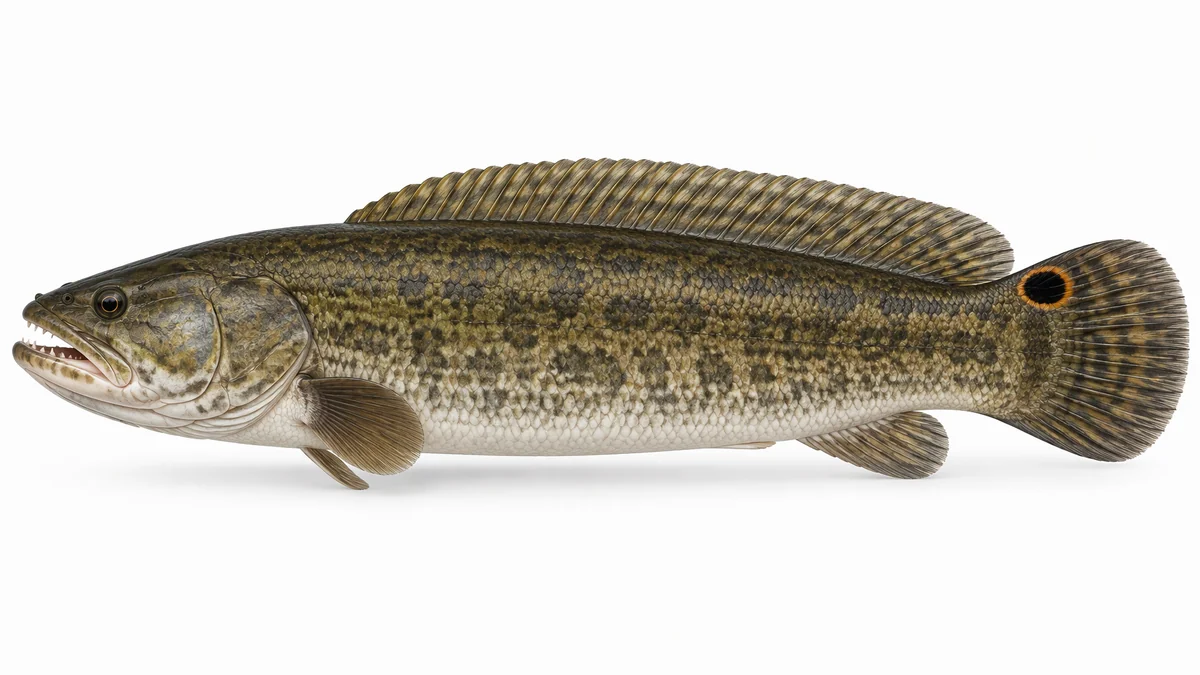
The bowfin is a living fossil that still patrols the swamps and backwaters of eastern North America, and few native freshwater fish fight harder pound for pound. Its lineage reaches back to the Jurassic, and it looks the part: a long, muscular body, a dorsal fin that runs most of its back, and a mouth full of teeth. If you want to know how to catch bowfin, the good news is that they are eager and aggressive; the challenge is landing them on gear strong enough for their bony mouths and savage strikes. This guide covers timing, gear, the best bait for bowfin, rigs, technique, and the handling that keeps both fish and angler safe. Read the full Bowfin species profile for identification and biology.
Best Time to Catch Bowfin
Bowfin are warm-water fish that tolerate heat and low oxygen better than most predators. They stay active from about 60°F to 85°F (16–29°C), which covers late spring through fall across most of their range.
Spring is the best time to catch bowfin, because it lines up with the spawn. From April into June, when water reaches about 60–70°F (16–21°C), males clear nests in shallow vegetation and guard the eggs and fry aggressively. A male on a nest strikes at almost anything that comes close, which makes spring both the easiest time to catch a bowfin and the most important time to release one quickly.
Summer keeps fish active in warm backwaters, and feeding is strongest in low light and warm water. In hot, low-oxygen conditions, you may see fish rolling and gulping at the surface at dawn and dusk. Fall remains productive as fish feed before winter. Winter slows them down, but bowfin stay catchable in deeper holes and channels longer than most species.
Low light matters. Bowfin hunt by ambush and by cruising through weed cover, and dawn, dusk, and night are prime. Overcast, humid days with rising water are especially good, because fish push into freshly flooded cover.
Best Gear for Bowfin
Bowfin are not tackle-shy, but they are tackle-breakers. A bony mouth, a powerful body, and a habit of diving into cover mean you need gear with backbone and line that will not fray away.
| Component | Bowfin-ready choice |
|---|---|
| Rod | 6.5–7.5 ft medium-heavy to heavy casting or spinning rod |
| Reel | 300–400 size baitcaster or 4000 size spinning reel with a strong drag |
| Main line | 20–30 lb braid, or heavy monofilament in open water |
| Leader | Heavy fluorocarbon or wire if teeth are a concern |
| Hook | Strong offset or circle hook, size 3/0 to 5/0 |
| Extras | Long-nose pliers, jaw grip or wet glove, net, hook cutters |
Braid is the practical choice. It cuts through vegetation, has little stretch for solid hooksets, and resists the abrasion that a bowfin's bony jaws and rough cover cause. A heavy fluorocarbon leader adds abrasion resistance near the hook. Carry long-nose pliers and a jaw grip: bowfin have sharp, brush-like teeth and strong jaws, and you do not want fingers near the mouth.
Do not fish bowfin on ultralight tackle unless you are ready to lose fish. Light line makes for a long fight that exhausts the fish and often ends in a break-off in the weeds.
Best Bait for Bowfin
Bowfin are opportunistic ambush predators. What do bowfin eat? Fish make up most of the adult diet, including sunfish, shiners, bullheads, and other bowfin. Crayfish are a major food source, especially for smaller fish. Bowfin also eat frogs, insects, snakes, turtles, mice, and just about anything that moves and fits in the mouth.
- Live and cut bait. Live or cut bait, including panfish and bullheads where legal, is a top bowfin bait fished near cover.
- Nightcrawlers. A big worm on a heavy hook is simple and effective, especially around weeds and brush.
- Crayfish. Live crayfish match a major part of the bowfin diet and work well near rocky or woody cover.
- Soft-plastic swimbaits. A paddle-tail swimbait rigged weedless covers water and triggers aggressive strikes.
- Topwater frogs. Hollow-body frogs fished over weed mats draw explosive surface strikes at dawn and dusk.
- Spinnerbaits and crankbaits. These bass-style baits catch plenty of bowfin, often as bycatch in weedy water.
When anglers ask what bait for bowfin works best, the answer is anything that looks alive near cover. Bowfin are not subtle. A weedless swimbait or a chunk of cut bait fished slowly around a weed edge will get bit. Match the bait to the cover: weedless plastics in heavy vegetation, cut bait in open pockets and channels.
Bowfin Rigs for Weeds and Backwaters
Three rigs cover most bowfin situations, from thick weed mats to open channel edges.
Texas-rigged swimbait. A weedless-rigged paddle-tail swimbait with a heavy offset hook and a pegged weight slips through cover and sets up for a solid hookset. This is the best all-around bowfin rig in weedy water.
Cut-bait rig. A circle or offset hook with cut bait and enough weight to hold bottom near cover. Let it sit, check it, and be ready for a violent take. Circle hooks improve hook-up and release.
Topwater frog rig. A hollow-body frog on braid, fished over weed mats and slop. Fish it slowly with pauses, and wait a beat before setting the hook so the fish takes the bait fully.
Keep the hook strong and sharp. A bowfin's jaws are tough, and a light wire hook can bend or fail under the pressure needed to turn a fish away from cover. Re-tie after any fish that reaches the weeds.
How to Catch Bowfin, Step by Step
- Find warm, weedy cover. Target weed mats, sunken logs, root tangles, and shaded banks in slow backwaters.
- Fish the edges and holes. Bowfin ambush from cover. Work the edges of weed beds and any open pockets.
- Cast past the target. Bowfin are curious and will follow. Land the bait beyond the spot and bring it through.
- Work the bait slowly and deliberately. Crawl a swimbait, twitch a frog, or let cut bait sit. Do not rush it.
- Wait for the take. Bowfin often strike hard but may hold the bait. With frogs, pause a beat before setting the hook.
- Set the hook hard. Drive a strong hook into a bony mouth with a firm, sweeping hookset, then keep the rod loaded.
- Keep the fish out of cover. Turn the fish quickly and use side pressure to steer it away from logs and weeds.
- Net, control, and release. Net the fish rather than lifting it by the line, control the head with a jaw grip, and unhook with pliers.
The most common failure is a weak hookset or a rod that cannot turn the fish. Bowfin head straight for cover, and if you cannot stop them, the fight ends in a snag.
Where to Catch Bowfin
Bowfin are native to eastern North America, from the Great Lakes and the St. Lawrence River system south through the Mississippi River drainage to the Gulf Coast, and along the Atlantic coastal plain. They live in slow, warm, weedy water.
- Swamps and bayous. These are home water, full of cover and low in oxygen, where bowfin thrive.
- Oxbow lakes and sloughs. Still, weedy backwaters off main rivers hold fish year-round.
- Backwater channels. Current breaks and connected channels give fish a place to feed and retreat.
- Shallow lake bays. Weed mats, lily pads, and sunken timber in bays hold bowfin through the warm months.
- Shaded banks and logjams. Cover matters more than depth. Fish anywhere shade and structure meet the water.
During high water, bowfin spread into flooded timber and marsh. When the water drops, they pull back to deeper holes and channels. In hot, low-oxygen summer conditions, watch for fish rolling and gulping at the surface at dawn and dusk, and fish those areas.
Bowfin Regulations and Safety
Regulations are usually light because bowfin are classified as rough fish or unprotected in many states. Some states set daily limits, and a few give bowfin game-fish status or protect them during the spawn. Bowfin are also a bowfishing target in some areas, and bowfishing rules can differ from rod-and-reel rules.
Because bowfin are native and ecologically important, many anglers release them even where harvest is legal. If you plan to keep one, check your state's rules first. The agency that manages the water is the authority: for example, the state Department of Natural Resources or fish and wildlife commission. Last verified: November 2025.
Handling safety is important. Do bowfin have teeth? Yes: the mouth is lined with sharp, brush-like teeth, and the jaws are strong enough to crush a crayfish. A hooked fish can bite down on a thumb or rake a hand. The bowfin is not venomous and has no spines, but it can cut you. Grip the fish firmly behind the head and support the body with a wet glove or jaw grip, keep fingers clear of the mouth, and use pliers to remove hooks. Net the fish instead of lifting it by the line.
Common Mistakes and Bowfin Fishing Tips
- Light line. Bowfin will fray and break light line in cover. Use 20–30 lb braid.
- Weak hookset. A bony mouth needs a firm, sweeping hookset. A timid set fails.
- Lifting by the line. A heavy bowfin will tear off or break the line. Net it.
- Fingers near the mouth. Brush-like teeth cut. Use a jaw grip and pliers.
- Fishing open water only. Bowfin relate to cover. Fish the weeds, logs, and shade lines.
- Rushing the retrieve. Bowfin often follow before committing. Slow down around cover.
- Ignoring surface activity. Rolling and gulping fish signal low oxygen; those areas still hold feeding fish at dawn and dusk.
- Killing a native fish by mistake. Bowfin are native and should be released, unlike invasive snakeheads. Know the difference.
A few extra bowfin fishing tips help on tough days. In clear water, you may see a fish follow a lure and turn away, so change speed or size. In muddy water, slow down and fish cut bait by scent. And because bowfin are tough and survive handling well, a quick release with wet hands is easy and protects the fishery.
FAQ
What is the best time to catch bowfin? Spring through fall, with the spawn window around 60–70°F (16–21°C) the easiest stretch. Low light at dawn, dusk, and night is best, especially in warm summer water.
What bait for bowfin works best? Cut and live bait, nightcrawlers, and crayfish near cover, plus weedless swimbaits, frogs, spinnerbaits, and crankbaits. Match the bait to the cover you are fishing.
What are the best bowfin fishing techniques? Fish warm, weedy backwaters and work the edges slowly. Set the hook hard, keep the fish out of cover, and net it rather than lifting it by the line.
What is the best bowfin rig? A Texas-rigged weedless swimbait for heavy cover, or a cut-bait rig with a circle hook near channels. Strong hooks and 20–30 lb braid are essential.
Where can you catch bowfin? Slow, weedy, warm water: swamps, bayous, oxbows, sloughs, backwater channels, and shallow lake bays across eastern North America, from the Great Lakes to the Gulf Coast.
How big do bowfin get? Most adults are 15–25 inches and 1–3 pounds. Fish over 28 inches and 8 pounds are trophies, and the species can reach about 3 feet and nearly 10 kg in exceptional cases.
The bowfin has outlasted dinosaurs, ice ages, and the draining of half its wetlands. It is native, tough, and worth releasing. Treat it as a sport fish, handle it with respect, and it will keep surprising you. That is how to catch bowfin, and why this living fossil deserves a place on any backwater angler's list.
Related Articles
- How to Catch Muskellunge — another big, toothy ambush predator of northern waters.
- How to Catch Pumpkinseed — a panfish that shares weedy backwaters.
- How to Catch Yellow Perch — a cool-water fish from the same slow-water edges.
- Bowfin species profile — identification, habitat, and biology.
- All species profiles
About the author and how this was tested
About the author
FishermanGuy
Bank, boat and kayak angler · fishing, crabbing and shrimping since 2021
I buy the gear, fish it for a season and write down what failed. No sponsored verdicts, no free-sample flattery. Every rig on this page has landed fish in water I can point at on a map.
How this was tested
- Every rig gets at least six trips on the same water before it is published.
- Gear is bought at retail. Free samples are labelled in the first paragraph.
- Dates show first publication and the last time the page was updated.