Field notes
How to Catch Nurse Shark: Rigs, Bait and Handling
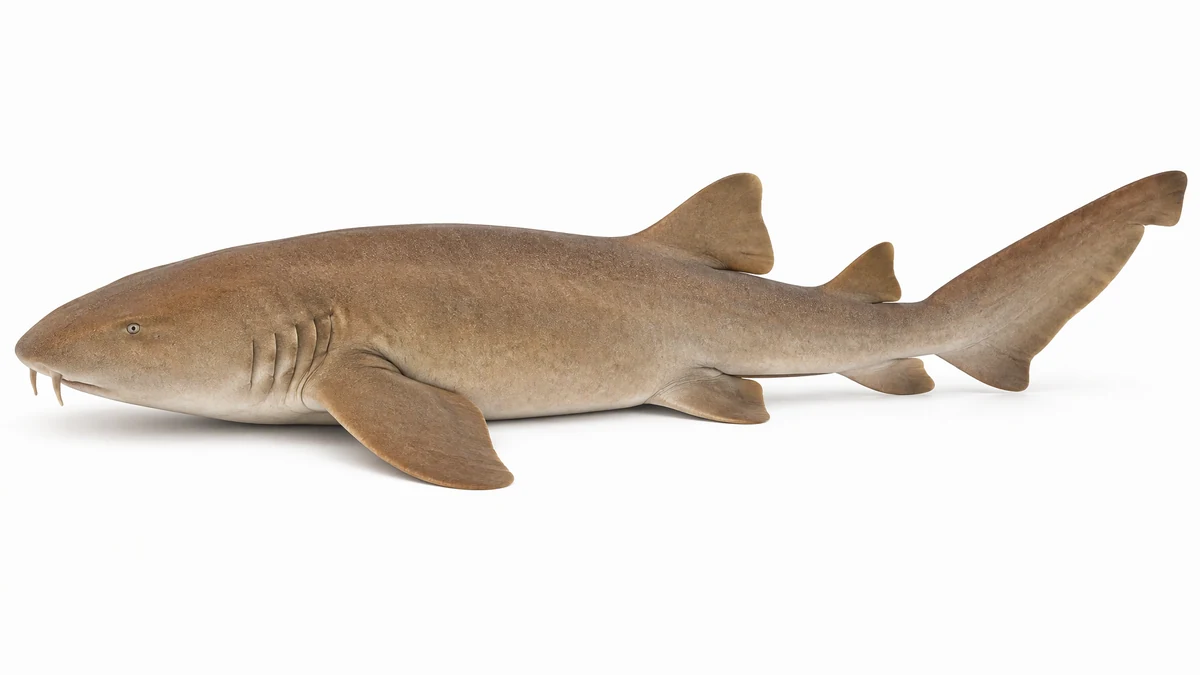
How to Catch Nurse Shark
The nurse shark looks like the easiest shark in the sea to catch. It sits motionless on the bottom all day, it is common on shallow reefs, and it feeds by sucking crabs and lobster out of holes. In practice, a hooked nurse shark is a stubborn, heavy, structure-loving animal that can wedge itself into a ledge in seconds and clamp onto a hand if you handle it badly. It is also protected across much of its range, which changes the whole point of fishing for one. This guide covers how to catch nurse shark, from night bottom rigs and bait to the handling that keeps both fish and angler safe. Read the full Nurse Shark species profile for identification, biology and regulations.
Best Time to Catch Nurse Shark
Nurse sharks are nocturnal. During the day they rest under ledges, in caves, and in loose piles on the sand, often returning to the same spot for years. At night they become active and hunt along reef edges and sand flats, which is when a bait on the bottom gets noticed.
The best time to catch nurse shark is after dark, on a moving tide, in warm water. The species is tropical and subtropical, most comfortable above roughly 20°C (68°F). In the Bahamas and the Florida Keys they are a year-round fixture; in the northern Gulf they are a summer visitor and become scarce when the water cools.
Fish the first few hours of the falling tide, when scent from the reef is drawn out into open water and sharks begin to move. A calm, warm night with some current is better than a bright, windless one. In the tropics, any month works. At the edge of the range, target the warmest months and the warmest water you can find.
Best Gear for Nurse Shark
Nurse shark tackle has to do two things at once: control a powerful bottom fish and keep it away from reef. That means heavy line and a rod with real lifting power. Around structure, 50- to 80-pound class is reasonable.
| Component | Nurse shark-ready choice |
|---|---|
| Rod | 6.5–7.5 ft heavy conventional or stout spinning, 50–80 lb class |
| Reel | 6/0 conventional or large spinning reel with a smooth, locked-down drag |
| Main line | 300+ yards of 65–80 lb braid |
| Leader | 6–8 ft of 100–150 lb mono, or a short wire bite trace |
| Hook | 8/0 to 10/0 non-offset circle hook |
| Sinker | 6–12 oz to hold bottom in current |
| Extras | Long dehooker, bolt cutters, heavy gloves, wet towel, headlamp |
The reel matters. A nurse shark will take line in a slow, deliberate surge and then head for the nearest hole. You need a drag that can apply pressure without shocking the leader, and enough line capacity to stop a run in open water. A conventional reel with a lever drag gives you both.
The leader should be long enough to wrap a gloved hand around and thick enough to survive coral and rock. Wire is useful where other toothy sharks are present, but it is not a substitute for heavy mono against structure. Carry bolt cutters at all times. Cutting a hook is often the fastest way to release a nurse shark that has swallowed the bait.
Best Bait for Nurse Shark
The best bait for nurse shark is fresh, oily and tough: a chunk of bonito, mullet, jack or barracuda, a whole cracked blue crab, or a lobster tail. All of these match the species' natural diet of crustaceans, mollusks and bottom fish.
- Fresh fish chunks. A palm-sized chunk of bloody fish sends scent through the current and stays on a circle hook through a long soak.
- Whole crab. Crack the shell so the scent escapes, and hook it through a leg joint. Crab is a natural nurse shark food and survives small pickers.
- Lobster or shrimp. A lobster tail or a cluster of large shrimp is a premium bait around reef.
- Squid. Convenient and tough, but less oily than fish. Use it as a cocktail with a fish strip.
- Stingray or ray wing. A durable bait that nurse sharks will take, though it is bulky to cast.
Lures are not part of the plan. Nurse sharks are scent and suction feeders that hunt in the dark. A noisy plug or a soft plastic is unlikely to interest one, and the fish's small mouth makes a big lure a poor hooking proposition anyway.
When someone asks what bait for nurse shark works best, the answer is fresh local seafood, not a tackle-shop novelty. Bring a mix: one fish bait and one crab bait. Let the sharks tell you which they prefer on the night, and keep the bait cool and covered between soaks.
Nurse Shark Rigs
A nurse shark rig is a heavy bottom rig built around a circle hook and a leader that can handle rock. This is the standard setup for reef edges, channels and wrecks.
- Braid to leader. Join 65–80 lb braid to 6–8 feet of 100–150 lb mono with an FG or slim beauty knot. If toothy sharks are around, add 12–18 inches of wire at the hook.
- Add the weight. Thread a 6–12 oz egg sinker above a heavy swivel, or use a three-way swivel with a short sinker dropper. The goal is to hold bottom without anchoring the bait rigidly.
- Tie the hooklength. Use 18–24 inches of heavy mono and finish with an 8/0 to 10/0 non-offset circle hook.
- Bait up. Hook a fish chunk once through the jaw, or a crab through a leg joint, leaving the hook point clear.
- Fish it on the bottom. Lower the bait until you feel the lead touch down, then tighten just enough to keep contact. Keep the rod in a holder with the clicker on.
For a wreck or reef with heavy cover, a simpler running ledger is better than a paternoster: less hardware means fewer snags and a faster release. For open sand, a fish-finder rig lets the shark move off with the bait before it feels weight. Avoid multi-hook rigs. They increase handling time, and a nurse shark does not need a choice of entrees.
How to Catch Nurse Shark, Step by Step
- Confirm the rules. Nurse sharks are protected in much of their range. Check federal, state and local regulations before you target one.
- Pick a night spot. Anchor uptide of a reef edge, wreck, channel or ledge, in water shallow enough to fish the bottom but deep enough to hold fish.
- Lay a scent trail. Lower a fresh bait on the bottom and keep it there. Nurse sharks hunt by smell; a steady soak beats constant recasting.
- Wait for the load. The take is usually a heavy, deliberate pull rather than a screaming run. Do not strike on the first tap.
- Come tight and turn the fish. Reel down until the line is solid, then apply steady pressure to lift the shark away from the reef. Turn it early, before it reaches a hole.
- Fight low and hard. Keep the rod low, use the drag, and do not give line unless the fish is running into open water. A nurse shark is strong but not fast.
- Bring it alongside. Keep the fish in the water. Do not lift a big nurse shark by the tail, gills or head.
- Release it. Hold the leader with gloved hands, keep the head submerged, and use a long dehooker or cut the leader close to the hook. Support the body if you must measure it, then hold it upright until it swims away.
The critical moment is the first ten seconds after the hookset. A nurse shark that reaches a ledge can wedge itself in and be impossible to move without harming it. Put the rod to work immediately and steer the fish into open water.
Where to Catch Nurse Shark
Where to catch nurse shark is a question of shallow structure. The species favours coral reefs, rock ledges, shipwrecks, sea grass beds, sand flats and mangrove edges, usually in less than 40 feet of water, though it can descend to about 130 feet.
- Reef edges. Fish the sand just off the coral, where sharks hunt at night without risking their skin.
- Wrecks and ledges. Structure holds lobster and crab, and nurse sharks know it. Fish uptide and pull fish away from the metal.
- Channel mouths. Tidal flow carries scent and bait, and sharks wait in the slack water.
- Sea grass and sand flats. Night-feeding sharks patrol the edges of the grass.
- Mangrove edges. Juveniles use these nurseries; adults move along the adjacent flats.
From shore, focus on passes, jetties and channels with bottom structure within casting range. From a boat, anchor uptide and fish the down-current side of the reef. Nurse sharks are strongly site-faithful, so a spot that holds fish usually holds them again. That is also a reason not to hammer the same small area every night.
Nurse Shark Regulations and Safety
This is the most important section in this guide. The nurse shark is assessed as Vulnerable on the IUCN Red List, and it is protected across much of its range.
In U.S. Atlantic federal waters, the nurse shark is a prohibited species under NOAA's Highly Migratory Species rules and cannot be retained; it must be released unharmed. Florida also prohibits harvest in state waters. The Bahamas has protected all sharks since 2011. Elsewhere, rules vary by country and enforcement is uneven, which is why the species still appears in markets. Treat every nurse shark as a release fish, and check current NOAA, state and local rules before you fish. Last verified: November 2025.
Handling safety deserves equal weight. Nurse sharks bite, and they bite more often than their sleepy reputation suggests, almost always after being grabbed, stepped on or pulled by the tail. They have a small mouth, strong suction and rows of small, saw-like teeth that clamp and hold. Pry a 200-pound shark off a hand and you will understand why dive operators warn against touching resting animals.
Keep your hands away from the mouth, never corner a shark in a cave, and never pull one out of the water by its tail. On deck, use a long dehooker and cut the leader if the hook is deep. In the water, support the body rather than lifting by the gills. A nurse shark is not a man-eater, but it is not a pet either.
Common Mistakes and Nurse Shark Tips
- Fishing light around reef. Fifty-pound tackle is a minimum. A nurse shark in a ledge will beat lighter gear.
- Letting it reach cover. Turn the fish in the first few seconds, or you may never move it.
- Striking too early. The take is slow. Let the line come tight before you lean into it.
- Beaching the fish. Sand and air damage sharks. Keep it in the water.
- Grabbing the tail. This is the most reliable way to get bitten. Hold the leader, not the fish.
- Keeping one. In most of its range, retention is illegal. Plan on release from the start.
- Fishing the same ledge every night. Site fidelity is strong, but pressure adds up.
- Ignoring the tide. A dead tide means no scent trail. Fish moving water.
A few nurse shark fishing tips help on a slow night. Fish the down-current side of structure, where scent accumulates. Use a crab bait when small fish are stripping fish chunks. Keep the bait pinned to the bottom; a nurse shark is not going to rise 20 feet for a snack. And watch the rod tip rather than the water, because the take is often a subtle load rather than a run.
FAQ
What is the best time to catch nurse shark? After dark, on a moving tide, in warm water above roughly 20°C (68°F). Summer is best at the northern edge of the range, and tropical areas fish year-round.
What bait for nurse shark works best? Fresh fish chunks, whole cracked crab, lobster tail or shrimp. Crab and lobster match the species' natural diet, and fresh bait beats frozen.
What are the best nurse shark fishing techniques? Fish a heavy bottom rig uptide of reef or a wreck, wait for the slow load, then turn the fish early and keep it out of cover. Release it in the water.
What is the best nurse shark rig? A heavy running ledger or fish-finder rig with 100–150 lb leader, a 6–12 oz sinker and an 8/0–10/0 non-offset circle hook.
Where can you catch nurse sharks? Shallow reefs, ledges, wrecks, sea grass and sand flats, usually in less than 40 feet of water. Fish the sand edges rather than the coral itself.
Can you keep a nurse shark? In U.S. Atlantic federal waters and Florida state waters, no. Nurse sharks are protected from harvest, and the Bahamas has protected all sharks since 2011. Rules vary elsewhere; check before you fish.
Related Articles
- How to Catch Lemon Shark — the other shallow-water shark of the same Atlantic nursery grounds.
- How to Catch Atlantic Cod — a cold-water bottom fish with a very different fight.
- Nurse Shark species profile — identification, habitat, diet and biology.
- All species profiles
The nurse shark is a strange combination: a docile-looking bottom fish with a serious bite, a suction feeder that can empty a lobster hole, and a protected species across much of its range. Learn to find it at night, use tackle that can turn it away from reef, and handle it as little as possible. That is how to catch nurse shark responsibly, and how to make sure the ledge you fish still has sharks on it next year.
About the author and how this was tested
About the author
FishermanGuy
Bank, boat and kayak angler · fishing, crabbing and shrimping since 2021
I buy the gear, fish it for a season and write down what failed. No sponsored verdicts, no free-sample flattery. Every rig on this page has landed fish in water I can point at on a map.
How this was tested
- Every rig gets at least six trips on the same water before it is published.
- Gear is bought at retail. Free samples are labelled in the first paragraph.
- Dates show first publication and the last time the page was updated.