Field notes
How to Catch Turbot: Drifting Rigs and Bottom Baits
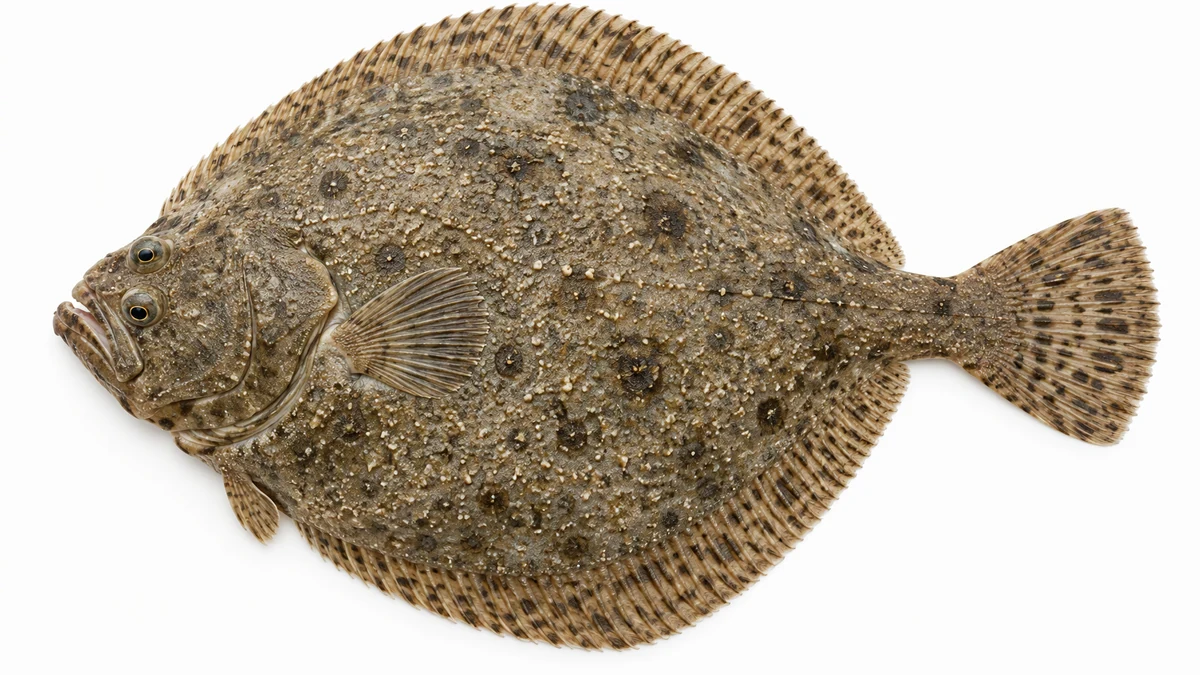
How to Catch Turbot
Turbot is the flatfish that chefs fight over and anglers frame photos of. It is round as a dinner plate, covered in bony bumps, camouflaged like a patch of seabed, and worth more per kilo than almost any other fish in European waters. It is also an ambush predator that sits on sand and gravel waiting for a sandeel to drift too close, which tells you most of what you need to know about catching one. This guide covers how to catch turbot, from drifting the banks on a running tide to the shore tactics that work after dark. Read the full Turbot species profile for identification, range and biology.
Best Time to Catch Turbot
Turbot are cool-water fish, comfortable from about 7 to 18°C. They move into shallower water in summer and out to deeper water in winter, and the best offshore fishing in the southern North Sea and the Channel runs from late spring through autumn, when fish feed hard on the banks.
The best time to catch turbot is on a running tide, in low light, over clean sand or gravel. Turbot are ambush predators, and they sit on the down-current side of a bank or rise, waiting for sandeels and small fish to be swept past. A tide that is moving steadily is better than slack water; a tide that is ripping is harder to fish.
Dawn and dusk are good, and overcast days often beat bright sun. In summer, the longest days and warmest water bring fish onto the shallower banks. In autumn, fish feed heavily before moving deeper for winter. Shore anglers do best at night from beaches and estuaries, mostly in the west of Europe, where the fish are smaller on average but still worth the trip.
Best Gear for Turbot
Turbot gear sits between light inshore tackle and heavy cod gear. You need enough power to lift a broad, heavy flatfish off the bottom, but finesse enough to feel a soft take.
| Component | Turbot-ready choice |
|---|---|
| Rod | 6.5–7.5 ft boat rod, 12–20 lb class, sensitive tip |
| Reel | Lever-drag or star-drag multiplier with 250+ yards capacity |
| Main line | 30 lb braid for feel and low drag |
| Leader | 3–6 ft of 50–60 lb mono as a flowing hooklength |
| Hook | 6/0 to 8/0 circle or wide-gap hook |
| Weight | 6–12 oz, just enough to hold bottom on the drift |
| Extras | Boom, net, wet towel, grip, spare traces |
A sensitive rod tip is the most important feature. A turbot's take is often a soft, heavy load rather than a thump, and a stiff rod masks it. Braid helps you feel the bottom and the bite, while a long mono hooklength gives the bait movement and a little shock absorption.
Carry a net and a wet towel. A big turbot is heavy and powerful, and lifting one by the head or gill cover is a good way to hurt the fish and your hand. Support the body, keep the fish low, and use the net when the sea is running.
Best Bait for Turbot
The best bait for turbot is a big, fresh, smelly cocktail fished on the bottom. Squid, sandeel and mackerel strip are the classic trio, and combining them gives scent, bulk and movement.
- Squid. Tough and oily, and it stays on the hook through a long drift. A whole small squid or a strip of mantle is ideal.
- Sandeel. The natural prey. A whole sandeel on a 6/0 hook is hard to beat on clean ground.
- Mackerel strip. Fresh and bloody, and it releases scent quickly in the tide.
- Cocktail baits. Squid wrapped around a sandeel, or a mackerel strip with a squid collar, gives the best of everything.
- Crab and shrimp. Useful around mixed ground, though less durable in a fast drift.
- Soft plastics and jigs. Heavy soft plastics or lead-headed shads dragged slowly across sand work when turbot are actively feeding on sandeels.
What bait for turbot works best depends on the ground. On clean sand, a whole sandeel or a sandeel-and-squid cocktail is the standard. On rougher ground, squid and mackerel survive better. Keep the bait big; a turbot has a wide mouth and is used to swallowing prey whole.
Lures are a genuine option, not a compromise. A large paddle-tail or a sandeel imitation bounced along the bottom can outfish bait on a bright day, especially when fish are aggressive. Carry both and let the fish decide.
Turbot Rigs
The turbot rig is a flowing trace, designed to let a big bait move naturally in the tide while keeping the lead in contact with the bottom.
Flowing trace (the standard).
- Tie 30 lb braid to a heavy snap swivel.
- Clip on a boom, or slide a bead above the swivel, to keep the lead away from the hooklength.
- Tie a 3–6 foot length of 50–60 lb mono to the swivel.
- Finish with a 6/0 to 8/0 hook and a large cocktail bait.
- Add a 6–12 oz lead heavy enough to hold bottom but light enough to lift and reset on the drift.
The long hooklength is the key. It lets the bait rise and fall with the tide, which is exactly how a sandeel behaves. A short, stiff trace makes the bait look dead.
Running ledger (shore). For beaches and estuaries, thread a 2–4 oz lead on the main line above a swivel, add a 3–4 foot hooklength and a big bait. Cast uptide and let the lead roll with the surf. A long rod keeps the line above the waves.
Jig or soft plastic. A 30–60 g lead head with a large shad or sandeel imitation, dragged slowly across sand, covers water and finds feeding fish. Keep the rod tip low and the retrieve slow.
On a drifting boat, the lead should just tick the bottom. If it is snagging constantly, go lighter or shorten the drift. If you cannot feel the bottom, go heavier.
How to Catch Turbot, Step by Step
- Find a bank. Look for sand or gravel rising from deeper water, especially the down-current edge where bait collects.
- Set the drift. Line the boat up so the drift takes the bait across the bank, not along it. Note the wind and tide.
- Get down. Lower the rig until the lead touches, then lift a turn or two so the bait fishes just above the seabed.
- Work the drift. Keep the rod tip low and the line tight. Let the boat do the movement; do not over-work the bait.
- Watch for the take. A turbot bite is often a soft, heavy pull or a rod tip that slowly loads and stays down.
- Give it time. Big flatfish often hold the bait before swallowing. Resist the urge to strike immediately.
- Lift steadily. A smooth, firm lift sets the hook. A hard swing pulls the bait out of a soft mouth.
- Fight with pressure, not pumping. A turbot uses its broad body to resist being lifted. Keep the rod bent and wind steadily.
- Net and handle. Net the fish, support the body with wet hands, and keep fingers away from the gill covers.
The most common failure is striking too early. A turbot that feels tension will let go. Wait until the rod stays loaded and the fish is moving away, then lift. On a drift, the boat's movement often hooks the fish against the lead, so a steady lift is usually all that is needed.
Where to Catch Turbot
Where to catch turbot is the sandy and gravelly seabed of the northeast Atlantic, from Iceland and Norway down through the North Sea, the English Channel, and the Atlantic coast of France and Spain, into the Mediterranean and the Black Sea. The Baltic holds a population too, though low salinity keeps those fish smaller.
- Sandbanks and gravel banks. The classic turbot ground. Fish the edge where the bank drops into deeper water.
- Tide lanes and drift lines. Turbot sit on the down-current side of a rise and wait for food.
- Mixed ground. The edge where sand meets rock or weed holds fish, but expect snags.
- Estuaries and shallow bays. Juveniles use these areas; adults move through on the tide.
- Beaches at night. Shore anglers in western Europe catch turbot after dark, especially in autumn.
Most fishing happens between 20 and 100 metres, with the biggest fish usually deeper. Turbot are less tied to wrecks than cod, but they will use any hard edge that concentrates bait. Drift rather than anchor; the movement of the bait is part of the appeal.
Turbot Regulations and Safety
Turbot is a high-value fish, and the rules reflect that. Under EU and UK rules, the minimum conservation reference size for turbot is generally 30 cm (about 12 inches) in the North Sea and many adjacent waters, but Baltic and other areas can differ. ICES assesses North Sea and Skagerrak turbot and sets advice on catches, while recreational rules, bag limits and closed areas are set by national authorities.
As of 2025, check the current rules before you keep a turbot. In England, the Marine Management Organisation (MMO) and CEFAS publish sizes and closures; Marine Scotland covers Scottish waters; the relevant EU member state authority covers the rest. Illegal keeping is taken seriously, and a fish that looks marginally legal on the deck may not be. Measure it. Last verified: November 2025.
Safety is mostly about the boat. Turbot are caught offshore, often in a swell, often in cold weather. Wear a life jacket, keep the deck clear, and handle a swinging lead with care. A 15-pound turbot on light tackle can thump hard enough to bruise a wrist if you grab the trace instead of the fish. Use a net or a wet cloth, support the body, and never lift a heavy flatfish by the head alone. The gill covers are sharp enough to remind you.
Common Mistakes and Turbot Tips
- Striking too early. The soft take is the bite. Wait for the rod to load, then lift steadily.
- Bait too small. A turbot has a wide mouth. Use a big cocktail, not a cocktail-sized snack.
- Fishing slack water. Turbot ambush in moving water. Fish the tide.
- Lead too heavy. If the lead drags and snags, the bait is not moving naturally. Go lighter.
- Fishing the top of the bank. Fish the down-current edge and the drop-off, not the shallow crown.
- Short hooklength. A stiff, short trace kills the sandeel action. Use 3–6 feet of mono.
- Lifting by the head. Support the body or use a net. Gill covers cut.
- Keeping a marginal fish. Measure against the current size limit and release anything close.
A few turbot fishing tips for slow days: change the drift angle before you change the bait; fish the edge of the bank rather than the middle; and try a big soft plastic when the bait is ignored. On bright, calm days, lengthen the hooklength and slow the drift. On rough days, use a heavier lead and keep the bait pinned. If you find one turbot, work the same drift again; they hold their own patch of seabed.
FAQ
What is the best time to catch turbot? Late spring through autumn on the offshore banks, on a running tide and in low light. Shore anglers do best at night in autumn.
What bait for turbot works best? A fresh cocktail of squid, sandeel and mackerel strip. Big soft plastics and sandeel imitations work when fish are actively feeding.
What are the best turbot fishing techniques? Drift the sandbanks with a flowing trace, keep the lead just on the bottom, and let the bait move with the tide. Give the fish time to take, then lift steadily.
What is the best turbot rig? A flowing trace with a 3–6 foot, 50–60 lb mono hooklength, a 6/0–8/0 hook and a 6–12 oz lead. A running ledger works from the shore.
Where can you catch turbot? Sand and gravel banks in 20–100 m of water, from Iceland and Norway to the North Sea, the Channel, France, Spain, the Mediterranean and the Black Sea.
How big do turbot get? Most rod-caught fish are 2–9 pounds. A 15-pound fish is a trophy, and the species maximum is about 1 m and 25 kg (55 lb), according to FishBase.
Related Articles
- How to Catch Atlantic Cod — another heavy European bottom fish.
- How to Catch Atlantic Herring — a forage fish that turbot and their prey depend on.
- How to Catch Summer Flounder — a flatfish tutorial for anglers on the other side of the Atlantic.
- Turbot species profile — identification, habitat, diet and records.
- All species profiles
Turbot is a fish of patience and tide. Find the sandbanks, fish the drift, and use a bait that looks like a sandeel. The take is soft, the fight is heavy, and the reward is one of the best flatfish in Europe, whether it goes back or goes in the pan. That is how to catch turbot, and why so many European anglers plan their autumn around a single drift line.
About the author and how this was tested
About the author
FishermanGuy
Bank, boat and kayak angler · fishing, crabbing and shrimping since 2021
I buy the gear, fish it for a season and write down what failed. No sponsored verdicts, no free-sample flattery. Every rig on this page has landed fish in water I can point at on a map.
How this was tested
- Every rig gets at least six trips on the same water before it is published.
- Gear is bought at retail. Free samples are labelled in the first paragraph.
- Dates show first publication and the last time the page was updated.