Field notes
How to Catch Wels Catfish: Night Tactics & Heavy Gear
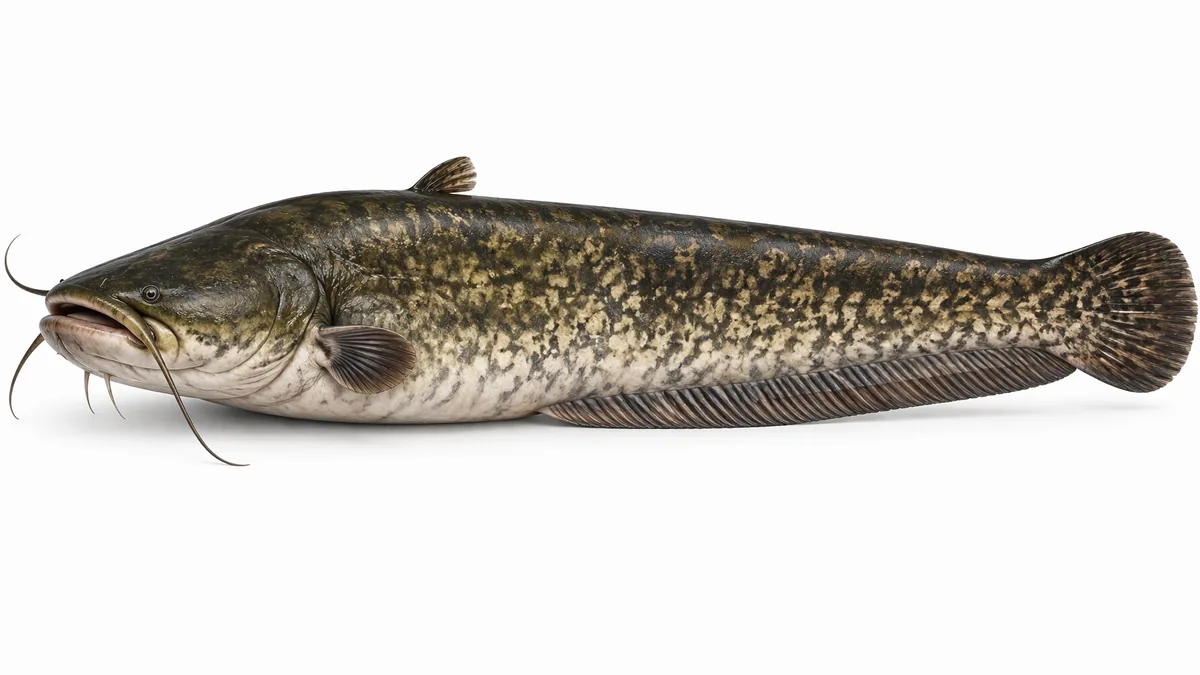
How to Catch Wels Catfish
The wels catfish is Europe's largest freshwater fish and one of the biggest in the world: a long, mottled, almost eel-like predator with a broad head and six barbels, built to hunt in the dark and grow to weights that strain ordinary tackle. Learning how to catch wels catfish means accepting a different scale of fishing. You fish at night, in deep water, with heavy gear, big smelly baits and a lot of patience. For identification, range and biology, read the full Wels Catfish species profile; this guide focuses on catching them.
Best Time to Catch Wels Catfish
Wels are nocturnal ambush hunters. By day they rest in deep holes and under cover, and they hunt most actively after dark, using their barbels and lateral line to find prey in black water. The best time to catch wels catfish is therefore the hours of darkness, especially in the warm months when the fish are feeding hard.
Temperature drives the season. Wels are most active from about 15 to 28°C, with a peak in the 20–26°C band. Late spring through autumn is the prime window, and the weeks after spawning, once the water settles at around 18–22°C, can be excellent. In southern Europe, where rivers stay warm, the season is longer and the fish grow fastest.
Cold water slows them sharply. In winter, wels feed little, and the fishing becomes a waiting game for the occasional slow fish. A mild autumn spell can still produce fish, but the serious season is the warm half of the year.
Weather matters less than temperature and darkness. A warm night after a hot day, with coloured water and a little flow, is close to ideal. Bright, cold, clear conditions are the opposite.
Best Gear for Wels Catfish
Wels tackle is heavy because the fish is heavy. A wels can run, roll, and refuse to come to the bank, so you need a stout rod, strong line and a reel with a smooth, powerful drag and plenty of capacity. This is not the place for light spinning gear.
| Component | Wels-ready choice |
|---|---|
| Rod | 8–9 ft heavy catfish rod, or 3–4 lb test curve |
| Reel | Large 8000–12000+ size reel with 300 m+ capacity and a smooth drag |
| Main line | 40–80 lb braid |
| Leader | 60–100 lb heavy mono or fluorocarbon, or a wire trace near snags |
| Hooks | Strong 6/0–10/0 hooks |
| Lead | 4–8 oz or more to hold bottom in a big river |
| Extras | Large soft cradle or sling, bite alarm, headlamp, heavy gloves, unhooking tools |
Braid gives you the strength-to-diameter ratio to hold a big fish in current, while a heavy mono or fluorocarbon leader adds abrasion resistance around rocks and tree roots. Where big fish and snags are present, a wire trace is sensible.
The landing gear is as important as the rod. A wels can be longer than you are tall, so carry a large, soft cradle or sling and have a plan for landing and releasing the fish before you cast. A bite alarm or a bell on the rod tip lets you rest while you wait, and a headlamp is essential at night.
Best Bait for Wels Catfish
The best bait for wels catfish is big, oily and smelly. Wels are opportunistic predators with huge mouths, and they locate food by scent and vibration as much as by sight.
Natural bait. Whole dead fish, fish heads, and clusters of worms are classic. Oily fish such as mackerel, herring or eel sections release scent quickly and are easy for a wels to find in coloured water. Live baits such as small fish or loach, fished on the bottom at night, are deadly where they are allowed.
Pellets and boilies. In southern Europe, anglers use large pellets, boilies and paste to target big wels, often hair-rigged on heavy tackle. These baits are convenient, stay on the hook through long casts, and can be used to bait a spot over several nights.
Clonk rigs. A specialised approach, mostly in southern Europe: a special lure is slapped on the surface to make a plopping "clonk" sound that draws catfish up. It is a reaction technique rather than a bait, and it works best in warm water when fish are active near the surface.
Whatever the bait, freshness and scent matter. A bait that leaks flavour into the current will pull fish from a long way downstream.
Wels Catfish Rigs
A wels rig is built to present a big bait on the bottom and to hold a powerful fish away from snags. These three cover most situations.
Running ledger livebait or deadbait rig. Slide a heavy running lead onto your main line, add a bead and a strong swivel, then tie a heavy trace to a large hook. Hook a whole dead fish or a livebait through the back or lips, cast it into a deep hole, and let the lead hold bottom. The fish can move off with the bait without feeling the weight, and the run is usually a steady, heavy pull.
Hair rig for pellets and boilies. Tie a hair from the hook and mount a large pellet or boilie with a bait stop. Fish it over a bed of freebies on a heavy lead setup. This is the standard big-fish approach on continental waters where wels are targeted with carp-style tackle.
Clonk rig. For surface action in warm southern rivers, a clonk lure is worked on the surface to make a plopping sound, then allowed to sink or twitched to trigger a take. It is a specialist technique and worth learning only where local anglers use it.
On all rigs, check knots and hook points before every cast. A missed take on a big wels is usually a tackle failure, not bad luck.
How to Catch Wels Catfish, Step by Step
- Fish at night. Plan your session for the hours of darkness, when wels leave their daytime lies and feed.
- Find deep cover. Target deep pools, holes below dams and weirs, tree roots, overhanging banks, sluice gates and bridge pilings.
- Bait the spot. On multi-night sessions, bait a deep area with oily fish, pellets or boilies to draw fish in and hold them.
- Cast accurately and set the bait down. Put the bait on the bottom near cover, then tighten up to the lead and set your alarm.
- Wait, and stay quiet. Wels are wary of bankside noise. Keep movement and light to a minimum.
- Let the fish load the rod. Do not strike too early. Wait until the fish is moving off and the rod is loading, then set the hook hard.
- Play patiently. Keep the fish away from snags, let the drag work, and do not rush a big fish to the bank.
- Land on a cradle with help. Use a large soft sling or cradle, support the body, and have a companion ready.
- Release carefully. Keep the fish wet, support it horizontally, and revive it in the water before letting it go.
The single biggest mistake is striking too soon. A wels often picks up a bait and moves slowly at first. Give it time to commit.
Where to Catch Wels Catfish
Where to catch wels catfish comes down to warm, slow, deep water with plenty of cover. The native range covers central and eastern Europe, from the Danube and its tributaries east through the Volga and into western Asia. From there, wels have been introduced widely — to the Po and other Italian rivers, the Ebro in Spain, rivers and lakes in France, and a few waters in Britain.
In a river, look for the deepest holes, the water below dams and weirs, the roots of big trees, undercut banks, and the area around sluice gates and bridge pilings. Wels like structure and depth, and they hold tight to both during the day.
At night, they range more widely, hunting the shallows and the edges where prey gathers. Fish the transition between deep water and shallow feeding flats, and the mouths of creeks and side channels where baitfish collect.
In southern Europe, where rivers stay warm, wels grow fastest and reach the biggest sizes, and the big continental rivers and reservoirs are the places to target a true giant. In cooler northern waters, fish are fewer and smaller, but deep, warm, slow reaches can still hold good fish.
Wels Catfish Regulations and Safety
Wels rules differ sharply by country. In much of central and eastern Europe, wels are a managed food and sport fish with minimum sizes, closed seasons in spring and daily limits. In Italy and Spain, they are often fished as a catch-and-release trophy species, and some waters require the fish to be released. In Britain, where wels are introduced and localised, rules vary by fishery and some waters ban keeping them.
As of 2025, check the current rules for the specific water before you fish. National fisheries authorities set the framework, and the fishery owner or river club usually adds stricter conditions. For big continental rivers, local permits often specify handling and release rules for catfish.
On safety, wels are not venomous, but their size and mouth demand respect. The jaws are lined with broad pads of small, inward-curving teeth that grip and hold; never put a hand inside the mouth, and use a proper lip grip, chin hold or sling for large fish. A 100 lb wels is a powerful animal with a thrashing, twisting body, and handling one on a bank at night is genuinely hazardous. Use a large, soft cradle, keep the fish low, wear a headlamp, and fish with a companion on big rivers. Wels are known to take prey at the surface, including waterbirds, and while they do not target people, a large fish in the water deserves space and caution.
Common Mistakes and Wels Catfish Tips
- Striking too early. Wels pick up a bait slowly. Let the fish load the rod before setting the hook.
- Fishing in daylight. The best wels fishing is after dark. Fish the hours of darkness.
- Light tackle. A big wels will destroy ordinary gear. Use heavy braid, strong hooks and a big reel.
- Fishing away from cover. Wels hold in deep holes and structure. Find the snags and the depth.
- Ignoring the snags. A hooked wels will head for cover. Keep it away from roots and pilings.
- No landing plan. A fish longer than you are tall needs a cradle, a sling and a companion.
- Hand inside the mouth. The tooth pads clamp hard. Never put a hand in a wels's mouth.
- Keeping big breeders. On trophy waters, release big fish to protect the stock.
FAQ
What is the best time to catch wels catfish? At night, from late spring through autumn, when the water is warm. Wels are most active in the 20–26°C range and feed little in cold water.
What bait for wels catfish works best? Whole dead fish, fish heads, clusters of worms and live fish fished on the bottom at night. Large pellets and boilies work on continental trophy waters.
What are the best wels catfish fishing techniques for beginners? Fish a heavy running ledger with a big deadbait in a deep hole after dark. Let the fish load the rod before striking, and play it patiently away from snags.
Do wels catfish bite during the day? They can, but they feed most actively at night. Daytime fish usually hold deep in cover and are far harder to tempt.
How big do wels catfish get? Adults reach 1–1.5 m and 10–30 kg. Fish over 2 m and 50 kg are caught each year in big southern rivers, and the largest documented fish reach about 2.7–2.8 m and over 100 kg.
How do you tell a wels catfish from a blue catfish? A wels has six barbels and an anal fin that runs almost to the tail. A blue catfish has a short anal fin, a deeply forked tail, an adipose fin, and lives in North America.
Learning how to catch wels catfish is a step up in scale: heavier gear, bigger baits, deeper water and darker hours. Find the deep cover, fish at night, and respect the fish and the tackle it demands. Do that, and you give yourself a chance at the fight of a lifetime.
Related Articles
- How to Catch Carp — a staple prey species in the big rivers where wels hunt.
- How to Catch Perch — a smaller predator from the same European waters.
- How to Catch Zander — another night hunter of the same rivers and canals.
- How to Catch European Seabass — saltwater sport for anglers chasing a different fight.
- How to Catch Channel Catfish — the North American catfish and its tactics.
About the author and how this was tested
About the author
FishermanGuy
Bank, boat and kayak angler · fishing, crabbing and shrimping since 2021
I buy the gear, fish it for a season and write down what failed. No sponsored verdicts, no free-sample flattery. Every rig on this page has landed fish in water I can point at on a map.
How this was tested
- Every rig gets at least six trips on the same water before it is published.
- Gear is bought at retail. Free samples are labelled in the first paragraph.
- Dates show first publication and the last time the page was updated.