Field notes
How to Catch European Seabass: Surf, Lures & Timing
How to Catch European Seabass
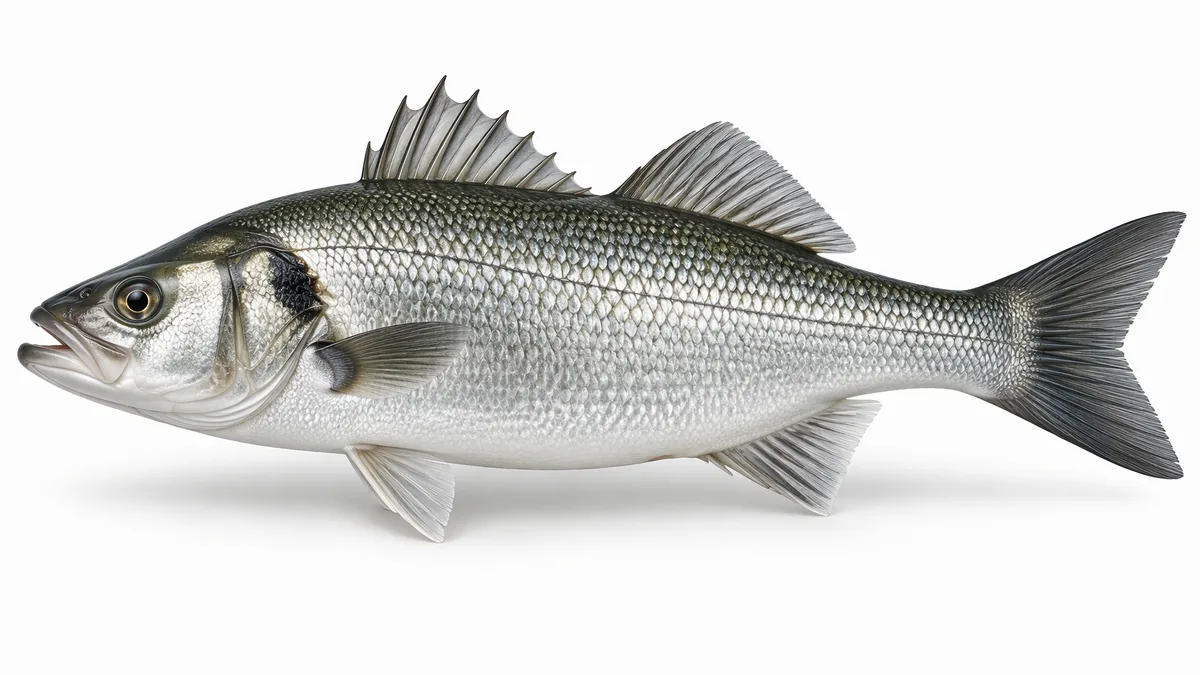
The European seabass is the inshore sport fish that European anglers plan their weekends around: silver, deep-bodied, and hard-fighting, it patrols surf beaches, harbour walls and rocky points in search of baitfish and crabs. Learning how to catch European seabass is mostly about reading water and picking your moment. Find moving water, fish the low light, and cover the edges where current and structure meet. Do that consistently and the bass will follow. For identification, range and biology, read the full European Seabass species profile; this guide focuses on catching them.
Best Time to Catch European Seabass
Bass are sight hunters shaped by light and tide, so the best time to catch European seabass is rarely the middle of a bright, calm day. Dawn, dusk and the hours of darkness are when bass move shallow and feed with confidence, especially in summer when the beach comes alive after sunset. A bit of colour in the water and a bit of chop on the surface make pressured fish far easier to fool.
Season follows water temperature. Bass are most active from roughly 10 to 20°C, which means spring and autumn are the strongest windows across most of the range, with summer fishing best at night and in the cool hours around first and last light. In winter, fish slow down and gather in deeper water, though mild winters keep some fish feeding in the south and west.
Tide is the third factor, and on many marks it is the most important. Moving water concentrates bait and positions bass on current seams. Fish the flooding tide in estuaries and the hours around high water on beaches and rocks, and check a tide table before you commit to a mark. Spawning runs from about January to March offshore, so early spring fish can be lean and slow to return to the feed.
Best Gear for European Seabass
Bass tackle sits in the light-to-medium range. The fish have soft mouths, so a forgiving rod and a smooth drag land more fish than a stiff broomstick. For lure fishing, a 9 ft medium spinning rod pairs well with a 2500–4000 size reel. Spool up with 15–20 lb braid and add a 10–15 lb fluorocarbon leader for abrasion resistance around rocks and for a subtle connection in clear water.
For bait fishing, a longer 11–12 ft rod lets you punch a lead and bait through the surf and keep the line above the wash. A running ledger setup with 2–4 oz of lead covers most beaches.
| Component | Seabass-ready choice |
|---|---|
| Rod | 9 ft medium spinning for lures; 11–12 ft for surf bait |
| Reel | 2500–4000 spinning reel with a smooth, reliable drag |
| Main line | 15–20 lb braid |
| Leader | 10–15 lb fluorocarbon |
| Lures | 9–12 cm surface lures, shallow plugs, 4–5 in soft plastics, metal lures |
| Jigheads | 1/4–1/2 oz, matched to depth and current |
| Extras | Life jacket, headlamp, tide table, long-nose pliers, wet towel |
Carry a headlamp for night sessions, pliers for unhooking, and a wet towel for bigger fish. On rocks and in boats, a life jacket is not optional.
Best Bait for European Seabass
The best bait for European seabass is fresh natural bait that smells of the sea. Live sandeel is the standout, followed by mackerel strip, squid, peeler crab and ragworm. Fished on a running ledger or under a float, these baits cover beaches, rocks and estuaries, and they appeal to big, wary fish that ignore lures.
Natural bait. Use a whole live sandeel when you can get one, hooked lightly so it stays lively. Mackerel strip and squid are tougher and stay on the hook through casting, which makes them ideal for surf. Peeler crab and ragworm are estuary staples, especially in autumn when bass feed hard on crustaceans.
Artificial lures. Surface lures, shallow-diving plugs, soft plastics on jig heads and metal lures all catch bass. Surface lures are at their best in low light over shallow ground; soft plastics work through the wash and around structure; metal lures cut through wind and reach fish holding further out. Natural silver, sandeel and mackerel patterns cover most days, with darker colours for night and dirty water.
The common thread is freshness and movement. A bait that looks alive or a lure that swims naturally will out-fish a static offering almost every time.
European Seabass Rigs
A bass rig is built around one job: presenting bait or a lure naturally in moving water. These three handle the main situations.
Running ledger bait rig. Thread a running lead onto your main line, add a bead and a swivel, then tie a 2–3 ft fluorocarbon trace to a single hook. Hook a sandeel, mackerel strip or crab and cast it into the surf or along a rock edge. The lead holds bottom while the bait moves naturally, and a bass usually hooks itself against the weight.
Float rig for estuaries. A simple float rig set a few feet above a baited hook lets you trot a ragworm or prawn along channel edges on the flooding tide. It keeps the bait off the bottom and away from crabs, and it is deadly in shallow, sheltered water.
Soft plastic jig rig. For surf and rocks, a 4–5 in paddle-tail or shad on a 1/4–1/2 oz jig head covers water fast. Cast parallel to the shore, let it sink, and retrieve with a steady swim punctuated by short pauses. When bass are close in the wash, a weightless or lightly weighted weedless plastic drifted through the white water is hard to beat.
Match the weight to the conditions. Too light and you cannot hold bottom or reach the fish; too heavy and the presentation dies.
How to Catch European Seabass, Step by Step
- Read the tide. Check the table and pick a mark that fishes on the tide you have. Moving water is the starting point.
- Time the light. Fish dawn, dusk or after dark, and favour overcast, coloured water over bright and clear.
- Approach quietly. Bass are wary in shallow, clear water. Keep a low profile and avoid crashing around the rocks.
- Find the edge. Fish current seams, the edges of white water, channel sides, harbour walls and the wash of a beach.
- Cast parallel to the feature. Long casts along the beach or rock edge keep your lure in the strike zone far longer than casting straight out.
- Work the lure through the zone. Swim it, twitch it, let it pause. Bass often follow before they commit, so give them a reason to eat.
- Set the hook smoothly. Bass have soft mouths. A firm sweep beats a violent strike that tears the hook free.
- Play and release with care. Let the drag and rod do the work, support the fish's body, and revive it in the shallows before release.
At night, slow down and fish by feel. Big bass often hunt the shallows under cover of darkness, and a surface lure worked slowly can draw explosive takes.
Where to Catch European Seabass
Where to catch European seabass is a question of finding the edges bass use to ambush prey. Surf beaches with a bit of wash and a hole or gutter are classic, especially on a flooding tide. Cast into the darker water and the current seams, not the flat sand.
Rocky headlands and breakwaters hold bass in the white water and along the current. Fish the edges where the swell breaks and the water darkens, and work lures along the rock line at first and last light.
Estuaries, harbours and river mouths are the third great habitat. Fish channel edges on the flooding tide, around bridge pilings, moored boats and the mouths of creeks. Juveniles use brackish nurseries, and big fish move in with the tide to feed.
Bass rarely stray far from land; most are caught in the top 30 m and often much shallower. On any mark, look for bait, current and structure together. That combination is where bass live.
European Seabass Regulations and Safety
Bass is one of the most tightly managed sport fish in Europe, so the rules matter as much as the fishing. As of 2025, the EU and UK minimum conservation reference size for European seabass is 42 cm (about 16.5 inches). Recent measures have also included a recreational bag limit, commonly two bass per angler per day, and a spawning-season restriction in February and March in Atlantic waters. These measures are renewed and adjusted year by year, so treat the numbers as a snapshot, not a permanent fact.
Check the current rules before you fish. In England, the Marine Management Organisation (MMO) and CEFAS publish sizes, bag limits and closures; Natural Resources Wales and Marine Scotland cover their waters; in Ireland, Inland Fisheries Ireland (IFI) publishes bass rules. In France, Spain, Portugal and other EU states, the national authority does the same. Rules can change at short notice, so confirm before you keep a fish.
On safety, bass have a sharp gill-cover spine, a spiny dorsal and small rough teeth. Slide a wet hand under the belly to support the fish; never push fingers under the gill cover. Bass fishing often happens at night on rocks, in surf or from small boats, so wear a life jacket, carry a headlamp, and never turn your back on the sea. Check the tide so a rising tide does not cut off your route back, and dress for cold water — a fall into the sea in autumn is a medical emergency, not a refreshing dip.
Common Mistakes and European Seabass Tips
- Fishing dead water. Bass feed on moving water. Pick a tide and a mark that fish on it.
- Fishing bright midday shallows. Shift to dawn, dusk or night, or fish deeper, cooler water by day.
- Bullying fish on light tackle. Bass have soft mouths. Use a smooth drag and a firm but gentle hand.
- Ignoring the wash. The white water and current seams are where bass ambush prey, not the flat sand.
- Too heavy a leader. In clear, calm water, drop leader strength and lengthen it for wary fish.
- Skipping the tide check. A mark that looks perfect at low water can be dangerous as the tide floods.
- Rough release. Support the body, keep the fish in the water, and revive it before letting go.
- Keeping big breeding fish. Selective harvest protects a slow-growing, long-lived species.
FAQ
What is the best time to catch European seabass? Dawn, dusk and after dark, on moving water. Spring and autumn are the strongest seasons, with summer fishing best at night and winter slow except in milder southern waters.
What bait for European seabass works best? Live sandeel is the top natural bait, followed by mackerel strip, squid, peeler crab and ragworm. Surface lures, shallow plugs and soft plastics cover the artificial side.
What are the best European seabass fishing techniques for beginners? Fish a rising tide at dawn or dusk, cast parallel to the beach or rock edge, and work a surface lure or soft plastic slowly through the wash and current seams.
Do European seabass bite at night? Yes. Big bass often feed in the shallows after dark, and night sessions with surface lures or soft plastics can be excellent, especially in summer.
How big do European seabass get? Most rod-caught fish run 30–60 cm and 0.5–3 kg. A 10 lb fish is a trophy, and the species maximum is about 1 m and 12 kg (26 lb).
How do you tell a European seabass from a striped bass? A striped bass has seven or eight bold horizontal stripes. A European seabass is plain silver with a faint dark blotch on the gill cover, and it lives in Europe, not North America.
Learning how to catch European seabass is a matter of tides, edges and light. Fish the moving water at dawn, dusk or after dark, keep your presentation natural, and respect the 42 cm rule and the bag limits. The reward is one of Europe's great inshore fighters, caught where the beach, the rocks and the current meet.
Related Articles
- How to Catch Zander — a freshwater predator with the same low-light habit.
- How to Catch Carp — the cautious bottom-feeder for calm inland days.
- How to Catch Perch — light-tackle sport on the same continent.
- How to Catch Wels Catfish — the freshwater giant for anglers who want a bigger fight.
- How to Catch Striped Bass — the American cousin and its surf tactics.
About the author and how this was tested
About the author
FishermanGuy
Bank, boat and kayak angler · fishing, crabbing and shrimping since 2021
I buy the gear, fish it for a season and write down what failed. No sponsored verdicts, no free-sample flattery. Every rig on this page has landed fish in water I can point at on a map.
How this was tested
- Every rig gets at least six trips on the same water before it is published.
- Gear is bought at retail. Free samples are labelled in the first paragraph.
- Dates show first publication and the last time the page was updated.