Field notes
How to Catch Giant Snakehead: Toman Rigs and Tactics
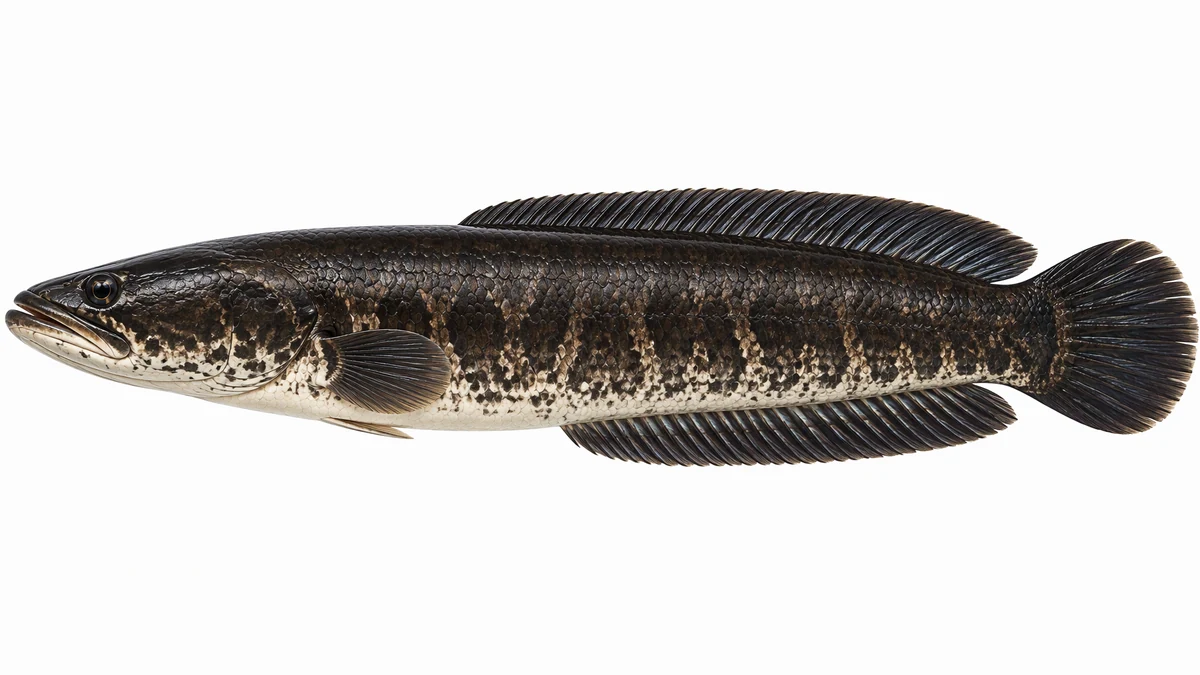
How to Catch Giant Snakehead
The giant snakehead is not a fish you finesse. In Southeast Asia it is called toman, and it lives in the kind of water — weed-choked canals, blackwater swamps, matted lily pads — that punishes light tackle and slow reactions. Learning how to catch giant snakehead is mostly a lesson in commitment: heavy gear, tight casts, and a hookset that refuses to give an inch. The fish is an obligate air breather, a devoted nest guard, and an ambush predator that can swallow prey a third of its own length. Read the full Giant Snakehead species profile for identification, range and biology.
Best Time to Catch Giant Snakehead
Giant snakehead are warm-water fish, and the best time to catch giant snakehead is when the water sits between roughly 24 and 32°C (75–90°F). Below that they slow down. In their native range across Southeast Asia, that means the warm months and, above all, the rainy season, when rising water pushes fish into fresh flooded cover.
Time of day matters almost as much as the calendar. Toman are low-light ambushers. Dawn and late afternoon are prime, and a grey, overcast day usually beats flat, bright sunshine because the fish lose their caution and hold shallower. On a still morning, watch for slow, deliberate rises along a weed edge — a giant snakehead has to surface to gulp air, and those bubbles are a free tip-off to where a fish is holding.
Spawning is tied to the rainy season. Both parents guard the fry, which travel in a tight ball near the surface while the adults circle below. That fry ball is the best big-fish target of the year — and the most dangerous, because the parents attack anything that comes near. Fish it early, keep your distance, and be ready for a violent response.
Best Gear for Giant Snakehead
Giant snakehead gear is heavy because the fish lives in cover and tries to bury itself the second it is hooked. A balanced light outfit is a kindness to your arm and a death sentence to your chances. You need a rod with real backbone, a drag that can be locked down, and line that will not fray to nothing on timber and weed stems.
| Component | Giant snakehead-ready choice |
|---|---|
| Rod | 7–8 ft heavy baitcasting or stout spinning, strong backbone, fast tip |
| Reel | Baitcaster with a lockable drag, or a 5000–8000 spinning reel |
| Main line | 50–80 lb braid |
| Leader | 60–100 lb fluorocarbon or hard mono |
| Hooks | 4/0–6/0 heavy worm hooks for weedless, strong trebles on frogs |
| Lures | Hollow-body frogs, poppers, buzzbaits, walk-the-dog |
| Extras | Long-nosed pliers, jaw spreader, wet towel, life jacket |
The 50–80 lb braid casts a frog into tight weed pockets, cuts through stems on the hookset, and lets you drag a big fish out of its living room. The 60–100 lb leader adds abrasion resistance against lily-pad stalks and sunken branches.
Do not go lighter to get more bites. A toman fights dirty, and a light leader fails at the worst moment.
Best Bait for Giant Snakehead
On natural bait, the best bait for giant snakehead is a live frog, a live fish, or a large prawn fished tight to cover. Frogs are the classic, and for good reason: a frog kicking on the surface is exactly what a hungry toman expects to see in a weed pocket. A live fish, hooked lightly so it can swim, works well under a float or freelined along a lily edge. A big prawn is a reliable standby in canals and estuaries.
Most serious toman anglers fish artificials, though, and the list of productive lures is short and proven:
- Hollow-body frogs. The all-time giant snakehead lure. Weedless, loud, and deadly over matted vegetation.
- Poppers. A chugging popper draws fish up from under cover and triggers a surface strike you will not forget.
- Buzzbaits. Fast, noisy, and perfect for covering water along a weed line at first light.
- Walk-the-dog lures. A spook-style bait that swings side to side on the surface pulls fish out of shade and around timber.
The key with any of them is presentation. Toman ambush from cover, so cast tight to weed edges, lily pads, timber or shade, then work the lure slowly. Let it sit, twitch it once, and give a fish in the shadows time to commit.
Giant Snakehead Rigs
A giant snakehead rig is built for two jobs: getting a lure into cover without snagging, and getting a hooked fish out of it. Three setups cover almost every situation.
Hollow-body frog rig (the standard).
- Tie 50–80 lb braid straight to the frog's line tie; no leader is needed for a weedless frog over the mats.
- Check that the hook points sit against the frog's back and are fully protected — a frog that snags on the first cast is useless.
- Cast past the pocket and bring the frog onto the edge of the cover, not into the middle of it.
- Work it with slow twitches and long pauses, keeping the rod tip up so the lure stays on top.
Weedless soft-plastic rig. For open lanes and around timber, run a 4/0–6/0 heavy worm hook through a paddle-tail or toad-style bait, Texas-rigged so the point is buried. Add a pegged bullet weight if you want it to punch down through a mat. This rig skips under overhanging branches where a frog cannot go.
Live-bait rig. For natural bait, use a 60–100 lb leader and a strong single hook sized to the bait. Freeline a live frog or fish along a weed edge, or fish it under a float so it stays in the strike zone. Keep the rod in hand — a take can come at any second, and a toman will head straight for cover.
Whichever rig you choose, keep it simple. Every extra knot and swivel is one more thing to fail when a big fish lunges into the weeds.
How to Catch Giant Snakehead, Step by Step
- Find the cover. Look for weed edges, lily-pad fields, submerged timber, overhanging shade and any spot where a fish could sit hidden and ambush prey.
- Watch for air breathers. Scan for the slow surface rises that tell you fish are home.
- Cast tight. Drop the lure within a rod length of the cover, not out in open water. Precision beats distance here.
- Work it slowly. Twitch, pause, twitch. Give the fish time to commit before you move the lure away.
- Wait for the weight. On a surface strike, do not swing at the splash. Wait until you feel the rod load, then drive the hook home hard.
- Keep the rod tip low. The moment a fish is hooked, drop the rod and apply maximum pressure from the first second. A high rod gives the fish slack to turn into cover.
- Turn it away. Use the rod and locked drag together to steer the fish out of the weeds before it buries itself. The first few seconds decide most fights.
- Land it fast. Swing it onto the bank or into the boat quickly, with a firm grip behind the head or a wet towel.
- Unhook with pliers. Keep your fingers away from the mouth, use long-nosed pliers or a jaw spreader, and release the fish if the rules allow.
The hookset and the first ten seconds decide most fights. A toman hits hard and runs straight for structure. Keep the rod low, keep the pressure on, and do not give an inch until the fish is away from the snags.
Where to Catch Giant Snakehead
Giant snakehead are native to Southeast Asia, including the Mekong, Chao Phraya and Mae Klong basins, the Malay Peninsula, Sumatra, Borneo and Java. They live in rivers, lakes, swamps, canals, flooded forest and reservoirs, and they are most at home in still or slow-moving water with plenty of cover.
Look for the same features wherever you fish:
- Weed edges and lily pads. The classic ambush lanes.
- Sunken timber and branches. Shade, cover and a perfect strike point.
- Canal banks. Especially where vegetation overhangs the water.
- Flooded forest in the rainy season. Fish push into newly flooded cover to feed and spawn.
- Fry balls near the surface. A sign of nesting fish and, for trophy hunters, the best big-fish target of the year.
Because the species is an air breather, it thrives in stagnant, low-oxygen canals and swamps. Outside its native range it is tightly regulated, and in North America it is treated as an invasive threat rather than a target.
Giant Snakehead Regulations and Safety
Rules vary sharply by country. In Malaysia, Singapore, Thailand, Indonesia and the wider region, snakeheads are managed as food and sport fish, with local bag limits, closed areas and catch-and-release practices. Catch-and-release is encouraged, and the fish is an important food fish across its native range.
Outside Asia, the emphasis is on prevention. Since 2007, all snakehead species have been listed as injurious wildlife under the Lacey Act in the United States, which makes it illegal to import them or transport them across state lines without a federal permit, and many states ban possession outright. In Canada, several provinces, including British Columbia and Ontario, prohibit possession. As of 2025, check the current rules with the relevant national, state or provincial fisheries agency before you fish or keep one. Last verified: November 2025.
The golden rule for anglers anywhere is simple: never release a live snakehead into a waterway, and never move one between waters. If you catch one where it should not be, follow local rules — kill it humanely if required, photograph it, and report the capture to the fisheries agency.
Safety is its own chapter. Giant snakehead are not venomous, but they have sharp, backward-pointing teeth and a bite that can open a hand. They are also fiercely protective parents, and a fish guarding fry will strike anything that comes close. Use long-nosed pliers or a jaw spreader, hold the fish behind the head with a wet towel, and never put a hand in its mouth. On the water, fish from a stable boat, wear a life jacket, and keep clear of a thrashing fish at the gunwale.
Common Mistakes and Giant Snakehead Tips
- Fishing too light. Light line and a soft rod lose big fish in cover. Use the heavy gear.
- Fishing open water. Toman sit in cover. If your lure is out in the middle, you are fishing for nothing.
- Swinging at the splash. Wait for the weight before you set the hook, or you will pull the lure straight out of the fish's mouth.
- High-sticking the rod. A high rod gives a hooked fish slack to turn into the weeds. Keep it low and pull.
- Grabbing the fish by the jaw. Those teeth are not decorative. Use pliers and a firm grip behind the head.
- Approaching a fry ball carelessly. Big fish guard the young, and they attack. Fish it with respect and expect a strike from the parents.
- Moving live fish. Never relocate a snakehead between waters, anywhere in the world.
A few giant snakehead fishing tips that make a real difference: fish the first and last hours of light, carry more than one frog because big fish destroy them, and slow down where the cover is thickest. When a fish boils on the lure and misses, drop it back into the same spot and let it sit — toman often come back for a second look.
FAQ
What is the best time to catch giant snakehead? The warm months and the rainy season, when water is roughly 24–32°C (75–90°F). Fish dawn and late afternoon, and favour overcast days over bright sun.
What bait for giant snakehead works best? A live frog, live fish or large prawn fished tight to cover. Most anglers use artificials — hollow-body frogs, poppers, buzzbaits and walk-the-dog lures.
What are the best giant snakehead fishing techniques? Cast tight to weed edges, timber and shade, work the lure slowly with long pauses, then set the hook hard and keep the rod low. Apply maximum pressure from the first second to keep the fish out of cover.
How big do giant snakehead get? Most fish caught by anglers are 40–70 cm and 1–5 kg. A fish over a metre is a trophy, and the largest verified fish reach about 1.3 m and 20 kg.
Are giant snakehead legal to keep in the US? No. All snakeheads are listed as injurious wildlife under the Lacey Act, and import or interstate transport requires a federal permit. Many states ban possession outright.
Are giant snakehead dangerous to handle? They have sharp, backward-pointing teeth and will aggressively guard their fry. Use pliers or a jaw spreader, hold the fish behind the head, and never put a hand in its mouth.
Related Articles
- How to Catch Giant Trevally — the saltwater powerhouse of this pair, and a very different fight.
- How to Catch Bowfin — a North American air-breathing predator with a similar body plan and attitude.
- How to Catch Arapaima — another giant air-breathing fish that demands heavy tackle.
- How to Catch Northern Pike — weed-edge ambush tactics that transfer well to snakeheads.
- Giant Snakehead species profile — identification, habitat, diet and records.
- All species profiles
Giant snakehead fishing is a discipline of precision and pressure. Find the cover, fish it slowly, and hit hard with gear that can drag a violent fish out of its living room. Learn the heavy-cover habits of the toman and you are well on the way to knowing how to catch giant snakehead — and why so few anglers ever forget their first surface strike.
About the author and how this was tested
About the author
FishermanGuy
Bank, boat and kayak angler · fishing, crabbing and shrimping since 2021
I buy the gear, fish it for a season and write down what failed. No sponsored verdicts, no free-sample flattery. Every rig on this page has landed fish in water I can point at on a map.
How this was tested
- Every rig gets at least six trips on the same water before it is published.
- Gear is bought at retail. Free samples are labelled in the first paragraph.
- Dates show first publication and the last time the page was updated.