Field notes
How to Catch Arapaima: Tackle, Bait & Legal Rules
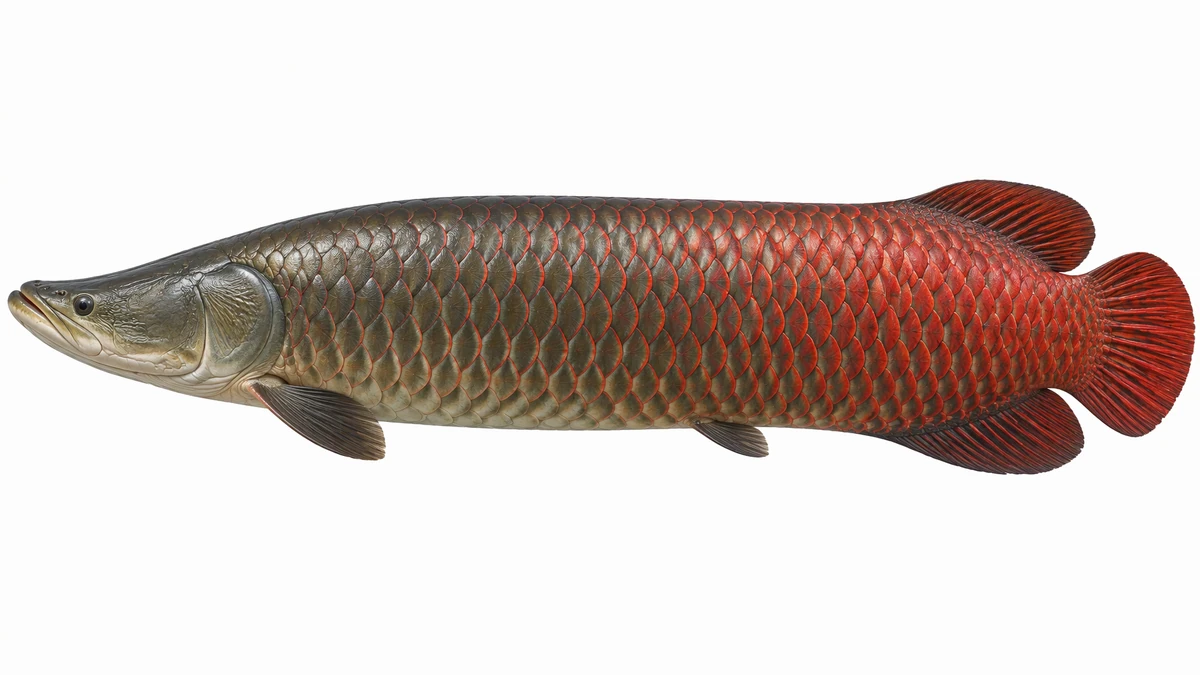
How to Catch Arapaima
Learning how to catch arapaima means learning two skills at once: fighting a freshwater giant, and knowing the law. The arapaima is one of the largest freshwater fish on Earth, an armour-scaled, air-breathing predator that tops two metres and can weigh more than a person. It is also protected across much of its Amazon range, so the honest version of this guide starts with rules, not rods. Where legal catch-and-release is allowed, this is one of the most thrilling fish you can target. For identification, biology and protection status, read the full Arapaima species profile; here we cover the catching.
Best Time to Catch Arapaima
The best time to catch arapaima is tied to warm water and the flood cycle. The fish are most active between roughly 24 and 30°C (75–86°F), and in the Amazon that means targeting them when the water is warm and the fish are feeding hard.
Flood season is the key window. As water rises and spills into the flooded forest, arapaima move out of the main channels and into the trees and swamps to feed and spawn. That is when they are spread across a huge area and often willing to take a surface offering. In the low-water season they retreat to lakes and channels and can be harder to find and more concentrated.
Time of day favors the edges. Arapaima feed most actively in the early morning and late afternoon, though their surface rolls continue through the day and can betray a fish at any hour. Because they must gulp air, you can often locate fish by watching for the roll and the loud gulp rather than by blind casting.
Weather and water should be stable. Sudden cold snaps in the tropics slow these fish down, and low, clear water can make them wary. A calm, warm day over flooded forest is close to ideal. Where fishing is permitted, ask your operator how the current flood stage is shaping the bite — the fishing is tightly tied to water levels that change year to year.
Best Gear for Arapaima
Arapaima gear is built for brute strength. These fish have thick, armour-like scales, enormous power, and a habit of bulldozing toward cover. Anything less than heavy tackle is a broken rod and a lost fish.
| Component | Arapaima-ready choice |
|---|---|
| Rod | Heavy conventional or heavy spinning rod with serious backbone |
| Reel | Large-capacity reel with a strong, smooth drag |
| Main line | PE 6–10 braid |
| Leader | Heavy leader, often 80–150 lb mono or fluoro, with a wire option where needed |
| Hooks | Strong heavy-gauge hooks or quality trebles on lures; barbless where required |
| Extras | Heavy gloves, large net or cradle, long-nose pliers, hook cutters, a partner for handling |
PE 6–10 braid gives the strength to turn a fish that can pass 100 kg and the capacity to survive long, powerful runs. The leader has to resist abrasion against those scales and whatever structure the fish runs through. The rod needs real lifting power — a soft rod simply cannot apply pressure to a fish this size.
Because the fish is often released, the terminal tackle should be chosen with the fish's health in mind. Barbless or single hooks are required in some fisheries and are kinder on a fish you plan to let go. A large net or a proper cradle, plus a partner, makes landing and handling far safer for both of you.
Best Bait for Arapaima
The best bait for arapaima is big and often on or near the surface. These fish have an upturned mouth built for grabbing prey at the top of the water column, and they will smash a surface offering with real violence.
Artificial lures are the main tool in catch-and-release fisheries. Large surface lures and big swimbaits draw explosive strikes, and a fly fished near the surface is a favorite in Guyana and Peru, where fly and lure trips are licensed. The strike is the highlight — fish often hit the lure on or just under the surface, then tear off.
Natural bait — live or dead fish — is used where local rules allow it. Because arapaima are protected or tightly managed in much of their range, always confirm that bait fishing is permitted at your venue before you rig up. In stocked Asian lakes the rules are local and may differ sharply from the Amazon.
Match the offering to the fish's surface-feeding habit and size up. A small lure is mostly ignored by a two-metre fish. Big baits, loud surface presentations and strong hooks are the order of the day, and bright or natural patterns both catch fish depending on the water and the day.
Arapaima Rigs
An arapaima rig has to do two jobs: trigger a surface strike and survive the fight that follows. These setups cover the legal sport fisheries.
Heavy surface-lure rig. Tie your PE braid to a heavy leader with a strong connection, then to the lure with a heavy snap or direct tie. Keep the leader long and abrasion-resistant, and check it after every fish — those scales are rough. Fish the lure with a steady, loud action to draw a strike.
Swimbait rig. For bigger, subsurface presentations, run a large swimbait on the same heavy leader setup with a quality hook or treble. Fish it around the edges of flooded cover and the mouths of lakes, where arapaima patrol.
Fly rig. In fly fisheries, a heavy-weight rod, a strong leader and a large surface or baitfish fly do the job. The setup is specialized, and most anglers fish with a licensed operator who supplies the right gear for the water.
Whatever the rig, keep it simple and strong. Every connection is a potential failure point against a fish that can weigh more than 100 kg, so limit hardware, use proven knots, and inspect the leader constantly.
How to Catch Arapaima, Step by Step
- Confirm the rules first. Before any cast, make sure you are in a jurisdiction and at an operator where catching arapaima is legal. This step is not optional.
- Find feeding fish. Watch for the surface roll and the loud gulp. Arapaima must breathe air, so their rises betray them. Fish the edges of flooded cover and quiet backwaters.
- Fish the low-light feeding windows. Early morning and late afternoon are best, though a surface roll can happen any time.
- Present on or near the surface. Cast a large surface lure, big swimbait, or fly to the fish and work it with a loud, deliberate action.
- Set hard on the strike. The take is explosive. Drive the hook home and be ready for a heavy, dogged fight rather than acrobatics.
- Fight with pressure and patience. Use the rod's backbone and a smooth drag. Keep the fish away from heavy cover and do not let it dig in.
- Land with support. Use a large net or cradle, keep the fish horizontal, and never lift a big one by the jaw or gill cover.
- Release correctly. Keep the fish in the water, hold it upright, and let it recover and breathe before it swims off. An exhausted air-breather that cannot surface can drown.
Releasing an arapaima needs care, not just a quick photo. Because the fish breathes air, support it upright in the water and give it time to recover and take gulps on its own before you let go.
Where to Catch Arapaima
Where to catch arapaima is, more than for almost any fish, a legal question before a geographic one. The species is native to the Amazon basin and connected waters of South America, mainly Brazil, Peru and Guyana, in the main river, oxbow lakes, slow tributaries, and flooded forest and swamps in the wet season.
Brazil is where the fish are most famous and most protected. Commercial fishing is banned, and harvest is restricted to licensed community management in specific reserves such as Mamirauá, where communities count fish and work to a quota with a minimum size of roughly 1.5 m. Outside those arrangements, taking an arapaima is illegal, and recreational take is not generally permitted.
Catch-and-release sport fishing is mainly associated with Guyana and Peru, where licensed operators run fly and lure trips in rivers and reserves. In Thailand and parts of Asia, arapaima are stocked in private lakes and caught on a catch-and-release basis. Those are not wild Amazon fish, and the rules are local. A fish in a stocked lake is a completely different proposition from a protected fish in a reserve.
Arapaima Regulations and Safety
The regulations are the heart of arapaima fishing, so treat them as a hard gate. In Brazil the species is protected, commercial fishing is banned, and only licensed community harvest in specific reserves is allowed. Internationally, Arapaima gigas was listed on CITES Appendix II in 2019, which regulates trade in the species with permits. As of 2025, confirm the current position with IBAMA in Brazil and the relevant national authority in Peru or Guyana, plus the specific operator you plan to fish with.
The safety side is about size and power. An arapaima is not venomous, but a two-metre fish can knock a person down in a boat, break a rod, or drive a hook into a hand. The scales are thick enough to deflect a careless gaff. Handle the fish horizontally, keep it in the water as much as possible, and never lift a big one by the jaw or gill cover. The legal risk is just as real: taking a protected fish outside a licensed arrangement can be a serious offence, and the rules exist because the species is slow to recover.
Common Mistakes and Arapaima Fishing Tips
- Fishing without checking the law. The biggest mistake of all. Confirm legality before you fish, not after.
- Fishing too light. These fish wreck bass tackle. Use PE 6–10 braid and a heavy leader.
- Lifting by the jaw or gill plate. Dangerous for you and damaging to the fish. Support the body horizontally.
- Skipping the upright recovery. An air-breathing fish can drown if released exhausted and unable to surface. Revive it properly.
- Casting blind during the flood. Watch for surface rolls and fish to the fish you can see.
- Ignoring the leader. The scales abrade line. Inspect and retie often.
- Keeping a protected fish. In Brazil and much of the range, this is illegal. Release unless you are part of a licensed harvest.
- Treating a stocked lake like the Amazon. Local rules are different and local. Ask before you assume.
FAQ
What is the best time to catch arapaima? The flood season, when warm water (roughly 24–30°C) spreads fish into the flooded forest, and the early-morning and late-afternoon feeding windows. Watch for surface rolls at any hour.
What bait for arapaima works best? Large surface lures, big swimbaits and surface or baitfish flies. Live or dead fish bait is used only where local rules allow it. Big, loud presentations draw the best strikes.
What are the best arapaima fishing techniques? Locate feeding fish by their surface rolls, present a big surface lure or fly, set hard on the explosive strike, and fight with pressure and patience. Release the fish upright.
Where can you legally fish for arapaima? Catch-and-release sport fishing is mainly in Guyana and Peru, and in stocked private lakes in Thailand and parts of Asia. In Brazil the species is protected and recreational take is not generally allowed.
How big do arapaima get? Common large adults are 1.5–2.5 m and 50–150 kg. Reports of 3–4 m and over 200 kg exist, though verified fish are smaller. The IGFA all-tackle record is usually quoted around 340 lb (about 154 kg).
Can you keep an arapaima? Generally no. In Brazil and much of the range the species is protected, and harvest is limited to licensed community quotas. Check the local law and your operator's rules before you fish.
Learning how to catch arapaima is really a lesson in doing it the right way: find a legal fishery, use tackle built for a giant, fish a big surface offering in warm flood water, and release the fish with care. Do that, and you have earned a genuine shot at the greatest freshwater prize in South America.
Related Articles
- How to Catch Nile Perch — another giant freshwater predator with its own conservation story.
- How to Catch Piranha — the small, sharp-toothed characin of the same Amazon waters.
- How to Catch Tigerfish — Africa's fast-water predator and a very different fight.
- How to Catch Golden Perch — warm-water structure fishing in Australia.
- Read the full Arapaima species profile
About the author and how this was tested
About the author
FishermanGuy
Bank, boat and kayak angler · fishing, crabbing and shrimping since 2021
I buy the gear, fish it for a season and write down what failed. No sponsored verdicts, no free-sample flattery. Every rig on this page has landed fish in water I can point at on a map.
How this was tested
- Every rig gets at least six trips on the same water before it is published.
- Gear is bought at retail. Free samples are labelled in the first paragraph.
- Dates show first publication and the last time the page was updated.