Field notes
How to Catch Nile Perch: Tackle, Bait & Timing
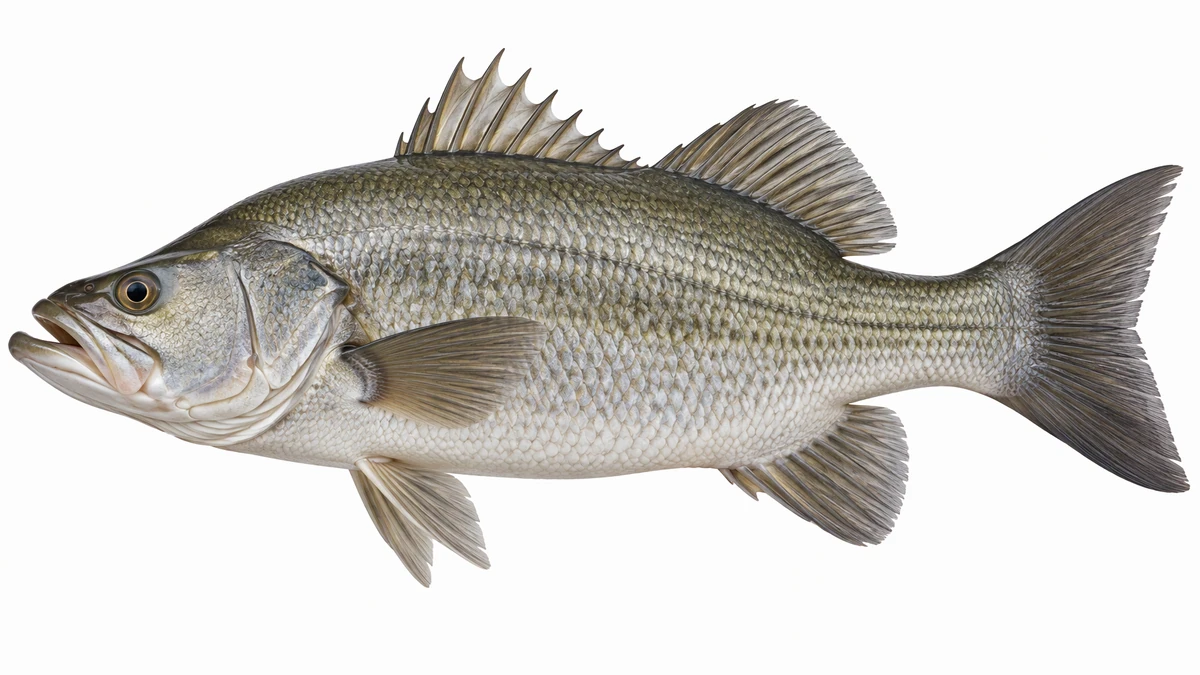
How to Catch Nile Perch
Learning how to catch Nile perch starts with accepting that you are not casting for a bass. This is Africa's biggest freshwater predator, a silver, big-eyed hunter that can pass two metres and 100 kilograms and has earned the nickname "water buffalo" for the way it fights. The mouth is huge, the gill covers are razor-edged, and the first run can straighten a hook that looked strong on the bench. Get the tackle right, feed it the right bait at the right depth, and this fish will test everything you know. For range, biology and identification, read the full Nile Perch species profile; this guide is about catching one.
Best Time to Catch Nile Perch
The best time to catch Nile perch is driven by two things: light and temperature. The fish are most active when the water sits roughly between 22 and 30°C (72–86°F), which in the tropics means most of the year on the big lakes. Cooler spells slow them down, and dirtied water after heavy rain muddies the bite.
Time of day matters more than most anglers expect. Nile perch are low-light hunters, with large eyes built for dawn, dusk and dark. Big fish sit deep during bright hours and slide shallower to feed as the light fades. The first and last two hours of daylight are the prime windows, and night fishing produces some of the biggest fish on the lake.
Season shifts the pattern by water body. In the warm months the fish move shallow to spawn, and shallower margins and river mouths come alive. On Lake Victoria and Lake Nasser the local guides fish to their own seasonal calendar, so ask about current conditions rather than trusting a generic "best month" chart.
Weather is your friend when it is stable. A settled, overcast day keeps fish feeding longer into the morning. A sharp cold front or a hard blow usually shuts things down until the water settles again. Watch the wind, too: on a big lake, a steady breeze stacks baitfish against a shoreline, and the perch follow.
Best Gear for Nile Perch
Nile perch gear has to survive a violent first run and a fish that can rub through line on its own gill plates. Light tackle is a donation. Build around strength and a drag you trust.
| Component | Nile perch-ready choice |
|---|---|
| Rod | Heavy spinning or conventional rod rated for big fish and heavy braid |
| Reel | Strong reel with smooth, reliable drag and good line capacity |
| Main line | 50–80 lb braid |
| Leader | Heavy mono or fluorocarbon in the 60–100 lb class, or a wire trace where fish are big |
| Hooks | Strong 6/0–10/0 circle or J-hooks for bait; heavy-gauge trebles on lures |
| Extras | Long-nose pliers, heavy gloves, large landing net or lip grip, hook cutters |
Braid gives you the strength to drive a heavy hook through a bony jaw and the sensitivity to feel a take on the drop. The leader is the weak link that has to hold: a big perch can saw through light mono on its gill covers, so go heavy or add a short wire trace. A reel with a smooth, trustworthy drag matters as much as raw strength, because the first run is where fights are lost.
Because these fish can top 100 kg, the rod needs real backbone — enough to cast a large bait and to lift a fish away from structure. A big rubber-mesh net or a sturdy lip grip keeps both the fish and your fingers safer at the boat.
Best Bait for Nile Perch
The best bait for Nile perch is a fish. These are fish-eaters first and opportunists second, and matching the local forage beats any generic recipe.
Natural bait is the classic approach. A live or freshly killed baitfish — a cichlid or tilapia where those are the local staple — fished on a strong hook is deadly. Big perch also take dead fish baits soaked on the bottom, especially around drop-offs where they patrol. Fresh matters: a bait that has been sweating in the sun all day is far less appealing than one that still looks alive.
Artificial lures cover water and find fish. Large spoons cast at river mouths and trolled deep-diving minnows worked along drop-offs are both proven. The deep divers matter because big perch often hold well below the surface during the day, and a lure that runs down to them gets bit when a shallow presentation does not.
Match the size of the bait to the size of fish you want. A big perch is not going to chase a snack. If the local baitfish run 10–15 cm, a lure or bait in that range is a reasonable starting point, then size up if you are hunting trophies. Bring both natural and artificial options and let the fish decide on the day.
Nile Perch Rigs
A Nile perch rig has one purpose: put a big bait in front of a big fish and hold on. These three setups handle most situations.
Live bait rig. Thread a running sinker onto your braid, then tie to a heavy leader and a strong circle or J-hook. Hook the baitfish through the back or the lips so it swims naturally, and let it work. A fish-finder or running-sinker setup lets the bait move while the weight holds bottom, which is exactly what a hunting perch wants.
Deep-diving troll rig. Clip on a large deep-diving minnow and troll it along a drop-off, keeping the lure ticking the edge of structure. No extra hardware is needed beyond a solid leader — the key is depth control and a steady speed that keeps the diver working.
Bottom dead-bait rig. For soaking a dead bait, use a simple sinker-and-leader setup with a big hook through the baitfish, and fish it on or just off the bottom around drop-offs and channel edges. A short wire trace helps when big fish are around and the gill covers are a real risk.
Whatever the rig, keep the leader long enough and strong enough that a thrashing perch cannot reach your braid. Check the leader after every fish for nicks and abrasion, and retie if it is doubtful.
How to Catch Nile Perch, Step by Step
- Find the bait and the structure. Perch follow baitfish. Look for bird activity, surface disturbance, and drop-offs, river mouths and channel edges where bait concentrates.
- Fish the low-light windows. Be on the water at dawn and stay through dusk. Big fish feed when the light is off the water.
- Match the depth. During the day, present deep along drop-offs with a diver or a bottom bait. As light fades, move shallower where fish come up to hunt.
- Troll the edges. On big lakes, trolling a deep diver along a drop-off covers water and keeps the lure in the strike zone for long stretches.
- Cast the ambush spots. At river mouths and points, cast large spoons and work them back through the current breaks where perch sit.
- Set the drag before the take. A smooth drag set a little on the light side lets the fish run without breaking you off on the first surge. You can tighten once the run slows.
- Fight with patience. Expect a heavy, dogged fight with jumps. Keep the rod loaded, do not high-stick, and let the drag do its job.
- Land and handle safely. Use a big net or lip grip, keep the fish horizontal, and keep your hands clear of the gill covers and spines.
The strike is often a solid weight rather than a tap, and the first run is the dangerous part. Stay calm, let the fish go, and win the fight back gradually.
Where to Catch Nile Perch
Where to catch Nile perch is really a question of which African water you can reach. Naturally, the species lives across the Nile system and associated basins: the Nile itself, Lake Albert, Lake Kyoga, Lake Nasser, Lake Chad, the Volta system, and the Senegal and Gambia rivers. It was introduced to Lake Victoria in 1954 and now dominates that lake and several other East African waters.
Within a water body, look for the same features everywhere. Perch use deep water by day and move shallow at night, and in Lake Victoria they have been recorded down to about 60 metres, though most fishing happens far shallower. Fish drop-offs, river mouths, channel edges and any place baitfish bunch up. In rivers, current breaks and eddies hold fish waiting to ambush passing prey.
Lake Nasser in Egypt and the Ugandan lakes are famous for big fish, and Murchison Falls in Uganda is a well-known sport destination with its own permit system. Whatever the venue, a local guide shortens the learning curve dramatically on unfamiliar, often dangerous water.
Nile Perch Regulations and Safety
Nile perch rules are set country by country and even lake by lake, so there is no single continent-wide season or size limit. As of 2025, check the current requirements before you travel.
- Uganda. Sport fishing in Murchison Falls National Park is controlled by the Uganda Wildlife Authority, with permits and catch-and-release conditions.
- Egypt. Lake Nasser fishing is regulated by the national authorities.
- Kenya and Tanzania. The Lake Victoria fishery is managed by national fisheries agencies with mesh, gear and landing rules.
Commercial fisheries often work to mesh-size and export rules rather than a recreational size limit, while sport fisheries lean on permits and voluntary catch-and-release. Confirm the local position with the relevant agency or your operator.
The safety side deserves real attention. A Nile perch is not venomous, but the gill covers are sharp and strong enough to cut a hand, and the dorsal and anal spines are stiff. A big fish thrashing in a boat can break tackle, rods and fingers. Handle it horizontally with a wet cloth or lip grip, support the belly, and keep your face back from the head.
The environment carries its own hazards. Nile perch fishing often happens on big African lakes and rivers with hippos, crocodiles, storms and malaria. Never fish a small boat near hippos, use a local guide on unfamiliar water, and take malaria precautions. If you keep a fish, cook it thoroughly — freshwater fish can carry parasites and the flesh spoils fast in tropical heat.
Common Mistakes and Nile Perch Fishing Tips
- Fishing too light. Bass tackle loses to a 100 kg fish and its gill plates. Build heavy from the start.
- Skipping the heavy leader. Light mono gets sawn through. Use 60–100 lb leader or a short wire trace.
- Fishing midday only. The best bites come at dawn, dusk and after dark. Plan around light.
- Ignoring depth. Big fish sit deep by day. A shallow lure misses them — get the bait down.
- Lifting by the jaw or gill plate. This hurts the fish and your hand. Support the body horizontally.
- A locked-down drag. Too much drag on the first run breaks line. Set it smooth and a little forgiving.
- Fishing blind. Find the baitfish first; the perch will be close by.
- Keeping every big fish. Selective harvest and careful release protect the trophy fishing that makes these waters special.
FAQ
What is the best time to catch Nile perch? Dawn, dusk and night are prime, when these low-light hunters feed shallow. Water around 22–30°C (72–86°F) keeps them active, and the warm months bring fish into shallower water.
What bait for Nile perch works best? A live or freshly killed baitfish such as a cichlid or tilapia is the classic. Large spoons, deep-diving minnows trolled along drop-offs, and dead baits on the bottom all catch big fish.
What are the best Nile perch fishing techniques? Troll deep divers along drop-offs, cast large spoons at river mouths, and soak fresh fish baits on the bottom. Fish the low-light windows and match the depth the fish are using.
How big do Nile perch get? Most large adults run 50–100 cm and 3–20 kg. Exceptional fish pass 2 m and approach 100 kg or more, with the biggest authenticated fish coming from Lake Nasser and the Ugandan lakes.
What is the world record Nile perch? Usually quoted in the region of 250 lb (about 113 kg). Check the current IGFA list, because unverified weights circulate widely.
Is the Nile perch dangerous to handle? Not venomous, but the sharp gill covers and stiff spines can cut or puncture. Handle it horizontally and keep clear of the head, and watch for hippos, crocodiles and malaria on African waters.
Learning how to catch Nile perch comes down to heavy tackle, the right bait at the right depth, and respect for the low-light windows when these fish feed. Do those three things, fish safely, and follow the local permits, and you give yourself a real shot at the water buffalo of Africa.
Related Articles
- How to Catch Arapaima — another giant freshwater predator with a very different set of rules.
- How to Catch Tigerfish — the toothy African characin that shares the same wild rivers and lakes.
- How to Catch Piranha — light-tackle action for the famous South American characin.
- How to Catch Golden Perch — warm-water structure fishing on the other side of the world.
- Read the full Nile Perch species profile
About the author and how this was tested
About the author
FishermanGuy
Bank, boat and kayak angler · fishing, crabbing and shrimping since 2021
I buy the gear, fish it for a season and write down what failed. No sponsored verdicts, no free-sample flattery. Every rig on this page has landed fish in water I can point at on a map.
How this was tested
- Every rig gets at least six trips on the same water before it is published.
- Gear is bought at retail. Free samples are labelled in the first paragraph.
- Dates show first publication and the last time the page was updated.