Field notes
How to Catch Murray Cod: Bait, Rigs & Night Fishing
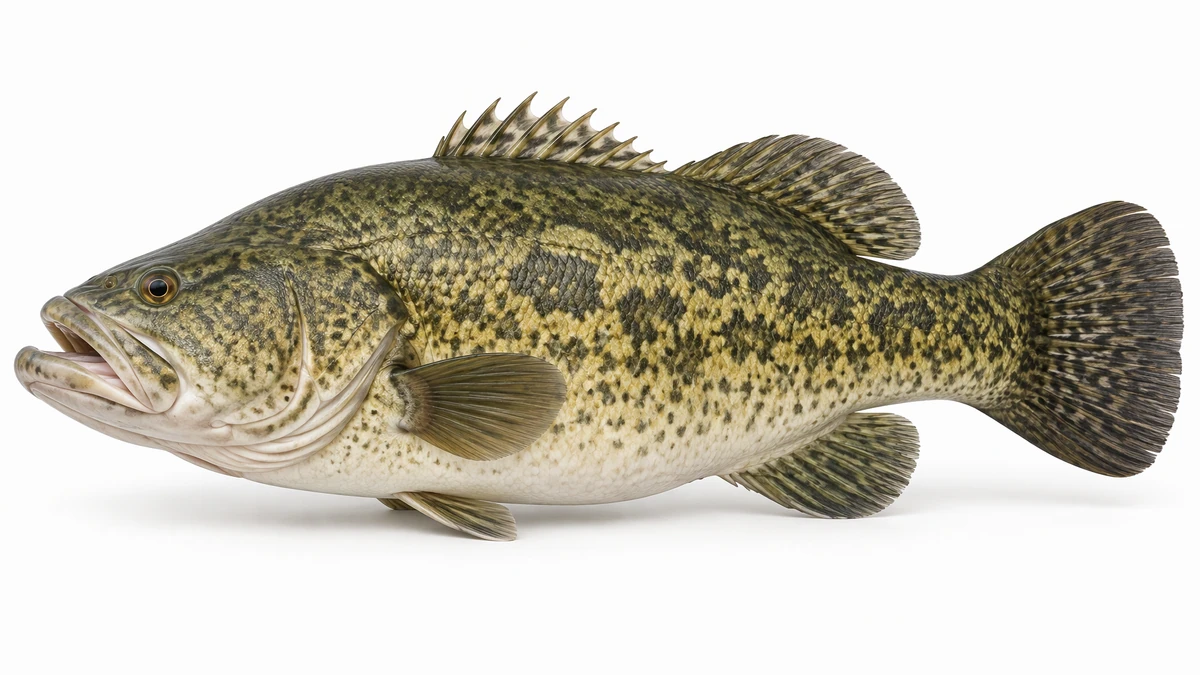
How to Catch Murray Cod
The Murray cod is the biggest freshwater fish in Australia and one of the hardest to fool. It lives in the timber of slow inland rivers, it feeds hardest after dark, and a good fish will try to bury itself in a snag the moment it feels the hook. Learning how to catch Murray cod is really about three habits: fishing tight to cover, fishing slowly, and using tackle with enough backbone to stop a metre-long fish before it gets home. For identification, range, and biology, read the full Murray Cod species profile; this guide is about catching them.
Best Time to Catch Murray Cod
The best time to catch Murray cod is the warmer half of the year, and the best hour is after dark. The fish are most active when water temperature sits between roughly 15 and 26°C (59–79°F), so spring and summer are the productive months and winter is slow. In the depths of winter a cod will still eat, but it holds deep cover and moves little, and the fishing feels like work.
Night is the great advantage. Big cod that sit tight to a snag all day will slide into shallower water after dark and hunt, and that is when surface lures become a genuine option. The strike — a heavy boil and a solid weight — is one of the most exciting takes in Australian freshwater fishing. Dawn and dusk are the next best windows, especially on pressured water.
Water level and flow matter as much as the calendar. A rise after rain, or a flood that pushes water through the system, gets fish moving. Murray cod spawn in spring and early summer, roughly October to December, once water passes about 16 to 20°C and flows increase, so the warm months line up with both active feeding and the closed seasons that protect spawning. In New South Wales and Victoria that closure commonly runs from around September to November. Plan your season around the rules, not against them.
Best Gear for Murray Cod
Murray cod are not a finesse target. They are heavy, strong, and structure-bound, and light tackle mostly donates lures and hooks to the timber. The gear has to do two jobs: cast a big bait or lure accurately, and turn a big fish away from a snag on the first run.
| Component | Murray cod-ready choice |
|---|---|
| Rod | 6'6"–7'6" heavy baitcaster or heavy spin, with a fast, powerful butt |
| Reel | 300–400 size low-profile baitcaster or a 6000–8000 spin reel, smooth and strong drag |
| Main line | 50–80 lb braid for lures; heavy braid or mono for bait |
| Leader | 60–100 lb monofilament or fluorocarbon, long enough to absorb shock |
| Hooks | 6/0–10/0 circle hooks for bait; heavy-gauge J hooks where legal |
| Lures | Deep-diving minnows up to about 20 cm, big soft plastics, spinnerbaits, chatterbaits, surface lures |
| Extras | Large landing net, wet cloth or mat, long-nose pliers, boga or lip grip, headlamp |
The rod is the part that matters most. A cod rod needs a stiff mid-section and a strong butt to apply pressure, because the first ten seconds after the hookset decide the fight. A low gear ratio helps you winch a big fish out of timber without over-stressing the reel. Braid gives you direct contact and lets you feel a take on the drop, which is where many cod eat.
Carry a big net and a wet mat. You will want to land fish quickly, keep them wet, measure them, and get them back in the water, and doing that on a steep, snaggy bank is much easier with the right tools.
Best Bait for Murray Cod
The best bait for Murray cod is a big, fresh bait fished close to a snag. Cod are opportunistic ambush predators that eat almost anything that fits in that huge mouth, so a natural bait left to sit in a deep pool is a classic and still deadly approach.
Natural baits cover most situations:
- Whole fish. A fresh carp, mullet, or bony bream is a big-meal bait that big cod favour. Hook it once through the back so it sits naturally.
- Fish fillets. A generous fillet hooked through the flesh stays on the hook and releases scent, and it is easier to cast than a whole fish.
- Yabbies. Freshwater crayfish are core cod food, and a live or fresh yabby is a top bait, especially in summer.
- Large shrimp. A big fresh shrimp is a good all-round bait and stays lively longer than people expect.
Artificial lures come into their own when you want to cover water or fish at night:
- Deep-diving minnows. Lures around 15–20 cm are a sensible size for a metre-long fish, and cod are not shy about big profiles.
- Big soft plastics. Paddletails and creature baits on heavy jigheads work around timber and along ledges.
- Spinnerbaits and chatterbaits. These are snag-resistant and excellent for working through submerged branches.
- Surface lures. At night, walkers and poppers draw explosive strikes in the shallows.
The choice between natural bait and lures is mostly about conditions. Dirty, high water after rain favours scent-heavy bait. Clear water and an active night bite favour lures, and surface fishing is a category of its own.
Murray Cod Rigs
A Murray cod rig has one job: present a bait or lure where a fish is holding, and hold up when that fish tries to get back into the timber. These are the setups that cover the main situations.
Running-sinker snag rig (bait). Thread a running ball or bean sinker onto your heavy main line, add a swivel and a bead, then tie a 1-metre leader of 80–100 lb mono to a 6/0–10/0 circle hook. Hook the bait once so it stays natural. The running weight lets a cod pick up the bait and move before it feels resistance, which is exactly what you want when the fish is sitting in cover.
Paternoster for still pools. Where you want the bait pinned above the bottom in a deep pool, a simple paternoster with a heavy dropper weight and a single hook keeps the bait visible and off the silt.
Lure setup. Join 50–80 lb braid to a 60–100 lb leader with an FG knot or a slim connection, and finish with a heavy snap or a loop knot for the lure. Skip the light wire traces that a big cod will crush or rub through.
Night surface setup. No weight, no sinker — just a surface lure on a heavy leader. The rig could not be simpler; the skill is in the retrieve and in waiting for the weight rather than striking at the splash.
Whichever rig you use, check the leader for abrasion after every fish and every snag. Timber is unforgiving, and a frayed leader is how big cod get away.
How to Catch Murray Cod, Step by Step
- Read the water first. Look for snags, deep pools, undercut banks, rock ledges, and the tail-outs below weirs. Cod are creatures of cover, and the fish is usually closer to the timber than you think.
- Position for the cast. In a boat, hold upstream and cast down toward the snag so you can work the bait or lure back into the strike zone. From the bank, pick a spot that lets you cast tight to cover without spooking it.
- Cast close and let it settle. Put the bait or lure within a metre or two of the timber. A cod often takes on the drop or as a lure deflects off structure, so give it time to fall.
- Work it slowly. A slow, deliberate retrieve with long pauses out-fishes a fast one. For bait, leave it sitting; for lures, keep contact and let the lure hang at the edge of cover.
- Watch the line, not just the rod tip. A cod take is often a heavy, solid weight rather than a tap. If the line loads up or starts moving off, that is your cue.
- Set the hook hard and keep the head up. Drive the hook home, then apply pressure immediately. The aim is to turn the fish away from the snag before it buries itself.
- Land quickly, keep it wet, release well. Bring the fish to a big net, support the body horizontally, measure it, and return it promptly. If the rules allow keeping a fish, do it fast and humanely.
Murray cod fishing techniques reward patience more than speed. The anglers who catch big fish are the ones who cast accurately, fish slowly, and resist the urge to strike at every bump.
Where to Catch Murray Cod
Where to catch Murray cod means the slow, warm, turbid water of the Murray-Darling Basin, the vast river system that drains much of inland southeastern Australia. The species lives in the Murray, Darling, Murrumbidgee, Lachlan, Macquarie, Gwydir, Namoi, and other connected rivers, along with lakes and reservoirs inside the basin.
Within a river, look for large woody debris — snags — plus deep pools, undercut banks, rock ledges, and the tail-outs below weirs. Big fish are territorial and may hold the same snag or pool for years, which is why local knowledge of a stretch pays off season after season. Clear, rocky upland reaches also hold fish, but the classic cod water is a slow, green, timber-lined lowland river.
Dams, weirs, and flow regulation have reshaped the basin, and the best fishing often follows environmental flows and good water quality. Fish the timber, fish the deep holes, and treat every big submerged log as a potential address.
Murray Cod Regulations and Safety
Murray cod rules are strict, they vary by state, and they matter more than any tackle choice. In New South Wales and Victoria the minimum size is commonly 55 cm, with a bag limit of two fish and a possession limit, plus a closed season from around September to November to protect spawning. Queensland sets a larger minimum size and its own closed season. Barbless hooks, circle hooks, and catch-and-release are encouraged or required in many waters, and some areas are closed entirely.
As of 2025, check the current rules for the state and river you plan to fish before you leave, because sizes, closures, and gear rules change. The relevant authorities are the state fisheries departments and the Murray-Darling Basin Authority.
Safety is a real issue on cod water. The fish itself is armed: sharp gill covers, a spiny first dorsal fin, and enough weight to injure a hand or a shin in a boat. Support the body horizontally, never lift a big fish by the jaw or gill cover, and use a wet cloth or a large landing net. The bigger danger is the environment. Cod fishing happens at night, on rivers with strong current, snags, and steep banks, so wear a life jacket, carry a light, and never wade a flooded river. Submerged timber that holds cod also holds branches that can pin a person.
Common Mistakes and Murray Cod Fishing Tips
- Fishing open water. Cod are structure fish. If your bait is nowhere near timber or a deep edge, you are fishing for a lucky straggler.
- Fishing too light. A big cod will straighten light hooks and pop light leader. Step up the class and accept fewer bites for more landed fish.
- Striking too early. Wait until you feel the weight of the fish. A premature strike on a surface lure or a big bait usually misses.
- Letting a fish bury itself. Apply pressure immediately and keep the head up. The first few seconds decide most fights.
- Keeping fish out of the water too long. Have the net, mat, measure, and camera ready before you land a big fish.
- Keeping the big breeders. Murray cod are long-lived and slow-growing, with fish over 40 years old recorded. Releasing the big ones protects the fishery.
- Misidentifying trout cod. Trout cod have a concave forehead and a pointed snout, are endangered, and are fully protected. If you are unsure, release the fish immediately.
- Ignoring the closed season. The closure exists to protect spawning. Fishing through it is both illegal and damaging.
FAQ
What is the best time to catch Murray cod? The warmer months, especially spring and summer, when water is roughly 15–26°C. Night is best, when big fish move shallow; dawn and dusk are the next best windows.
What bait for Murray cod works best? A big, fresh bait fished tight to a snag: a whole fish, a fish fillet, a yabby, or a large shrimp. Large deep-diving lures and surface lures also take fish.
What are the best Murray cod fishing techniques? Fish snags and deep pools slowly, often at night, with heavy tackle. Cast close to cover, let the bait or lure settle, and apply pressure early to keep the fish out of the timber.
What is the best Murray cod rig? For bait, a running-sinker rig with a 1-metre leader of 80–100 lb mono and a 6/0–10/0 circle hook. For lures, heavy braid to a 60–100 lb leader, fished slow around structure.
How big do Murray cod get? Most caught fish are 50–80 cm. A fish over 1 m is a trophy, and the historic record is about 1.8 m and 113 kg, though fish that size are gone.
How do I tell a Murray cod from a trout cod? Murray cod have a rounded head and grow much larger. Trout cod have a concave forehead and a pointed snout, are smaller, and are endangered and protected. If in doubt, release the fish.
Do I need a licence to fish for Murray cod? It depends on the state. Most states require a recreational fishing licence and enforce size, bag, and closed-season rules. Check your state fisheries department before you fish.
Learning how to catch Murray cod comes down to timber, patience, and pressure. Fish the snags at night, use tackle that can stop a big fish, respect the closed seasons, and let the old breeders go. Do that, and you have a real chance at the fish that defines freshwater fishing in Australia.
Related Articles
- How to Catch Walleye — another low-light, structure-oriented predator.
- How to Catch Muskellunge — big freshwater fish that punish light tackle.
- How to Catch Northern Pike — snag-country hunting with a familiar mindset.
- How to Catch Coral Trout — a reef ambush predator with the same sit-and-strike habit.
- Murray Cod species profile — identification, habitat, diet, and biology.
About the author and how this was tested
About the author
FishermanGuy
Bank, boat and kayak angler · fishing, crabbing and shrimping since 2021
I buy the gear, fish it for a season and write down what failed. No sponsored verdicts, no free-sample flattery. Every rig on this page has landed fish in water I can point at on a map.
How this was tested
- Every rig gets at least six trips on the same water before it is published.
- Gear is bought at retail. Free samples are labelled in the first paragraph.
- Dates show first publication and the last time the page was updated.