Field notes
How to Catch Coral Trout: Reef Rigs, Bait & Timing
How to Catch Coral Trout
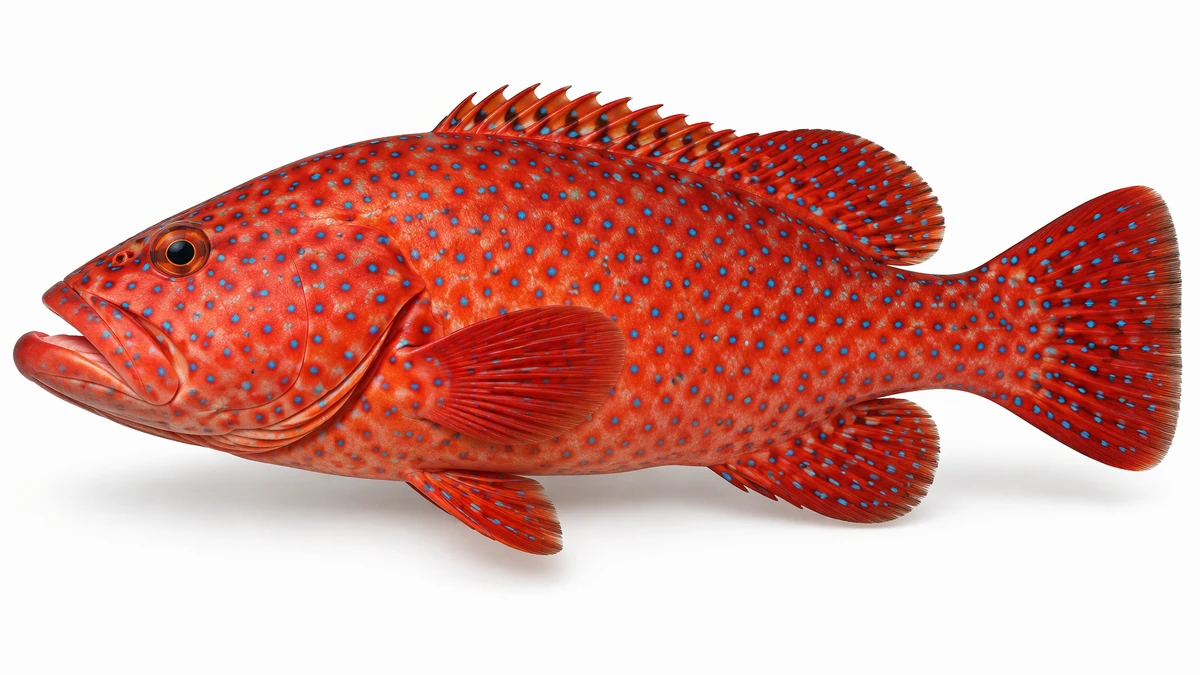
The coral trout is one of the most beautiful predators on the Indo-Pacific reef, and one of the most exciting to hook. A red body covered in electric-blue spots hovers over a coral head, inspects your bait, and then eats it with a speed that catches anglers by surprise — and the first thing a good fish does is turn straight back into the coral. Learning how to catch coral trout is about finding the right piece of reef, presenting a natural bait or lure slowly, and having the tackle to stop the fish before it cuts you off. For identification, range, and biology, read the full Coral Trout species profile; this guide is about catching them.
Best Time to Catch Coral Trout
The best time to catch coral trout is the warmer months, when reef water is roughly 22 to 29°C (72–84°F) and the fish are feeding hard. Coral trout live on tropical reefs year-round, but they are most active and most catchable when the water is warm and the current is moving bait over structure.
Tide and current matter more than the clock on most reef days. A moving tide pushes baitfish and small crustaceans along the reef edge, and coral trout set up on the down-current side of coral heads, ledges, and channel mouths to intercept them. A tide change that starts a good flow is often the cue to drop a bait. Early morning and late afternoon fish well, and on clear days the first hour of light can produce fish that are still moving across the flats before they settle onto the reef.
Spawning adds a caveat. Coral trout gather in the warmer months around the new and full moon at reef passes, channels, and promontories, and in Queensland the spawning closures for coral reef fin fish are built around the new moon in spring. If you are fishing one of those aggregations, you are fishing exactly what the rules are designed to protect. Check the closure dates before you plan a trip.
Best Gear for Coral Trout
Coral trout are strong, fast for a grouper, and utterly structure-bound. Light tackle is a liability on the reef because a hooked fish will run for the coral within seconds, and a rubbed-through leader usually means a lost fish. The gear has to be heavy enough to turn a fish away from the reef immediately.
| Component | Coral trout-ready choice |
|---|---|
| Rod | 6'6"–7'6" medium-heavy spin or a dedicated reef/jigging rod with lifting power |
| Reel | 4000–8000 size spinning reel with a strong, smooth drag |
| Main line | 30–50 lb braid for bait and plastics; heavier braid for jigging |
| Leader | 50–80 lb fluorocarbon, 1–2 m, checked after every fish |
| Hooks | 5/0–7/0 circle hooks for bait; heavy assist hooks on jigs |
| Lures | Soft plastics, slow-pitch and micro jigs, poppers, stickbaits, deep-diving minnows |
| Extras | Descending device or venting tool, large net, lip grip, pliers, polarized glasses |
Braid gives you direct contact with the reef and the sensitivity to feel a subtle take on the drop. The leader is where the fight is won or lost: 50–80 lb fluorocarbon resists abrasion on coral and gives you a chance to drag a big fish clear of structure. A high-drag spinning reel lets you lock up and pump a fish away from the coral instead of giving it line.
Two extras are close to mandatory. A descending device or venting tool lets you release fish from deeper water with a real chance of survival, and polarized glasses help you read the reef edge and spot the lighter patches that hold fish.
Best Bait for Coral Trout
The best bait for coral trout is fresh and natural. These fish are active ambush predators that eat fish and crustaceans, and a natural bait presented on the reef edge is hard to beat.
Natural baits cover most situations:
- Whole or cut fish. A fresh whole baitfish or a generous fillet is the standard coral trout bait, and fresh matters — coral trout ignore bait that has gone soft.
- Squid strips. Tough, scented, and easy to hook, a squid strip stays on the hook through repeated drops.
- Live prawns. A live prawn fished slowly on the reef edge is deadly, especially when fish are keyed on crustaceans.
Artificial lures are where reef fishing becomes addictive:
- Soft plastics. A paddletail or shad on a weighted hook, worked slowly along the reef slope, imitates a baitfish perfectly.
- Jigs. Slow-pitch and micro jigs dropped to the reef and lifted in short strokes trigger reaction strikes from coral trout holding on structure.
- Poppers and stickbaits. On the surface over shallow reef, these draw violent strikes and are some of the most fun you can have on a reef.
- Deep-diving minnows. Trolled or cast along drop-offs, they cover water and find fish that bait fishing would miss.
The common thread is presentation speed. A slow, natural sink beats a fast retrieve on most reef days, because coral trout want a bait that looks like it is falling helplessly past their coral head.
Coral Trout Rigs
A coral trout rig has two jobs: get the bait down to the reef edge, and hold up when the fish tries to cut you off. These setups cover the main situations.
Reef bait rig. Join 30–50 lb braid to 1–2 m of 50–80 lb fluorocarbon leader, then tie a 5/0–7/0 circle hook. Add a small running sinker above a swivel when you need to reach the bottom in current; keep it light enough that the bait still falls naturally. Hook a whole baitfish through the back or a fillet once through the flesh so it sits straight.
Paternoster reef rig. In strong current, a simple paternoster with a dropper weight keeps the bait up off the bottom and in the strike zone along the reef slope. It is less natural than a running rig but much easier to fish in a fast drift.
Soft-plastic rig. A paddletail on a weighted hook or a jighead, fished on 50–80 lb leader, is the go-to lure setup. Cast along the reef edge, let it sink to the structure, and lift it slowly back.
Jig rig. A slow-pitch or micro jig with heavy assist hooks, on heavier braid and a strong leader, is the tool for fish holding deep on the reef. Drop it to the bottom, then work it in short, sharp lifts with a controlled fall.
Check the leader after every fish. Coral is abrasive, and a nicked leader is the most common reason a good coral trout gets away.
How to Catch Coral Trout, Step by Step
- Find the reef edge. Look for the transition from sand to coral, the drop-off along the reef slope, coral heads in a lagoon, and the current-swept points where bait gathers. Coral trout hold tight to structure, so fish the edges, not the open sand.
- Set a drift. Approach the reef so the boat drifts along the edge or the drop-off, keeping your bait in the strike zone as you go. Avoid anchoring right on top of a coral head if you can.
- Drop to the bottom. Let the bait or lure fall to the reef, keeping in contact the whole way. Many takes come on the drop.
- Work it slowly. Lift and settle the bait or lure with long pauses. Coral trout inspect before they commit, so give them time.
- Set the hook hard and fast. When the fish eats, drive the hook home and lock up. A coral trout will head straight for the coral, and hesitation costs you the fish.
- Pump it clear of the reef. Keep the rod loaded, pump and wind, and do not let the fish turn its head back into structure. Keep your feet planted and let the drag work.
- Land quickly and release well. Net the fish, keep it out of the sun, and if you release it, do it fast. Fish from deeper water should go back with a descending device or venting tool to counter barotrauma.
Coral trout fishing techniques come down to that first ten seconds. A fast, firm hookset and immediate pressure are the difference between a fish on the deck and a busted leader.
Where to Catch Coral Trout
Where to catch coral trout means the warm, clear water of Indo-Pacific coral reefs, from southern Japan and the South China Sea through the Philippines and Indonesia to the Great Barrier Reef and the Coral Sea. The species is a reef fish through and through, living on reef slopes, in lagoons, around coral heads, and along channels and drop-offs.
Depth is usually between about 3 and 30 m, though coral trout occur deeper, and the biggest fish often sit on the outer reef slope and around current-swept points. They are territorial, and a good piece of reef will hold a resident fish or a small group, which is why marking a productive coral head pays off across a season.
Reef health sets the map. Coral trout need warm water and healthy coral, and bleaching, sedimentation, and destructive fishing damage the habitat. Marine protected areas, size limits, and spawning closures are the main tools used to keep the fishery sustainable, so fishing a healthy, well-managed reef is both better sport and better ethics.
Coral Trout Regulations and Safety
Coral trout rules vary by jurisdiction, and the two things that matter most are minimum size and spawning closures. In Queensland, common coral trout are managed with a minimum size of about 38 cm, a combined reef-fish bag limit, and spawning closures around the new moon in spring. The Great Barrier Reef Marine Park also has zoning that restricts where and how you can fish. In Asia, the live reef food fish trade is regulated differently from country to country, and enforcement varies.
As of 2025, check the current rules for the state, marine park, and reef where you plan to fish. The relevant authorities are the Queensland Department of Agriculture and Fisheries and the Great Barrier Reef Marine Park Authority.
The safety issue unique to reef fishing is ciguatera. It is caused by toxins produced by microscopic algae on coral reefs and accumulated up the food chain, and it is not destroyed by cooking, freezing, or marinating. Symptoms include stomach upset, numbness around the mouth, reversal of hot and cold sensations, muscle pain, and fatigue. The risk varies by reef and by fish size, and bigger, older fish carry more toxin. Ask locally before keeping a big reef predator, and avoid the organs, head, and roe, where toxin concentrates.
Handling hazards are ordinary but real: sharp gill covers and small teeth, and reef fish pulled from depth can suffer barotrauma. Support the body, use a net, and release deep-caught fish with a descending device or venting tool.
Common Mistakes and Coral Trout Fishing Tips
- Fishing sand instead of reef. Coral trout live on structure. If your bait is not near coral, a ledge, or a channel, you are mostly wasting drops.
- Giving up on the first run. Lock the drag and pump immediately. A fish that reaches the coral is usually gone.
- Fishing too light. A 50–80 lb leader is not overkill on the reef. It is the minimum for landing a good fish.
- Fast retrieves. Coral trout want a slow, natural presentation. Speed spooks more fish than it triggers.
- Keeping the big breeders. Coral trout are protogynous hermaphrodites: the largest fish in a group are often males, so removing them can skew the sex ratio and hurt spawning. Release the big ones where the rules allow.
- Ignoring spawning closures. The new-moon closures protect spawning aggregations. Fishing them is illegal and damaging.
- Assuming a reef is ciguatera-free. Risk varies enormously between reefs. Ask locally and treat big old fish with caution.
- Skipping the descending device. A coral trout released from depth without one often dies later. Carry the tool and use it.
FAQ
What is the best time to catch coral trout? The warmer months, when water is roughly 22–29°C and current moves bait over the reef. A moving tide, early morning, and late afternoon are the best windows.
What bait for coral trout works best? Fresh whole or cut fish, squid strips, and live prawns fished on the reef edge. Soft plastics and jigs are the best artificials.
What are the best coral trout fishing techniques? Fish the reef edge slowly, keep in contact with the bottom, and set the hook hard. Apply immediate pressure to keep the fish out of the coral.
What is the best coral trout rig? A running reef bait rig with 50–80 lb fluorocarbon leader and a 5/0–7/0 circle hook, or a slow-pitch jig with heavy assist hooks for deeper fish.
How big do coral trout get? Most are 35–60 cm and 1.5–7 kg. A 70 cm fish is a good one, and the species maximum is about 120 cm and over 20 kg.
Is coral trout safe to eat? Usually, but large reef fish can carry ciguatoxins that cooking does not destroy. Ask locally, avoid the organs and head, and be cautious with big old fish.
Coral trout vs grouper: what is the difference? A coral trout is a type of grouper, but it is brighter, more streamlined, and more active than typical brown groupers, and it belongs to a different genus.
Learning how to catch coral trout is about reading the reef, slowing down, and applying pressure at the right moment. Find the coral edge, present a natural bait or slow jig, set the hook hard, and keep the fish out of structure. Respect the closures and the ciguatera warnings, and the reef will keep giving.
Related Articles
- How to Catch Red Snapper — a structure-loving reef fish with a similar bottom-fishing approach.
- How to Catch Cobia — sight fishing for another strong, structure-oriented predator.
- How to Catch Mahi-Mahi — the pelagic you meet on the way out to the reef.
- How to Catch Murray Cod — a freshwater ambush predator with the same sit-and-strike habit.
- Coral Trout species profile — identification, habitat, diet, and biology.
About the author and how this was tested
About the author
FishermanGuy
Bank, boat and kayak angler · fishing, crabbing and shrimping since 2021
I buy the gear, fish it for a season and write down what failed. No sponsored verdicts, no free-sample flattery. Every rig on this page has landed fish in water I can point at on a map.
How this was tested
- Every rig gets at least six trips on the same water before it is published.
- Gear is bought at retail. Free samples are labelled in the first paragraph.
- Dates show first publication and the last time the page was updated.