Field notes
How to Catch Red Snapper: Rigs, Bait & Season Rules
How to Catch Red Snapper
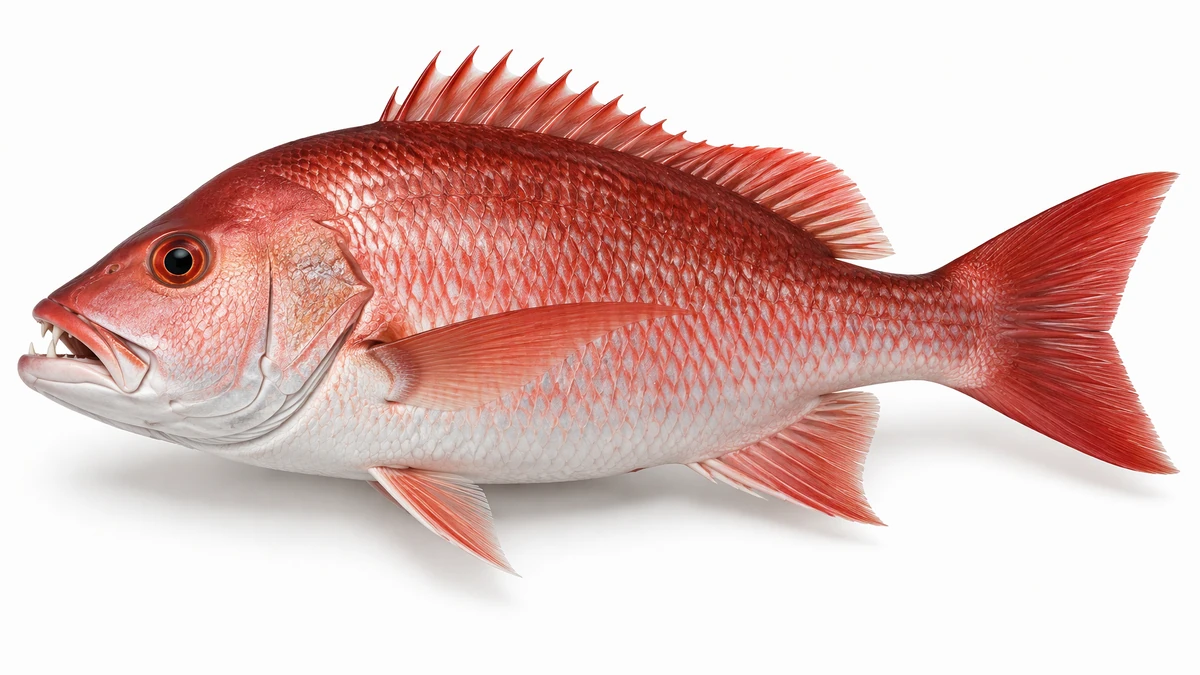
The red snapper is the signature reef fish of the Gulf of Mexico and the US South Atlantic, and one of the best-eating fish in the sea. A brick-red body, a steeply sloped forehead, and a big red eye make it easy to recognise; a hard first run toward the rocks makes it a genuine test of tackle and nerve. Learning how to catch red snapper means finding structure, fishing a natural bait on the bottom, and getting the fish turned away from the reef before it cuts you off — all inside some of the tightest regulations in American fishing. For identification, range, and biology, read the full Red Snapper species profile; this guide is about catching them.
Best Time to Catch Red Snapper
The best time to catch red snapper is late spring through autumn in the Gulf, when the water is warm and fish are feeding around structure. The fish are most active in water roughly 60 to 82°F (16–28°C). They shift shallower in spring and move deeper in the heat of summer and the cold of winter, which is a pattern worth watching on your sounder.
Within a day, red snapper feed around structure almost continuously, but current and tide shape the bite. A moving current that sweeps bait over a ledge concentrates fish on the up-current side, and the first and last hours of light often produce the most aggressive feeding.
The calendar, though, is the hard part. Red snapper spawn through the warm months, roughly April to September, with a Gulf peak in early to midsummer, and management is built around protecting that spawning stock. In federal Gulf waters the recreational season has been extremely short in recent years — measured in days rather than months — with much of the angler access delivered through state seasons run under exempted fishing permits. The South Atlantic has its own separately managed season. As of 2025, you do not plan a red snapper trip around the weather first; you plan it around the open days.
Best Gear for Red Snapper
Red snapper are strong, hard-mouthed, and built to reach the rocks. The tackle has to be heavy enough to lift a fish off structure and to handle the weight needed to hold bottom in 100-plus feet of water.
| Component | Red snapper-ready choice |
|---|---|
| Rod | 6'6"–7'6" heavy conventional or heavy spin with a fast tip and strong backbone |
| Reel | 30–50 size conventional with a strong, smooth drag and good line capacity |
| Main line | 50–80 lb braid for direct contact and a fast sink |
| Leader | 50–80 lb monofilament or fluorocarbon, 1–2 m |
| Hooks | 5/0–8/0 non-stainless circle hooks (often required) |
| Sinkers | 4–16 oz depending on depth and current |
| Extras | Descending device, dehooking tool, wet towel or lip grip, fish grips, measuring board |
Braid is standard because it cuts current drag and lets you feel a take on the bottom, while a heavy leader gives you a chance against limestone and wreck structure. Circle hooks are the default for natural bait and are required in many areas; use non-stainless so a gut-hooked fish that breaks off can eventually shed the hook. A descending device is not optional equipment anymore — federal rules increasingly expect one on board, and it is the difference between a released fish living or dying.
Best Bait for Red Snapper
The best bait for red snapper is fresh cut fish and whole baitfish. Red snapper are opportunistic feeders that eat menhaden, croakers, pinfish, sardines, small mackerel, squid, shrimp, and crabs, and big adults lean heavily on fish.
Natural baits cover most situations:
- Cut menhaden. The classic red snapper bait, oily and scented, and it stays on a circle hook through a drop.
- Spanish sardine and cigar minnow. Whole or halved, these are excellent baits and easy to keep frozen in quantity.
- Squid. Tough and cheap, squid stays on the hook and is a reliable fallback when baitfish are scarce.
- Live pinfish or live cigar minnows. A live bait is deadly on big fish, especially when they are keyed on live prey around the structure.
Artificial lures work, especially on active fish:
- Bucktail jigs. Heavy bucktails bounced off the bottom imitate baitfish and trigger reaction strikes.
- Soft plastics on heavy jigheads. Big paddletails cover water and appeal to aggressive fish.
- Slow-pitch jigs. These are increasingly popular for snapper holding on deep structure.
A fresh bait out-fishes a stale one, and a bait presented naturally on the bottom out-fishes a bait that is dragged. When a fish is hooked near structure, dropping a second bait behind the hooked fish often gets eaten by a follower.
Red Snapper Rigs
A red snapper rig has two jobs: put a bait on the bottom next to structure, and hold when a big fish tries to get back into the rocks. These setups cover the main situations.
Knocker rig. Thread an egg sinker onto your leader and let it sit directly above the hook — no swivel between the weight and the hook. The sinker knocks against the hook eye as the bait falls, which is where the name comes from. A knocker rig is simple, tangle-resistant, and excellent for dropping a bait straight down to a ledge or wreck.
Fish-finder rig. Slide an egg sinker onto your main line, add a bead and a swivel, then tie a 1–2 m leader to a circle hook. The fish can pick up the bait and move without feeling the weight, which is a real advantage with finicky or pressured snapper.
Two-hook dropper rig. Where the rules allow two hooks, a simple dropper-loop rig with two baits fishes a wider band of water and doubles your chances around structure.
Slow-pitch jig setup. A slow-pitch jig on braid and a strong leader, worked in short lifts and controlled falls over structure, is a productive artificial option and a lot of fun on a good fish.
Whatever you tie, use enough weight to hold bottom but not so much that the bait is pinned. Natural movement is what draws the strike.
How to Catch Red Snapper, Step by Step
- Find hard bottom and structure. Use your sounder to locate limestone reef, ledges, wrecks, rubble, and oil and gas platforms. In the central Gulf, the vertical rigs are classic red snapper habitat.
- Set up over the fish. Anchor up-current of the structure or set a controlled drift so your baits fall onto the reef rather than past it.
- Drop baits to the bottom. Keep in contact as the bait falls. Many takes come on the drop or just off the bottom.
- Present naturally. Let the bait sit near structure and move with the current. If fish are finicky, go lighter and let the bait do the work.
- Set the hook with a circle hook. Do not swing hard — reel down until the line comes tight and let the circle hook find the corner of the mouth. With a J hook, set firmly.
- Turn the fish immediately. The first run heads for the rocks. Apply steady pressure, pump the rod, and keep the fish coming. Do not give a big snapper its head.
- Handle and release correctly. Keep released fish in the water when you can, and send deep-caught fish back with a descending device. Keep only legal fish, measured against the current rule.
Red snapper fishing techniques are mostly about that first minute. A fish that gets its head down and back into a ledge is usually lost; a fish that is turned early and pumped away from structure can be landed even on modest tackle.
Where to Catch Red Snapper
Where to catch red snapper means the Gulf of Mexico and the US South Atlantic, from the Campeche Bank off Mexico around to Florida, Georgia, and the Carolinas. The species is structure-oriented and largely sedentary: adults hold on natural limestone reefs, ledges, and hard bottom, and they readily colonise wrecks, rubble piles, and oil and gas platforms.
Depth depends on region and season. In the Gulf, fish are common from about 60 to 300 feet, with larger fish often deeper, and deep-droppers find them past 400 feet. In the South Atlantic, the productive range runs from roughly 60 to 250 feet over live bottom. Red snapper show strong site fidelity, which is why a good reef produces fish year after year and why local depletion is slow to heal.
Juveniles settle on sandy and shell bottom before moving to reef, and nearshore structure serves as nursery habitat. Fish the deeper ledges for big fish, the nearshore structure for numbers, and always respect the open season for the waters you are in.
Red Snapper Regulations and Safety
Red snapper rules are the hardest part of the fishery and the most important to get right, because the numbers change constantly. In federal waters of the Gulf of Mexico, the recreational minimum size is 16 inches total length, and the bag limit is two fish per person per day. Seasons are extremely short and have been delivered increasingly through state seasons under exempted fishing permits. The South Atlantic has its own season and bag rules, and commercial fishing is managed under an individual transferable quota system.
As of 2025, check the current rules with NOAA Fisheries, the Gulf of Mexico Fishery Management Council, the South Atlantic Fishery Management Council, and your state agency — Texas Parks and Wildlife, the Louisiana Department of Wildlife and Fisheries, or the Florida Fish and Wildlife Conservation Commission — before you keep a fish. In the Gulf you generally need a state saltwater licence, and many states require reef-fish permits and reporting. Many areas require non-stainless circle hooks and a descending device on board.
Safety has three parts. First, the fish: sharp dorsal and anal spines, hard gill plates, and canine teeth that open fingers. Hold it with a wet towel or lip grip and support the body. Second, barotrauma: a red snapper pulled from 100-plus feet arrives with an inflated swim bladder, bulging eyes, and a stomach pushed out of its mouth, and a quick release with a descending device is the best way to give it a chance. Third, ciguatera: large reef fish in subtropical water can carry toxins that cooking does not remove, so follow local advisories and be cautious with the biggest specimens from known hotspots.
Common Mistakes and Red Snapper Fishing Tips
- Fishing sand. Red snapper are structure fish. If your bait is not on or beside reef, wreck, or rig structure, you are fishing the wrong bottom.
- Too light a leader. The reef is abrasive. Use 50–80 lb leader and check it after every fish.
- Giving a big fish its head. The first run goes for the rocks. Apply pressure early and pump it away from structure.
- Skipping the descending device. A released snapper without venting or descending usually dies. Carry the tool and use it on every deep release.
- Keeping big breeders. Red snapper are long-lived, with fish of 50 years or more aged, and large old females produce far more eggs. Releasing them protects the spawning stock.
- Getting the rules wrong. Seasons are measured in days in some years, and federal and state rules differ. Confirm the dates and limits before you launch.
- Misidentifying the catch. Vermilion and lane snapper look similar but have different rules and smaller bodies. Know the pointed anal fin and the sloped head before you keep a fish.
- Forgetting the second bait. A bait dropped behind a hooked fish frequently gets eaten by a follower. It is one of the simplest red snapper fishing tips and one of the most productive.
FAQ
What is the best time to catch red snapper? Late spring through autumn in the Gulf, when water is roughly 60–82°F. The real calendar is the open season, which is short — check federal and state dates.
What bait for red snapper works best? Fresh cut menhaden, Spanish sardine, cigar minnow, and squid on a circle hook, or live pinfish. Bucktail jigs and slow-pitch jigs also produce.
What are the best red snapper fishing techniques? Fish structure with a natural bottom presentation, keep in contact on the drop, and apply pressure early to turn the fish away from the rocks.
What is the best red snapper rig? A knocker rig or fish-finder rig with 50–80 lb leader and a 5/0–8/0 non-stainless circle hook. A slow-pitch jig works for artificial presentations.
What is the red snapper size and bag limit? In federal Gulf waters the minimum is 16 inches total length and the bag is two fish per person per day, as of 2025. Seasons are short and change often.
How big do red snapper get? Most keepers are 2–15 lb. The species can reach about 40 inches and roughly 50 lb, and the IGFA all-tackle record is near 50 lb.
Is red snapper safe to eat? Generally yes, but large reef fish can carry ciguatoxins that cooking does not destroy. Follow local advisories and be cautious with the biggest fish from known hotspots.
Learning how to catch red snapper is about structure, pressure, and paperwork. Find the hard bottom, fish a fresh bait naturally, turn the fish early, release deep-caught fish with a descending device, and know the season before you leave the dock. Do that, and the Gulf's most famous reef fish will keep rewarding you.
Related Articles
- How to Catch Coral Trout — a reef-dwelling grouper relative with a similar ambush habit.
- How to Catch Cobia — another structure-loving Gulf predator.
- How to Catch Mahi-Mahi — the offshore pelagic you meet on the way out.
- How to Catch Atlantic Cod — a cold-water bottom fish with its own strict management story.
- Red Snapper species profile — identification, habitat, diet, and biology.
About the author and how this was tested
About the author
FishermanGuy
Bank, boat and kayak angler · fishing, crabbing and shrimping since 2021
I buy the gear, fish it for a season and write down what failed. No sponsored verdicts, no free-sample flattery. Every rig on this page has landed fish in water I can point at on a map.
How this was tested
- Every rig gets at least six trips on the same water before it is published.
- Gear is bought at retail. Free samples are labelled in the first paragraph.
- Dates show first publication and the last time the page was updated.